Can Levothyroxine Cause Hair Loss? Unraveling Common Myths
Introduction: Understanding Levothyroxine and Hair Loss
Levothyroxine is a widely prescribed medication for managing hypothyroidism, a condition where the thyroid gland does not produce enough hormones. As more people turn to this medication to restore their hormone levels, questions arise about potential side effects. One pressing concern among patients is: “Can levothyroxine cause hair loss?” Understanding the implications of levothyroxine on hair health is crucial for those undergoing treatment. In this article, we will address this query by examining the relationship between levothyroxine, thyroid function, and hair loss, while debunking common myths surrounding the medication.
What is Levothyroxine?
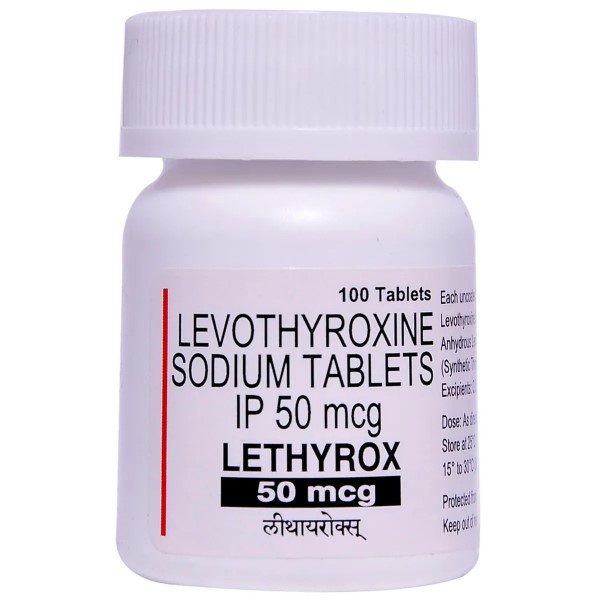
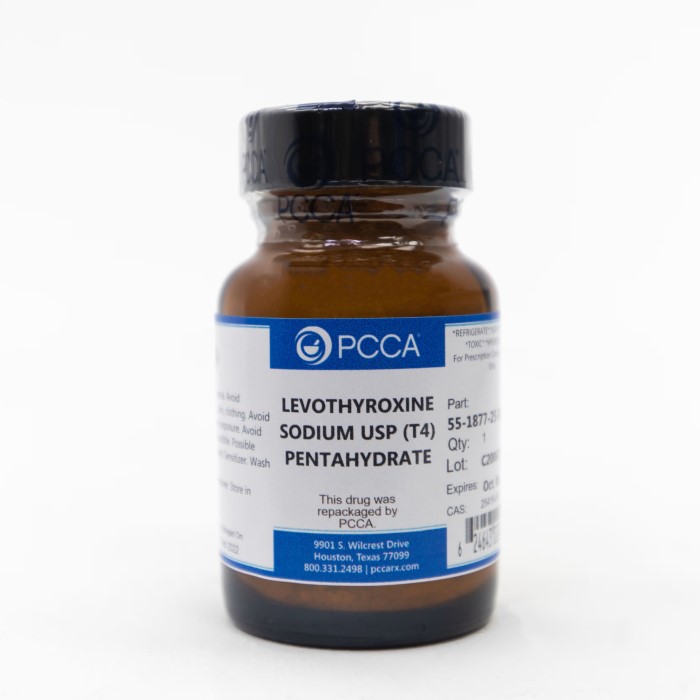
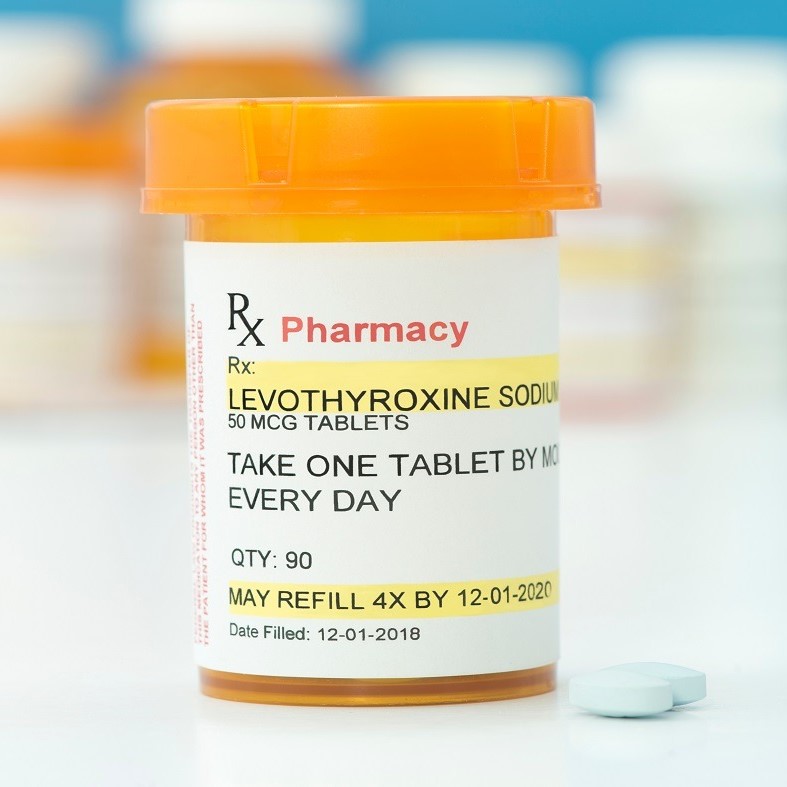
Levothyroxine is a synthetic form of thyroxine (T4), a hormone vital for regulating metabolism, energy levels, and overall physiological functions. It works by replenishing the deficient hormone levels in individuals with hypothyroidism.
- How It Works: When taken as prescribed, levothyroxine effectively mimics natural thyroid hormones. It helps the body maintain proper metabolism and energy levels.
- Common Prescribing Practices: Physicians typically initiate levothyroxine therapy after diagnosing hypothyroidism. Patients may undergo regular monitoring to ensure appropriate dosage adjustments based on blood tests.
- Importance of Consistency: Consistently taking levothyroxine as directed is essential. Patients should aim to take the medication at the same time daily and follow physician recommendations.
Exploring the Link Between Levothyroxine and Hair Loss
Can Levothyroxine Cause Hair Loss?
Understanding Hair Loss in Hypothyroidism
- Common Symptom: Hair loss frequently occurs as a symptom of untreated hypothyroidism. Individuals with low thyroid hormone levels often notice changes in their hair condition, leading to a lack of vitality and strength.
- Thinning and Breaking: As thyroid hormone levels drop, hair follicles may become weaker. This can result in thinning hair or brittle strands that are more prone to breaking, making individuals feel self-conscious about their appearance.
- Body’s Reaction to Hormonal Imbalance: The thyroid hormones play a crucial role in regulating the life cycle of hair follicles. When these hormones are deficient, it can disrupt the normal growth cycles, leading to increased hair shedding and decreased hair volume.
Temporary Effects of Starting Treatment
- Initial Hair Shedding: When patients begin levothyroxine therapy, they may notice an increase in hair shedding. This shedding is a common response as the body starts to adjust to the newly introduced thyroid hormones.
- Adjustment Period: The initial hair loss can be attributed to the body recalibrating its hormonal balance. This often creates temporary fluctuations in hair growth patterns rather than indicating a negative reaction to the medication.
- Not a Direct Side Effect: It’s important to recognize that this shedding is generally not a direct side effect of levothyroxine itself. Instead, it symbolizes the body’s adaptation to receiving adequate thyroid hormones.
Long-Term Outcomes
- Stabilizing Hormone Levels: After the body adjusts to the treatment and hormone levels stabilize, many patients notice positive changes in their hair health. This stabilization can take time, but it is crucial for improving hair quality.
- Restoration of Hair Growth: With effective treatment of hypothyroidism, patients often experience restored hair growth over time. As hormone levels return to normal, hair follicles can regenerate, leading to thicker and healthier hair.
- Ongoing Improvement: In addition to restored growth, individuals may experience a marked improvement in the strength and texture of their hair. Adequate thyroid hormone levels allow the scalp and hair follicles to obtain necessary nutrients, enhancing overall hair vitality.
- Commitment to Treatment: To achieve these long-term outcomes, patients must remain committed to their prescribed levothyroxine regimen. Regular monitoring and adjustments, if needed, can ensure optimal health and hair recovery.
Debunking Common Myths
Myth 1: Levothyroxine Directly Causes Hair Loss
- Many patients believe that taking levothyroxine directly causes hair loss. However, this notion is misleading. Hair loss can be attributed to untreated hypothyroidism, not the medication itself.
Myth 2: Stopping Levothyroxine is the Solution
- Some patients might think that discontinuing levothyroxine will resolve hair loss issues. In fact, stopping the medication can lead to a return of hypothyroid symptoms and further hair thinning.
Myth 3: All Thyroid Medications Cause Hair Loss
- It’s crucial to note that not all thyroid medications lead to hair loss. Each patient’s response to treatment may vary, and side effects depend on individual circumstances.
Factors Contributing to Hair Loss While on Levothyroxine
Underlying Health Conditions
- Hormonal Imbalances: Hormonal changes can occur while on levothyroxine. If not properly managed, conditions such as DHT sensitivity may contribute to hair loss, particularly in individuals predisposed to androgenetic alopecia.
- Vitamin Deficiencies: Nutritional deficiencies, especially in vitamins like biotin and iron, can exacerbate hair loss. Patients should ensure they consume a balanced diet rich in essential nutrients.
- Stress Levels: Physical or emotional stress can impact hair growth and lead to temporary shedding, irrespective of any medication.
The Role of Genetics
- Genetic predisposition plays a significant role in hair health. If a patient has a family history of hair loss, they may be more susceptible, irrespective of their thyroid treatment.
Managing Hair Health While on Levothyroxine
How to Stop Hair Loss While on Levothyroxine
- Consult Your Healthcare Provider: Speak to your doctor about your concerns regarding hair loss. They may recommend adjustments to your medication or additional treatments.
- Incorporate Nutrient-Rich Foods: Focus on a balanced diet that includes vitamins and minerals crucial for hair health. Foods rich in omega-3 fatty acids, biotin, and antioxidants promote hair growth.
- Consider Supplements: Discuss with your doctor about taking supplements to address potential deficiencies. Biotin, zinc, and iron are valuable for hair maintenance.
- Manage Stress: Engage in stress-reducing activities, such as yoga, meditation, or regular exercise. Managing stress can positively impact overall health and hair growth.
What is the Most Common Side Effect of Levothyroxine?
- Potential Side Effects: Common side effects of levothyroxine may include headaches, insomnia, and increased appetite. Some individuals might experience hair shedding, primarily in the initial stages.
- Recognizing Hypothyroid Symptoms: If patients notice a return of hypothyroid symptoms, such as fatigue and cold intolerance, they should consult their healthcare provider for dosage adjustments.
Reassurance for Patients
Will Hair Grow Back After Stopping Thyroid Medication?
Temporary Hair Loss
- Understanding the Cause: If you experience hair loss due to thyroid medication, it’s important to recognize that this is often a temporary issue. The body may need time to adjust to the new hormone levels introduced by the medication.
- Adjustment Period: After starting thyroid medication, be patient as your body adjusts. Many patients notice that hair loss diminishes and hair health improves as the body stabilizes hormone levels over time.
- Risk of Stopping Medication: While it may be tempting to stop the medication due to hair loss, doing so can lead to worsened symptoms of hypothyroidism. Discontinuing your medication may result in a return of previous symptoms, including fatigue and weight gain, and could potentially exacerbate hair loss.
- Consulting a Doctor: If hair loss persists or worsens, consult your healthcare provider. They can assess your situation, adjust your medication dosage, or explore other potential causes of hair loss.
Monitoring Hair Health
- Regular Check-Ups: Schedule regular follow-ups with your healthcare provider to monitor thyroid hormone levels. Consistent check-ups ensure that your body responds appropriately to the medication and that hormone levels remain stable.
- Addressing Symptoms Promptly: During follow-up appointments, openly discuss any troubling symptoms you experience, including hair loss. Addressing these concerns promptly can lead to timely interventions and necessary adjustments to your treatment plan.
- Utilizing Blood Tests: Your healthcare provider will likely recommend blood tests to measure thyroid hormone levels. These tests provide valuable data to determine whether your medication is effectively managing your condition and supporting your overall health.

Commitment to Treatment
- Importance of Thyroid Hormone Levels: Maintaining appropriate thyroid hormone levels is essential for overall health, including hair growth. A balanced level of hormones helps support various bodily functions, including metabolism and energy levels.
- Adhering to Medication Regimen: Patients should adhere strictly to their prescribed medication regimen. Taking your thyroid medication as directed can significantly improve thyroid function and help mitigate potential side effects like hair loss.
- Monitoring Your Health: Keep a close eye on your health and any changes you experience. Record any significant shifts, such as alterations in hair health or other symptoms, to discuss during your next appointment.
- Embracing a Holistic Approach: Alongside medication, focus on maintaining a balanced diet rich in nutrients essential for hair health. Combine this with stress management techniques and regular exercise to support both your thyroid and overall well-being.
Conclusion: Understanding Levothyroxine and Hair Health
In conclusion, the question “Can levothyroxine cause hair loss?” involves understanding various factors related to thyroid function and hair health. While hair loss can occur due to hormonal fluctuations and underlying health conditions, it is vital to recognize that levothyroxine itself does not directly cause hair loss.
Instead, focusing on balanced nutrition, stress management, and regular communication with healthcare providers can help mitigate hair loss concerns. By addressing these issues, patients can actively support their hair health while undergoing levothyroxine treatment, promoting overall well-being.
As more individuals seek clarity regarding their treatment and its effects on hair health, it is essential to approach the topic with informed knowledge and a proactive mindset. This understanding empowers patients to navigate their health journeys effectively.