The Truth Revealed: Can Caffeine Cause Hair Loss Problems?
Introduction: The Buzz Around Caffeine and Hair Loss
In recent years, many individuals have raised concerns about various aspects of their health, including the effects of caffeine on hair health. One pressing question continues to circulate: “Can caffeine cause hair loss?” As caffeine is a staple in diets worldwide, understanding its effects on hair health is crucial. This article will delve deep into scientific research, expert opinions, and detailed insights to unravel whether caffeine is a friend or foe to your hair.
Understanding Caffeine’s Role in the Body
Before addressing the specific question of whether caffeine can cause hair loss, it is important to comprehend how caffeine functions within the body.
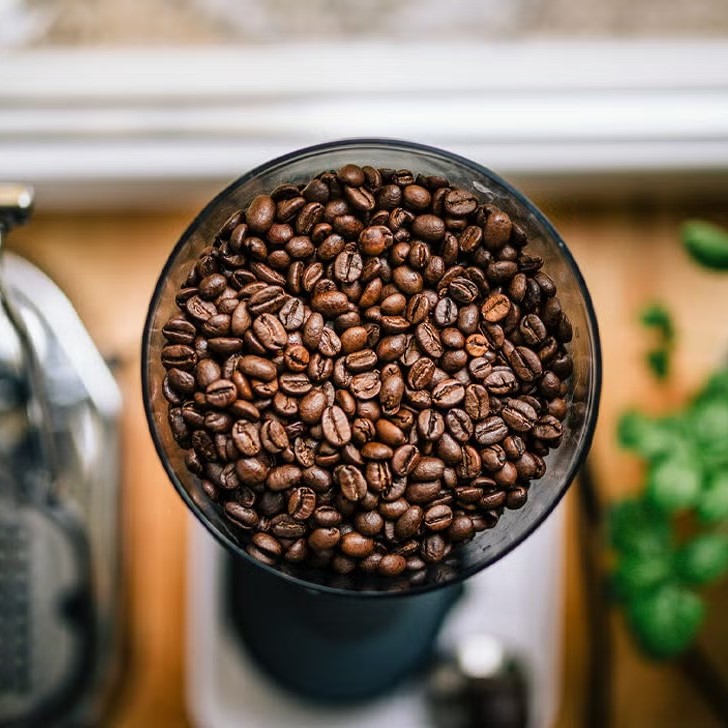
- Caffeine as a Stimulant: Caffeine primarily acts as a stimulant, influencing the central nervous system. It boosts alertness, increases energy levels, and enhances concentration. Many people rely on caffeine from beverages like coffee and tea to provide a quick energy boost.
- Absorption and Metabolism: After consumption, caffeine is quickly absorbed into the bloodstream and metabolized by the liver. It then impacts various bodily functions, including heart rate and metabolism, which could potentially interact with other physiological processes.
The Link Between Caffeine and Hair Health
Can caffeine cause hair loss? Given that caffeine is widely consumed and impacts numerous bodily functions, the concern about its potential impact on hair health arises. Let’s explore its relationship with hair loss more closely.
How Caffeine Affects Hair Follicles
Stimulation of Hair Growth
- Research Findings: Several studies have suggested that caffeine may have a positive effect on hair growth. These studies indicate that caffeine can stimulate hair follicles, which may lead to increased hair production.
- Follicle Proliferation: Caffeine promotes the proliferation of hair follicles. By encouraging the growth and multiplication of these follicles, caffeine paves the way for more robust hair growth.
- Extended Growth Phase: Research shows that caffeine can prolong the anagen phase of hair growth. The anagen phase is a critical period where hair follicles are actively producing hair. By extending this phase, caffeine contributes to longer and thicker hair.
- Topical Applications: Many cosmetic products now incorporate caffeine for hair health. By applying caffeine directly to the scalp, users can leverage its benefits for stimulating hair growth more effectively.

Blocking DHT Effects
- Understanding DHT: Dihydrotestosterone (DHT) is a hormone derived from testosterone. It plays a significant role in hair loss, particularly in individuals with androgenetic alopecia, which is more commonly known as male or female pattern baldness.
- Caffeine’s Inhibition of DHT: Some research suggests that caffeine may have the ability to inhibit the effects of DHT on hair follicles. By blocking DHT, caffeine could potentially reduce the extent of hair loss associated with this hormone.
- Preventing Hair Thinning: By mitigating the impact of DHT, caffeine aids in preventing hair thinning and loss. This property makes caffeine a valuable ingredient in medications and products aimed at combatting hair loss.
- Supportive Studies: Research highlighting caffeine’s blocking effects on DHT serves as a promising foundation for further exploration. It indicates that caffeine could be a significant player in developing treatments for hair loss.
Blood Circulation
- Enhancing Scalp Circulation: Caffeine promotes increased blood circulation in the scalp. Enhanced circulation is vital for delivering nutrients and oxygen to hair follicles, which supports healthier growth.
- Nutrient Delivery: Improved blood flow ensures that essential nutrients, such as vitamins and minerals, reach hair follicles efficiently. Hair follicles require these nutrients to produce hair effectively and maintain overall health.
- Promoting Hair Maintenance: Good circulation supports not only the initial growth phase but also the long-term maintenance of hair. As follicles receive adequate nutrients, they function optimally and produce strong, healthy hair.
- Scalp Health Benefits: Increased blood circulation can also assist in maintaining scalp health. By keeping the scalp well-nourished, caffeine contributes to an environment conducive to hair growth, potentially leading to a fuller mane over time.
Evidence Supporting Caffeine’s Role in Hair Health
Research Findings
- A crucial study published in the “International Journal of Dermatology” demonstrated that caffeine promotes hair growth.
- The study identified that caffeine enhances cell proliferation in hair follicles, leading to increased hair growth.
- Additionally, caffeine inhibits apoptosis, which is the programmed cell death that can hinder hair follicle health.
- These findings highlight caffeine’s potential as a beneficial ingredient for those seeking to improve hair growth outcomes.

Topical Applications
- Many haircare brands now include caffeine in their formulations to boost hair growth.
- These products capitalize on caffeine’s ability to promote scalp health and stimulate hair follicles.
- Users can find various topical applications, such as shampoos, serums, and conditioners, all enriched with caffeine.
- Haircare products containing caffeine aim to create a healthier environment for hair growth and improve overall hair quality.
Potential for Hair Regrowth
- Initial findings indicate that caffeine may support hair regrowth in both men and women experiencing hair loss.
- This potential has led researchers to explore caffeine-based treatments further for addressing various types of hair loss.
- Ongoing studies aim to validate caffeine’s effectiveness and establish optimal concentrations for maximum benefits.
- The encouraging results from early research inspire ongoing interest in alternative treatments for hair loss using caffeine.
Debunking Myths: Can Caffeine Cause Hair Loss?
Can caffeine cause hair loss? Despite some potential benefits, it is essential to address the myths surrounding caffeine and its alleged role in hair loss.
Misconceptions About Caffeine
- Caffeine as a Dehydrator: Some believe that caffeine may contribute to hair loss by causing dehydration. While caffeine is a diuretic, it is unlikely to lead directly to hair loss through dehydration alone. Adequate hydration is crucial for overall health and hair vitality.
- Link to Stress and Hair Loss: Excessive caffeine consumption can lead to increased anxiety and stress. Chronic stress is indeed associated with hair loss; however, stress is the root cause rather than caffeine itself.
- Moderation is Key: Like many substances, moderation matters. Moderate caffeine consumption generally has no adverse effects on hair health. However, excessive intake might contribute to hormone imbalances that could impact hair health indirectly.

Factors Contributing to Hair Loss Beyond Caffeine
Understanding the multifaceted nature of hair loss is crucial. Various factors can contribute to hair loss, and it’s important to consider these alongside caffeine consumption.
- Genetics: Genetic predisposition plays a significant role in hair loss. Conditions like androgenetic alopecia are primarily hereditary and are not influenced by caffeine.
- Hormonal Changes: Hormonal imbalances, particularly in hormones like testosterone and estrogen, can lead to hair thinning and loss. These changes can occur due to various factors, including age, pregnancy, and hormonal disorders.
- Nutritional Deficiencies: Essential nutrients like iron, vitamins (especially B-vitamins), and protein significantly affect hair health. Poor nutrition can lead to weakness and hair loss, regardless of caffeine consumption.
- Medical Conditions: Autoimmune diseases, thyroid issues, and other health conditions can contribute to hair loss. It’s essential to consult a healthcare professional for proper diagnosis and treatment.
A Balanced Approach to Caffeine Consumption
Moderation Matters
- Be Mindful of Caffeine Intake: While caffeine offers potential benefits for hair health, it is crucial to consume it mindfully. Recognizing your intake can help you enjoy its advantages without experiencing adverse effects.
- Avoid Excessive Consumption: Excessive caffeine consumption can lead to side effects such as anxiety, insomnia, and increased heart rate. These side effects can negatively impact overall health and indirectly affect hair health by increasing stress levels.
- Set Appropriate Limits: Aim to limit caffeine intake to a moderate level. This balance allows you to enjoy the positive effects of caffeine on hair follicles while significantly reducing the risk of negative side effects.
- Monitor Your Body’s Responses: Pay attention to how your body responds to caffeine. If you notice adverse effects, consider adjusting your intake accordingly to maintain a healthy balance.
Combine with Healthy Habits
- Embrace a Balanced Diet: Pair your caffeine intake with a well-rounded diet rich in vitamins and nutrients essential for hair health. This approach ensures you provide your body with everything it needs to support healthy hair growth.
- Focus on Nutrient-Rich Foods: Incorporate foods containing omega-3 fatty acids, biotin, and antioxidants into your diet. Foods like salmon, nuts, berries, and leafy greens are excellent choices that nourish hair from within.
- Stay Hydrated: Maintaining proper hydration is vital for overall health, including hair health. Drink plenty of water alongside your caffeine intake to support optimal body functions and promote hair vitality.
- Consider Supplements: If your diet lacks certain nutrients, think about taking supplements specifically designed to support hair health. Consult with a healthcare professional to determine the best options for your needs.
Consider Different Sources
- Diversify Your Caffeine Sources: If you are concerned about hair health, explore various sources of caffeine that may offer benefits without the risks associated with high consumption.
- Choose Green Tea: Green tea is a popular alternative that provides caffeine alongside beneficial compounds like polyphenols and antioxidants. These elements can support hair health while offering a gentler caffeine boost.
- Limit High-Caffeine Beverages: Consider reducing your intake of high-caffeine beverages, such as energy drinks or strong coffees. By opting for lower-caffeine options, you can enjoy caffeine without overdoing it.
- Experiment with Herbal Teas: Some herbal teas, such as rooibos or hibiscus, may offer a caffeine-free option that still provides antioxidants and other health benefits. Incorporate these beverages into your routine for variety while being kind to your hair.
Frequently Asked Questions
Does quitting caffeine improve hair?
Quitting caffeine may improve overall health, particularly if excessive consumption contributes to anxiety or sleep disturbances. However, there is no direct evidence that quitting caffeine alone will improve hair health. Other lifestyle changes and factors should be considered for hair loss.
Conclusion: The Balance of Caffeine and Hair Health
In conclusion, the question, “Can caffeine cause hair loss?”, involves a nuanced understanding of caffeine’s effects on hair health. While some studies indicate that caffeine can stimulate hair growth and block the effects of DHT, myths about caffeine leading to hair loss are often unfounded.
While moderate caffeine intake can provide several benefits, factors such as genetics, hormonal changes, and nutrition play more significant roles in hair health. Embracing a balanced approach to caffeine consumption, maintaining a nutritious diet, and consulting with healthcare professionals can lead to healthier hair and an overall improved lifestyle.
Ultimately, understanding the relationship between caffeine and hair health allows us to make informed choices for our well-being.