Does Alcohol Remove Nail Polish or Damage Nails?
Introduction: Understanding Nail Polish Removal
Many people wonder, “Does alcohol remove nail polish?” This question arises frequently, especially among those seeking quick and effective methods for nail polish removal while ensuring they don’t damage their nails in the process. Nail polish enhances personal style but can be tedious to remove, leading individuals to look for alternative solutions that might be lying in their homes.
Alcohol is known for its solvent properties, but its effectiveness in removing nail polish may vary depending on the concentration and type used. This article will delve into the specifics of using alcohol for nail polish removal, discussing whether it can safely replace traditional polish removers. Additionally, we will explore the impact of alcohol on nails and present alternative methods for effortlessly achieving residue-free nail polish removal.
The Science Behind Nail Polish and Alcohol
Nail Polish Composition
Before discussing whether alcohol can remove nail polish, it’s important to understand what nail polish is made of. Nail polish typically consists of various ingredients:
Film Formers
- Film formers are crucial components in nail polish that create a glossy and smooth surface.
- They work by forming a flexible film when the polish dries, which helps to give nails a shiny appearance.
- By contributing to the adhesion qualities of the polish, film formers ensure that the product remains securely on the nail surface.
- Common types of film formers include nitrocellulose, which is derived from cellulose. This polymer is widely used due to its excellent film-forming properties.
- Additionally, other polymers derived from resin are used to enhance durability and shine, allowing for more impressive finishes and improved wear over time.
Solvents
- Solvents play a vital role in nail polish formulations by dissolving the other ingredients and facilitating easy application.
- Their primary function is to modify the viscosity of the polish, making it spreadable while allowing for a smooth application.
- One of the most popular solvents found in many nail polishes is ethyl acetate. This solvent evaporates quickly, allowing the polish to dry fast while aiding in polishing adherence to the nail.
- The presence of solvents ensures that the nail polish remains workable during application, and they also assist in achieving the desired consistency.
Colorants
- Colorants are the key ingredients that provide nail polish with its vibrant and characteristic hues.
- These colorants can come from various sources, including synthetic dyes and natural pigments, which allow for a diverse palette of colors.
- Whether you desire a bold, vivid red or a soft pastel, colorants enable manufacturers to create an array of finishes and appearances.
- The choice of dyes and pigments also affects the polish’s opacity and brilliance, ensuring that the final product is visually appealing to consumers.
Additives
- Additives in nail polish include various compounds that significantly enhance the product’s performance.
- Thickeners are used to achieve the desired viscosity, preventing the polish from being too runny or too thick during application.
- Plasticizers are added to provide flexibility to the polish film. This means the polish will not chip easily and will maintain its integrity even after wear.
- Stabilizers ensure that the formulation remains consistent and effective over time, preventing separation of ingredients and prolonging shelf life.
- By incorporating these additives, manufacturers can create nail polishes that not only look great but also perform excellently, delivering a long-lasting, chip-resistant finish.
Understanding these components is critical as it informs how alcohol interacts with nail polish.
Alcohol as a Solvent
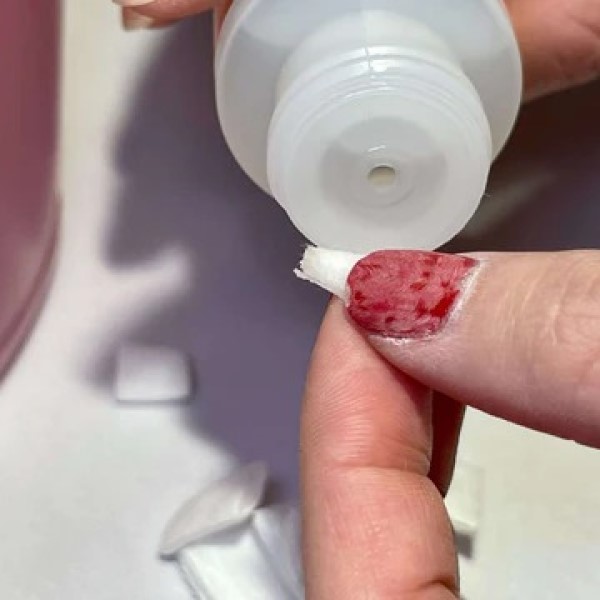
When considering does alcohol remove nail polish, it’s essential to recognize that alcohol contains solvent properties. Rubbing alcohol, also known as isopropyl alcohol, can dissolve certain compounds found in nail polish. However, its effectiveness will depend on the concentration of alcohol and the type of polish.
- Higher Concentrations: Alcohol with higher concentrations (such as 90% isopropyl alcohol) may work more effectively in breaking down the polish.
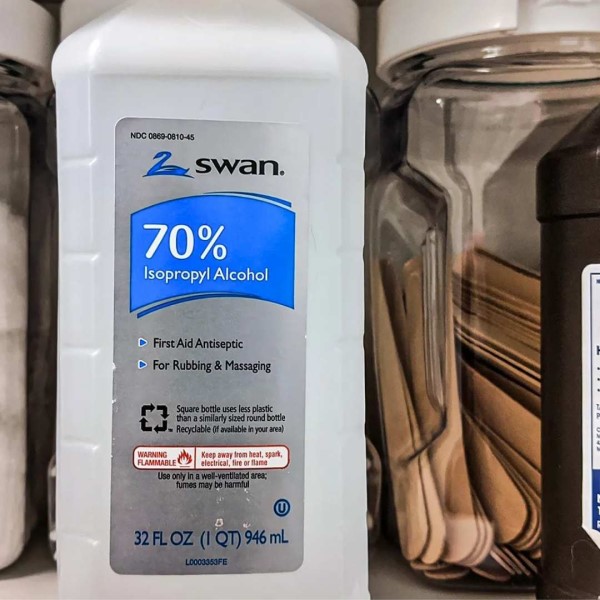
- Lower Concentrations: While 70% isopropyl alcohol can also dissolve polish, it often may take longer to achieve desired results.
Comparison to Traditional Removers
Traditional nail polish removers often contain acetone or non-acetone solvents to facilitate the removal of polish. Acetone is highly effective; however, it can be harsh on nail health and surrounding skin, leading to dryness and irritation.
Using alcohol as an alternative may provide a less potent solution that is less damaging to nails, but effectiveness might vary.
Alcohol as a Nail Polish Remover: Effectiveness and Considerations
Using Alcohol to Remove Nail Polish
If you decide to use alcohol to remove your nail polish, here are steps to follow:
- Gather Your Materials:
- You will need isopropyl alcohol (ideally at least 70% concentration), cotton balls or pads, and a small bowl.
- Soak the Cotton Ball:
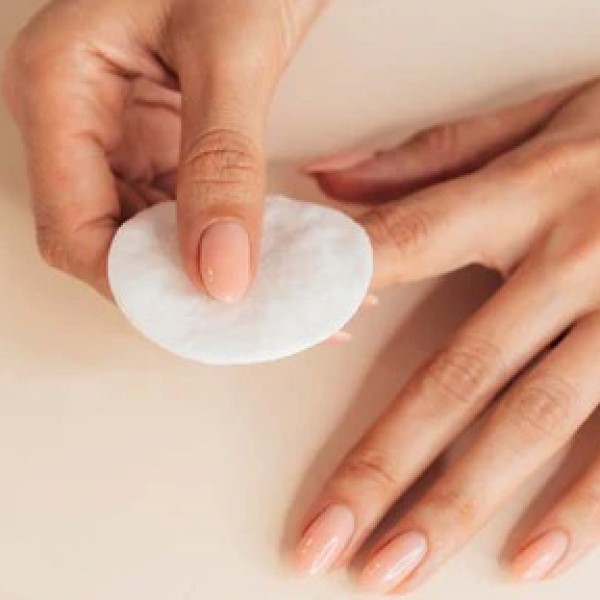
- Saturate a cotton ball or pad with isopropyl alcohol.
- Apply to the Nail:
- Press the soaked cotton against your nail and hold it in place for about 10-15 seconds. This allows the alcohol time to work on breaking down the polish.
- Wipe Away Polish:
- Gently swipe the cotton ball toward the tip of the nail. You may need to repeat this step several times for stubborn polish.
- Wash Your Hands:
- After removing the polish, wash your hands thoroughly with soap and water to remove any residual alcohol.
Pros and Cons of Using Alcohol
While utilizing alcohol to remove nail polish has benefits, it’s also essential to consider some drawbacks:
Pros:
- Less Harsh: Alcohol is generally less harsh compared to acetone removers, promoting healthier nails.
- Versatile: Many people have rubbing alcohol readily available, making it a convenient option.
Cons:
- Effectiveness: Alcohol may not be as effective as traditional removers, requiring more time and effort.
- Potential Drying Effect: Though less aggressive, using alcohol repeatedly can dry out the nails and surrounding skin.
Choosing whether to use alcohol will depend on personal preferences and desired outcomes.
Alternatives to Alcohol for Nail Polish Removal
Nail Polish Remover Options
If alcohol proves to be ineffective for your needs, consider these popular alternatives for nail polish removal:
- Acetone-Based Removers:
- Acetone removers work rapidly and efficiently dissolving even the most difficult nail polishes, including glitter formulas.
- Non-Acetone Removers:
- Though slightly less effective, non-acetone removers provide a gentler alternative for individuals with sensitive skin or nails. They contain ingredients such as ethyl acetate.
- Natural Alternatives:
- Some natural remedies involve using vinegar or lemon juice mixed with a carrier oil, such as olive oil. Though less potent, these options provide a chemical-free method for polish removal, albeit with varying results.
- DIY Solutions:
- Use a mixture of coconut oil and vinegar to help dissolve nail polish. This blend offers a gentler alternative, although it may require more effort to remove the polish completely.
By exploring various alternatives, you can find a method that best suits your needs while ensuring safe and effective removal of nail polish.
Why Alcohol May Not Be Enough for Stubborn Polishes
Effectiveness Against Different Types of Polish
While alcohol can effectively remove standard nail polish, some formulas prove more resistant:
- Glitter Polish: Glitter polish often contains larger particles, which can be more challenging to dissolve with alcohol. Specialized removers designed for glitter may save time and frustration.
- Gel or Acrylic Nails: For gel or acrylic nails, alcohol will not suffice. Removal typically requires specific techniques and products designed specifically for those types of polish.
Understanding Composition Varieties
The diversity of nail polish compositions means that no single remover will work flawlessly for every type. Users should assess the formula of their nail polish before deciding on the removal method.
FAQs About Nail Polish Removal
Does rubbing alcohol remove nail polish?
Yes, rubbing alcohol can remove nail polish due to its solvent properties, but it may not be as effective as acetone-based removers, particularly for glitter or stubborn formulas.
Does alcohol affect nail polish?
Alcohol can affect nail polish by weakening its bond to the nail and facilitating removal. However, overuse may lead to dryness of the nails and surrounding skin.
What is the easiest way to remove nail polish?
The easiest way to remove nail polish is to use an acetone-based nail polish remover. This method is quick and effective for most types of polish.
Can I use 70% alcohol for nails?
Yes, you can use 70% isopropyl alcohol to clean nail polish off nails. It may not be as fast-acting as higher concentrations, but it can effectively help in the removal process.
Conclusion: Making Informed Choices for Nail Care
In summary, knowing how to clean nail polish and whether does alcohol remove nail polish effectively is vital in maintaining nail hygiene. While alcohol serves as a potential alternative remover, its effectiveness may vary depending on the polish type.
Alternatives like acetone-based removers remain favorites among users for their quick action. However, if you prefer a gentler approach, natural solutions can also be effective for removing nail polish, though they might require extra effort.
By understanding the materials and methods available for nail polish removal, you can ensure a healthier nail care routine. Care for your nails properly, and enjoy beautifully manicured hands without unnecessary damage!