How to Clean Nail Clippers: Alcohol vs Bleach Method
Introduction: The Importance of Cleaning Nail Clippers
Maintaining nail clippers is essential for personal hygiene and overall health. Many individuals overlook this common grooming tool, neglecting to disinfect it regularly. When you wonder how to clean nail clippers, it’s crucial to consider both the cleaning method and the substances you use. With proper maintenance, you can prevent the spread of bacteria and fungi that thrive on your tools, especially after trimming nails.
In this article, we will explore two popular methods for cleaning nail clippers: using alcohol versus using bleach. Both cleaning agents have their merits, but understanding their differences and appropriate usage is vital for effective sanitization. By the end of this guide, you will be equipped with knowledge to clean your nail clippers thoroughly and safely, ensuring they remain in great condition for your grooming needs.
Why Cleaning Nail Clippers is Essential
Preventing Infections
One of the primary reasons to clean your nail clippers regularly is to prevent infections. Bacteria and fungi can thrive on unclean tools, especially after trimming nails, which may be harboring microorganisms.
Fungal Infections
- Toenail fungus and similar infections thrive in warm, moist environments, making personal grooming tools, such as clippers, a potential source of contamination.
- When nail clippers come into contact with an infected nail, fungal spores can cling to the clipper’s surface.
- If you then use the same clippers on healthy nails or skin, you risk transferring the fungus to those areas.
- Preventing this transfer involves regular cleaning and disinfecting of your nail clippers to eliminate any fungal spores that may remain after use.
- By being proactive, you can significantly reduce the chances of developing a fungal infection, keeping your nails healthy and free from infection.
Bacterial Growth
- Bacteria are omnipresent and can easily enter the body through small breaks or cuts in the skin.
- If your nail clippers are contaminated with bacteria, any minor abrasion during a manicure or pedicure could allow bacteria to enter.
- Once inside, bacteria can multiply rapidly, potentially leading to serious infections if not addressed promptly.
- To minimize this risk, disinfect your clippers after each use, especially if you have any cuts on your skin.
- Maintaining cleanliness helps ensure that your grooming tools do not become a breeding ground for bacteria, ultimately protecting your health and well-being.
By implementing a cleaning routine, you significantly reduce these risks and promote healthier nails.
Enhancing Tool Longevity
Regular cleaning not only ensures hygiene but also extends the life of your nail clippers. Built-up grime, dust, and nail debris can affect the tools’ performance and lead to corrosion.
- Prevention of Rust:
- Cleaning the clippers will keep moisture and debris from causing rust or other forms of damage.
- Improved Performance:
- Well-maintained clippers function better, providing clean cuts instead of ripping or tearing nails.
By taking the time to clean your clippers, you can enhance their effectiveness and longevity.
Alcohol Method: Advantages and Techniques
Understanding the Alcohol Cleaning Method
How to clean nail clippers? Cleaning nail clippers with alcohol is a straightforward approach that effectively disinfects and sanitizes. Isopropyl alcohol (rubbing alcohol) is widely used for this purpose due to its disinfecting properties.
- Quick Disinfection:
- Alcohol works rapidly, killing most bacteria and fungi upon contact.
- No Residue:
- Once dried, alcohol leaves no harmful residues that could affect your skin when using the clippers.
Step-by-Step Instructions
Follow these steps to clean your nail clippers using the alcohol method:
- Gather Your Materials:
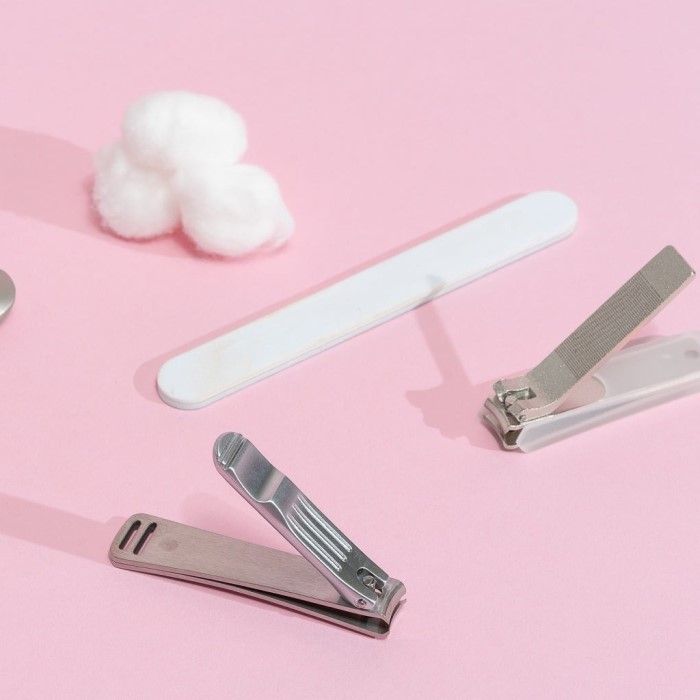
- You will need isopropyl alcohol (at least 70% concentration), cotton balls or pads, and a small bowl.
- Prepare the Cleaning Solution:
- Pour a small amount of isopropyl alcohol into the bowl.
- Soak the Cotton Ball:
- Dip a cotton ball or pad into the alcohol and ensure it is saturated but not dripping.
- Wipe the Clippers:
- Carefully wipe all surfaces of the nail clippers, including the blades and any hinges. Pay special attention to areas where nail debris may accumulate.
- Let it Air Dry:
- Allow the clippers to air dry completely. This step ensures that the alcohol kills any lingering microorganisms.
Using the alcohol method is efficient and effective, providing you with clean, disinfected nail clippers.
Bleach Method: Advantages and Techniques
Understanding the Bleach Cleaning Method
How to clean nail clippers? Bleach, specifically sodium hypochlorite, is a powerful disinfectant that is effective against a wide variety of pathogens. Although it is commonly used for cleaning and sanitizing surfaces, it can also be employed to disinfect nail clippers.
- Powerful Disinfectant:
- Bleach can kill a broad spectrum of bacteria, viruses, and fungi, making it a strong option.
- Dilution Required:
- Because bleach can be harsh, it needs to be diluted properly before use to avoid damaging the clippers.
Step-by-Step Instructions
Here’s how to clean your nail clippers using the bleach method:
Prepare Your Materials:
- Gather all necessary materials before you start the cleaning process.
- You will need household bleach, fresh water, a clean bowl, and a soft cloth to ensure effective cleaning and safe handling.
- Make sure the bowl is large enough to submerge the nail clippers completely for thorough disinfecting.
Create a Diluted Solution:
- In the bowl, mix one part household bleach with ten parts water to create a diluted bleach solution.
- Stir the mixture gently to ensure the bleach evenly disperses in the water.
- This specific dilution helps prevent damage to the clippers while still maintaining effective disinfecting capabilities against harmful bacteria and viruses.
Soak the Clippers:
- Carefully place the nail clippers into the bleach solution, ensuring they are fully submerged.
- Let the clippers soak in the solution for about 5-10 minutes.
- This duration allows the bleach to penetrate the surfaces of the clippers, effectively killing any harmful pathogens present.
Wipe the Clippers:
- After soaking, remove the clippers from the bleach solution using a pair of tongs or gloves to protect your hands.
- Wipe them down thoroughly with a soft cloth, ensuring you clean all surfaces, including the edges and any crevices.
- This step removes any leftover debris and ensures that the disinfecting process is effective.
Rinse Thoroughly:
- Rinse the nail clippers under running water to remove any bleach residue clinging to them.
- This step is crucial because prolonged exposure to bleach can corrode metal surfaces and affect the clippers’ functionality.
- Ensure that you rinse all areas of the clippers to eliminate any traces of the bleach solution.
Let it Air Dry:
- After rinsing, place the clippers on a clean, dry towel or a drying rack.
- Allow them to air dry completely before storing them away.
- This ensures that any remaining bleach residue evaporates, keeping your nail clippers safe for future use.
While effective, the bleach method should be used cautiously.
Which Method to Choose?
Comparing Alcohol and Bleach
Both alcohol and bleach methods offer distinct advantages when it comes to cleaning and disinfecting nail clippers. Here are some factors to consider when deciding which method to use:
- Speed of Action:
- Alcohol acts quickly and evaporates without leaving any significant residues.
- Strength of Disinfection:
- While both methods are effective, bleach provides broader-spectrum disinfection but may require more preparation and rinsing.
- Safety Considerations:
- Alcohol is generally safe for quick disinfection, while bleach can be harsh on metal surfaces if not diluted properly.
- Odor Concerns:
- Alcohol often has a more pleasant smell compared to the strong, pungent scent of bleach, which some users may find unpleasant.
Ultimately, the best choice depends on personal preferences and specific needs. Both methods can effectively clean nail clippers, ensuring they remain sanitary.
FAQs About Cleaning Nail Clippers
What should you use to clean nail clippers?
You can clean nail clippers using isopropyl alcohol or a diluted bleach solution. Each option has unique properties that effectively disinfect and sanitize.
What kills fungus on toenail clippers?
To effectively kill fungus, both bleach and isopropyl alcohol are effective. Rubbing alcohol works quickly and is easy to use, while diluted bleach provides strong disinfection.
Does alcohol disinfect nail clippers from fungus?
Yes, isopropyl alcohol can effectively disinfect nail clippers and eliminate fungi, bacteria, and other pathogens. A concentration of at least 70% is recommended for optimal effectiveness.
Conclusion: Mastering Nail Clipper Hygiene
In conclusion, understanding how to clean nail clippers is essential for maintaining good personal hygiene and preventing infections. Whether you choose the alcohol method for quick disinfection or the bleach method for deeper cleaning, regular maintenance of your grooming tools is vital.
By following the outlined steps, you ensure that your nail clippers remain sanitized and safe for use. Implement these cleaning practices into your personal care routine, and you will enjoy a healthier grooming experience. The next time you pick up your nail clippers, rest assured that they are clean and ready for use!