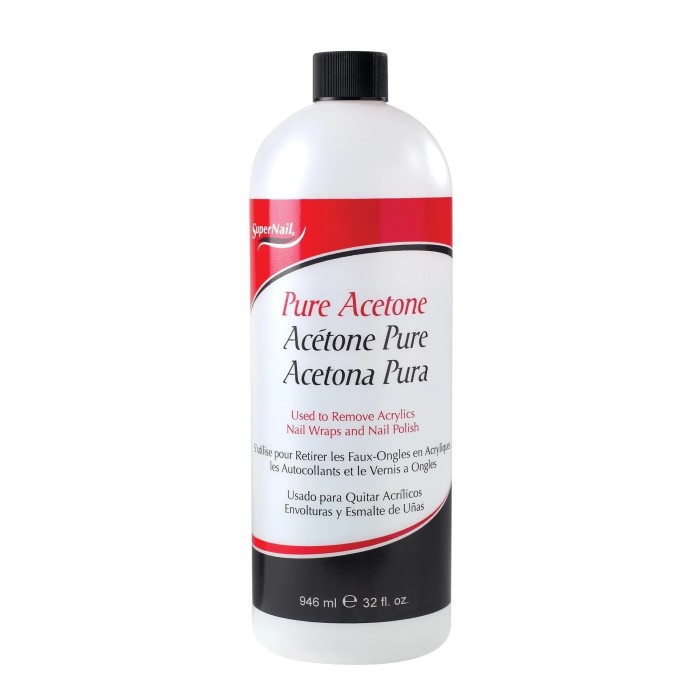
Is Acetone Nail Polish Remover Safe? Tips for Safe Usage
Contents
hide
Introduction: Understanding Acetone Nail Polish Remover
Many people frequently use acetone nail polish remover as a quick and effective solution for removing nail polish. However, a common question arises: “Is acetone nail polish remover safe?” The answer isn’t straightforward. While acetone is known for its efficiency in dissolving nail polish, it comes with potential risks. This article will explore the safety of acetone nail polish remover, how to use it safely, and alternative options you might consider. Equipped with this knowledge, you can make informed choices regarding your nail care routine.
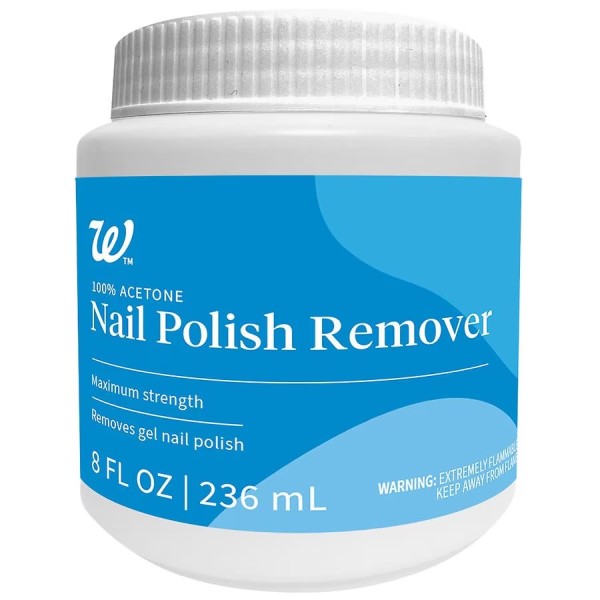
What is Acetone?
Acetone is a common organic compound. It is a colorless liquid with a distinctive smell. Acetone is widely used in industries and households. It is a solvent, making it effective for dissolving various substances.
Chemical Properties of Acetone
Acetone has unique chemical features. Its molecular formula is C3H6O. It evaporates quickly due to its volatility. It is miscible with water, alcohol, and other solvents. Acetone has low boiling and melting points, which aid its usage in various applications. Additionally, it is flammable, so proper handling is crucial.
Common Uses of Acetone
Acetone serves multiple purposes across industries. It is widely used as a solvent in cleaning and thinning paints. In cosmetics, acetone is key to removing nail polish. Laboratories use it for cleaning equipment. It is also utilized in manufacturing plastics and some synthetic fibers. Acetone’s versatility makes it indispensable in everyday products and practices.
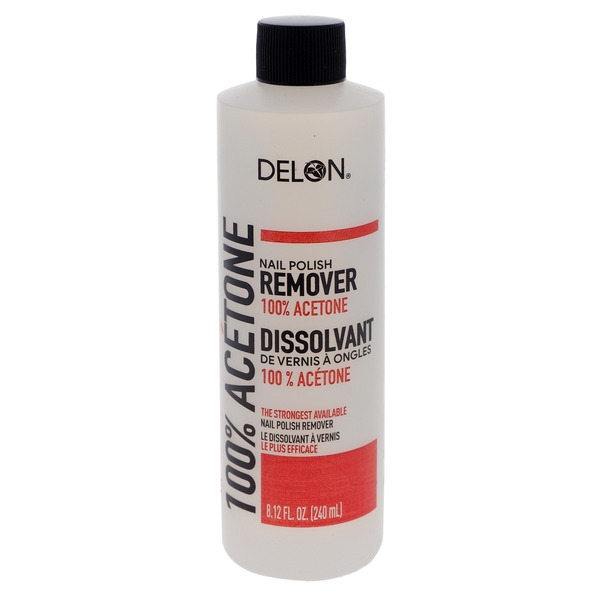
How Does Acetone Work in Nail Polish Removal?
Acetone is widely used in nail polish removers due to its powerful solvent properties. It efficiently breaks down the components of nail polish, making it easy to remove. Understanding the process helps explain why acetone is often the go-to choice for this task.
Process of Dissolving Nail Polish
Nail polish consists of resins, plasticizers, and coloring agents that form a durable coating. Acetone, being a strong solvent, works by breaking the bonds between these components. When acetone comes into contact with nail polish, it dissolves the film quickly. This allows the polish to lift from the nail surface, enabling easy removal with minimal effort. The process is usually fast due to acetone’s high volatility, which aids its efficiency.
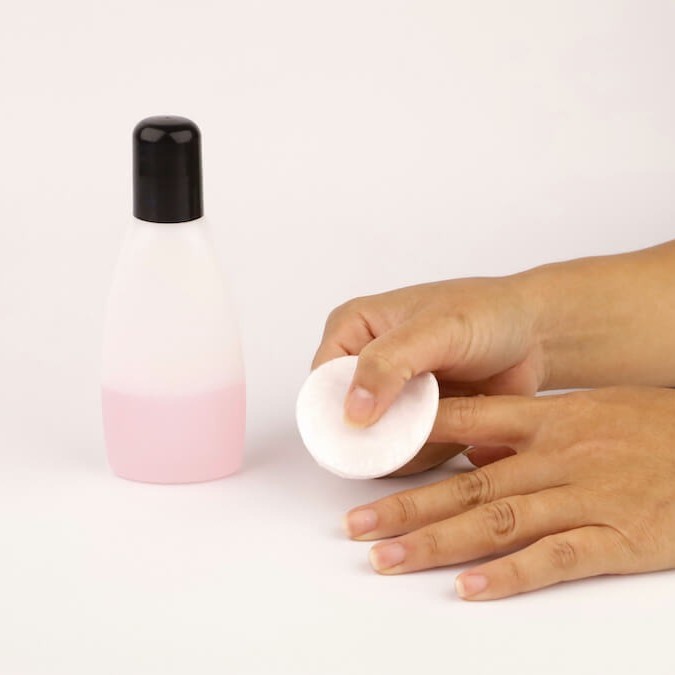
To remove nail polish, you typically saturate a cotton ball or pad with acetone. Press it against the nail for about 20-30 seconds. This gives the acetone time to break the polish bonds effectively. Then you wipe off the polish with the cotton pad. It usually takes just a few swipes unless the polish is thick or has glitter.
Why Acetone is Preferred Over Other Alternatives
Acetone is preferred in nail polish removal for several reasons. Firstly, it removes nail polish faster than non-acetone alternatives. Its strong dissolving power lets it tackle even stubborn nail polishes, including gel or glitter ones. This saves time and energy compared to other options.
Secondly, acetone is widely available and affordable. It can be found in most pharmacies or stores. Non-acetone removers often struggle with thick or high-resistance polish types, while acetone works on almost any nail polish type.
However, acetone can dry out nails and skin. It strips natural oils, causing dryness. Non-acetone removers are gentler but may require more effort and time. Knowing the benefits and drawbacks will help you decide what works best for your needs.
Safety Concerns with Acetone-Based Nail Polish Remover
Using acetone-based nail polish remover comes with some safety concerns. It’s essential to understand these risks to make informed choices. While effective, acetone can have adverse effects, especially with frequent use.
Possible Risks to Skin and Nails
Prolonged use of acetone on nails can cause significant dryness. It strips natural oils from the nails and skin, making them brittle. This can lead to weak, peeling nails that are more prone to breakage. Additionally, acetone can irritate the skin around the nails, causing redness, itching, or a burning sensation.
Sensitive skin types may experience more severe reactions, such as dryness and peeling. Regular use can also lead to the skin becoming more prone to irritation over time. The cuticles may suffer damage, which can weaken the natural nail bed. Ensuring proper hydration and limiting exposure can help mitigate these effects.
Impact on Overall Health
Inhaling acetone over time may cause minor health concerns. These include dizziness, headaches, or nausea. This happens because of acetone’s strong fumes when used in poorly ventilated areas.
Direct contact with acetone can also harm if exposed over an extended period. It can lead to possible skin disorders or worsen existing skin conditions. People with respiratory conditions, like asthma, should take extra care. Acetone fumes can exacerbate breathing difficulties in such cases.
Ingesting acetone, though unlikely, can cause severe complications, including damage to internal organs. It is crucial to store acetone-based products away from children and pets to prevent accidents.
Understanding these potential risks is vital to using acetone safely. Reducing overexposure and taking preventive measures can help maintain healthy skin and nails.
Comparing Acetone vs. Non-Acetone Nail Polish Removers
When choosing a nail polish remover, understanding the differences between acetone and non-acetone options is crucial. Both types have their advantages and limitations, depending on your needs and skin type.
Pros and Cons of Acetone Removers
Pros:
- Fast and Effective: Acetone removers work quickly to dissolve nail polish.
- Stubborn Stains: They effectively remove tough polishes like glitter and gel.
- Readily Available: Acetone-based removers are affordable and widely sold in most stores and pharmacies.
Cons:
- Drying Effect: Acetone can strip natural oils from nails and skin, causing dryness.
- Skin Irritation: Prolonged use can lead to redness, burning, or cracking of the skin.
- Strong Fumes: Acetone has a strong odor, which can lead to headaches or dizziness if inhaled.
Benefits of Non-Acetone Alternatives
Non-acetone nail polish removers offer a milder option for removing polish. They use solvents like ethyl acetate or isopropyl alcohol instead of acetone.
Key Benefits:
- Gentler on Skin: Non-acetone removers do not dry out the skin or nails as much.
- Safer for Sensitive Skin: These removers are less likely to cause irritation or redness.
- Suitable for Kids: They are safer for younger users or those with fragile nails.
However, non-acetone removers work slower and may require more effort to remove certain polishes. They also might not be as effective on gel or glitter nail polish.
Knowing the pros and cons of acetone and non-acetone nail polish removers helps you make an informed choice. Consider your needs, nail type, and frequency of use when deciding the best option. Balancing efficiency and skin care is key to safe and effective nail polish removal.
Tips for Safe Use of Acetone Nail Polish Remover
Is acetone nail polish remover? Using acetone nail polish remover safely is important to avoid skin irritation or other health concerns. Understanding proper usage can protect you from its potential risks.
How to Minimize Skin Irritation
- Limit usage frequency: Avoid using acetone frequently to prevent dryness and irritation on nails and skin.
- Apply protective lotions: Use a moisturizing lotion or cuticle oil after nail polish removal to rehydrate skin.
- Avoid excessive contact: Do not soak nails for long periods. This reduces exposure to acetone.
- Check for sensitivity: Perform a patch test to ensure your skin doesn’t react negatively to acetone.
- Wear gloves for protection: When using acetone for cleaning tasks, wear gloves to avoid direct skin contact.
- Keep nails healthy: Regularly trim and care for nails to maintain their health.
Proper Ventilation During Use
- Work in open spaces: Use acetone nail polish remover in a well-ventilated area to reduce fume exposure.
- Use fans or open windows: Increase airflow in the room to decrease fume concentration and improve air quality.
- Avoid enclosed spaces: Do not use acetone-based products in small or poorly ventilated areas.
- Limit inhalation: Keep your face and nose away from the acetone fumes as much as possible.
- Take breaks: If using acetone for extended periods, take breaks to step into fresh air.
By taking these precautions, you can use acetone nail polish remover safely while preserving your health. Minimize risks by hydrating your skin and using acetone in safe environments. Proper practices help ensure effective and safe nail polish removal.
Alternatives to Acetone Nail Polish Remover
Is acetone nail polish remover? Acetone nail polish remover is effective but can have drawbacks like nail dryness or irritation. Alternatives offer gentler options for people concerned about the negative impacts of acetone.
Natural and DIY Solutions
Natural and homemade solutions are safer choices for those avoiding acetone-based removers. Although they may take more effort, these options protect your nails and skin from harsh chemicals.
- White Vinegar and Lemon Juice: Combine equal parts white vinegar and fresh lemon juice. Soak your nails for 15–20 minutes and wipe off the polish using a cotton pad.
- Rubbing Alcohol: Apply rubbing alcohol on a cotton ball and rub it gently on your nails to remove the polish. It’s less drying than acetone but requires slightly more scrubbing.
- Toothpaste: Non-gel toothpaste with baking soda can effectively remove nail polish. Apply a small amount and rub with a toothbrush.
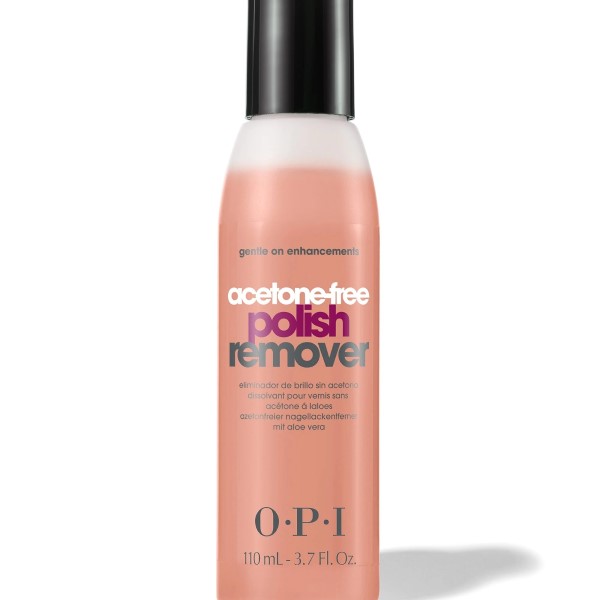
- Acetone-Free Nail Polish Removers: Some brands sell nail polish removers made with natural oils and gentler solvents. These are less likely to harm nails or skin.
DIY solutions can take longer but are less harmful for nails and surrounding skin. If you have sensitive skin or brittle nails, these alternatives are worth considering.
Commercial Non-Acetone Products
Commercial non-acetone nail polish removers are another great alternative. These are formulated to remove polish without the aggressive drying effects of acetone.
- Ethyl Acetate-Based Removers: These products are effective for regular polish, though less so for gel or glitter. They are softer on nails and skin.
- Soy-Based Removers: Enriched with conditioning agents like vitamins and natural oils, soy-based removers nourish nails while removing polish.
- Water-Based Removers: These contain water and gentle solvents, making them excellent for sensitive skin types.
Using non-acetone products may require more time and effort but are kind to your nails. Always check for ingredient labels to choose options suitable for your nail type.
Natural, DIY, and commercial alternatives to acetone offer solutions that are safer and potentially more nourishing. Selecting the best option depends on your personal preferences and the type of polish on your nails.
When to Avoid Using Acetone-Based Products
Is acetone nail polish remover? Acetone-based products are effective but may not be suitable for everyone. Certain situations and symptoms signal when it’s best to avoid their use.
Special Situations to Consider
- Sensitive Skin Conditions: If you have eczema or psoriasis, avoid acetone. It may worsen irritation.
- Dry or Brittle Nails: Acetone can strip natural oils, leading to further dryness and damage.
- Pregnancy: Pregnant individuals should limit acetone exposure due to potential sensitivities.
- Children’s Use: Avoid using acetone-based products on children to protect their delicate skin and nails.
- Allergies to Acetone: If you have a known allergy to acetone, use alternatives for nail polish removal.
- Frequent Usage Needs: For those with high nail care needs, opt for gentler alternatives.
In these scenarios, non-acetone or natural options may be better choices. They are safer and less harsh.
Signs of Overexposure or Allergic Reaction
Overexposure to acetone can cause specific symptoms. Stop use immediately if you experience any of these:
- Severe Dryness: Persistent rough or flaky skin on and around your nails.
- Redness or Swelling: Irritated skin, redness, or puffiness near the nail beds.
- Burning Sensation: A stinging or tingling feeling on your skin.
- Rashes: Appearance of hives or red patches after using acetone.
- Dizziness or Headache: Strong fumes can affect sensitive individuals in poorly ventilated spaces.
- Difficulty Breathing: Fumes may worsen asthma or respiratory conditions.
If these symptoms occur, cease use and consult a medical professional. Future nail care routines should avoid acetone. Select alternatives like non-acetone nail polish removers or natural solutions for a healthier experience.
By staying alert to these signs and situations, you can avoid potential health risks. Protect your skin and nails with safe, suitable options for polish removal.
Conclusion: Is Acetone Nail Polish Remover Safe?
Is acetone nail polish remover? In conclusion, acetone nail polish remover can be safe for use when proper precautions are upheld. Understanding the properties of acetone, its potential risks, and how to use it responsibly will help you maintain healthy nails while enjoying effective polish removal. By employing safe usage tips and exploring alternative products, you can cater your nail care routine to best suit your needs. Always prioritize your own comfort and health while navigating product choices and practices. Embrace the knowledge you’ve gained from this guide and apply it to elevate your nail care routine today!