Risk Factors: Does Olmesartan Cause Hair Loss in Patients?
Introduction: Understanding Olmesartan
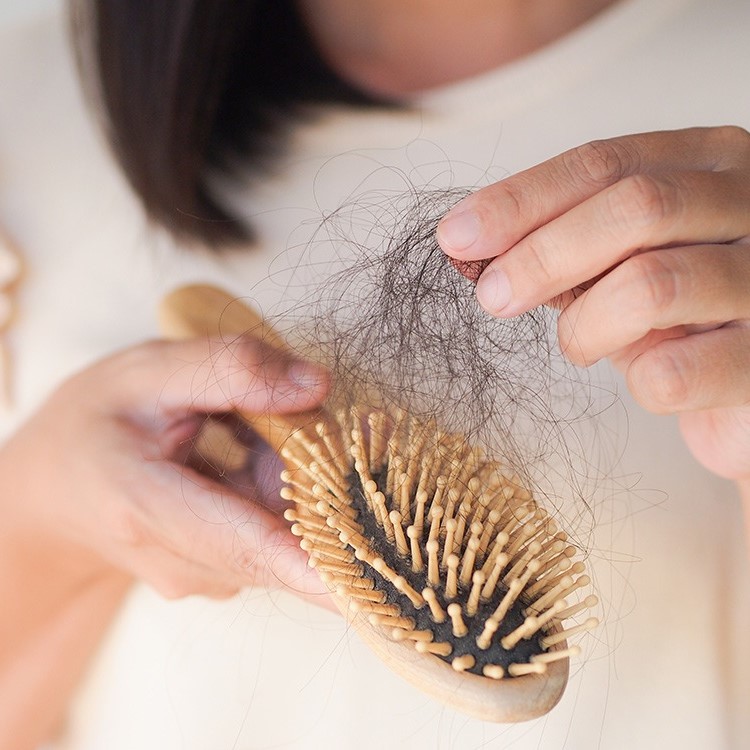
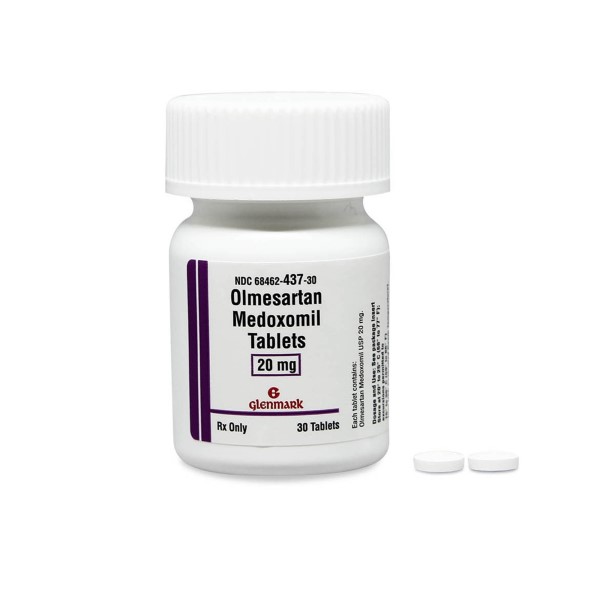
Olmesartan is an antihypertensive medication belonging to the class of angiotensin II receptor blockers (ARBs).It is commonly prescribed to manage high blood pressure (hypertension) and can help lower the risk of heart attacks and strokes. Patients often wonder about the side effects of medications they take, leading many to inquire, “does olmesartan cause hair loss?” While some patients report experiencing hair loss during treatment, understanding the connection between olmesartan and hair loss is essential for making informed healthcare decisions.

In this article, we will explore the relationship between olmesartan and hair loss, discuss potential risk factors, and provide insights into this medication’s side effects. We will also provide answers to frequently asked questions to help better inform patients.
The Link Between Olmesartan and Hair Loss
- Reported Cases: Does olmesartan cause hair loss? There have been anecdotal reports of hair loss among patients taking olmesartan. However, it’s essential to differentiate between correlation and causation.
- Understanding Hair Loss: Hair loss can result from various factors, including genetics, hormonal changes, nutritional deficiencies, and stress. For patients on olmesartan, it’s crucial to consider whether other factors may influence their hair health rather than attributing it solely to the medication.
- Pharmacological Mechanism: Though the exact mechanism by which olmesartan operates involves blocking the angiotensin II receptor to lower blood pressure, there is no well-documented pharmacological explanation directly linking this process to hair loss. More research is necessary to establish this connection.
Factors Contributing to Hair Loss
Genetic Predisposition
- Understanding Genetic Factors: Some individuals carry a genetic predisposition to hair loss, a condition commonly referred to as androgenetic alopecia. This hereditary condition influences the likelihood of experiencing hair thinning or baldness.
- Family History Significance: If a patient has a family history of hair loss, it is important to consider this background when evaluating the causes of their hair loss. Medications like olmesartan may not necessarily be the primary factor if there is a strong hereditary component.
- Identifying Patterns: Recognizing patterns of hair loss within the family can provide insights into whether genetic factors are more significant than medication in contributing to the patient’s condition.
Hormonal Changes
- Impact of Hormonal Fluctuations: Hormonal changes, particularly in women, can have a profound effect on hair health. Events like pregnancy, menopause, or hormonal imbalances can trigger significant hair shedding.
- Menopause Effects: During menopause, the body experiences a drop in estrogen levels, which can lead to thinning hair. These hormonal shifts may have a more notable impact on hair loss than medications like olmesartan.
- Thyroid Imbalances: Thyroid disorders, both hypothyroidism and hyperthyroidism, can also result in hair loss. Patients experiencing unexplained thinning should consider having their hormone levels evaluated to identify underlying issues beyond medication effects.
Nutritional Deficiencies
- Role of Nutrition in Hair Health: A well-balanced diet is essential for maintaining healthy hair. Deficiencies in critical nutrients can contribute to hair thinning and loss.
- Essential Nutrients: Key nutrients that play a role in hair health include iron, zinc, biotin, and vitamins A, C, D, and E. A lack of these nutrients can hinder hair growth and strength, potentially exacerbating hair loss.
- Diet Evaluation: Patients should assess their overall diet and nutritional intake, particularly if they are noticing increased hair loss. Addressing any deficiencies can be an important part of managing hair health alongside medication.
Stress Factors
- Understanding Stress and Hair Loss: Stress is a significant contributor to hair loss, and it can manifest in various forms, impacting hair growth cycles. Both emotional and physical stress can trigger hair-related issues.
- Telogen Effluvium: One common condition associated with stress is telogen effluvium, which leads to excessive shedding of hair during times of stress. This condition is typically temporary but can be alarming for those experiencing it.
- Managing Stress: Employing stress management techniques, such as mindfulness, exercise, or therapy, can play a vital role in mitigating hair loss. Patients should consider their stress levels as a potential factor affecting their hair health.

Evaluating the Risks of Hair Loss with Olmesartan
- Clinical Guidance: Patients concerned about potential hair loss should discuss their concerns with their healthcare provider. Doctors can provide insight into whether their medication or other factors may be at play, along with recommendations for managing side effects.
- Monitoring Changes: Keeping track of any hair loss or changes experienced after starting olmesartan is essential. Patients should document when the changes occur and possible correlations to better understand their situation.
- Consult a Dermatologist: If hair loss is significant or persistent, seeking advice from a dermatologist specializing in hair and scalp health may prove beneficial. They can offer tailored recommendations based on individual circumstances.
Managing Potential Side Effects
Regular Check-Ins
- Importance of Ongoing Communication: Does olmesartan cause hair loss? Engaging in regular check-ins with healthcare providers is crucial for tracking the effectiveness of olmesartan in managing health conditions, such as hypertension.
- Monitoring Side Effects: These appointments allow healthcare professionals to monitor any side effects that may arise from the medication. By addressing these impacts promptly, adjustments to the treatment plan can make to enhance patient comfort and health outcomes.
- Patient Voice and Concerns: An open dialogue between patients and providers is essential. It gives patients the opportunity to voice any concerns regarding their treatment, including any new symptoms or changes in their health status.
- Adjustments to Treatment Plans: If side effects are identified or if the medication does not seem to be as effective as desired. Healthcare providers can make appropriate adjustments to the treatment plan. Such as changing the dosage or considering alternative medications.

Consider Lifestyle Changes
- Promoting Overall Health: Patients encouraged to adopt a healthy lifestyle. As this can significantly influence their overall health and enhance the effects of medications like olmesartan.
- Balanced Diet: A well-rounded diet that includes a variety of nutrients not only supports general well-being but also positively impacts specific health areas, such as hair growth and strength.
- Regular Exercise: Engaging in consistent physical activity can improve blood circulation, reduce stress levels. And enhance overall vitality, which all contribute to better hair health and resilience.
- Stress Management Practices: Implementing effective stress management techniques. Such as mindfulness, yoga, or hobbies, can help reduce the impact of stress on the body. Managing stress effectively plays a key role in maintaining not only mental health but also physical aspects like hair integrity.
Supplements and Vitamins
- Nutritional Consultation: Consulting with a nutritionist can provide tailored guidance on diet and the potential incorporation of supplements to bolster hair health and overall nutrition.
- Essential Nutrients for Hair: Certain vitamins and minerals are critical for maintaining strong and healthy hair. Nutrients such as biotin, iron, zinc, and vitamins A, C, D, and E have been linked to improved hair health.
- Personalized Dietary Changes: A nutritionist can help patients identify specific dietary changes that may be beneficial for their individual needs, promoting optimal nutrient intake for hair and body wellness.
- Supplement Considerations: Exploring the addition of supplements under professional guidance can ensure that patients address any deficiencies effectively, supporting hair health alongside other health goals.
FAQs: Understanding Olmesartan and Hair Health
Which blood pressure pills cause hair loss?
While hair loss can occur with various blood pressure medications, including certain diuretics and beta-blockers, the connection is less clear with ARBs like olmesartan. Individual reactions can vary greatly, so it’s essential to discuss any concerns with your healthcare provider.
What vitamins should not be taken with olmesartan?
Generally, no specific vitamins or supplements are known to interact negatively with olmesartan. However, patients should consult their healthcare provider before starting any new vitamins or supplements to ensure safety and avoid interactions.
Can I take olmesartan with meloxicam?
Olmesartan and meloxicam can be taken together; however, patients should always consult their healthcare provider before combining medications. Monitoring for any potential side effects and interactions is essential.
Can I take olmesartan and Diltiazem together?
The combination of olmesartan and Diltiazem may be prescribed under certain circumstances. But as with all medications, it’s vital to follow your doctor’s instructions. Patients should keep open communication regarding their blood pressure management and any side effects experienced.
Conclusion: Making Informed Decisions About Olmesartan
In summary, understanding does olmesartan cause hair loss requires considering various factors and consulting healthcare professionals. While some patients report experiencing hair loss during treatment, the evidence linking olmesartan directly to this side effect remains sparse. Recognizing the multifaceted nature of hair loss and addressing lifestyle factors, genetic predispositions, and nutritional needs are vital parts of the conversation.
Patients should maintain open communication with their healthcare providers, actively monitor any changes, and seek advice for management. By being informed and proactive, individuals can effectively navigate their health and make decisions that align with their well-being. Ultimately, finding a treatment regimen that balances blood pressure management while considering any side effects—including potential hair loss—is essential for overall health and quality of life.