Understanding the Link: Does Meloxicam Cause Hair Loss?
Introduction: Exploring Meloxicam and Hair Health
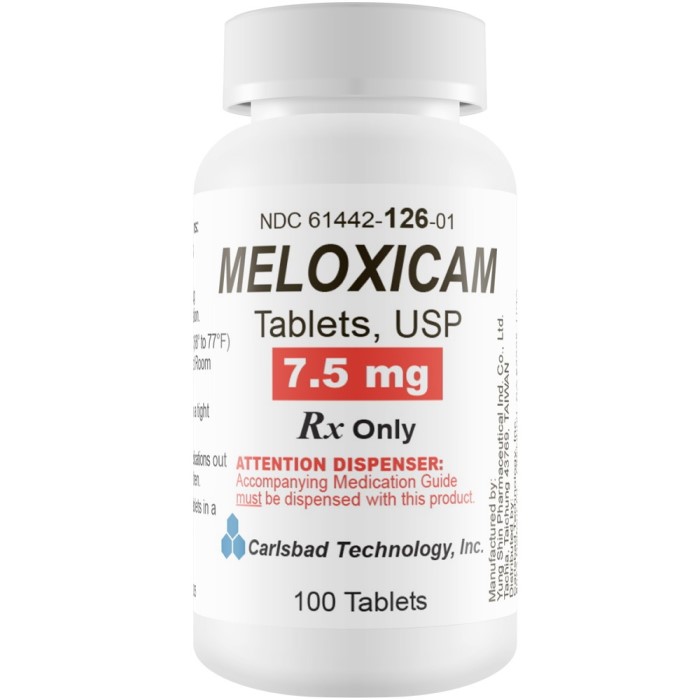
Meloxicam is a commonly prescribed nonsteroidal anti-inflammatory drug (NSAID) used to relieve pain and inflammation in conditions like arthritis. As patients become more informed about their medications, many find themselves wondering does meloxicam cause hair loss? This concern is prevalent among individuals who experience changes in their body while on medication.
In this article, we will investigate the relationship between meloxicam and hair loss, providing a thorough understanding of possible side effects, risk factors, and the science behind the symptoms. By the end of this discussion, readers will have a better grasp of the nuances surrounding meloxicam and its effects on hair health.
The Role of Meloxicam in Pain Management
- Understanding Meloxicam: Meloxicam is an NSAID that works by inhibiting the production of prostaglandins, chemicals in the body responsible for inflammation and pain. It’s effective for treating conditions like osteoarthritis and rheumatoid arthritis, providing relief for those suffering from chronic pain.
- Common Prescriptions: Healthcare providers often prescribe meloxicam due to its effectiveness and relatively favorable side effect profile compared to other NSAIDs. It is typically taken orally and can make a significant difference in a patient’s quality of life.
- Importance of Monitoring Effects: While meloxicam is beneficial for managing pain, its effects on the body can vary among individuals. Monitoring side effects, including any changes in hair health, is vital for managing overall well-being.
Does Meloxicam Cause Hair Loss?
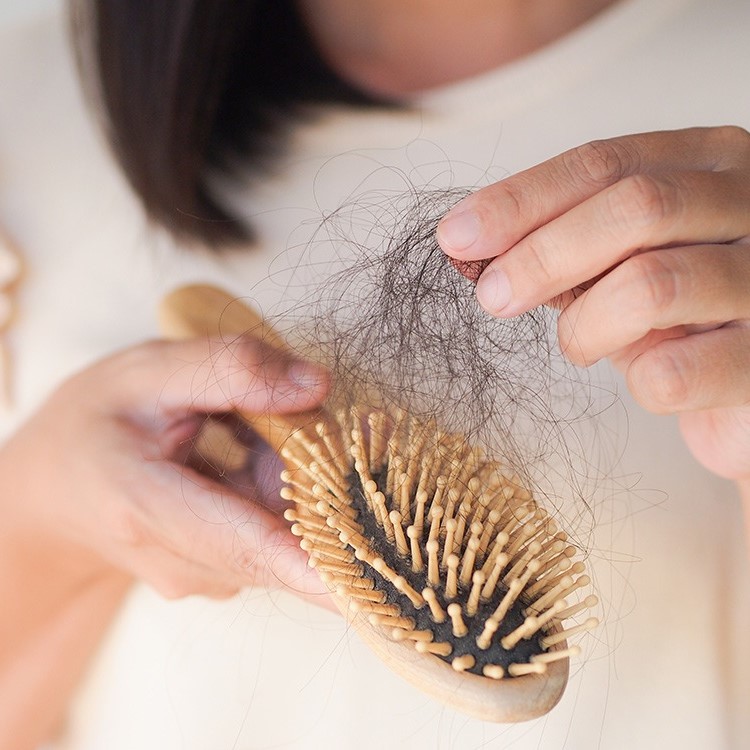
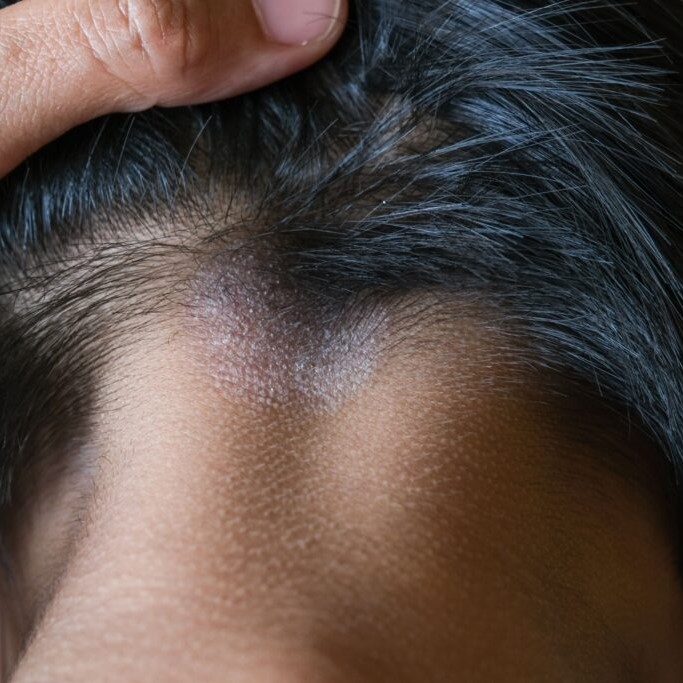
- Investigating Reported Cases: Some patients report experiencing hair loss or thinning while on meloxicam. However, it’s crucial to understand that hair loss is a complex issue. Many factors can contribute to this issue, including genetics, stress, hormonal changes, or underlying health conditions.
- Lack of Strong Evidence: Scientific literature on the direct causation of hair loss attributed to meloxicam is limited. While some individuals may observe hair changes, establishing a direct link between the medication and hair loss is more complicated.
- Individual Reactions Vary: Each person responds differently to medications. For some, meloxicam may have no impact on hair health, while others might experience shedding. Understanding personal health history and genetics can clarify these responses.

Other Factors Influencing Hair Health
General Health and Lifestyle
- Influence of Overall Well-Being: The health of your hair is closely tied to your general health and lifestyle choices. Factors such as nutrition, exercise, and mental well-being all play a critical role in maintaining healthy hair.
- Nutritional Impact: Inadequate nutrition can lead to deficiencies in essential vitamins and minerals that are vital for hair growth. Without proper nutrients, hair may become weak, leading to thinning and increased shedding.
- Stress Levels: High levels of stress can significantly impact hair health, often resulting in conditions such as telogen effluvium, which causes temporary hair loss. Managing stress through relaxation techniques can help mitigate its effects on hair.
- Lifestyle Choices: Choices such as smoking, excessive alcohol consumption, and lack of physical activity can negatively affect hair health. A holistic approach focusing on a healthy lifestyle can contribute positively to hair growth and strength.
Hormonal Changes
- Impact of Hormonal Fluctuations: Hormonal changes, such as those experienced during pregnancy, menopause, or due to thyroid imbalances, can profoundly affect hair growth cycles and patterns.
- Pregnancy Effects: During pregnancy, fluctuating hormone levels can cause hair to enter a prolonged growth phase, but post-pregnancy, women may experience hair shedding as hormones stabilize.
- Thyroid Imbalances: Conditions like hypothyroidism or hyperthyroidism can disrupt normal hair growth cycles, leading to hair thinning or loss. These changes can occur independently of medication use.
- Menopause Considerations: Women undergoing menopause often experience hormonal shifts that may accelerate hair thinning. While use of medications like meloxicam may coincide with these changes, they are not a direct cause of hair loss.
Age and Genetics
- Age-Related Hair Changes: As individuals age, natural hair thinning and loss often occur due to the aging process. This can be exacerbated by lifestyle factors such as poor nutrition or lack of proper hair care.
- Genetic Predisposition: Family history plays a significant role in hair loss. If there is a genetic tendency towards hair thinning or baldness, individuals may experience changes in hair density and health regardless of external factors, including medication.
- Independence from Medication: Hair changes related to age or genetics can occur independently of the use of medications like meloxicam. It’s essential to differentiate between medication side effects and natural biological processes affecting hair health.
- Holistic Perspective: Understanding that hair health is influenced by a combination of factors—including genetics, age, hormonal changes, and lifestyle—can help in developing a comprehensive approach to maintaining healthy hair.

Managing Hair Health While Taking Meloxicam
Nutritional Considerations
- Importance of a Well-Balanced Diet: Maintaining a well-balanced diet that is rich in essential vitamins and minerals is crucial for supporting healthy hair. A nutritious diet not only fuels the body but also directly impacts hair growth and health.
- Consequences of Nutritional Deficiencies: Nutritional deficiencies can lead to various health issues, including hair loss. Ensuring adequate intake of key nutrients can help prevent hair thinning and support overall well-being.
- Key Nutrients for Hair Health: Focus on including foods that are high in the following essential nutrients:
- Protein: Hair is primarily made of keratin, a type of protein, so including lean meats, fish, eggs, legumes, and dairy can promote strong hair growth.
- Vitamin A: This vitamin supports the production of sebum, which moisturizes the scalp and promotes healthy hair growth. Foods rich in vitamin A include carrots, sweet potatoes, and greens.
- Vitamin C: An essential antioxidant that aids in collagen production; it helps strengthen hair. Citrus fruits, berries, and bell peppers are excellent sources.
- Vitamin E: Supports healthy circulation in the scalp and is found in nuts, seeds, and spinach, contributing to overall hair health.
- Iron: Plays a vital role in delivering oxygen to hair follicles, and its deficiency can contribute to hair loss. Lean meats, beans, and lentils are good sources of iron.
- Omega-3 Fatty Acids: Essential fatty acids, found in fatty fish like salmon, flaxseeds, and walnuts, can promote scalp health and prevent dryness.
Gentle Hair Care Practices
- Adopting Gentle Hair Care Routines: Patients who are experiencing hair loss should implement gentle hair care practices to minimize further damage and stress to their hair.
- Using Sulfate-Free Shampoos: Choose shampoos that are sulfate-free, as sulfates can strip hair of natural oils and contribute to dryness and breakage. Gentle, moisturizing shampoos can help maintain hair health.
- Avoiding Heat Styling Tools: Limit the use of heat styling tools such as blow dryers, curling irons, and straighteners. Excessive heat can damage hair structure and lead to further thinning. If styling is necessary, use the lowest heat setting and apply heat protectant products.
- Gentle Handling: Avoid harsh brushing or pulling on the hair, especially when it is wet, as this can lead to breakage. Instead, use wide-toothed combs and minimize friction.

Monitoring and Discussion
- Importance of Monitoring Hair Loss: If patients notice changes in their hair, such as increased thinning or shedding, it is essential to actively monitor these symptoms.
- Discussion with Healthcare Provider: It’s important to discuss any concerns about hair loss with a healthcare provider, especially if it occurs while taking medications like meloxicam. Open communication can lead to valuable insights and assistance.
- Evaluating Medication Effects: The healthcare provider can assess whether meloxicam, or its dosage, might be contributing to hair loss. They may conduct evaluations to rule out other potential causes.
- Considering Alternatives: If meloxicam is determined to be a contributing factor, the healthcare provider can suggest possible alternatives or additional treatments to manage both the underlying condition and hair health effectively.
FAQs About Meloxicam and Hair Loss
Does meloxicam affect your hair?
While some patients may report changes in hair health, direct evidence linking meloxicam to hair loss is limited. Each individual may experience different reactions based on their health and genetic predispositions.
What’s the most common side effect of meloxicam?
The most common side effects of meloxicam include gastrointestinal issues such as stomach pain, gas, and nausea. Hair loss is not classified as a primary side effect but can occur in some individuals.
How much weight do you gain on meloxicam?
Weight gain is not a common side effect of meloxicam. However, individuals may experience fluid retention or swelling, which can impact weight. It’s essential to discuss any weight-related concerns with your healthcare provider.
Can I take meloxicam with metoprolol?
Generally, meloxicam and metoprolol can be prescribed together, but it’s crucial to consult your healthcare provider. Monitoring interactions and side effects is essential to ensure safe and effective treatment.
Conclusion: Understanding Hair Loss with Meloxicam
In conclusion, the question does meloxicam cause hair loss remains a topic of interest and concern for many patients. While some individuals may experience hair thinning or loss during their treatment, direct causation is not well-established. Understanding the role of hormonal changes, genetics, and lifestyle factors is critical in addressing these concerns.
If you notice changes in your hair health while taking meloxicam, open communication with your healthcare provider is essential. By being proactive and informed, you can effectively manage your treatment and overall well-being. Embracing healthy lifestyle choices and maintaining a balanced diet can further support hair health. As always, staying informed and monitoring your health is key to achieving a successful treatment journey.