Does Psoriasis Cause Hair Loss? Signs, Causes, and Treatments
Contents
hide
Understanding Psoriasis and Hair Loss
Psoriasis is a chronic autoimmune condition characterized by rapid skin cell reproduction, leading to red, scaly patches on the skin. One common query is, does psoriasis cause hair loss? Many individuals affected by psoriasis have expressed concerns about hair loss, particularly when it occurs in areas where plaque psoriasis is prevalent. It is essential to understand the relationship between psoriasis and hair loss to navigate treatment options effectively.
What is Psoriasis?
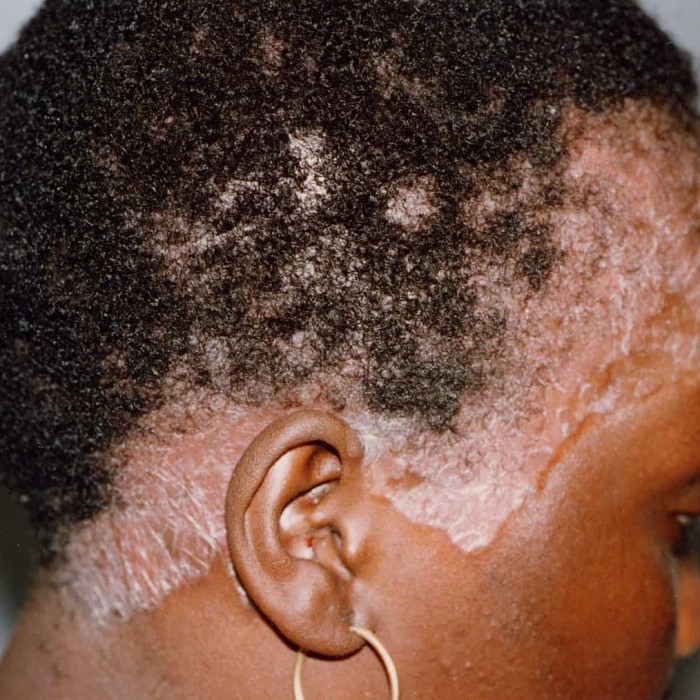
Psoriasis is a chronic skin condition. It results from an overactive immune system. This causes skin cells to build up rapidly. The buildup leads to thick, scaly patches on the skin. It is not contagious but can be hereditary. Psoriasis affects people of all ages, but its severity can vary.
Types of Psoriasis
- Plaque Psoriasis: The most common type. It causes raised, inflamed patches covered with silvery scales.
- Guttate Psoriasis: Appears as small, red spots, often triggered by infections like strep throat.
- Inverse Psoriasis: Found in skin folds, such as under breasts or around the groin. It looks red and shiny.
- Pustular Psoriasis: Characterized by white pustules surrounded by red skin. It can be severe.
- Erythrodermic Psoriasis: A rare but severe type. It leads to widespread redness, itching, and skin shedding.
Common Symptoms of Psoriasis
- Raised, red patches of skin covered with silvery scales.
- Dry and cracked skin that may bleed occasionally.
- Itching, burning, or soreness in the affected areas.
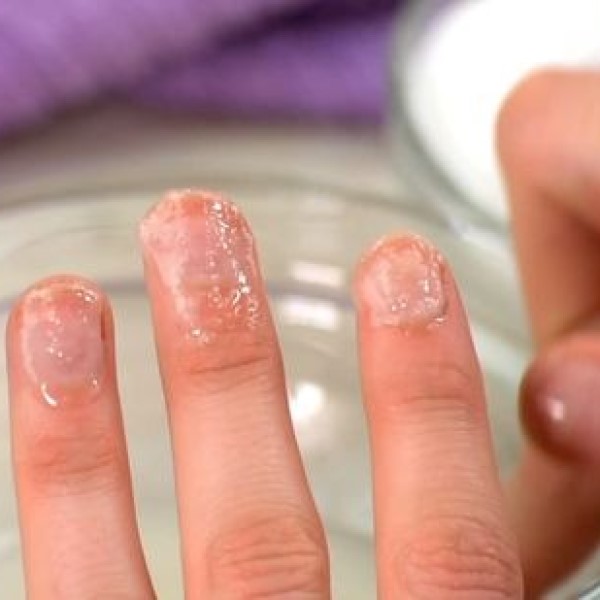
- Thickened or ridged nails in some cases.
- Joint pain or swelling, known as psoriatic arthritis, in certain situations.
Understanding what psoriasis is and its symptoms helps identify and manage it effectively. Psoriasis may sometimes lead to hair loss, especially if it affects the scalp. Awareness of its types and signs ensures timely treatment.

How Psoriasis Affects the Scalp
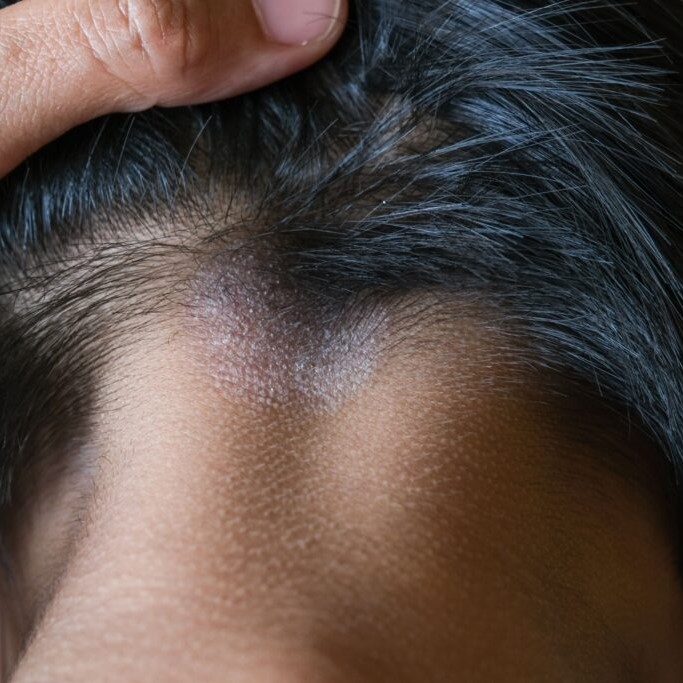
Psoriasis on the scalp can be challenging. It often leads to discomfort and visible symptoms. The scalp is one of the most common areas affected by psoriasis. Understanding its impact is crucial for effective management.
Scalp Psoriasis Symptoms
Scalp psoriasis has distinct signs. These symptoms include:
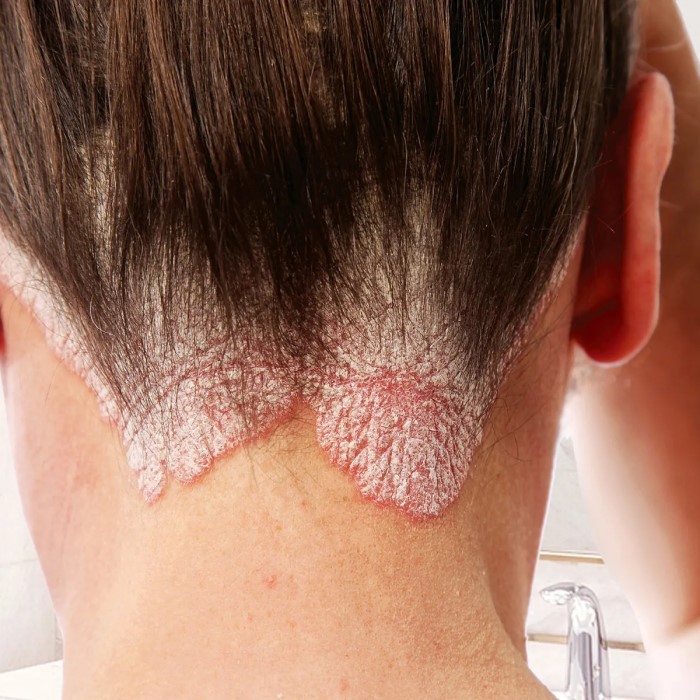
- Flaking Skin: Skin may shed, resembling dandruff but thicker and persistent.
- Red Patches: Raised and inflamed areas can appear scattered or concentrated.
- Itching and Irritation: Severe itching often leads to scratching, which worsens the condition.
- Silvery Scales: Scalp psoriasis can form scales that are dry and shiny.
- Bleeding: Excessive scratching can cause bleeding on the scalp.
Symptoms vary in severity among individuals. Early identification of these signs helps manage scalp psoriasis effectively.
Different Levels of Scalp Psoriasis Severity
Scalp psoriasis can range from mild to severe. Here is a classification:
- Mild Scalp Psoriasis:
- Minimal flaking or redness.
- Limited itching or discomfort.
- Easier to manage with gentle treatments.
- Moderate Scalp Psoriasis:
- More noticeable flaking and scaling.
- Red patches may cover larger areas.
- Increased itching and irritation.
- Severe Scalp Psoriasis:
- Pervasive redness and thick scaling.
- Intense itching that impacts daily life.
- Can result in hair thinning or loss if left untreated.
Recognizing these severity levels helps choose the right treatment. Addressing scalp psoriasis promptly lowers the risk of hair loss. Proper care ensures the scalp remains healthy and reduces discomfort.
Can Psoriasis Cause Hair Loss?
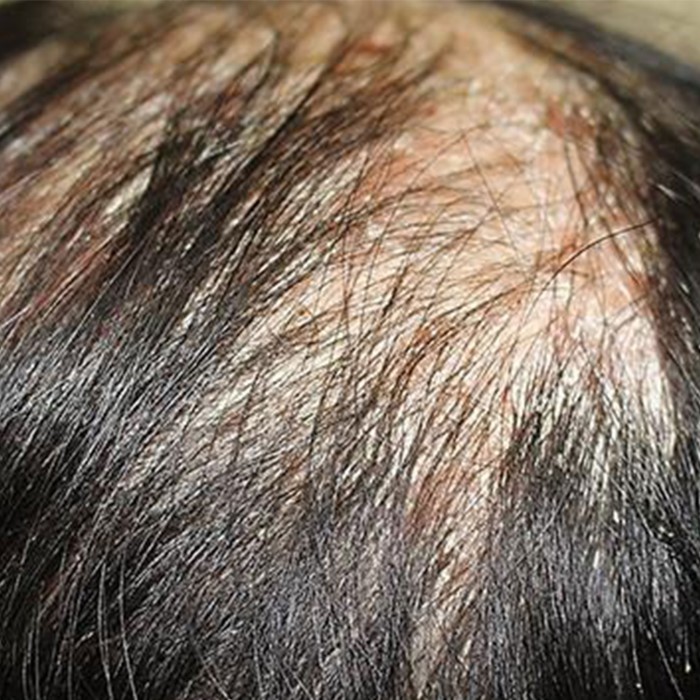
Does psoriasis cause hair loss? Psoriasis can contribute to hair loss, especially when it affects the scalp. However, it is not the direct cause of hair loss. Hair loss often results from complications linked to psoriasis symptoms or behaviors.
Factors Leading to Hair Loss in Psoriasis Patients
Several factors associated with psoriasis can lead to hair loss:
- Severe Scalp Psoriasis: Intense inflammation and thick scales may stress hair follicles. This weakens hair and causes shedding.
- Excessive Scratching: Persistent scratching irritates the scalp. It can damage follicles and trigger hair loss.
- Stress from Symptoms: Psoriasis-related discomfort and itching can induce stress. Stress may indirectly lead to hair thinning.
- Medication Side Effects: Some treatments for psoriasis may have side effects that cause temporary hair loss.
- Infections: Open sores or frequent scratching can result in infections. These may disrupt hair growth.
Hair loss varies among individuals based on psoriasis severity and habits. Identifying contributing factors helps manage the condition and reduce hair thinning.
Is Hair Loss Permanent?
Hair loss from psoriasis is usually temporary. Hair regrows once inflammation reduces and the scalp heals:
- Treating Scalp Psoriasis Early: Effective treatments help control inflammation. Proper care allows hair follicles to recover.
- Preventing Damage: Limiting scratching and avoiding harsh products protects the scalp and promotes regrowth.
- Addressing Triggers: Reducing stress and managing psoriasis triggers supports healthy hair growth.
In rare cases, untreated severe scalp psoriasis may result in lasting hair loss. Prompt treatment and careful attention prevent permanent damage. Managing psoriasis helps to maintain healthy hair and scalp condition.
Triggers That Can Worsen Psoriasis and Hair Loss
Psoriasis and hair loss can worsen due to various triggers. Identifying these factors helps in effective management.
Stress and Emotional Factors
Stress significantly impacts psoriasis and hair health. High stress levels may worsen psoriasis flares:
- Immune System Overactivity: Stress weakens the body’s defense system. This leads to more frequent psoriasis symptoms.
- Increased Inflammation: Emotional strain increases inflammation in the body. This can worsen scalp psoriasis.
- Behavioral Issues: Stress often causes excessive scratching. Scratching damages scalp and harms hair follicles.
Managing stress positively affects both psoriasis and hair loss. Relaxation techniques help reduce psoriasis triggers effectively.
Environmental and Lifestyle Triggers
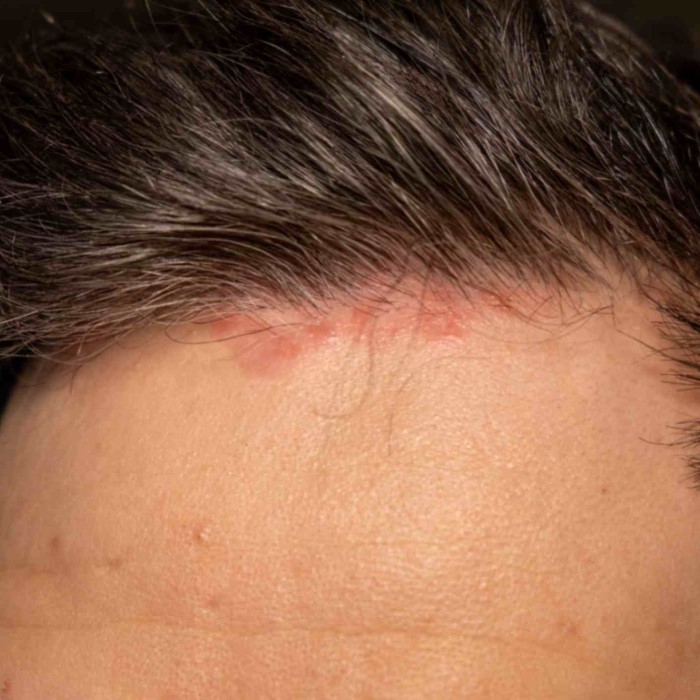
Environmental and lifestyle factors influence psoriasis severity. These triggers can affect scalp health and hair growth:
- Weather Changes: Cold, dry air irritates skin and causes psoriasis flares. This leads to scalp issues.
- Harsh Hair Products: Chemicals in shampoos and dyes strip natural oils. They worsen psoriasis symptoms.
- Unhealthy Diet: Diets low in nutrients weaken skin and hair health.
- Smoking and Alcohol: Smoking and alcohol increase inflammation, making psoriasis worse.
- Lack of Scalp Hygiene: Poor scalp care leads to buildup and irritation, worsening psoriasis flares.
Avoiding these triggers helps manage psoriasis. Healthy habits and care improve scalp condition and reduce hair loss risks effectively.
Treatments for Psoriasis-Related Hair Loss
Managing psoriasis-related hair loss involves proper treatment to address symptoms and promote regrowth. An early and effective plan can make a significant difference.
Medications and Topical Treatments
Medications and topical treatments are key options for managing psoriasis and reducing hair loss:
- Corticosteroid Creams: These reduce inflammation and soothe itchy scalp. They help control symptoms effectively.
- Vitamin D Analogues: Topical solutions like calcipotriol slow down skin cell buildup, improving the scalp condition.
- Coal Tar Products: Shampoos or creams with coal tar reduce scaling, itching, and inflammation in mild cases.
- Salicylic Acid: This helps remove scales, allowing topical treatments to penetrate the skin better.
- Systemic Medications: Severe cases may need oral or injectable medications. These suppress the immune system’s overactivity.
Always consult a dermatologist before starting treatments. Proper medication use ensures better results and fewer side effects.
Home Remedies and Scalp Care Tips
Home remedies complement medical treatments and support scalp health. Here are tips to improve both scalp psoriasis and hair condition:
- Gentle Scalp Washing: Use mild, psoriasis-friendly shampoos. Avoid harsh chemicals that can irritate the scalp.
- Moisturization: Apply natural oils like coconut oil to keep the scalp hydrated and reduce dryness.
- Warm Olive Oil: Massage olive oil onto thickened patches. It softens scales and improves scalp flexibility.
- Aloe Vera Gel: Aloe vera has soothing properties. Apply it to calm inflammation and reduce irritation.
- Avoid Excessive Heat: Minimize hair styling tools that use heat, as they dry out the scalp and worsen symptoms.
- Dietary Support: Eat foods rich in vitamins like biotin and omega-3 fatty acids. They improve hair and scalp health.
Combining medical treatments with these practical habits supports healing and reduces hair loss. Consistent care helps ensure a healthy scalp and steady hair growth.
Managing Scalp Psoriasis Proactively
Managing scalp psoriasis involves consistent care and preventive measures to keep symptoms at bay. Establishing a simple, effective routine improves scalp health and reduces discomfort caused by psoriasis.
Importance of a Healthy Scalp Care Routine
A healthy scalp care routine is essential for managing psoriasis and preventing hair loss. Proper care helps control flare-ups and promotes a healthier scalp environment.
Here are key steps for an effective scalp care routine:
- Choose Gentle Hair Care Products: Use shampoos and conditioners specifically made for sensitive or psoriasis-prone scalps.
- Keep the Scalp Moisturized: Regularly apply soothing products like aloe vera or natural oils.
- Remove Scales Gently: Use soft brushing or salicylic acid treatments for safe scale removal.
- Avoid Excessive Heat: Skip hot styling tools and opt for gentle drying methods like towel patting.
- Rinse Thoroughly and Regularly: Cleanse the scalp regularly to prevent buildup and irritation.
Consistency in scalp care helps minimize psoriasis symptoms. Taking preventive steps ensures the condition remains manageable.
Seeking Professional Help
While at-home care is helpful, professional guidance is vital for managing scalp psoriasis effectively. Dermatologists provide tailored treatments and advice for your condition.
Reasons to seek professional help:
- Diagnosis Accuracy: A doctor ensures the scalp issue is psoriasis and not another condition.
- Customized Treatment Plans: Specialists recommend topical or systemic treatments suited to your needs.
- Managing Severe Symptoms: Professionals handle severe cases with treatments like phototherapy or immune-targeting medications.
- Long-Term Support: Regular check-ups monitor progress and adjust treatments as required.
Early professional intervention prevents complications like persistent hair loss. Combining medical expertise with a good scalp care routine ensures effective psoriasis management.
Myths and Misconceptions About Psoriasis and Hair Loss
There are many myths about psoriasis and hair loss. These misconceptions often lead to confusion. Understanding the truth can help patients manage their condition effectively. Let’s debunk some common myths:
Myth 1: Psoriasis Always Causes Permanent Hair Loss
Reality: Psoriasis does not directly cause permanent hair loss. While it affects the scalp, hair loss is typically temporary. Hair regrows once inflammation reduces and the scalp heals. Severe cases left untreated may risk permanent loss, but this is rare.
Myth 2: Scratching the Scalp Is the Biggest Cause of Hair Loss
Reality: Scratching is a factor, but it’s not the only cause. Hair loss can also result from stress, infections, or side effects of treatment. Managing symptoms effectively prevents excessive damage to hair follicles.
Myth 3: People with Psoriasis Should Avoid Washing Their Hair
Reality: Regular washing with gentle, psoriasis-friendly shampoos helps reduce scales and maintain scalp health. However, excessively hot water or harsh shampoos should be avoided.
Myth 4: Psoriasis Is Contagious
Reality: Psoriasis is an autoimmune condition and is not contagious. It cannot spread through touch or sharing personal items.
Myth 5: Psoriasis Can Be Completely Cured
Reality: Psoriasis is a chronic condition without a cure. However, treatments effectively manage symptoms and reduce flare-ups. Consistent care keeps the scalp healthy and minimizes hair loss.
Myth 6: Only Adults Get Psoriasis and Experience Hair Loss
Reality: Psoriasis affects people of all ages, including children. Scalp psoriasis can lead to temporary hair loss in younger individuals as well.
Myth 7: Hair Products Cause Psoriasis
Reality: Hair products do not cause psoriasis, but harsh chemicals can irritate the scalp. This may worsen the condition. Use products formulated for sensitive scalps to minimize irritation.
Clearing up these myths helps patients feel more confident. Accurate knowledge empowers individuals to manage psoriasis efficiently and mitigate hair loss risks effectively.
Preventing Hair Loss with Psoriasis
Preventing hair loss when managing psoriasis involves consistent care and proactive measures. By addressing symptoms and maintaining scalp health, individuals can reduce the risk of hair thinning effectively.
Tips to Prevent Hair Loss
- Early Detection and Treatment: Early diagnosis and treatment of scalp psoriasis help prevent severe inflammation and hair loss.
- Maintain Scalp Hygiene: Keep your scalp clean and moisturized to reduce irritation and scale buildup.
- Use Gentle Hair Products: Opt for shampoos and conditioners designed for sensitive or psoriasis-prone scalps.
- Avoid Scratching: Manage itching with soothing remedies and avoid scratching your scalp to protect hair follicles.
- Follow a Healthy Diet: Include foods rich in biotin, omega-3 fatty acids, and vitamins for hair growth.
- Manage Stress Levels: Practice stress-reducing techniques like meditation or yoga to lower inflammation and symptoms.
- Protect Your Scalp: Avoid exposure to harsh weather conditions and use hats or scarves in cold or sunny climates.
- Prevent Infections: Treat open sores promptly to avoid infections that may disrupt hair growth.
Scalp Care Routine for Prevention
Establishing an effective scalp care routine supports healthy hair and minimizes psoriasis flare-ups:
- Moisturize Regularly: Apply natural oils or creams to maintain scalp hydration and elasticity.
- Remove Scales Gently: Use soft brushes or treatments like salicylic acid to avoid damage to the scalp.
- Avoid Heat Styling: Limit the use of hairdryers and hot styling tools, which can worsen scalp dryness.
- Rinse Hair Properly: Wash away buildup thoroughly to keep your scalp healthy and free from irritation.
Seek Professional Guidance
For better prevention, consult a dermatologist:
- Personalized Treatment Plans: Specialists suggest tailored solutions to manage psoriasis and prevent hair loss.
- Regular Monitoring: Scheduled check-ups help track progress and adjust treatments as needed.
- Safe Product Recommendations: Dermatologists guide you on safe hair products for psoriasis-prone scalps.
Taking timely action keeps psoriasis symptoms under control and reduces the risks of hair loss. Consistent care ensures a healthy scalp and promotes steady hair regrowth.
In summary, the question does psoriasis cause hair loss? yields a nuanced answer. While psoriasis itself does not directly lead to permanent hair loss, the inflammation, stress, and treatment side effects may contribute significantly to hair thinning or shedding. Understanding the signs, causes, and available treatments can help individuals take proactive steps in managing both conditions.
By addressing psoriasis through effective treatments and implementing lifestyle changes to bolster hair health, it is possible to minimize the impact of these intertwined issues. If hair loss is a significant concern, persistent communication with healthcare professionals can foster an optimal treatment strategy that addresses the dual challenges of maintaining healthy skin while preserving hair.