Can Lice Cause Hair Loss? Understanding the Impact on Hair
Introduction: The Controversy of Lice and Hair Loss
Lice infestations are a common issue, particularly among children. With their increasing prevalence, many individuals begin to wonder, can lice cause hair loss? This question arises due to the discomfort and distress that come with having head lice. Understanding the implications of lice on hair health is essential for effective management. This article delves into how lice infestations can affect hair, clarifying misconceptions and providing evidence-based insights.
What Are Lice and How Do They Affect Hair?
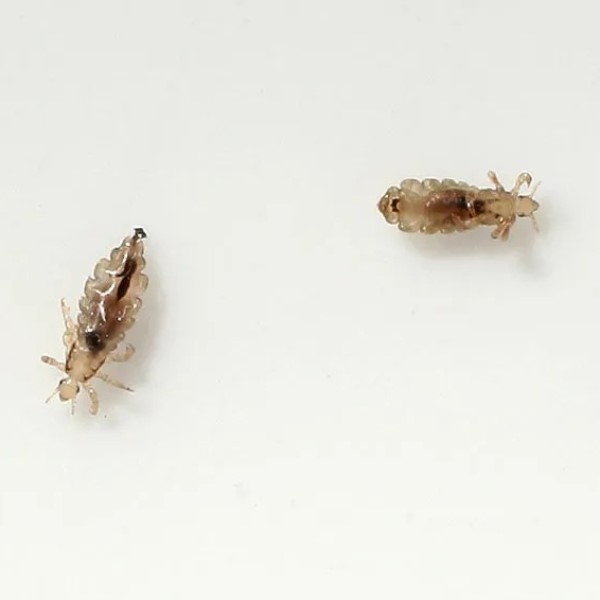
Lice are tiny parasitic insects that can inhabit the scalp and feed on human blood. They reproduce quickly, and their presence can lead to discomfort due to itching and irritation. Lice do not directly cause hair loss; however, the implications of infesting the scalp can lead to scenarios where hair damage occurs.
Types of Lice
- Head Lice (Pediculus humanus capitis): The most common form of lice, they primarily reside on the scalp. They cause itching and discomfort but are not known to transmit diseases.
- Body Lice (Pediculus humanus corporis): These lice live on clothing and only move to the skin to feed. They can cause more severe irritation and secondary infections.
- Pubic Lice (Pthirus pubis): Also known as “crabs,” these lice infest the pubic area but can also spread to other coarse hair areas of the body.
Can Lice Cause Hair Loss? Understanding the Connection
1. Hair Loss Due to Irritation and Scratching
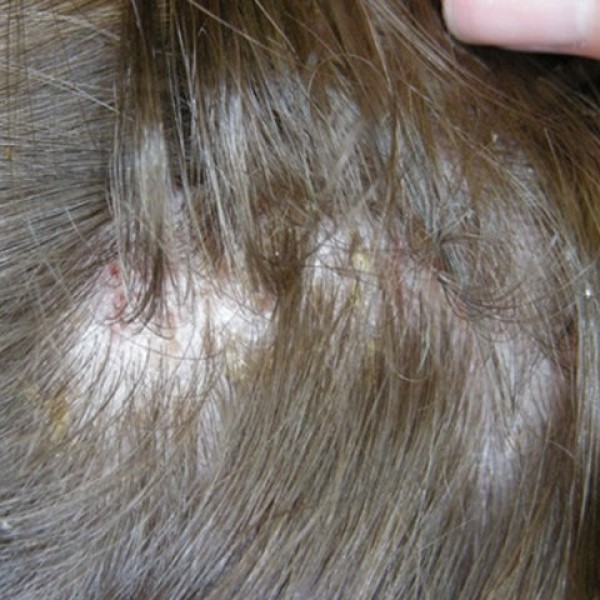
Can lice cause hair loss? While lice themselves do not directly cause hair loss, the irritation and discomfort they create can lead to scratching. Over time, persistent scratching can damage hair follicles and potentially result in hair loss. The act of scratching can cause the hair strands to break or lead to a more serious condition called scarring alopecia.
2. Secondary Infections from Scratching
In some cases, scratching can lead to secondary bacterial infections. When the scalp becomes infected, inflammation can occur. Such inflammation may weaken hair follicles, resulting in hair thinning or loss. It is essential to minimize scratching and treat any potential infections promptly.
3. Telogen Effluvium
In some instances, the stress of dealing with a lice infestation can trigger a condition known as telogen effluvium. This temporary type of hair loss occurs when hair follicles enter the resting phase prematurely, leading to increased shedding. Stress can contribute to this condition and should be managed appropriately.
Recognizing the Symptoms of Head Lice
1. Common Symptoms
Can lice cause hair loss? Identifying lice early is crucial to prevent further complications. Common symptoms of head lice include:
Itching
- Primary Symptom of Lice Infestation: Itching is the most noticeable and bothersome symptom resulting from an allergic reaction to lice saliva. When lice feed on the scalp, they inject saliva, which triggers inflammation and itching sensations.
- Persistent Discomfort: Patients often experience persistent itching on the scalp, which can vary in intensity. The feeling can range from mild irritation to intense scratching, making it difficult for individuals to focus on daily activities.
- Behavioral Consequences of Itching: The urge to scratch can lead to compulsive behavior, particularly in children. They may scratch at their scalps frequently, seeking relief from the uncomfortable sensation.
Visible Lice
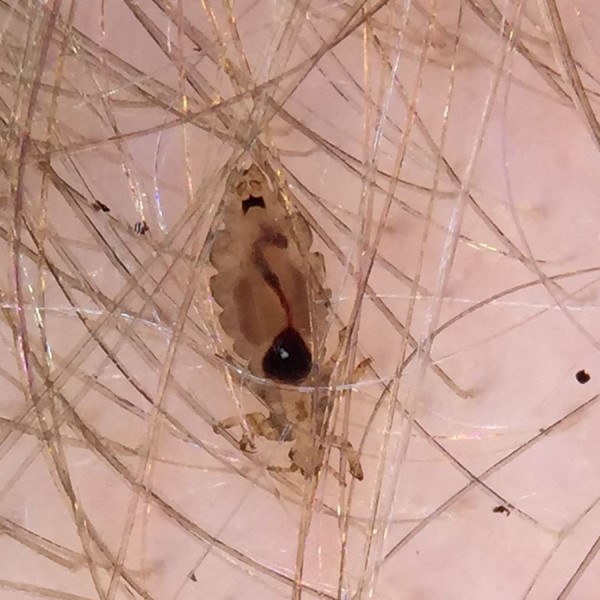
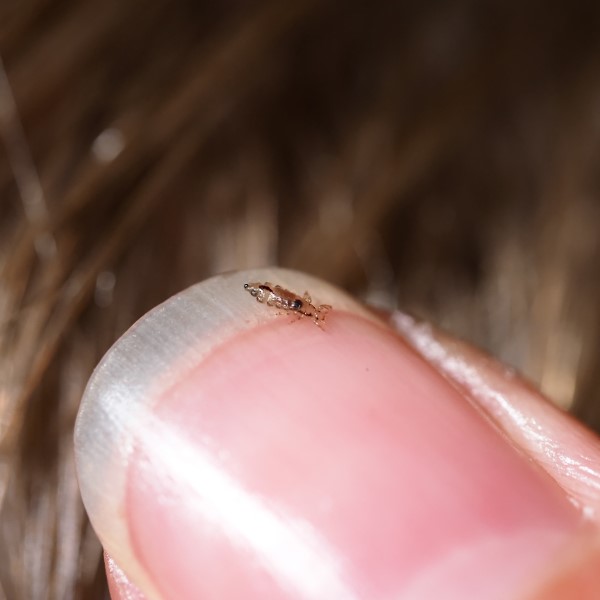
- Identification of Adult Lice: Lice are small, typically around the size of a sesame seed. Patients may spot adult lice crawling on the scalp or within the hair. Their presence often becomes more apparent upon close inspection.
- Nits (Eggs) on Hair Shafts: In addition to adult lice, patients may observe their eggs, commonly known as nits, attached to the hair shafts. Nits are incredibly tiny and may resemble small, oval-shaped specks.
- Location of Nits: Nits are often found close to the scalp, particularly behind the ears and at the nape of the neck. Their proximity to the skin makes them easier to see when inspecting the hair carefully.
Irritation and Inflammation
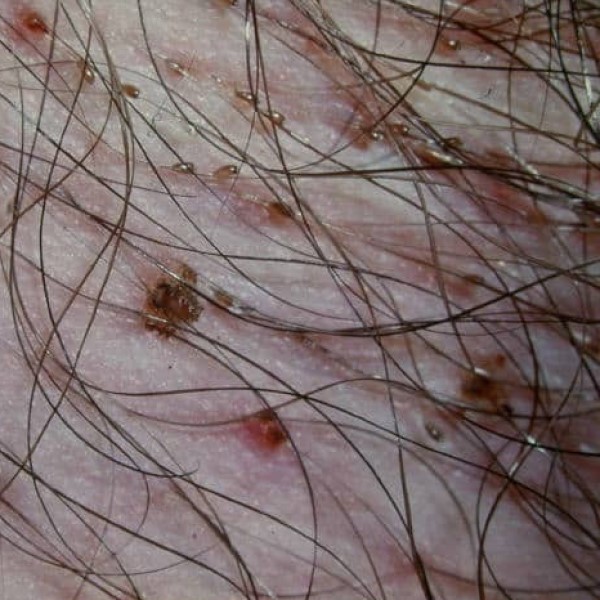
- Consequences of Excessive Scratching: When patients scratch their scalps to relieve itching, they can inadvertently cause irritation. Scratching disrupts the skin’s surface and can lead to various forms of skin damage.
- Signs of Scalp Irritation: As a result of this behavior, individuals may notice redness on the scalp, indicating inflammation. In more severe cases, scratching can create swollen areas around the scalp, contributing to discomfort.
- Risk of Secondary Infections: The skin may become more vulnerable to bacterial infections due to the open wounds created by scratching. This can complicate the condition and potentially require additional medical treatment.
Difficulty Sleeping
- Impact of Itching on Sleep Quality: Intense itching can significantly disrupt sleep patterns, particularly in children. The persistent discomfort makes it challenging to fall asleep or stay asleep throughout the night.
- Consequences for Daily Life: As a result of inadequate sleep, individuals often experience irritability and exhaustion during the daytime. This fatigue can affect concentration, school performance, and overall mood.
- Emotional and Behavioral Effects: For children, the inability to sleep well can lead to heightened emotional responses, making them more restless or moody. Parents may notice changes in their child’s behavior, stemming from sleep deprivation caused by lice-related itching.
2. Confirming the Diagnosis
If you suspect a lice infestation, perform a detailed inspection of the scalp. Use a fine-toothed comb to aid in identifying lice and nits. If you confirm the presence of lice, consider seeking advice from healthcare professionals to determine the best course of action.
Treatment Options for Lice Infestations
1. Over-the-Counter Treatments
Several over-the-counter treatment options are effective against lice. These treatments typically contain insecticides, which can kill adult lice and their eggs. Common ingredients include:
- Permethrin: This topical treatment is safe for children over two months and effectively kills lice and nits.
- Pyrethrin: Derived from chrysanthemum flowers, this insecticide works similarly to permethrin and is suitable for children over two years old.
2. Prescription Treatments
If over-the-counter treatments prove ineffective, consult with a healthcare professional. They may prescribe stronger medications such as:
- Malathion: A prescription lotion that can kill lice and nits but is not safe for children under six years.
- Ivermectin: An oral medication that can effectively treat lice infestations if topical treatments fail.
3. Home Remedies
Some families may opt for home remedies, though their effectiveness may vary. Common home remedies include:
- Tea Tree Oil: Some studies suggest that tea tree oil has insecticidal properties. However, it should be used cautiously, as it may cause allergic reactions in some individuals.
- Olive Oil: Applying olive oil can suffocate lice. Patients should leave it on the hair for several hours before combing and washing out.
4. Nit Removal
Regardless of the treatment used, thorough nit removal from the hair is essential. Use a fine-toothed comb to efficiently remove all nits, as leaving behind any stray eggs may lead to re-infestation.
Hair Care After Lice Treatments
1. Maintaining Scalp Health
After treating a lice infestation, it is crucial to focus on maintaining a healthy scalp. Consider the following:
- Gentle Cleansing: Use a mild shampoo for about a week after the treatment to avoid irritating the scalp further.
- Conditioning: Incorporate a moisturizing conditioner to help restore the hair’s natural moisture, which may have been affected by the treatment.
2. Preventing Re-infestation
Preventing lice re-infestation requires vigilant measures. Here are some tips:
- Avoid Sharing Personal Items: Auditory particles easily transfer through shared combs, hats, and headphones. Encourage family members to avoid sharing these items.
- Regular Checks: Conduct regular scalp checks for lice, especially after potential exposure, such as sleepovers or school outbreaks.
- Consider Preventive Products: Some parents use lice repellents that include natural oils to help prevent infestations.
Frequently Asked Questions (FAQs)
Does having lice make your hair fall out?
While lice do not directly cause hair loss, the irritation and scratching associated with an infestation can lead to hair damage and potential shedding over time.
Will hair grow back after lice?
Yes, in most cases, hair will typically grow back after treatment for lice. However, if damage occurred due to scarring or excessive stress, regrowth may take longer.
What are four symptoms of head lice?
Common symptoms of head lice include:
- Intense itching on the scalp.
- Visible lice or nits in the hair.
- Scalp irritation or inflammation due to scratching.
- Difficulty sleeping due to itching.
How to treat head lice while pregnant?
When treating head lice during pregnancy, it’s crucial to consult a healthcare provider before using any treatments. Some over-the-counter options may not be safe for pregnant individuals, so professional guidance is necessary for selecting effective and safe treatment options.
Conclusion: Understanding the Impact of Lice on Hair Health
In conclusion, while the direct answer to can lice cause hair loss is nuanced, it is clear that lice infestations can significantly impact scalp health. The irritation from lice can lead to scratching, which may result in hair damage or shedding. Therefore, understanding how to effectively manage and treat lice is essential.
By recognizing symptoms early, seeking appropriate treatment, and adopting preventive measures, individuals can successfully combat lice while maintaining healthy hair. Knowledge is power when navigating the challenges associated with lice infestations, and being proactive can lead to improved outcomes for hair health and well-being. If you are dealing with lice, remember that support and effective treatments are readily available to help you through the process.