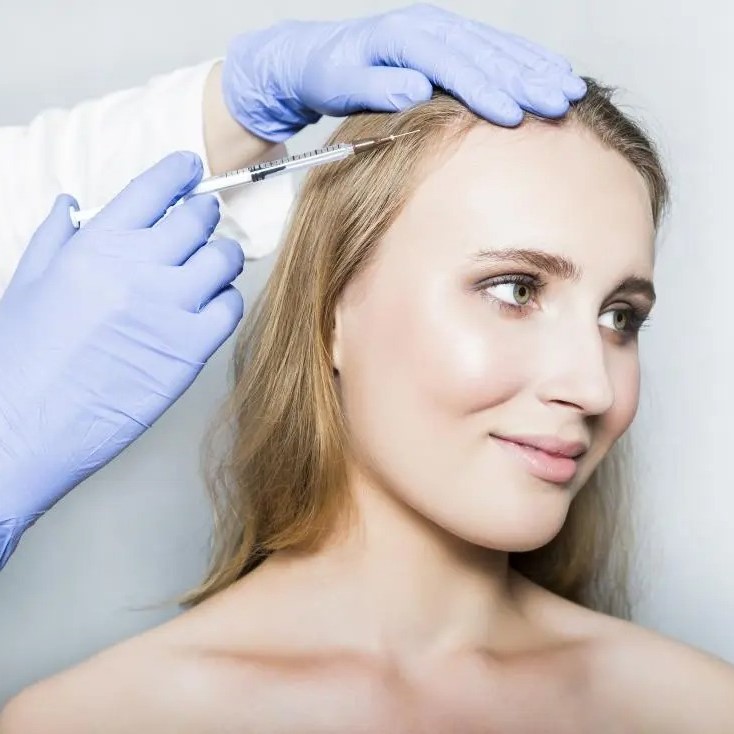
Can Botox Cause Hair Loss? Unveiling the Myths and Facts
Introduction: Understanding Botox and Its Effects
Botox has become a household name in the realm of cosmetic enhancements, synonymous with wrinkle reduction and youthful rejuvenation. People globally seek out Botox injections for their effectiveness in smoothing fine lines and improving appearances. However, with the rise in popularity come questions about potential side effects. Among the various concerns often raised, one query stands out: can Botox cause hair loss? This concern is shared by many who wish to maintain the health of their hair while considering cosmetic procedures.
The relationship between Botox and hair health remains a topic of discussion and investigation. While Botox is widely regarded as safe when administered by a qualified professional, it’s essential to explore the facts surrounding its potential to affect hair loss. This article will break down the myths, present scientific evidence, and provide you with a thorough understanding of the topic. Ultimately, we aim to equip you with the knowledge needed to make informed choices about your beauty treatments.
What Is Botox?
A Brief Overview
Botox, scientifically known as botulinum toxin type A, is a neurotoxic protein produced by the bacterium Clostridium botulinum. Although it is widely known for its cosmetic applications, including wrinkle treatment, Botox has various medical uses. These applications encompass treating conditions such as migraines, excessive sweating (hyperhidrosis), and muscle spasms.
How Does Botox Work?
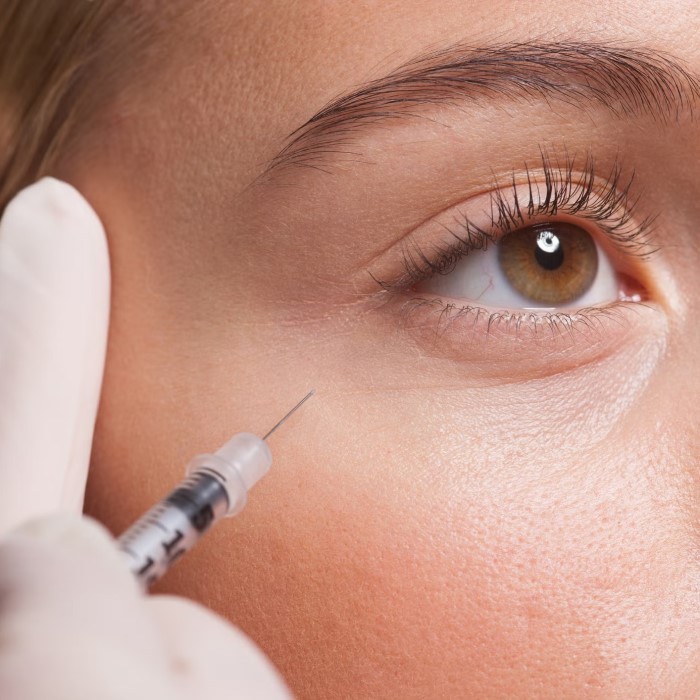
Botox operates by blocking the nerve signals that trigger muscle contractions. When injected into specific facial muscles, it temporarily paralyzes the muscles, smoothing the overlying skin and reducing the appearance of wrinkles. This mechanism has made Botox a preferred choice for both cosmetic and therapeutic purposes.
Debunking the Myths: Can Botox Cause Hair Loss?
Understanding the Concerns
Can botox cause hair loss? The concern regarding Botox and hair loss often stems from anecdotal experiences rather than scientifically substantiated data. Many individuals fear that the neurotoxic effects of Botox might somehow extend to hair follicles, potentially leading to thinning hair or hair loss. Understanding the basis for these concerns is vital for dispelling myths.
Scientific Evidence and Findings
Despite the fears surrounding Botox and hair loss, current scientific literature does not strongly support a direct link between the two. Most dermatologists and medical professionals assert that Botox, when used appropriately, is unlikely to cause hair loss. The reason is straightforward: Botox works on the muscle level, affecting nerve signals rather than the hair follicles.
However, it is crucial to recognize that everyone’s body can react differently to treatments. Allergic reactions, albeit rare, can occur following Botox injections. Such instances can lead to swelling, irritation, or higher stress levels, which could indirectly affect hair health. While Botox itself may not be the culprit, the body’s overall reaction to the treatment deserves attention.
Investigating Possible Indirect Effects
While Botox injections may not directly cause hair loss, certain factors associated with cosmetic procedures could contribute to hair thinning. Stress is a known factor that exacerbates hair loss in many individuals. The anxiety surrounding new procedures, alongside pain or bruising from injections, could lead to temporary hair shedding for some.
Moreover, changes in personal care routines or habits following a Botox treatment may inadvertently affect hair health. A person might avoid washing their hair or alter their styling methods post-treatment, which could lead to hair breakage or loss.
Factors That May Contribute to Hair Loss
Stress and Lifestyle Influences
It’s essential to understand that hair loss can result from myriad factors beyond cosmetic procedures. Stress, in particular, has a well-documented connection to hair loss. Life changes, work pressures, and personal challenges can all contribute to increased levels of anxiety that may lead to hair thinning.
Hormonal Changes and Conditions
Hormonal fluctuations can also significantly impact hair health. For instance, conditions such as polycystic ovary syndrome (PCOS), thyroid imbalances, or menopause can lead to hair loss. Individuals experiencing hair thinning should consider whether underlying health issues, rather than Botox treatments, might be the root cause.
The Role of Consultation
Consulting Qualified Professionals
Before embarking on any cosmetic treatment, including Botox, it’s critical to consult a qualified professional. A licensed dermatologist or cosmetic surgeon can provide personalized insights, helping you understand the advantages and potential risks associated with the procedure.
Discussing Concerns
If you have concerns regarding Botox and hair loss, be candid during your consultation. Discuss your hair health history, any existing medical conditions, and your goals for the treatment. Qualified professionals can offer tailored recommendations and address any fears to help you make informed decisions.
Hair Care Following Botox Treatments
Proper Post-Treatment Care
Maintaining hair health after Botox treatments is essential to minimize any potential negative effects. While Botox does not directly affect hair health, proper care can help create a nurturing environment for your hair. Here are some practical tips:
Use Gentle Hair Care Products
- Choosing the Right Hair Care Items: Opt for sulfate-free shampoos and conditioners to avoid harsh chemicals that can irritate the scalp. Sulfates, which are common in many hair products, can strip natural oils, leading to dryness and increased breakage.
- Benefits of Gentle Cleansing: Gentle cleansing products help maintain the scalp’s pH balance, ensuring a healthy environment for hair growth. This promotes a sense of comfort for the scalp, which is essential after undergoing any cosmetic treatment.
- Reducing the Risk of Hair Breakage: Soft and soothing formulations can significantly lessen the chances of hair breakage compared to harsher products. This is particularly important if the hair may be more vulnerable after receiving Botox treatments, as stress on hair follicles should be minimized.
- Checking Labels: Always examine ingredient labels when choosing hair care products. Look for terms such as “gentle,” “hypoallergenic,” and “for sensitive skin.” Choosing specialized products designed for post-treatment hair can be incredibly beneficial.
Avoid Excessive Heat
- Limit the Use of Heat Styling Tools: After receiving Botox, it’s advisable to minimize the use of heat styling tools, such as blow dryers, flat irons, and curling wands. These tools can expose hair to high temperatures, which can lead to damage and dryness.
- Understanding the Impact of Heat: Hot styling devices can dehydrate hair, making it brittle and more prone to breakage. Giving your hair a break from these tools during the recovery period can enhance its strength and overall health.
- Alternative Styling Methods: Consider using heat-free styling methods, such as braiding damp hair or using foam rollers, to achieve your desired look without the heat. These alternatives can help maintain the health of both your hair and scalp.
- Air Drying: Whenever possible, allow your hair to air dry instead of using a blow dryer. This method is gentler and preserves moisture levels in the hair, aiding in healthier hair growth post-treatment.
Enhance Nutritional Intake
- Importance of a Balanced Diet: A diet rich in vitamins and minerals is essential for maintaining optimal hair health. Nutrients directly contribute to the strength, shine, and overall health of your hair.
- Key Nutrients for Hair Health: Certain nutrients are especially beneficial for hair:
- Biotin: This B vitamin helps promote healthy hair growth and prevents hair loss. Including foods such as eggs, nuts, and whole grains can enhance your biotin intake.
- Vitamin D: Research indicates that vitamin D may play a role in hair follicle cycling. Foods such as fatty fish, fortified cereals, and egg yolks provide beneficial amounts of vitamin D.
- Zinc: Adequate zinc is vital for hair tissue growth and repair. Foods like pumpkin seeds, lentils, and chickpeas are great sources of zinc.
- Staying Hydrated: Drinking enough water is crucial for overall health, including hair health. Proper hydration can help maintain the moisture balance in hair, resulting in more vibrant and manageable strands.
Practice Stress Management
- Identifying Stressors: Recognizing the sources of stress in your life is the first step towards effective management. External pressures can lead to increased hair loss and should be addressed promptly.
- Engaging in Relaxation Techniques: Activities such as yoga, meditation, or deep breathing exercises can help reduce stress levels and create a sense of calm. Engaging in these practices can lead to a more balanced mental state, enhancing overall well-being.
- Hobbies for Joy: Participating in hobbies you enjoy, whether it’s painting, gardening, or playing an instrument, provides a great distraction from daily stressors. Allowing yourself to engage in enjoyable activities can refresh your mind and body.
- Importance of Downtime: Taking time for yourself is essential. Ensuring you have regular downtime to relax and recharge not only benefits your mind but also promotes better hair health.
Scalp Maintenance
- Regular Scalp Massages: Incorporating scalp massages into your routine can significantly improve blood circulation. Enhanced blood flow encourages healthier hair growth and nourishes the hair follicles.
- Choosing Suitable Oils: Using natural oils like coconut or argan oil can provide nourishment and hydration to your scalp and hair. These oils contain beneficial fatty acids and antioxidants that promote overall hair health.
- Coconut Oil: Not only does coconut oil hydrate and condition the hair, but it also helps reduce protein loss, which can be crucial for maintaining hair health.
- Argan Oil: Known as “liquid gold,” argan oil is rich in vitamin E and fatty acids, providing hydration and enhancing hair shine.
- Massage Technique: When massaging your scalp, use your fingertips to make circular motions. Spend a few minutes focusing on various areas of your scalp to promote relaxation and stimulation.
- Consistency is Key: For the best results, make scalp massages a regular part of your hair care routine. Regular practice can lead to noticeable improvements in scalp health and hair growth.
FAQs About Botox and Hair Loss
Is Botox damaging to your hair?
No, Botox is not generally damaging to your hair. However, hair shedding may occur due to stress or other unrelated factors. If hair loss persists, consulting with a medical professional is advisable.
How to stop hair fall after Botox?
To minimize hair fall after Botox, maintain a gentle hair care routine. Focus on using mild shampoos, avoid heat styling, and ensure you’re leading a stress-reduced lifestyle. If hair loss continues, it’s best to consult a physician for personalized recommendations.
Conclusion: The Real Connection Between Botox and Hair Loss
In conclusion, the pressing question, “can Botox cause hair loss?” requires careful consideration. While scientific evidence does not support a direct link between Botox treatments and hair loss, it is vital to remain aware of other factors that can contribute to hair thinning.
Understanding the interactions between Botox and individual body responses, along with lifestyle considerations, enables you to navigate your cosmetic journey more effectively. By consulting qualified professionals, you can clarify any concerns and tailor your approach to beauty treatments.
Ultimately, you can enjoy the benefits of Botox while prioritizing hair health through proper care and awareness. If you have concerns about hair loss or its association with Botox or other treatments, seeking guidance from a licensed expert ensures that your hair remains vibrant and healthy.
