Does Lisinopril Cause Hair Loss? Myths vs. Facts Explained
Introduction: Understanding Lisinopril and Its Use
Lisinopril is a widely prescribed medication primarily used to treat high blood pressure and heart failure. As with many medications, patients often have concerns regarding possible side effects. Among these concerns, a commonly raised question is: does lisinopril cause hair loss? This article aims to explore this topic in detail, separating myths from facts. We will review scientific evidence, discuss side effects, and help you understand the relationship between lisinopril and hair loss.
What is Lisinopril?
Lisinopril is a commonly prescribed medication. It belongs to a class of drugs called ACE inhibitors, which stands for angiotensin-converting enzyme inhibitors. This medication helps manage various health conditions by affecting blood vessels and improving blood flow. Lisinopril works by relaxing blood vessels, allowing blood to flow more efficiently, and lowering blood pressure.
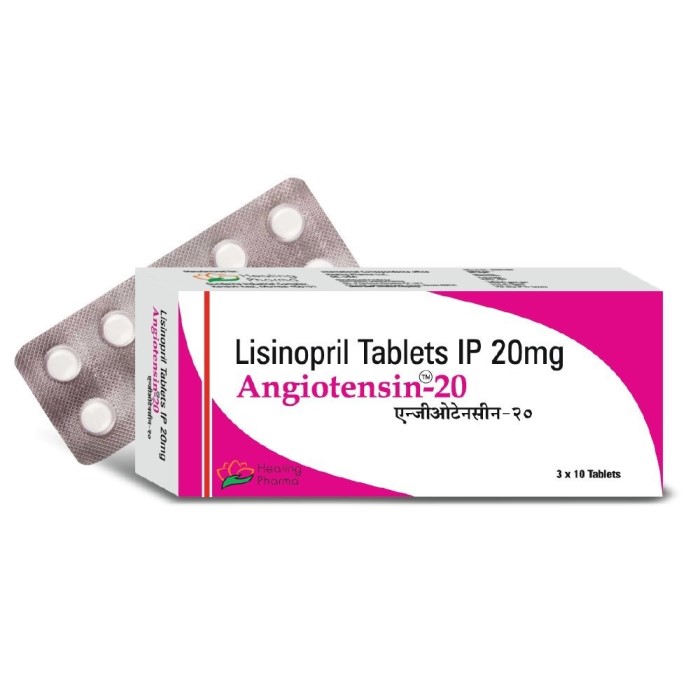
Overview of Lisinopril as a Medication
Lisinopril is often prescribed for its ability to block certain enzymes in the body. These enzymes are responsible for constricting blood vessels. By stopping this action, lisinopril can reduce high blood pressure effectively. It also lessens the workload on the heart, making it more efficient at pumping blood.
This medication is usually taken once a day as a pill. Doctors often recommend it as a first-line treatment for hypertension or high blood pressure. Most people find it easy to incorporate lisinopril into their daily routine.
Common Uses of Lisinopril
Lisinopril is used to treat several health conditions. Some of the common uses include:
- High Blood Pressure (Hypertension): It helps control blood pressure levels and reduce the risk of complications.
- Heart Failure: Lisinopril supports the heart in pumping blood more effectively.
- Post-Heart Attack Recovery: This medication prevents further strain on the heart after a heart attack.
- Diabetic Kidney Disease: It protects kidney function in patients with diabetes.
Doctors may also prescribe lisinopril to address other health issues. Always follow your doctor’s instructions carefully when using this medication. Regular monitoring and communication with your healthcare provider ensure safe and effective use.
Lisinopril and Its Side Effects
Does lisinopril cause hair loss? Lisinopril, like any medication, can cause side effects. Most are mild, while some may be serious. Understanding these side effects helps in identifying any issues early.
Overview of Common Side Effects
Common side effects occur in many people taking lisinopril. These are generally mild and manageable:
- Cough: A persistent dry cough is one of the most reported side effects.
- Dizziness: May happen due to lowered blood pressure, especially after starting the medication.
- Headache: Some people experience mild headaches.
- Fatigue: Feeling tired or lacking energy can also occur.
- Nausea: Some individuals may feel slightly nauseous, especially at the start.
These side effects often lessen as the body adjusts to the medication. However, if they persist or worsen, inform your doctor.
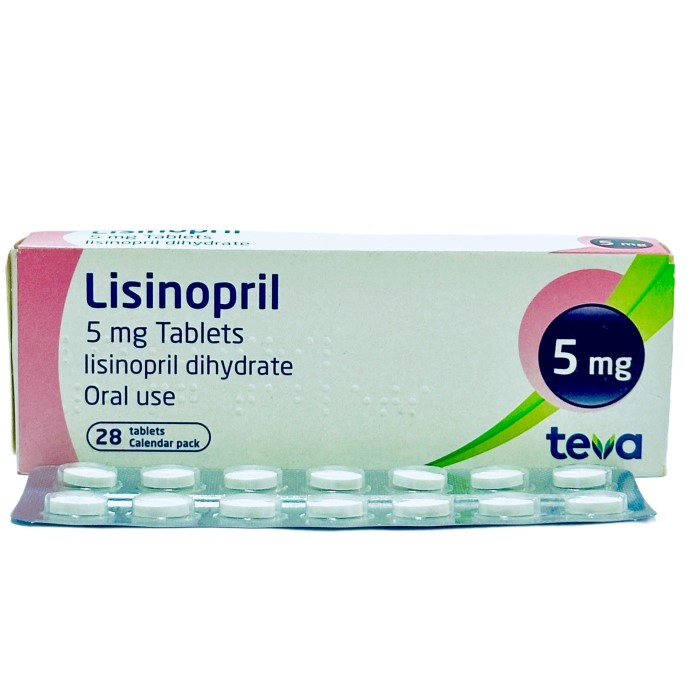
Rare Side Effects of Lisinopril
Certain side effects are less common but may occur in some individuals. Keeping an eye out for these is essential:
- Swelling (Angioedema): Swelling of the face, lips, tongue, or throat, which requires immediate medical attention.
- Serious Allergic Reactions: Rare, but symptoms like rash, itching, or swelling need urgent care.
- Kidney Issues: Lisinopril may impair kidney function in some people.
- Increased Potassium Levels: High potassium levels, measured through blood tests, can pose health risks.
- Changes in Taste: Some individuals report altered or metallic tastes.
Rare side effects often need medical advice to decide the next steps. Do not ignore unusual symptoms.
In addition to these effects, some reports suggest a potential link between lisinopril and hair loss. However, hair loss is considered rare. If you notice significant hair thinning or loss, consult your doctor.
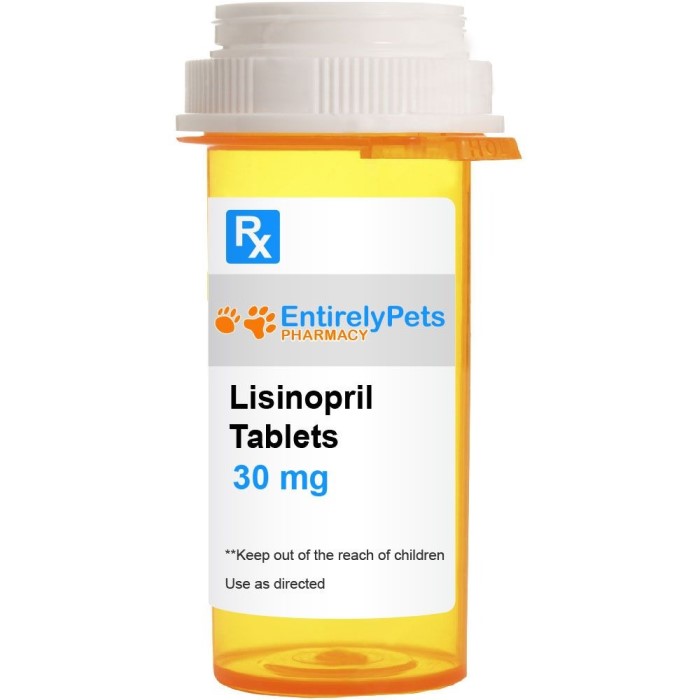
Can Lisinopril Cause Hair Loss?
Lisinopril is known to cause certain side effects, but hair loss remains a debated topic. While hair loss is not listed as a common side effect, some patients have reported thinning or shedding hair. Understanding the connection between lisinopril and hair loss requires examining how the medication affects the body.
Mechanism Behind Hair Loss and Lisinopril Use
Hair loss linked to lisinopril may result from changes in the body caused by the drug. For example:
- Hormonal Imbalance: Lisinopril might alter levels of certain hormones, affecting hair growth cycles.
- Reduced Blood Flow to Hair Follicles: Although lisinopril improves blood flow overall, individual responses may vary, leading to weakened hair roots.
- Nutrient Distribution: Adjustments in circulation or metabolism may impact the nutrients available to hair follicles.
While these mechanisms are theories, they may explain instances when patients experience hair loss during lisinopril therapy.
Frequency of Hair Loss as a Side Effect
Hair loss caused by lisinopril is considered rare compared to other side effects. Most patients do not report this issue. However, those who notice hair thinning while taking lisinopril should not ignore it. Hair shedding varies from person to person and could be caused by other factors.
Doctors often classify lisinopril-induced hair loss as a minor side effect when it does occur. If you are concerned about noticeable hair thinning, consulting your doctor is essential. They can assess whether lisinopril is the source and explore options to manage the issue.
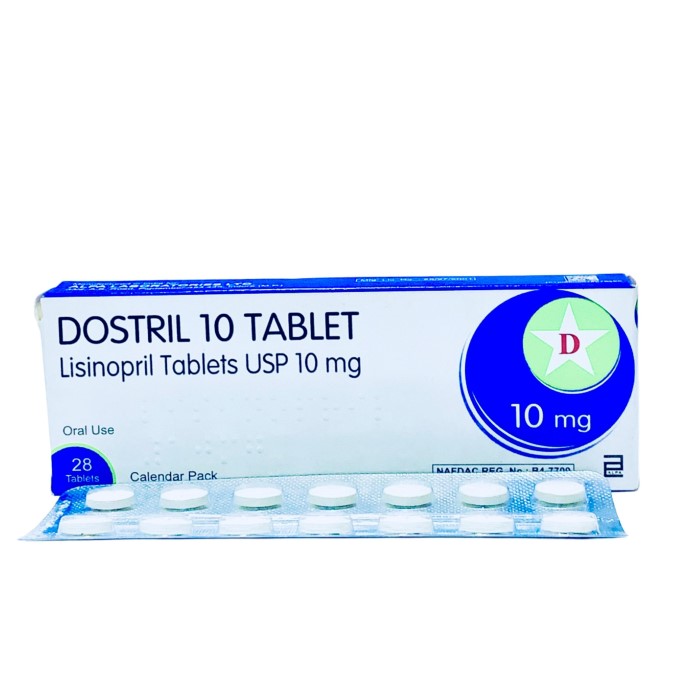
How to Identify Hair Loss Due to Lisinopril
Lisinopril may rarely cause hair loss as a side effect. Identifying this issue early is crucial. Hair loss may not always be immediate, and noticing changes over time becomes important. Monitoring hair health while taking lisinopril can help pinpoint the cause.
Signs and Symptoms of Lisinopril-Induced Hair Loss
Hair thinning due to lisinopril differs from regular hair shedding. Here are key indicators:
- Sudden Hair Shedding: You may notice excessive hair falling out when brushing or showering.
- Patchy Hair Loss: Some patients report visible patches where hair growth appears reduced.
- Overall Thinning: Hair throughout the scalp may feel finer or less dense.
- Change in Hair Growth Cycle: Hair may stop growing or seem stuck in resting phases.
- Weak or Brittle Hair: Hair may break more easily and lose its strength or shine.
If you observe these signs, discussing them with your doctor is essential.
Differentiating From Other Causes of Hair Loss
Many factors lead to hair loss, unrelated to lisinopril. Differentiating causes prevents misdiagnosis. Other reasons include:
- Medical Conditions: Thyroid disorders or hormonal imbalances often trigger hair loss.
- Nutritional Deficiencies: Lack of essential vitamins like biotin and iron impacts hair health.
- Genetics: Family history of hair thinning plays a significant role in male and female pattern hair loss.
- Stress and Lifestyle Factors: High stress levels or unhealthy habits contribute to shedding.
- Other Medications: Drugs like chemotherapy or anticoagulants may lead to thinning hair.
Examining personal health and treatment history helps identify the true cause. Keep a record of hair loss patterns and share this with your healthcare provider. Regular check-ups and tests assist in accurate diagnosis and appropriate action.
Managing hair loss requires evaluating the potential links and acting promptly. In cases tied to lisinopril, medical advice can guide optimal solutions.
Managing Hair Loss While Taking Lisinopril
Experiencing hair loss while on lisinopril can be concerning for patients. While this side effect is rare, addressing it promptly with effective strategies and professional guidance can provide relief. It’s important to take proactive steps to minimize hair loss and improve overall hair health.
Consulting Your Doctor About Side Effects
If you suspect lisinopril is causing hair loss, discuss your concerns with your doctor immediately. Your healthcare provider can:
- Evaluate the Cause: They will assess whether lisinopril is the reason for your hair loss.
- Monitor Symptoms: Sharing a detailed timeline of hair thinning can help identify trends.
- Conduct Tests: Blood or hormone tests may rule out other causes like thyroid issues or deficiencies.
- Suggest Treatments: Options may include topical solutions or supplements to support hair health.
- Adjust Dosage: Your doctor could modify the current dosage to minimize side effects.
Remember, open communication about symptoms ensures better solutions tailored to your needs. Never stop taking lisinopril without consulting your doctor first.
Possible Alternatives to Lisinopril
If lisinopril is confirmed as the cause of your hair loss, your doctor may suggest alternative medications. These options can safely manage your health condition while reducing side effects:
- Other ACE Inhibitors: Medications like enalapril or ramipril may offer similar benefits.
- ARBs (Angiotensin II Receptor Blockers): Drugs such as losartan, which work differently than ACE inhibitors, may be prescribed.
- Beta-Blockers: Sometimes used to control blood pressure and heart conditions effectively.
- Calcium Channel Blockers: These are another alternative for improving blood flow and managing hypertension.
Doctors consider your health history and condition when choosing a suitable alternative. Switching medications requires careful oversight to ensure successful treatment outcomes.
Managing hair loss while taking lisinopril involves collaboration with your healthcare provider and exploring safe options. Early action prevents prolonged discomfort and helps optimize both hair health and medical care.
Lifestyle Changes to Minimize Hair Loss
Experiencing hair loss while taking lisinopril can be distressing, but lifestyle adjustments might help. By maintaining healthy habits and adopting specific strategies, you can support hair health effectively.
Tips for Hair Health and Maintenance
- Gentle Hair Care: Use mild shampoos and conditioners. Avoid harsh chemicals and frequent heat styling tools.
- Brush with Care: Use a soft-bristle brush and avoid excessive pulling to protect your scalp and hair.
- Avoid Tight Hairstyles: Hairstyles that pull on your scalp can weaken hair follicles over time.
- Stay Hydrated: Drink plenty of water to keep your hair hydrated and prevent dryness.
- Limit Stress: Practice relaxation techniques like yoga or meditation to reduce stress-related hair loss.
- Massage Your Scalp: Improve blood circulation by gently massaging your scalp with natural oils like coconut or argan oil.
Consistency with these habits plays a significant role in improving hair resilience and appearance.
Diet and Supplements for Promoting Hair Growth
Nutrition greatly impacts hair health. Incorporate these dietary tips into your routine:
- Eat Protein-Rich Foods: Eggs, fish, and beans provide essential proteins like keratin, vital for hair growth.
- Consume Iron-Rich Foods: Include spinach, lean meats, and legumes to combat hair-thinning caused by iron deficiency.
- Add Omega-3 Fatty Acids: Enhance scalp health by eating salmon, walnuts, or flaxseeds regularly.
- Load Up on Vitamins: Vitamins D, E, and B-complex are crucial for strengthening hair and preventing breakage.
- Biotin Supplements: Take biotin under your doctor’s guidance to address hair loss effectively.
- Reduce Sugar Intake: High sugar consumption can lead to inflammation, affecting hair follicles negatively.
Adding nutrient-rich foods and supplements to your meals can stimulate hair growth. Always consult your doctor before starting supplements, especially if you are on medications like lisinopril.
Adopting these lifestyle changes while monitoring results can support healthy hair even when taking lisinopril.
When to Seek Medical Advice
Addressing hair loss caused by lisinopril requires timely medical intervention. Understanding when to seek help is vital for effective management.
Signs That Require Immediate Attention
Certain symptoms alongside hair loss might demand urgent medical attention. Watch out for these signs:
- Severe Hair Loss: Excessive or rapid hair shedding that creates bald patches.
- Skin Irritations: If you notice redness, itching, or scalp irritation with hair loss, seek advice.
- Swelling or Allergic Reactions: Swelling of the face, lips, tongue, or throat accompanied by hair loss.
- Other Unexplained Symptoms: Fatigue, hormonal imbalances, or significant weight fluctuations.
These signs might indicate underlying health issues or severe side effects of lisinopril. Contact a healthcare provider immediately for evaluation.
Working with Healthcare Providers on Medication Alterations
If lisinopril is suspected to cause your hair loss, collaborate with your doctor for solutions. Here’s how they can help:
- Symptom Assessment: They will identify if lisinopril is linked to hair loss.
- Medical Tests: Tests for thyroid levels, hormone imbalances, or nutrient deficiencies may be necessary.
- Dosage Adjustment: If appropriate, they might change your lisinopril dosage to minimize side effects.
- Switching Medications: They might recommend alternatives like ARBs or calcium channel blockers.
- Treatment Plans: Your doctor may suggest treatments such as medications or topical therapies for hair regrowth.
Never self-adjust or stop taking lisinopril without medical consultation. Always follow your doctor’s advice to maintain both your systemic health and hair well-being. Regular check-ups ensure that your health is closely monitored and receive optimal care tailored to your specific needs.
Conclusion: Myths and Facts Wrap-Up
In conclusion, the question, “does lisinopril cause hair loss,” remains a topic of exploration. Current evidence and research clarify that hair loss is not a documented side effect of lisinopril. While personal experiences and anecdotes may suggest otherwise, it is important to separate myth from fact based on established clinical evidence.
If you are experiencing hair loss or have concerns about your medications, speaking with a healthcare professional is essential. They can guide you through understanding your symptoms and determining the appropriate actions to take. Staying informed and proactive about your health will empower you to make the best decisions for your well-being. Remember, communication with healthcare providers is vital in navigating any concerns regarding medications and side effects.