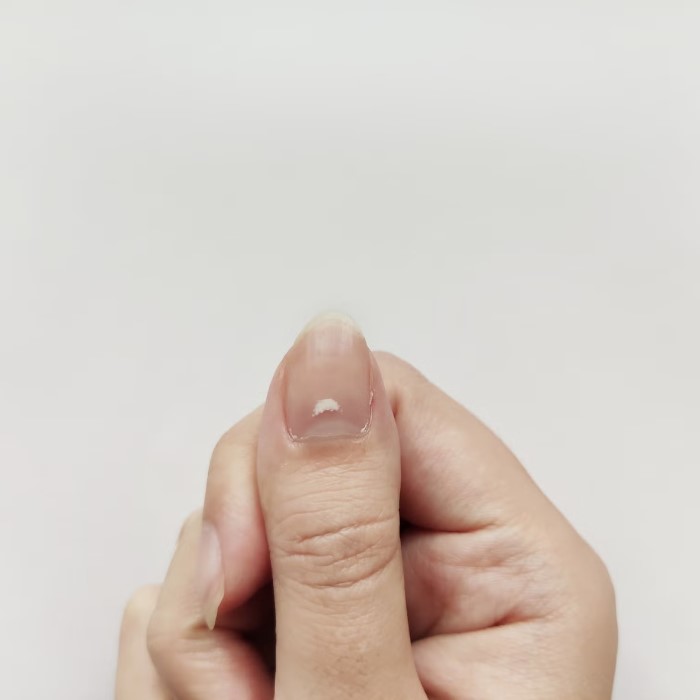
Why Is There a White Spot on My Nail? Causes Explained
Introduction: Understanding Nail Health
If you’ve ever looked down at your nails and noticed a white spot, you might find yourself wondering, “Why is there a white spot on my nail?” This seemingly small issue can have various underlying causes, ranging from minor to more significant health concerns. Understanding the reasons behind these spots can help you determine if there is a need for concern or if they are simply a cosmetic issue that can be resolved with proper care. In this blog post, we will delve into the common causes of white spots on nails and provide you with tips to treat and prevent them.
What Are White Spots on Nails?
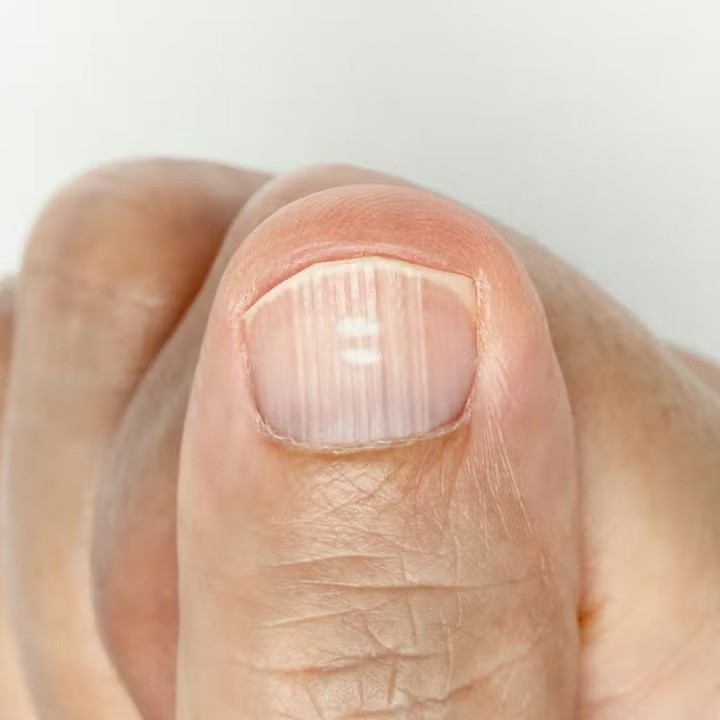
White spots on nails, also known as leukonychia, are a common nail condition. They can appear as small white dots, lines, or patches on the nail surface. These spots are usually harmless but may sometimes indicate underlying health issues. Understanding their appearance and types can help identify their cause.
Description and Appearance of White Spots
White spots on nails often look like tiny dots or lines. They may also form larger, irregular spots. These spots can vary in shape, size, and location on the nails. Some spots remain subtle, while others are more noticeable. They typically develop on fingernails, but toenails can be affected too.
Common Types of White Spots on Nails
- Punctate Leukonychia: Small, white dots scattered across the nail. Often caused by minor trauma.
- Striate Leukonychia: White lines running across the nail horizontally. May result from injury to the nail bed.
- Diffuse Leukonychia: The entire nail may appear white. This is less common but might signify an underlying condition.
Each of these types has different causes. Identifying the type can help determine why there are white spots on your nails.
Causes of White Spots on Nails
Why is there a white spot on my nail? White spots on nails can occur due to various reasons. Identifying the cause is key to addressing the problem and preventing recurrence. Here are the common causes:
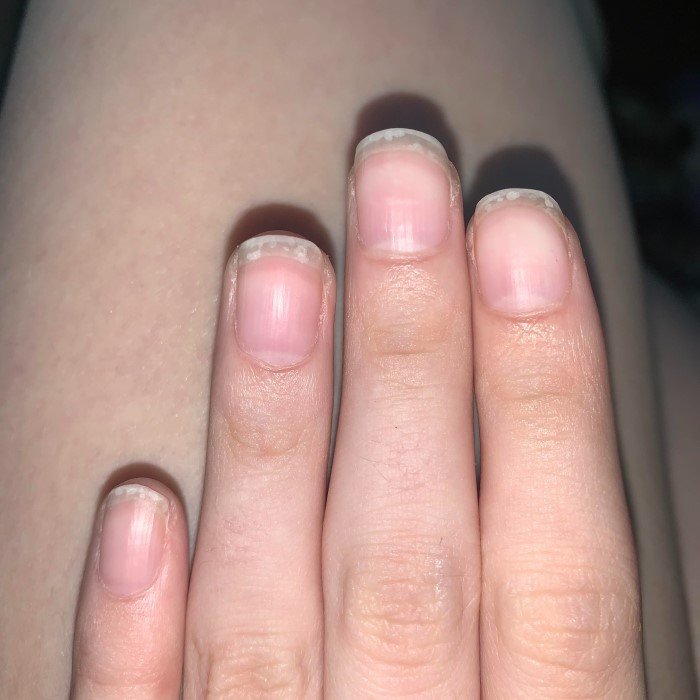
Injury to the Nail Bed
Minor injuries to the nail bed are a common reason for white spots. These injuries can occur from accidentally hitting or pressing the nail. Over-trimming the cuticles or frequent nail biting can also lead to damage. Such trauma interferes with the nail’s growth and may result in tiny white spots called punctate leukonychia.
Allergic Reactions to Nail Products
Certain nail products like polish, adhesive glue, or nail hardeners can cause allergic reactions. Chemicals, such as formaldehyde or toluene, are common culprits for this type of irritation. These allergic reactions can lead to white spots or ridges in the nails. Avoiding products with harsh chemicals helps prevent such reactions.
Mineral or Vitamin Deficiencies (e.g., Zinc, Calcium)
White spots might signal a deficiency in zinc, calcium, or other essential nutrients. Nails require proper vitamins for healthy growth. A balanced diet rich in minerals, vitamins, and proteins is necessary to maintain nail health.
Fungal Infections
Sometimes, white spots indicate a fungal infection, especially in the toenails. Fungal infections may occur due to excessive moisture, unclean footwear, or poor foot hygiene. These infections create discoloration and make the nails brittle or thick.
Underlying Health Conditions
In rare cases, white spots might hint at more serious health issues. Conditions like kidney disease, eczema, or psoriasis could affect nail appearance. If white spots are persistent or accompanied by other symptoms, consult a doctor.
Understanding these causes can help care for your nails. Proper care and attention to underlying issues can restore nail health effectively.
Diagnosing White Spots on Nails
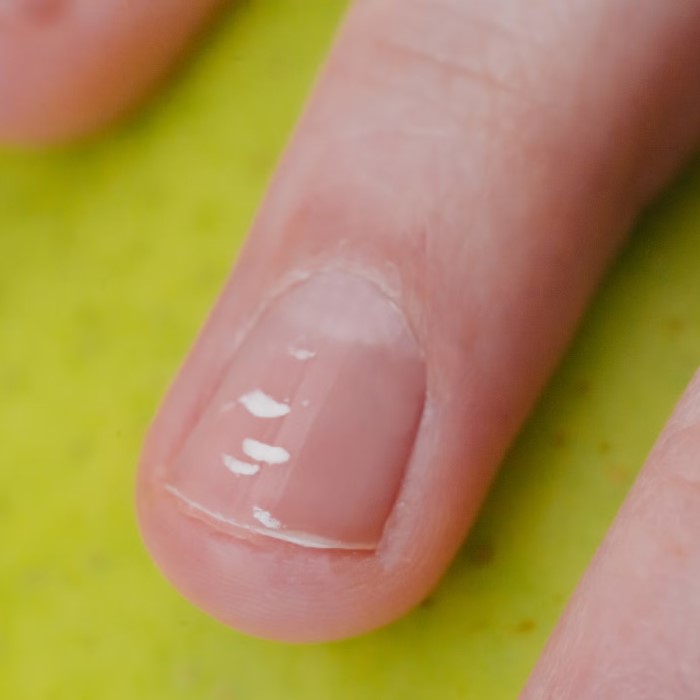
Why is there a white spot on my nail? Identifying the cause of white spots on nails is essential for proper care and treatment. Diagnosis involves assessing the appearance, as well as understanding potential underlying factors. Taking careful notice of any additional symptoms is crucial to determine if there’s a more serious health concern.
When to See a Doctor
White spots on nails are often harmless. However, certain situations may need medical attention:
- If white spots persist or worsen over time.
- When nails become brittle, thick, or change color.
- If pain or swelling occurs around the nail.
- When white spots spread to multiple nails.
- If the condition doesn’t improve with at-home remedies.
In such cases, seeing a healthcare provider helps determine the root cause. They can rule out serious underlying conditions or infections.
Tests and Examinations
Why is there a white spot on my nail? Doctors may perform specific tests to identify the cause of white spots. These include:
- Medical History: The doctor may ask about recent injuries, use of nail products, or medication.
- Physical Examination: The appearance, shape, and texture of your nails will be assessed thoroughly.
- Lab Tests: For suspected fungal infections, scrapings from the nail may be examined.
- Blood Tests: If nutritional deficiencies or underlying diseases are suspected, blood work might be done.
- Biopsy: In rare cases, a small tissue sample may be taken for deeper analysis.
By conducting these evaluations, the doctor can identify whether the spots stem from trauma, an allergy, an infection, or a health condition. Early diagnosis allows for effective treatment and ensures healthier nails in the future.

Treatment Options for White Spots on Nails
Why is there a white spot on my nail? Proper treatment helps improve nail health and prevents the recurrence of white spots. Treatment options depend on the cause and severity of the appearance. Here are the main approaches.
At-Home Remedies
At-home remedies are simple, affordable solutions for minor nail issues.
- Keep Nails Moisturized: Regularly apply moisturizing creams or oils. This prevents dryness that can worsen nail issues.
- Avoid Harsh Chemicals: Use nail products free of harmful chemicals. Look for formulas labeled “natural” or “non-toxic.”
- Dietary Improvements: Include nutrient-rich foods such as nuts, dairy, fish, and leafy greens. These foods provide essential vitamins like zinc and calcium.
- Promote Nail Growth: Trim nails properly to prevent trauma. Use proper tools and avoid biting nails.
- Use Tea Tree Oil: Tea tree oil has antifungal properties. Apply diluted oil to affected areas to fight mild fungal infections.
- Good Hygiene Practices: Keep nails clean and dry. Wear breathable shoes and avoid exposing toenails to excessive moisture.
These remedies work for cases like minor trauma or early fungal infections. Consistency leads to better results.
Medical Treatments and Professional Care
If at-home remedies do not resolve the problem or symptoms worsen, medical treatments are necessary.
- Antifungal Creams and Medications: Dermatologists may prescribe topical antifungal creams or oral medications for severe fungal infections.
- Nutritional Supplements: If white spots result from deficiencies, supplements like zinc or calcium may be recommended.
- Allergy Management: Identify and avoid nail products causing allergic reactions. Doctors may suggest hypoallergenic alternatives.
- Medical Procedures: For stubborn infections or other serious issues, procedures like nail removal could be required.
- Treating Underlying Conditions: If white spots indicate conditions like psoriasis or kidney disease, timely medical care is vital.
- Regular Consultation: Scheduling regular visits with a dermatologist helps monitor nail health and ensures effective treatment.
Combining at-home care and professional treatments can help restore nail health quickly and effectively. Always consult a healthcare provider for persistent or unusual cases.
Preventing White Spots on Nails
Taking proactive steps can effectively prevent the appearance of white spots on your nails. By maintaining good nail health, you can reduce the chances of issues arising.
Nail Care Tips
- Keep Nails Clean and Dry: Always keep your nails free from dirt and moisture. Wet conditions can encourage fungal growth.
- Avoid Nail Biting: Nail biting can damage the nail bed, leading to white spots. Find alternatives to break this habit.
- Protect Nails During Activities: Wear gloves when gardening or cleaning to prevent injury or chemical exposure.
- Trim Nails Properly: Use sharp nail clippers and avoid excessive trimming of cuticles to reduce nail trauma.
- Choose Safe Nail Products: Avoid products with harsh chemicals like toluene or formaldehyde. Opt for non-toxic formulas.
- Use Moisturizers: Apply hand creams or cuticle oils daily to keep nails hydrated and healthy.
- Practice Good Hygiene: Regularly wash hands and feet. Trim nails frequently to prevent dirt buildup.
Importance of a Balanced Diet
A healthy diet is crucial for strong and healthy nails. Deficiency of essential nutrients can cause white spots.
- Include Zinc-Rich Foods: Consume nuts, seeds, and eggs to support nail growth.
- Focus on Calcium Intake: Dairy products, leafy greens, and fortified foods help strengthen nails.
- Consume Protein-Rich Foods: Nails are made of keratin, which requires protein. Add lean meats, beans, and fish.
- Take Vitamins: Vitamin A and D ensure better nail health. Supplements can also be helpful.
- Stay Hydrated: Drinking enough water prevents dehydration and brittle nails.
By combining proper nail care habits with a nutrient-rich diet, you can prevent the development of white spots on your nails effectively.
Myths and Misconceptions About White Spots on Nails
Why is there a white spot on my nail? Understanding white spots on nails is essential to distinguish facts from common myths. These misconceptions can often lead to unnecessary worries or improper care.
Common Misunderstandings
- White Spots Are Calcium Deficiency Only: Many people believe white spots are solely due to calcium deficiency. While calcium is essential for healthy nails, white spots are usually caused by minor injuries, allergies, or fungal infections, rather than exclusively a lack of calcium.
- They Indicate Serious Illness: It’s a myth that white spots are always a sign of severe illnesses. While rare, underlying conditions like kidney issues or psoriasis might cause them. Most cases are harmless and resolve on their own.
- They Spread Quickly Across All Nails: White spots do not necessarily spread to other nails. If they do, it could point to an infection or another specific issue needing attention.
- They Can Be Scraped Off: Attempting to scrape off white spots is a misconception. It often results in further damage to nail health.
- Using Whitening Products Will Fix Them: Whitening products may enhance nail appearance temporarily. However, they don’t address the underlying cause.
Facts vs. Myths
- Fact: White spots can happen after nail trauma. Even minor hits or nail-biting can cause them.Myth: White spots develop because of improper nail care. Minor injuries are often the key culprit.
- Fact: Nutritional deficiencies like zinc deficiency can result in white spots.Myth: Only a poor diet causes white spots on nails.
- Fact: Allergies to nail polish or glue can lead to white spots.Myth: Nail products never harm nails.
- Fact: Fungus may cause white spots, especially on toenails.Myth: Only dirty environments lead to fungal infections.
Understanding the difference between myths and facts about white spots on nails makes proper care easier. By addressing the real causes, you can maintain better nail health and avoid unnecessary concerns.
When Should You Be Concerned?
White spots on nails are usually harmless. However, certain signs might indicate deeper health issues. It’s important to pay attention to symptoms and consult a doctor when necessary.
Signs of Serious Health Conditions Linked to White Spots
- Persistent White Spots: Spots that do not fade over time could signal an underlying problem.
- Spots on Multiple Nails: If white spots appear on several nails, it might indicate a systemic issue.
- Nail Texture Changes: Nails that become brittle, thickened, or weaken might point to serious conditions.
- Color Change in Nails: Yellow or brown discolorations alongside white spots could indicate a fungal infection.
- Pain or Swelling: Redness, pain, or swelling around the nail suggests possible infections or trauma.
- Recurring Fungal Infections: Frequent fungal issues might point to an immunity or hygiene-related concern.
- Associated Skin Symptoms: If conditions like eczema or psoriasis accompany white spots, medical advice is essential.
- Other Symptoms: Fatigue, swelling, or unusual health concerns could signify conditions such as anemia or kidney disease.
If any of these symptoms occur, do not ignore them. Early diagnosis ensures timely treatment and prevents further complications. Always consult a healthcare provider for a personalized assessment.
Final Thoughts: Addressing Your Concerns
While the appearance of white spots can be concerning, they are often harmless and can be addressed through proper care and lifestyle adjustments. Keeping your nails healthy is crucial not only for aesthetics but also for overall well-being. If you find yourself continually asking, “Why is there a white spot on my nail?” remember that proactive care can go a long way.
In conclusion, if you identify any concerning changes in your nails, don’t hesitate to seek advice from a healthcare provider. By understanding the causes and implementing preventative measures, you can maintain beautiful and healthy nails.