Is Niacinamide Good for Oily Skin? How It Helps Control Shine
Introduction: Understanding Oily Skin
When it comes to skincare, one of the common concerns people face is oily skin. Individuals with oily skin often struggle with excess shine, clogged pores, and acne. This leads many to search for effective solutions that can balance their skin without causing irritation. Among various options, niacinamide stands out as a popular ingredient, but is niacinamide good for oily skin?

This article will explore the benefits of niacinamide, how it can help control shine, and why it should be included in your skincare routine if you have oily skin. With a thorough understanding of this potent ingredient, you can make informed choices to achieve a clearer and healthier complexion.
What is Niacinamide?
Niacinamide is a form of Vitamin B3, an essential nutrient for healthy skin. It is water-soluble and works well with all skin types. Niacinamide helps improve skin function and repair issues effectively.
Niacinamide is a popular ingredient in skincare products due to its multi-functional benefits. It plays a key role in maintaining healthy skin barrier function. It boosts hydration levels and reduces skin issues like oiliness and acne.
This ingredient is well-tolerated by most skin types, including oily and sensitive skin. Niacinamide strengthens the skin’s natural barrier, preventing moisture loss and irritation. It also minimizes damage caused by environmental stressors like pollution.
For oily skin, niacinamide is particularly beneficial. It regulates oil production and controls shine effectively. By keeping excess oil in check, it reduces the risk of clogged pores and breakouts.
Additionally, niacinamide improves overall skin texture and tone. It promotes even pigmentation and reduces redness and blotchiness.
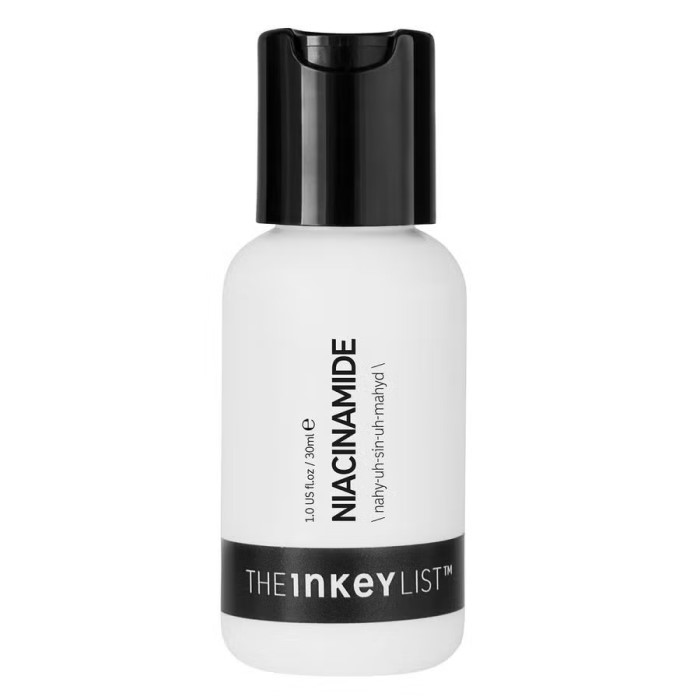
Niacinamide can be found in a variety of skincare products. These include serums, moisturizers, and cleansers. Its versatility makes it a staple in skincare routines for addressing specific skin concerns.
How Niacinamide Works for Skin
Niacinamide works by deeply penetrating the skin and addressing various concerns effectively. As a water-soluble vitamin, it combines easily with skin-friendly ingredients.
One of its key functions is strengthening the skin barrier. This helps retain moisture and prevents water loss. A healthy barrier protects the skin from damage caused by pollutants and toxins.
Niacinamide also plays a role in reducing inflammation. It soothes irritated skin and helps calm redness or blotchiness. This makes it suitable for sensitive and acne-prone skin types.
Additionally, niacinamide regulates sebum production. It balances oil levels, which is especially beneficial for oily skin. Controlled oil production minimizes shine and lowers the risk of clogged pores. This contributes to fewer breakouts and improved skin clarity.
The vitamin also supports melanin regulation. This helps in improving pigmentation, dark spots, and uneven skin tone.
Niacinamide enhances collagen production, leading to firmer and more youthful skin. It also protects against oxidative stress caused by environmental aggressors like UV rays and pollution.
Overall, niacinamide addresses multiple skincare concerns, providing healthier, balanced, and more radiant skin.
Key Benefits of Niacinamide for Oily Skin
Is niacinamide good for oily skin? Niacinamide provides essential benefits for oily skin. Its unique properties make it suitable for managing oil production and improving skin health. This powerhouse ingredient addresses multiple challenges faced by oily skin.

Reducing Excess Oil Production
Niacinamide is highly effective in balancing oil levels. It regulates the activity of sebaceous glands, reducing excessive oil production. With controlled oil levels, the skin appears less shiny. This benefit helps prevent clogged pores and enhances overall skin clarity.
Minimizing Pore Appearance
Large pores often accompany oily skin issues. Niacinamide helps to refine the appearance of pores. It boosts collagen production, which tightens and smooths the skin. Over time, consistent use can result in smaller-looking pores and more even skin texture.
Preventing Acne and Breakouts
Acne and breakouts are common concerns for oily skin types. Niacinamide’s anti-inflammatory properties soothe irritation and reduce redness. Its ability to control sebum production lowers the risk of clogged pores, effectively preventing acne. It also enhances skin’s natural immunity, creating a healthier surface resistant to bacterial growth.
Improving Skin Texture and Tone
Niacinamide supports an even and improved skin tone. It reduces discoloration and blotchiness, promoting a radiant complexion. Additionally, it strengthens the skin barrier and enhances hydration, making the skin smooth. Regular application of niacinamide helps oily skin look balanced and refreshed.
Niacinamide is a versatile, non-irritating ingredient that transforms oily skin. From managing oil to improving texture, it provides comprehensive benefits for better-looking skin.
How to Incorporate Niacinamide into Your Skincare Routine
Is niacinamide good for oily skin? Niacinamide is easy to add to your skincare routine. It works well with most products. To maximize its benefits, choose products tailored to your skin type and concerns.
Best Products Containing Niacinamide
Niacinamide is available in various skincare products. Popular options include serums, moisturizers, and cleansers. Look for products with high-quality formulations to ensure effectiveness.

Niacinamide serums are highly concentrated. They target specific concerns like oiliness, acne, and uneven tone. These serums work best after cleansing and before your moisturizer.
Moisturizers with niacinamide provide hydration and balance. They are suitable for daily use and improve skin texture over time. Cleansers with niacinamide are great for gently removing impurities. They prepare the skin for better absorption of other products.
When shopping, prioritize products from reputable brands. Read reviews and check for dermatologist recommendations. This ensures you are investing in reliable skincare solutions.
Ideal Concentrations for Oily Skin
Niacinamide is effective at different concentrations. For oily skin, look for products with 2-5% niacinamide. Lower concentrations focus on skin hydration and mild oil control.
Higher concentrations, like 10%, may target specific concerns such as acne or pigmentation. However, choose concentrations as per your skin sensitivity. Testing a product on a small area first can avoid irritation.
Using excessive amounts does not yield better results. Follow product instructions for optimal usage. Consistency in application is key to seeing benefits over time.
Tips for Layering Niacinamide with Other Skincare Products
Is niacinamide good for oily skin? Niacinamide pairs well with most ingredients. It complements active ingredients like hyaluronic acid and peptides. For the morning routine, apply niacinamide after cleansing and toning. Follow with sunscreen to protect your skin.
At night, layer niacinamide after cleansing and before stronger actives, like retinol or AHAs. Avoid mixing niacinamide with Vitamin C to prevent reactions. Apply them at separate times if needed.
Start with a patch test when trying new combinations. This ensures your skin can tolerate the ingredients. Gradually introduce niacinamide into your routine to observe its effects.
Proper layering ensures you get all the benefits of niacinamide. Balance is essential for a healthy and radiant complexion.
Potential Side Effects and Precautions
Niacinamide is generally safe for most skin types, including oily skin. However, some individuals may experience side effects or reactions.
Common Side Effects
Common side effects of niacinamide are rare but may include mild irritation. This could manifest as redness, itching, or a slight stinging sensation. Most reactions occur due to high concentrations or using too many products at once.
Precautions for Sensitive Skin
For sensitive skin, start with a lower concentration of niacinamide. Products with 2-5% are gentle and effective. Patch test before using a new product. Apply on a small area to monitor reactions. If irritation occurs, consult a dermatologist.
Overuse Concerns
Using excessive or high concentrations may disrupt skin balance. Overuse can lead to redness or dryness. Follow product instructions carefully, and avoid layering too many active ingredients at once.
Interactions with Other Ingredients
Niacinamide may interact with certain ingredients like Vitamin C. Combining them may cause skin reactions. Use them at different times to avoid issues. Consult skincare professionals for layered routines.
Recommendations for Safe Usage
Start with niacinamide every other day, then gradually increase frequency. Avoid mixing with products that irritate your skin. Hydrate well, and wear sunscreen daily to protect your skin.
Niacinamide Myths and Misconceptions
Niacinamide is widely praised for its skincare benefits, especially for oily skin. However, there are some common myths and misconceptions about its usage and effectiveness. Let’s clear up these misunderstandings to help you make the most of this ingredient.
Myth 1: Niacinamide Causes Excess Oil Production
Some believe niacinamide increases oil production in oily skin. This is false. Niacinamide helps regulate sebum levels, reducing excess oil. It effectively prevents a greasy appearance, promoting balanced and healthier skin.
Myth 2: Higher Concentrations Always Work Better
Many assume higher niacinamide concentrations yield faster results. However, this is not true. While concentrations like 10% can address specific skin issues, higher levels don’t always mean better outcomes. Excessively high doses might lead to irritation for sensitive skin types. Stick to 2-5% for balanced results.
Myth 3: Niacinamide Is Not Safe for Sensitive Skin
Some believe niacinamide is unsuitable for sensitive skin. In reality, it is one of the most well-tolerated ingredients. For individuals with sensitive skin, starting with a lower concentration ensures safety and effectiveness.
Myth 4: Niacinamide Causes Skin Dryness
Dryness is falsely attributed to niacinamide use. Instead, niacinamide strengthens the skin barrier and boosts hydration. It locks in moisture, making the skin appear radiant and smooth.
Myth 5: Niacinamide and Vitamin C Cannot Be Used Together
It is often stated that niacinamide and Vitamin C can’t be combined. This is outdated information. Studies now prove it is safe to use both ingredients in skincare, provided they are formulated properly. However, using them at separate times may still work better for various skin types.
Myth 6: Niacinamide Delivers Instant Results
Some believe niacinamide works immediately. Like other skincare products, real results take time. Regular use and consistency are necessary to see benefits, such as better skin tone and reduced oiliness.
By debunking these myths, you can optimize the use of niacinamide. Understanding its real benefits ensures your skincare routine is safe and effective.
Derm-Recommended Practices for Oily Skin Management
Managing oily skin requires a consistent and effective skincare routine. Dermatologists emphasize certain practices to maintain balanced and healthy skin. Following these recommendations can help reduce oiliness and prevent related issues.
Use a Gentle Cleanser
Cleansing is essential for oily skin. Dermatologists recommend using a gentle, sulfate-free cleanser. This removes excess oil, dirt, and impurities without stripping the skin. Wash your face twice daily—morning and night—for the best results.
Incorporate Niacinamide into Your Routine
Niacinamide is highly effective for oily skin. It regulates sebum production and reduces shine. Use a niacinamide serum or moisturizer regularly to improve skin texture and minimize pores. Choose formulations with 2-5% niacinamide for balanced results.
Exfoliate Regularly
Regular exfoliation helps remove dead skin cells and unclogs pores. Use chemical exfoliants like salicylic acid, as they are gentle and effective. Avoid harsh scrubs, which can irritate skin and increase oil production.
Moisturize Daily
Even oily skin needs hydration. Choose lightweight, oil-free moisturizers to maintain a healthy skin barrier. Look for ingredients like hyaluronic acid or niacinamide for added hydration without greasiness.
Apply Sunscreen
Sunscreen is vital for oily skin to prevent damage from UV rays. Opt for a matte, non-comedogenic formula. Apply it daily, even on cloudy days, to protect against sun damage and premature aging.
Avoid Overwashing
Avoid washing your face too frequently, as it can trigger more oil production. Stick to cleansing twice a day and pat your skin dry gently with a towel.
Choose Non-Comedogenic Products
Non-comedogenic products do not clog pores. Choose foundations, sunscreens, and skincare products labeled as non-comedogenic. These are specifically formulated for oily or acne-prone skin.
Maintain a Balanced Diet
Diet plays an important role in skin health. Reduce fatty, sugary, and fried foods that may increase oiliness. Include fresh fruits, vegetables, lean protein, and omega-3-rich foods to support healthy skin.
Stay Hydrated
Drink enough water throughout the day to keep your skin hydrated from within. Proper hydration helps regulate oil production and maintains a healthy complexion.
Consult a Dermatologist
Visit a dermatologist for personalized skincare advice. They can recommend products or treatments tailored to your skin type and concerns, such as excessive oiliness or acne.
By following these derm-recommended practices, you can effectively manage oily skin. Consistency is key for achieving clear, healthy skin.
Conclusion: The Benefits of Niacinamide for Oily Skin
In summary, the question, is niacinamide good for oily skin, has a resounding “yes.” This multifunctional compound boasts several remarkable properties that can help control shine, minimize breakouts, and improve overall skin texture. From its ability to regulate oil production to its calming effects, niacinamide is a versatile ingredient that deserves a place in your skincare routine.
Incorporating niacinamide into your skincare regimen may lead to visibly healthier, more radiant skin. As with all skincare products, patience is crucial. Continued use is often necessary to see the full extent of its benefits. So, try adding niacinamide to your collection and enjoy the transformative effects it can bring to your oily skin!