Colors That Look Good on Pale Skin: Top Trends for This Year
Introduction: Understanding Pale Skin Tones
When it comes to fashion and personal style, understanding how colors interact with your skin tone is crucial. For those with pale skin, choosing the right colors that look good on pale skin can make a significant difference in overall appearance. Light complexions can often appear washed out or dull when paired with the wrong hues, so it’s important to select colors that enhance and brighten your natural beauty.

In this article, we will thoroughly explore the trending colors for pale skin in 2025 and provide tips on how to incorporate them into your wardrobe. Additionally, we will discuss the characteristics of pale skin, offer insights into what shades to avoid, and provide styling tips to help you look your best. Whether you’re updating your closet for the new season or preparing for a special event, knowing the right colors to wear is essential for achieving a polished look.
Why Color Matters for Pale Skin
- Impact of Color on Appearance: The right colors can enhance your overall visual appearance, making your skin look healthier and more vibrant. For individuals with pale skin, choosing the right shades can provide contrast and complement their complexion, leading to an overall brighter look. Conversely, the wrong colors may draw attention to imperfections and cause the skin to appear dull.
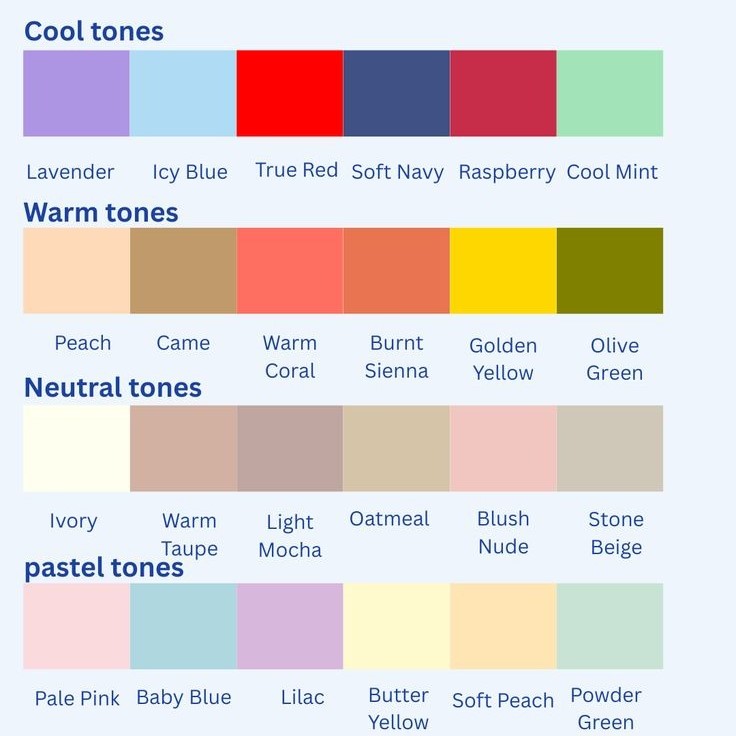
- Understanding Undertones: Different pale skin tones have unique undertones—cool, warm, or neutral. Knowing your undertone is essential in selecting the best colors. For example, those with cool undertones might look stunning in cool blues and purples, while warm undertones shine in earth tones and soft pastels. Understanding which colors complement your undertone can enhance your natural beauty even further.
- Psychological Effects of Color: Colors can evoke emotional responses and affect how others perceive you. Wearing colors that complement your pale skin can enhance your confidence and help you project a positive image. When you choose the right shades, you feel good about how you look, which can impact your mood.
Trending Colors for Pale Skin in 2025
- Pastel Palettes: Soft pastel colors are making a big comeback in 2025. Shades like lavender, mint green, peach, and baby blue are particularly flattering for pale skin. These light, airy colors provide a gentle contrast and illuminate your complexion without overwhelming it. Incorporating pastel hues into your wardrobe can give you a fresh and youthful appearance.
- Bold Jewel Tones: Bold jewel tones such as emerald green, sapphire blue, amethyst, and rich burgundy offer a striking contrast against pale skin. These vibrant colors are currently trending and add depth and richness to your wardrobe. When paired with pale skin, jewel tones can create a sophisticated look that stands out in any setting.
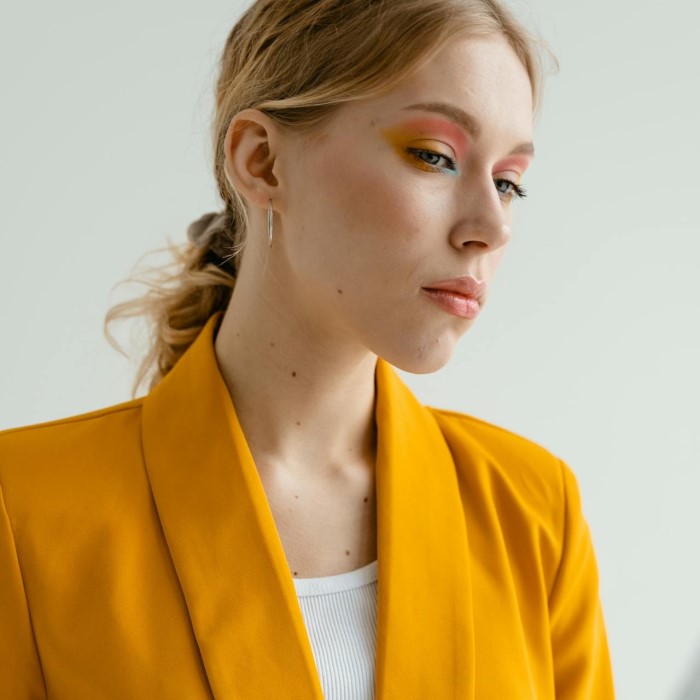
- Warm Earth Tones: Warmer earth tones like terracotta, mustard yellow, olive green, and soft browns are also trending this season. These shades bring warmth to your complexion, making them ideal choices for both casual and formal attire. Earth tones can be mixed and matched easily, adding versatility to your wardrobe.
- Neutrals with a Twist: While traditional neutrals like beige and gray remain popular, this year we see unconventional neutrals emerging as trends. Shades like blush pink, sage green, and soft taupe provide unique options that can serve as versatile bases for any outfit. These colors allow for layering and pairing with bolder shades, creating harmonious ensembles.
- Classic Black and White: Black and white are timeless staples that work beautifully with pale skin. While black can sometimes wash out lighter complexions, combining it with white or other bright colors can create striking outfits. These shades can form the foundation of your wardrobe, providing endless styling possibilities.
How to Incorporate These Colors into Your Wardrobe
Mix and Match
- Embrace Creativity: When updating your wardrobe, consider the art of mixing different colors that complement one another. This technique not only enhances your attire but also showcases your creativity. For example, you could pair a soft pastel blouse with bold, contrasting pants, creating a lively outfit that draws the eye. The juxtaposition of colors adds visual interest and makes your ensemble stand out.
- Neutral Combinations: For a versatile and chic look, consider pairing a neutral-colored dress with a vibrant jacket. The neutral base allows the bold outer layer to take center stage, adding a pop of color without overwhelming the outfit. This approach can be effective for both casual and formal occasions, ensuring you look stylish effortlessly.
- Experimentation is Key: Don’t hesitate to experiment with various color combinations. Mixing unexpected colors can lead to unique outfits that reflect your personal style. Testing different shades together can help you discover what works best for you and may even inspire new ideas for future outfits.
Accessorize with Color
- Start Small: If you’re uncertain about fully incorporating bright colors into your clothing choices, start small by using colorful accessories. Accessories serve as an excellent way to introduce new shades into your wardrobe without feeling overexposed.
- Types of Accessories: Consider options such as scarves, bags, statement jewelry, and shoes. A brightly colored scarf can enliven a simple outfit, while a bold handbag can serve as a focal point that ties the look together. Statement jewelry can add flair to both casual and formal ensembles.
- Flexibility in Style: Incorporating color through accessories allows for greater flexibility in how you express your style. You can easily switch accessories daily, enabling various looks without needing an entirely new outfit. This approach is ideal for keeping your wardrobe fresh and appealing.
- Trend Exploration: Using colorful accessories also permits you to play with current trends without making a significant commitment. You can experiment with seasonal colors that look good on pale skin or popular shades of the moment, all while keeping your foundational wardrobe intact.

Layering Techniques
- Versatility of Layering: Layering is an effective technique for incorporating multiple colors into your outfits while adding depth and interest. This strategy allows you to mix various shades and patterns without losing sight of your overall style.
- Example Combinations: Consider layering a light pastel shirt under a darker jacket. This method creates an appealing contrast while providing an opportunity to showcase the pastel’s softness. Similarly, combining an earth-toned bottom with a jewel-toned top can create a rich color palette that feels cohesive yet dynamic.
- Fashion Depth and Dimension: Layering techniques can add dimension to your look, helping create a more polished and intentional appearance. This approach enables you to transition easily between casual and formal settings while maintaining your individual style.
- Practical Benefits: Layering also has practical benefits, providing warmth in colder months or allowing for adjustable looks throughout the day. For example, wearing a light cardigan over a blouse can make an outfit more appropriate for varying temperatures.
Seasonal Adjustments
- Adapt Your Wardrobe: Adapting your color choices based on the season enhances your style and keeps your wardrobe feeling relevant. Different times of the year bring natural shifts in color palettes, which allows you to refresh your outfits routinely.
- Spring and Summer: During the spring and summer months, light, pastel colors work exceptionally well. These shades evoke feelings of warmth and freshness, perfect for sunny days. Incorporating shades like soft pink, light blue, and pale yellow can brighten your look.
- Autumn and Winter: As the seasons transition into fall and winter, consider deeper, richer jewel tones. Colors such as emerald green, royal blue, and burgundy are perfect for these months. These hues add sophistication and warmth, making them ideal for cozying up during cooler weather.
- Maintaining Freshness: Regularly adjusting your wardrobe according to seasonal trends helps maintain a fresh look. By keeping up with what’s in style, you ensure your outfits remain fashionable and aligned with contemporary aesthetics. This attentiveness to seasonal adjustments ultimately enhances your overall sense of style and confidence.
What Colors to Avoid with Pale Skin
- Overly Bright Colors: Bright neon shades can clash with pale skin, often creating an unflattering look. These intense colors might overshadow your natural complexion and draw attention away from your features. It’s best to steer clear of such bold hues if you’re looking for a harmonious appearance.
- Dark Colors without Contrast: While black can be a classic choice, relying heavily on dark colors may wash out pale skin tone. Instead of wearing one solid color, consider adding pops of brighter colors or lighter shades to the ensemble. This prevents looking drab and keeps the outfit lively.
-
Colors Too Close to Skin Tone: Avoid colors that are too similar to your skin tone, such as certain beiges or pale yellows. These colors can minimize your features and lead to a washed-out appearance. Aim for colors that create a vibrant contrast to enhance your overall look.
Frequently Asked Questions About Colors and Pale Skin
- What color looks best on pale skin?
Colors like pastels (lavender, mint), jewel tones (emerald, sapphire), and warm earth tones (mustard, terracotta) typically look best on pale skin as they enhance natural beauty without overwhelming the complexion. - What colors to avoid with pale skin?
Avoid overly bright neon colors, dark colors without contrast, and shades too close to your skin tone, such as light beige, as these can wash you out or clash with your complexion.
Conclusion: Embrace the Right Colors for Your Complexion
In conclusion, understanding colors that look good on pale skin is vital for enhancing your appearance and boosting your confidence. By embracing trending shades like pastels, jewel tones, and warm earth colors, you can curate a wardrobe that accentuates your natural beauty. Additionally, incorporating layering techniques and accessorizing with colors allows for versatility and creativity in your outfits.
As you explore your fashion options this year, remember to consider your undertones and how different shades can affect your overall look. With the right colors that look good on pale skin, you can brighten your appearance and make a statement with your style. Refresh your wardrobe for 2025 by embracing colors that truly look good on your pale skin!