Good Moisturizer for Combination Skin: Key Ingredients to Look For
Contents
hide
Introduction: Understanding Combination Skin
Navigating the world of skincare can often feel overwhelming, particularly when it comes to finding a good moisturizer for combination skin. This skin type presents unique challenges, as it features both dry and oily areas. The T-zone—typically the forehead, nose, and chin—may exhibit oiliness, while the cheeks remain dry or sensitive. Therefore, choosing the right moisturizer becomes paramount in maintaining a balanced complexion.
A well-formulated moisturizer for combination skin should cater to both the dry and oily aspects of your face. It must provide adequate hydration to dry areas while not aggravating oiliness in other sections. In this comprehensive article, we will explore the key ingredients to look for in a moisturizer suited for combination skin, practical tips for selecting the perfect product, and strategies for applying them effectively. Moreover, we’ll delve into some common questions, providing you with the knowledge you need to make informed choices.
The Importance of Selecting the Right Moisturizer
- Balancing Act: A good moisturizer for combination skin serves as a mediator for combination skin. As the skin balances between dry and oily, the right product can make a noteworthy difference. The ideal moisturizer maintains moisture in dry zones while controlling oil production in the T-zone. Without proper hydration, dry patches can worsen, and oiliness can lead to breakouts.
- Adaptability and Versatility: Since combination skin can fluctuate with seasons, hormonal changes, and climate, a versatile moisturizer that adapts to these variations is crucial. Such a product can keep your skin looking vibrant and healthy regardless of external conditions. Look for moisturizers that describe themselves as “lightweight” or “non-comedogenic,” as these will likely cater to your specific skin needs.
- Enhanced Skin Health: Choosing the right moisturizer not only improves your immediate appearance but also contributes to long-term skin health. Proper hydration reduces the likelihood of dryness, irritation, and breakouts, thereby enhancing your overall complexion. It creates a protective barrier, promotes skin elasticity, and supports the skin’s natural functions.
Key Ingredients to Look For
- Hyaluronic Acid: This powerful humectant is essential for any good moisturizer aimed at combination skin. Hyaluronic acid attracts water from the environment and binds it to the skin. This is particularly beneficial because it can provide hydrated, plump skin without feeling heavy or greasy. It works remarkably well in conjunction with other ingredients and enhances their effectiveness.
- Glycerin: Similar to hyaluronic acid, glycerin is another potent humectant that draws moisture to the skin. Its ability to hold onto water allows it to be beneficial for both dry and oily areas. Look for products with a high glycerin content to reap its benefits without overwhelming your skin. Glycerin not only hydrates but also helps to soften and soothe the skin.
- Niacinamide: Also known as vitamin B3, niacinamide is a multitasker in the skincare realm. It helps regulate oil production, enhance the skin barrier function, improve skin tone, and even reduce the appearance of fine lines. Incorporating niacinamide into your moisturizer can be particularly effective for addressing the unique challenges of combination skin. It is well-tolerated by all skin types, making it a fantastic addition to your routine.
- Aloe Vera: Renowned for its soothing and hydrating properties, aloe vera extracts are a fantastic addition to moisturizers for combination skin. It calms irritation and delivers moisture without adding excess oil, making it especially suitable for the drier areas of combination skin. Incorporating aloe vera can promote a balanced and smooth complexion while providing relief from skin discomfort.
- Lightweight Oils: Including light oils such as jojoba oil or squalane can balance moisture without clogging pores. These oils mimic the skin’s natural sebum and help regulate oil production, making them ideal for combination skin types. They provide hydration where needed, making your skin feel soft and supple without feeling heavy.
What to Avoid in a Moisturizer for Combination Skin
- Heavy Creams: Avoid thick, heavy creams that may clog pores and worsen the oiliness in the T-zone. Heavier moisturizer formulations can overwhelm combination skin, leading to breakouts and increased shine. Instead, opt for lightweight, non-comedogenic formulations that hydrate without creating excess shine.
- Alcohol-Based Ingredients: Stay clear of moisturizers that contain high levels of harsh alcohol. While some alcohols can be beneficial (like cetyl alcohol), harsh alcohols can strip the skin of moisture, prompting oily areas to produce more sebum as a response. This battle between hydration and oiliness can exacerbate your combination skin problems.
- Fragrances and Irritants: Fragrances can irritate sensitive skin and may lead to dryness or breakouts. It’s advisable to choose fragrance-free products or those containing gentle, natural fragrances. Always check product labels for potentially irritating ingredients, especially if your skin tends to react to certain substances.
Recommended Moisturizers for Combination Skin
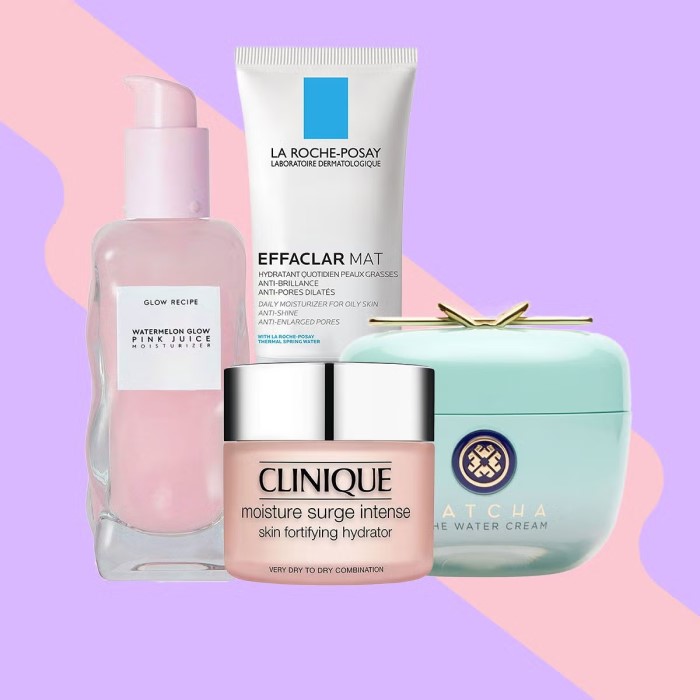
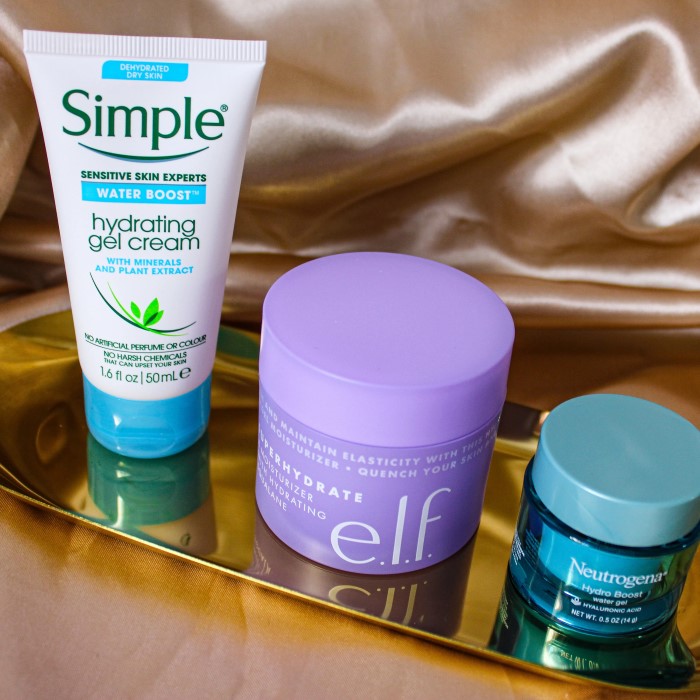
- Lightweight Gel Creams: Many brands now offer oil-free gel creams formulated specifically for combination skin. These products typically incorporate hyaluronic acid and glycerin for hydration, all while remaining lightweight on the skin. Examples include Neutrogena Hydro Boost Water Gel and Clinique Moisture Surge.
- Moisturizers with SPF: A good daytime moisturizer that includes SPF protection is essential. Look for non-comedogenic options that provide both hydration and UV defense. This protects your skin without feeling heavy or greasy, combining hydration with protection.
- Dermatologist-Recommended Options: Always consider products recommended by dermatologists. These moisturizers are formulated with science-backed ingredients designed to cater to various skin needs, including combination skin. Options like CeraVe AM Facial Moisturizing Lotion and La Roche-Posay Toleriane Double Repair Moisturizer are well-regarded in the dermatology community.
Tips for Applying Moisturizer
Cleanse First
- Importance of Clean Skin: Starting with a clean canvas is crucial for effective skincare. Your skin’s surface can accumulate dirt, oil, and makeup throughout the day. Cleansing removes these impurities, which can block the absorption of subsequent products, including your moisturizer. By ensuring your skin is clean, you prepare it to fully benefit from the moisturizer you apply afterward.
- Choosing the Right Cleanser: For combination skin, selecting a gentle cleanser is key. Harsh cleansers can strip the skin of its natural oils, leading to increased dryness in certain areas while provoking excess oil production in others. Look for a sulfate-free cleanser that balances the needs of both your oily T-zone and drier cheek areas. Products that are labeled as hydrating or designed specifically for combination skin will typically provide the best results.
- Cleansing Technique: To effectively cleanse your skin, use lukewarm water and the appropriate amount of cleanser. Gently massage the cleanser onto your skin in circular motions for about 30 seconds to a minute. This not only helps to dissolve impurities but also stimulates circulation. Afterward, rinse thoroughly with lukewarm water and gently pat your skin dry with a clean towel. Avoid rubbing your skin, as this can lead to irritation.
Apply on Damp Skin
- Benefits of Applying on Damp Skin: Applying moisturizer to damp skin is essential for achieving optimal hydration. When your skin is slightly moist, the moisturizer can better lock in water. This technique utilizes the skin’s natural ability to absorb moisture, maximizing the effectiveness of humectants present in your moisturizer.
- Method of Application: After cleansing, pat your skin lightly with a towel to remove excess water, but leave it slightly damp. Immediately apply your moisturizer to facilitate the absorption process. Work the product into your skin using upward motions, which can help promote circulation and product penetration.
- Enhancing Humectant Benefits: Humectants like glycerin and hyaluronic acid in your moisturizer thrive on moisture from the environment or the skin. By applying these products onto damp skin, you harness the power of these humectants more effectively, which can result in a plumper and more hydrated complexion.
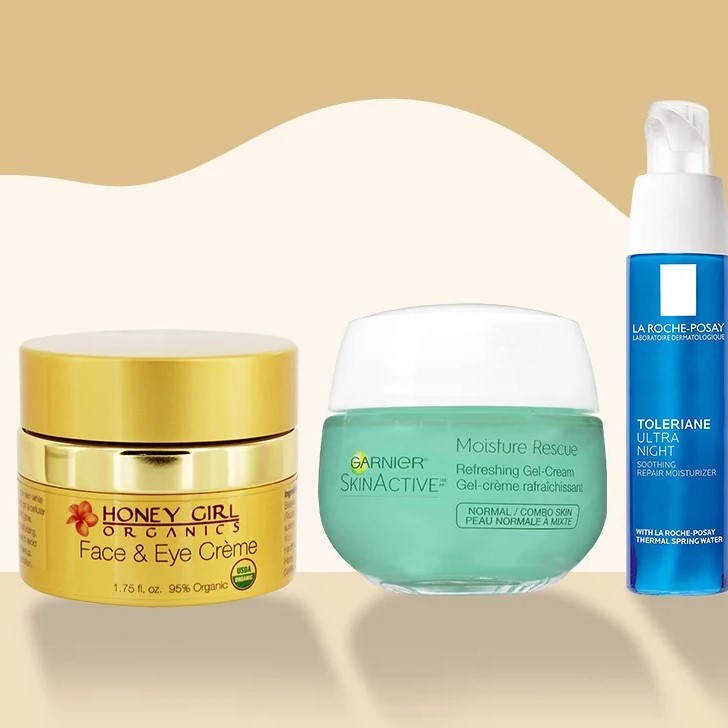
Use Sparingly
- Start with a Small Amount: When using moisturizer, it’s always best to start with a small amount. A dime-sized amount is often sufficient for the entire face, especially for combination skin. This conservative approach prevents overloading the skin with product, which can be detrimental to areas that are already oily.
- Building Up if Necessary: If, after applying the initial amount, you feel that your skin still needs more hydration, you can gradually add a bit more product. This allows you to tailor the moisture level specifically to your skin; over time, you’ll learn how much is right for you without risking excess greasiness or clogged pores.
- Avoiding Greasiness: Using too much moisturizer can lead to a heavy, greasy feeling, particularly in the oilier areas of your face. By monitoring the quantity you use, you can maintain a balanced, fresh complexion and prevent issues such as breakouts or shine. Remember, achieving hydration without the oily residue is the goal for combination skin.
Frequently Asked Questions About Moisturizers for Combination Skin
- Which moisturizer is best for combination skin?
The best moisturizer for combination skin typically contains a balance of hydrating ingredients like hyaluronic acid and glycerin without heavy oils. Lightweight gel formulas work exceptionally well. - What moisturizer do dermatologists recommend for combination skin?
Dermatologists often recommend moisturizers that combine hydrating and oil-regulating ingredients. Brands like Neutrogena, Clinique, and La Roche-Posay frequently receive high praise for their formulations suitable for combination skin. - Who is No. 1 moisturizer?
While there isn’t an official “No. 1” moisturizer, many consider products like Cetaphil Daily Hydrating Lotion or Neutrogena Hydro Boost to be among the top recommendations due to their effectiveness and dermatologist endorsements. - What is the #1 dermatologist recommended moisturizer?
Cetaphil Moisturizing Cream is widely recognized as a top choice recommended by dermatologists, thanks to its gentle formulation and ability to hydrate without clogging pores.
Conclusion: Finding Your Ideal Moisturizer
In conclusion, finding a good moisturizer for combination skin involves understanding your skin’s unique needs and knowing the key ingredients that can help maintain balance. By incorporating hydrating ingredients like hyaluronic acid, glycerin, and niacinamide, you can find a moisturizer that addresses dryness without exacerbating oiliness.
Consider avoiding heavy creams and alcohol-based products while incorporating lightweight gel lotions or creams into your routine. With the right knowledge and a bit of experimentation, you can effectively choose a product that enhances your skin’s health and radiance. Through thoughtful selection and application, achieving balanced skin and improved texture is entirely within reach. Your journey to glowing, healthy skin starts with the right moisturizer—choose wisely!