The Truth About Glycerin: Is Glycerin Good for Skin Health?
Introduction: Understanding Glycerin and Its Role in Skincare
The beauty and skincare industry is filled with various ingredients, each touted for its benefits. One such ingredient that frequently comes up in conversations is glycerin. As consumers become more aware of what they are applying to their skin, they often ask, “Is glycerin good for skin?” This article aims to uncover the truth about glycerin, exploring its benefits, uses, and expert opinions to provide a comprehensive understanding of this popular skincare ingredient.
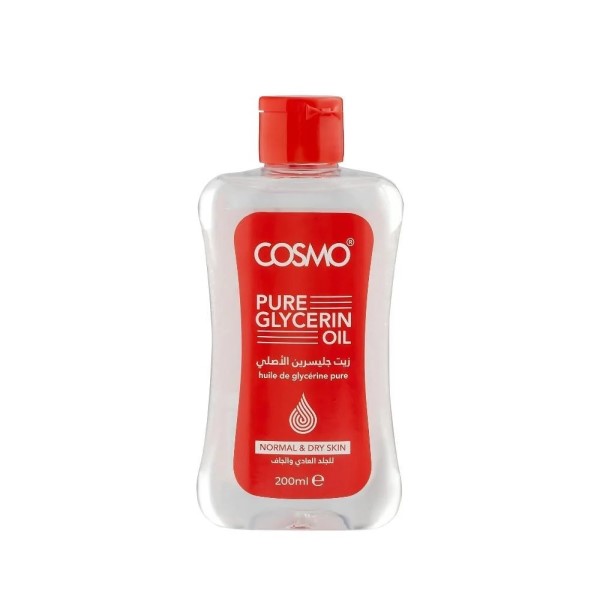
Glycerin, a naturally occurring compound, has gained traction in skincare due to its moisturizing properties and versatility. It is derived from fats and oils and is known for its ability to draw moisture from the air into the skin. This unique feature makes it a staple in numerous skincare products. However, it is crucial to assess whether glycerin is suitable for everyone and how it can be effectively incorporated into a skincare routine.
The Benefits of Glycerin for Skin Health
- Hydration Powerhouse: One of the primary benefits of glycerin is its hydrating capability. Being a humectant, glycerin effectively attracts water from the environment and binds it to the skin. This makes it an ideal ingredient for individuals dealing with dry or dehydrated skin. Glycerin helps keep the skin moist, plump, and supple.
- Soothing Properties: Glycerin also possesses soothing properties, making it beneficial for sensitive skin. It helps repair the skin barrier and reduces irritation, which is particularly valuable for conditions such as eczema or psoriasis. Regular use of glycerin can lead to noticeable improvements in skin texture and overall comfort.
- Compatibility with Other Ingredients: Another advantage of glycerin is its compatibility with various skincare ingredients. It works well with oils, exfoliants, and vitamins, enhancing their absorption into the skin. This allows for effective layering of products in your skincare routine, providing maximum benefits without compromising efficacy.
Is Glycerin Good for Specific Skin Types?
- Oily and Acne-Prone Skin: Is glycerin good for skin? You may wonder if glycerin is appropriate for oily or acne-prone skin. Fortunately, glycerin is non-comedogenic and does not clog pores. Thus, individuals with oily skin can safely use glycerin-based products to help maintain hydration without exacerbating oiliness or breakouts.
- Dry and Mature Skin: For people with dry or mature skin, glycerin offers immense benefits. Its hydrating properties can help diminish the appearance of fine lines and wrinkles by maintaining moisture levels. Regular application can result in a smoother, more youthful appearance.
- Combination Skin: Glycerin works for those with combination skin, too. By providing hydration to dry areas without overwhelming oily zones, glycerin helps create a balanced complexion. It can be particularly useful when included in toners, lotions, and serums.
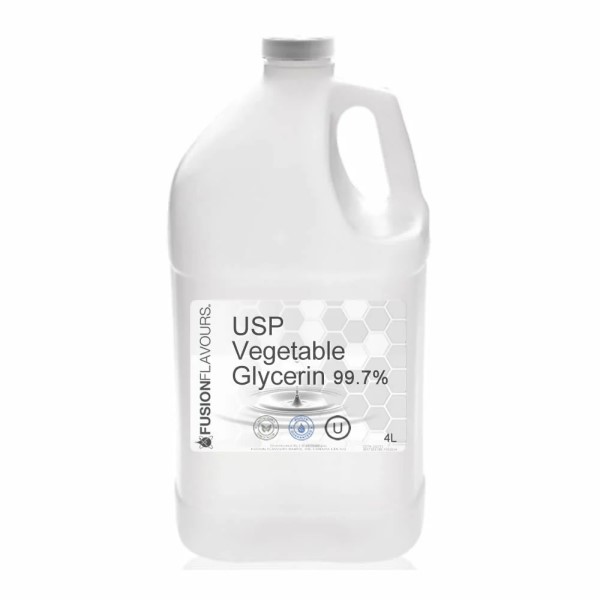
How to Incorporate Glycerin into Your Skincare Routine
Using Glycerin in Products
- Choosing the Right Products: Is glycerin good for skin? The easiest and most effective way to incorporate glycerin into your skincare routine is by selecting products that prominently list it as one of the main ingredients. Common products that often contain glycerin include moisturizers, serums, and toners.
- Moisturizers: When looking for moisturizers, prioritize those that are formulated with glycerin. These products act as excellent hydrators, helping to draw moisture to the skin and keep it supple throughout the day. Ensuring that glycerin is among the first few ingredients on the label indicates a higher concentration, which can significantly enhance hydration.
- Serums: Glycerin is also effective in serum formulations. Serums with glycerin not only hydrate the skin but also penetrate deeper layers, providing long-lasting moisture. When applying a serum, the additional hydration from glycerin can enhance the effectiveness of other active ingredients.
- Toners: Another excellent avenue for incorporating glycerin is through toners. Toners containing glycerin can hydrate and prepare the skin for subsequent skincare steps. They help balance the skin’s moisture levels, making it an essential component of a well-rounded skincare regimen.
- Simplifying Your Routine: By selecting products with glycerin, you can streamline your skincare routine. These products deliver the hydration needed without requiring additional steps or complicated routines. This simplicity can also make your daily skincare process more enjoyable and less time-consuming.
DIY Glycerin Remedies
- Creating Your Own Skincare Products: For individuals who enjoy crafting their own skincare products, glycerin serves as an excellent base ingredient for DIY remedies. This allows for the creation of personalized formulations tailored to your specific skin concerns.
- Hydrating Mist Recipe: One simple recipe involves mixing glycerin with distilled water. A typical ratio is one part glycerin to three parts distilled water. This mixture can be transferred to a spray bottle for easy application.
- Incorporating Essential Oils: To enhance the hydrating mist, add a few drops of your favorite essential oil. Essential oils not only add a pleasant fragrance but can also provide additional skin benefits. For instance, lavender oil is soothing, while tea tree oil offers antibacterial properties.
- Customizing Formulations: Making your own glycerin-based products allows you to cater to your skin’s unique needs. You can experiment with different essential oils and ratios to find the perfect combination that gives your skin the moisture and nourishment it craves.
- Benefits of DIY Products: By creating DIY glycerin remedies, you can control the ingredients and ensure they are suitable for your skin type. Additionally, these products can often be more affordable than pre-packaged skincare items, providing a cost-effective way to nourish your skin.
Layering with Other Ingredients
- Enhancing Hydration with Layering: Glycerin can be effectively layered with other potent ingredients to boost hydration and overall skin health. This technique is particularly valuable in a skincare routine, as it allows you to combine multiple beneficial ingredients without sacrificing effectiveness.
- Using with Hyaluronic Acid: One of the most popular combinations is glycerin with hyaluronic acid. Both are powerful humectants, meaning they attract moisture from the environment into the skin. When used together, they can significantly enhance hydration levels and leave the skin looking plump and glowing.
- Combining with Retinol: Glycerin can also complement retinol, a well-known anti-aging ingredient. Using glycerin after applying retinol can help counteract any drying effects that retinol might cause, making the treatment more tolerable. It balances the formulation, assisting in keeping the skin hydrated while providing anti-aging benefits.
- Proper Layering Techniques: To effectively layer these products, begin with the lightest formulas and work your way up to heavier creams. Start by applying glycerin-based products, then follow with serums or treatments, and finish with moisturizers to seal in all the hydration.
- Elevating Your Skincare Routine: Proper layering techniques can elevate your skincare regimen to new heights. Including glycerin in your product line-up, alongside other active ingredients, maximizes hydration, enhances the appearance of your skin, and ensures that your skincare provides optimal results.
Addressing Safety and Potential Disadvantages
Potential Sensitivity
- General Safety: Glycerin is widely recognized as a safe ingredient for most skin types, making it a popular choice in skincare formulations.
- Risk of Irritation: Despite its general safety, some individuals may experience sensitivity or irritation when using products containing glycerin.
- Importance of Patch Testing: Before using a new glycerin-based product, it is crucial to conduct a patch test. This involves applying a small amount of the product to a discreet area of skin and observing for any adverse reactions.
- Ensuring Compatibility: Performing a patch test can help you ensure that the product is compatible with your skin and does not cause irritation.
Glycerin and Humidity
- Moisture Attraction: Glycerin is known for its ability to attract moisture from the environment, which can be beneficial for hydrating the skin.
- Effects in Different Conditions: However, in low-humidity conditions, glycerin may have the opposite effect. It can draw moisture away from the skin, leading to potential dryness.
- Environmental Awareness: Understanding your skin’s environment—such as humidity levels—can influence how you use glycerin-based products and optimize their effectiveness.
Consult Your Dermatologist
- Addressing Skin Concerns: If you have specific skin issues or conditions, it is advisable to consult with a dermatologist for tailored advice.
- Personalized Recommendations: A dermatologist can provide insights into how glycerin-based products might suit your individual skin type and concerns.
- Optimizing Skincare Routine: Professional guidance can help you refine and enhance your skincare routine, ensuring that it meets your personal needs effectively.
Frequently Asked Questions About Glycerin
-
Can I use glycerin daily on my face?
Yes, glycerin is generally safe for daily use on the face. It is often found in many skincare products designed for everyday application. However, monitor your skin’s reaction, and adjust usage accordingly. - What are the disadvantages of glycerin?
One disadvantage is that in low-humidity environments, glycerin may draw moisture away from the skin. Additionally, some individuals may experience sensitivity, making it essential to patch test new products. - Do dermatologists recommend glycerin?
Many dermatologists do recommend glycerin for its moisturizing properties, especially for individuals with dry or sensitive skin. Its ability to soothe and hydrate makes it a favorable choice. - Is glycerin good for baby eczema?
Glycerin can be beneficial for baby eczema, as it helps maintain skin hydration and comfort. However, always consult with a pediatrician before introducing new products to your baby’s skincare routine.
Conclusion: The Truth About Glycerin for Skin Health
In conclusion, the answer to “is glycerin good for skin” is a resounding yes. With its hydrating, soothing, and compatible qualities, glycerin is an essential ingredient in modern skincare. Whether for oily, dry, or sensitive skin, glycerin has been proven effective in enhancing skin health and providing a moisture boost.
As with any skincare product, it is important to understand how to use glycerin effectively and safely. By integrating glycerin into your routine through quality products or DIY remedies, you can experience the benefits that this versatile ingredient has to offer. Remember to conduct patch tests, consult with professionals when needed, and enjoy the hydration that glycerin brings to your skincare regimen. Embrace the truth about glycerin for a healthier, more radiant complexion.