Does Washing Your Hair Everyday Cause Hair Loss? Findings
Introduction: The Controversy of Daily Hair Washing
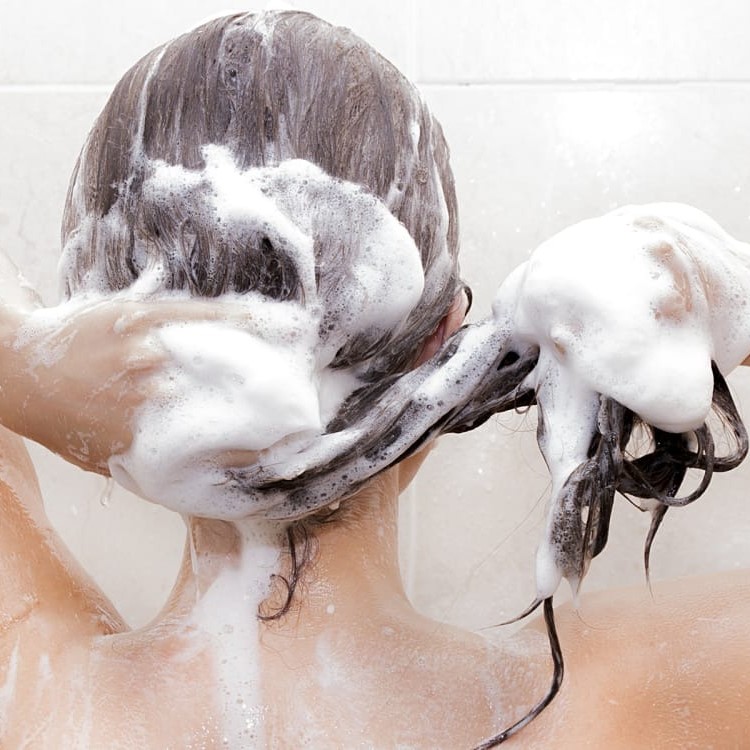
Many people wonder, does washing your hair everyday cause hair loss? This question has sparked debate among dermatologists, hairstylists, and beauty enthusiasts alike. With the rise of social media and increasing awareness about hair health, individuals are looking for clear answers regarding their hair care routines. In this article, we will delve into the findings surrounding this topic, explore the underlying factors affecting hair loss, and offer practical tips for maintaining healthy hair.
Understanding Hair Loss
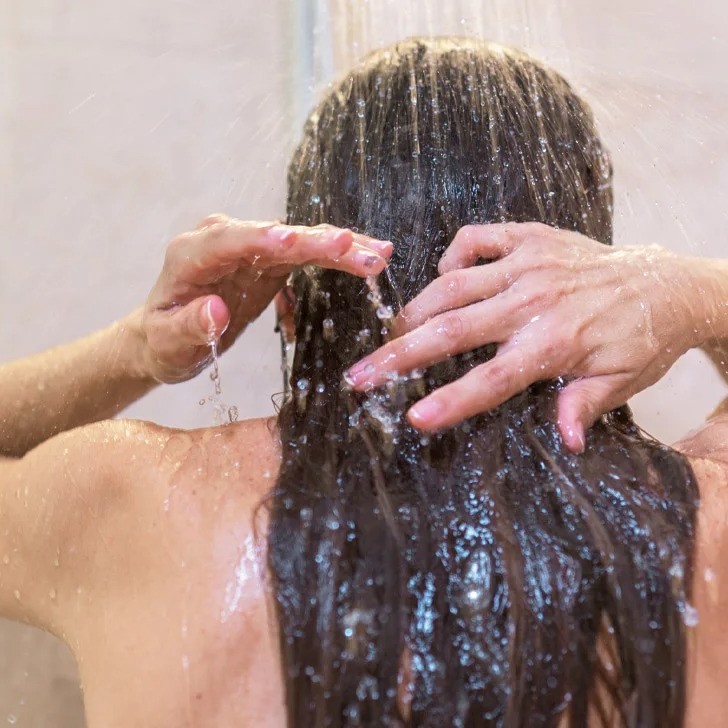
Does washing your hair everyday cause hair loss? Hair loss can occur for a variety of reasons, including genetic predisposition, hormonal changes, health conditions, and even stress. To assess whether daily washing contributes to a loss of hair, it is essential first to understand some causes of hair loss.
Genetic Factors
- Androgenetic Alopecia: Also known as male or female pattern baldness, this condition is genetically determined and may lead to progressive hair thinning.
- Family History: If family members experienced hair loss, the likelihood of similar issues increases.
Hormonal Changes
- Hormonal Fluctuations: Factors including pregnancy, menopause, and hormonal imbalances can affect hair growth cycles.
- Thyroid Issues: Hypothyroidism and hyperthyroidism may result in hair loss, requiring medical attention.
Health Conditions
- Scalp Health: Conditions like psoriasis, seborrheic dermatitis, and fungal infections can lead to hair loss.
- Nutritional Deficiencies: Lack of essential nutrients such as iron, biotin, and vitamins can weaken hair follicles.
Lifestyle Factors
Stress Levels
- Connection Between Stress and Hair Loss:
- Chronic stress is a significant factor contributing to various types of hair loss. It triggers biochemical changes in the body that can impact hair growth cycles.
- Telogen Effluvium: This is a specific condition where hair follicles prematurely enter the shedding phase due to stress. It often leads to noticeable hair thinning across the scalp.
- Mechanisms Behind Stress-Induced Hair Loss:
- When a person experiences prolonged stress, the body releases stress hormones such as cortisol.
- Elevated cortisol levels can disrupt the normal hair growth cycle, pushing more hair follicles into the telogen (resting) phase, which increases shedding.
- Physical and Emotional Stress:
- Both physical stressors (such as illness, injury, or surgery) and emotional stressors (like anxiety and depression) can contribute to hair loss.
- Understanding that both types of stress can impact hair health encourages individuals to seek effective stress management techniques.
- Management Strategies:
- Incorporating relaxation techniques such as mindfulness, meditation, and deep-breathing exercises can help mitigate stress levels.
- Regularly engaging in activities that promote mental well-being, such as hobbies or spending time with loved ones, can also reduce stress-related hair loss.
Diet and Exercise
- Importance of a Balanced Diet:
- A well-rounded diet rich in essential nutrients supports overall health and hair growth.
- Key nutrients for healthy hair include vitamins (such as A, C, D, and E), minerals (like zinc and iron), and adequate protein.
- Role of Specific Nutrients:
- Proteins: Hair is primarily composed of a protein called keratin. Consuming sufficient protein helps support hair structure and strength.
- Iron and Zinc: These minerals are crucial for healthy hair follicles. A deficiency can lead to hair thinning and loss.
- Impact of Regular Physical Activity:
- Engaging in regular exercise promotes better blood circulation, which enhances the delivery of essential nutrients to hair follicles.
- Physical activity also helps regulate hormone levels, reducing the risk of hormone-related hair loss.
- Weight Management:
- Maintaining a healthy weight through a balanced diet and exercise can prevent the onset of conditions linked to hair loss, such as hormonal imbalances typically associated with obesity.
- Hydration:
- Staying adequately hydrated is vital for overall health and can improve skin and scalp health as well.
- Drinking plenty of water aids in nutrient delivery and supports the hair’s natural growth cycle.
- Lifestyle Integration:
- Finding ways to incorporate a balanced diet and regular exercise into daily routines is essential for long-term hair health.
- Meal planning, preparing nutritious snacks, and scheduling physical activity can help individuals stay on track with their health goals.
The Science Behind Hair Washing
Frequency and Hair Health
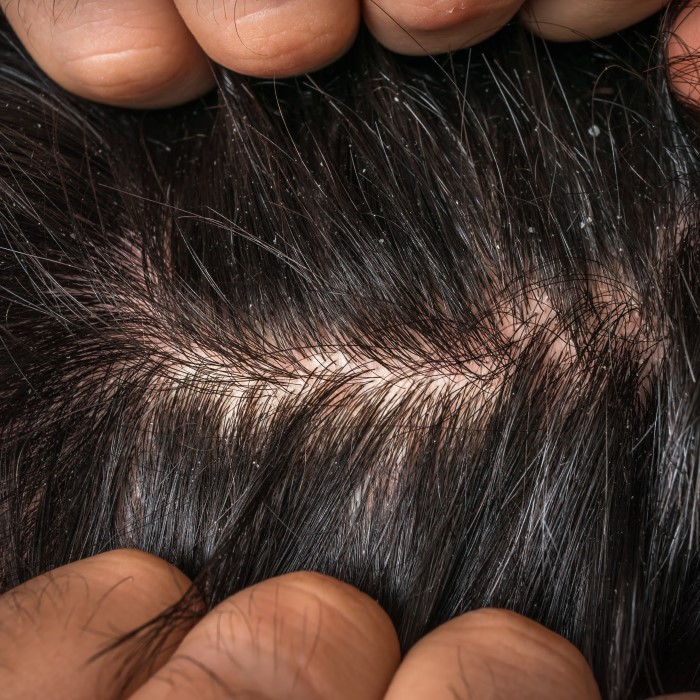
The frequency of washing hair directly influences its cleanliness and scalp health. Here are some considerations:
- Daily Washing: For some individuals, washing hair daily can strip natural oils, leading to dry and brittle hair. However, for others with oily scalps, daily washing can help remove excess oil and prevent buildup.
- Dirty Hair: Accumulated dirt and oils can suffocate hair follicles. Regular cleansing helps keep the scalp environment healthy.
The Impact of Shampoo
- Type of Shampoo: Harsh shampoos containing sulfates can damage hair and cause breakage. Choosing milder shampoos free of sulfates may reduce potential damage.
- Moisturizing Conditioners: Using a good conditioner can restore moisture and protect hair. Conditioners help counteract the drying effects of shampoo.
Does Washing Your Hair Every Day Cause Hair Loss?
Lack of Direct Evidence
Research on Hair Washing
- Limited Scientific Studies:
- There is a scarcity of comprehensive scientific research that directly links daily hair washing with hair loss.
- Most available studies focus on broader aspects of hair health rather than isolating washing frequency as a primary factor.
- Role of Genetic Factors:
- Genetic predisposition is widely regarded as a crucial element affecting hair loss.
- Conditions like androgenetic alopecia are primarily determined by one’s genetic makeup, not washing habits.
- Hormonal Influences:
- Hormonal fluctuations, such as those occurring during pregnancy, menopause, or due to thyroid issues, have a more significant impact on hair health compared to washing frequency.
- Elevated levels of hormones like DHT (dihydrotestosterone) are known to contribute to hair thinning.
- Need for Further Research:
- Although the current evidence is limited, additional research is needed to clarify the relationship between hair washing frequency and hair loss.
- Future studies could explore how different washing frequencies affect various hair types and conditions.
Individual Differences
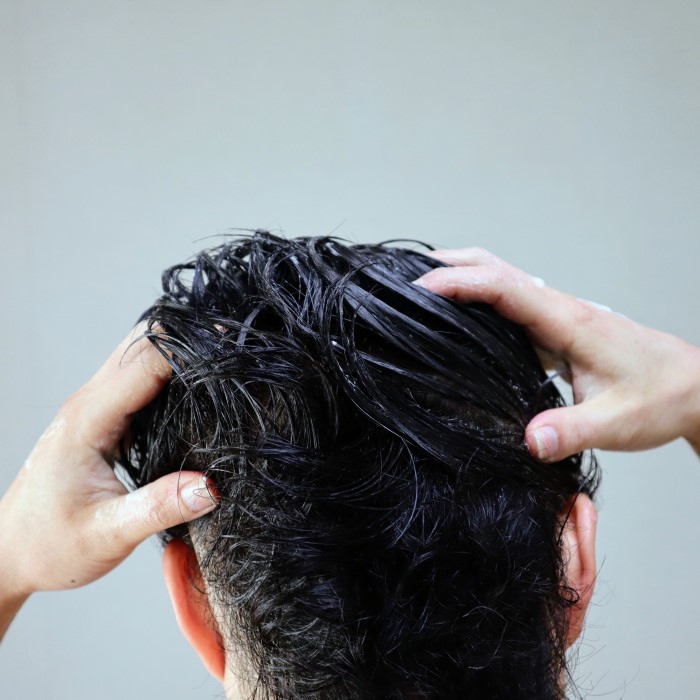
- Hair Type Variability:
- The impact of daily hair washing can differ significantly based on an individual’s specific hair type, such as straight, wavy, curly, or coily.
- For example, individuals with oily hair may find that daily washing helps control excess oil, while those with dry or curly hair might experience dryness and brittleness from frequent washing.
- Scalp Condition:
- The health of the scalp also plays a pivotal role in determining how often one should wash their hair.
- A healthy scalp can better handle daily washing without adverse effects, while a sensitive or irritated scalp may require less frequent cleansing.
- Activity Levels:
- An individual’s lifestyle and activity levels can greatly affect their hair washing routine.
- Those who engage in heavy exercise may need to wash their hair more frequently to remove sweat and buildup, whereas individuals with less active lifestyles may wash less often.
- Hair Care Products:
- The choice of hair care products, including shampoos and conditioners, can influence the effects of washing frequency.
- Using gentler, sulfate-free shampoos can reduce damage from frequent washing, while harsher products may lead to scalp irritation or dryness.
- Personal Preferences:
- Ultimately, individual preferences also shape hair washing habits.
- People may choose to wash their hair daily, every few days, or based on specific environmental or lifestyle factors, making it essential to adapt hair care routines to personal needs.
Expert Opinions
- Dermatologists Weigh In: Many dermatologists state that daily washing alone does not typically cause hair loss. However, it’s crucial to consider the health of your scalp and the types of products used.
- Hair Care Professionals: Hairstylists often recommend a personalized approach based on hair type, recommending that those with oily hair may benefit from more frequent washing, while individuals with dry or curly hair might wash less often.
Personal Experiences
- Anecdotal Evidence: Many consumers report healthier hair when they adjust their washing habits. It may be helpful to pay attention to what works best for you.
How to Maintain Healthy Hair
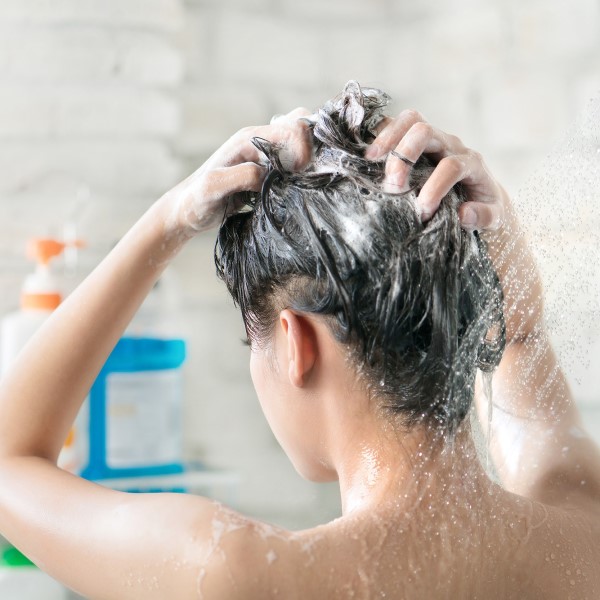
Regardless of your washing frequency, there are several best practices you can follow to promote healthy hair:
1. Choose the Right Shampoo
- Select Mild Formulas: Opt for sulfate-free and paraben-free shampoos to protect hair and scalp health.
2. Scalp Care Matters
- Exfoliate the Scalp: Exfoliating products can help remove buildup and promote scalp circulation.
- Maintain Hydration: Keeping the scalp hydrated can prevent dryness and itching, contributing to healthier hair.
3. Be Gentle
- Avoid Over-Brushing: Minimize breakage by using a wide-toothed comb and avoiding excessive brushing when hair is wet.
- Heat Protection: Use heat protection sprays when using styling tools to reduce potential heat damage.
4. Consider Diet and Vitamins
- Balanced Nutrition: Consume a diet rich in vitamins and minerals that support hair health.
- Hydration: Drink adequate water for skin and hair hydration.
5. Manage Stress
- Incorporate Relaxation Techniques: Practices such as yoga, meditation, and exercise can effectively reduce stress levels. A stress-free life can lead to improved hair growth.
FAQs on Hair Washing Frequency
How often should I wash my hair to avoid hair fall?
The optimal frequency for washing hair varies by individual. While some may need to wash daily due to oily scalps, others with drier hair may benefit from washing two to three times a week. Pay attention to how your hair and scalp respond, and adjust your washing routine accordingly.
Conclusion: Understanding Your Hair Care Routine
In conclusion, the question of does washing your hair everyday cause hair loss does not have a simple answer. While washing frequency can impact hair health, genetic and environmental factors typically play a more significant role in hair loss. By adopting a personalized hair care regimen and being mindful of the products you use, you can promote healthier hair while minimizing concerns related to washing frequency.
Listening to your hair and adjusting your routine as necessary will help ensure that your hair remains thriving, vibrant, and strong. The ultimate goal is to maintain a healthy scalp and vibrant, strong hair, irrespective of how often you choose to wash it. Remember that regular care, understanding your hair’s needs, and adapting your routine will go a long way in ensuring the health of your hair.
Additional Considerations
Does washing your hair everyday cause hair loss? To further emphasize the importance of hair care, consider incorporating additional practices into your routine. These may include regular trims to manage split ends, avoiding excessive heat styling, and using protective hairstyles that minimize stress on your hair. By adopting a comprehensive approach to hair health, you can significantly enhance the appearance and vitality of your hair.
Ultimately, the balance between hygiene and hair health is crucial. Whether you choose to wash your hair daily or less frequently, focus on nurturing your hair and scalp for optimal results. The decision is ultimately yours, but understanding the factors at play is key to making informed choices for beautiful, healthy hair.