Managing Concerns: How Fast Does Creatine Cause Hair Loss?
Introduction: Understanding Creatine and Hair Loss
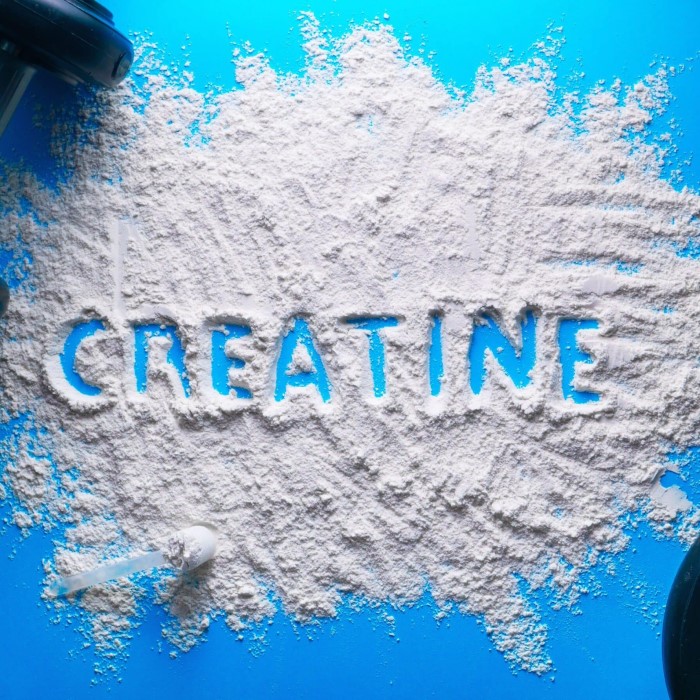
In the world of fitness and bodybuilding, creatine is a well-known supplement. Athletes and fitness enthusiasts take it to boost performance, enhance strength, and support muscle recovery. However, amid these benefits, many users express concerns about how fast does creatine cause hair loss. The connection between creatine and hair loss has become a topic of interest and debate.
Understanding the science behind this concern is crucial for those considering creatine supplementation. This article will delve into the effects of creatine on hair loss, the role of dihydrotestosterone (DHT), and what fitness enthusiasts need to keep in mind while using this popular supplement.
What is Creatine?
Creatine is a naturally occurring compound found in small amounts in various foods and synthesized by the body, primarily in the liver, kidneys, and pancreas. It consists of three amino acids: arginine, glycine, and methionine. Creatine plays a vital role in energy production during high-intensity exercise, enabling muscles to perform better and recover faster.
How Creatine Works
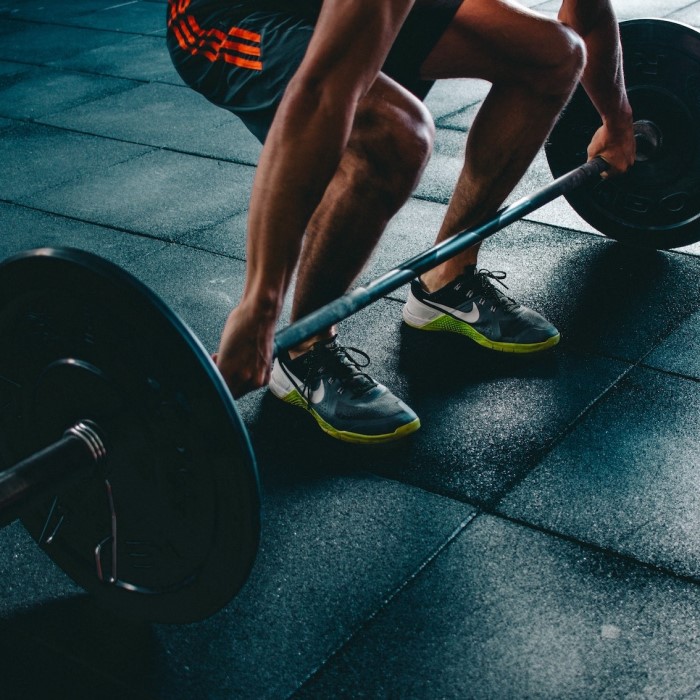
When supplemented, creatine enhances the phosphocreatine stores in muscles, providing quick energy during intense activities like weightlifting or sprinting. This can lead to improved strength, increased muscle mass, and better overall performance in athletic endeavors. Many athletes report noticeable gains in strength and endurance when using creatine supplements as part of their fitness routine.
The Connection Between Creatine and Hair Loss
As creatine supplementation has become more popular, some individuals have raised concerns about its potential link to hair loss. So, how fast does creatine cause hair loss? While the relationship isn’t entirely straightforward, studies have explored this area to provide some insights.

Scientific Evidence
Key Study Conducted in 2009:
-
- The most referenced research on the relationship between creatine and hair loss was published in 2009.
- This study specifically focused on collegiate rugby players, a demographic known for high-intensity training and supplement use.
Findings on DHT Levels:
-
- The research established that creatine supplementation led to elevated levels of dihydrotestosterone (DHT) among participants.
- The increase in DHT levels was notable, particularly following a loading phase, during which users consume higher doses of creatine temporarily.
Understanding DHT:
-
- DHT, or dihydrotestosterone, is an androgen hormone derived from testosterone.
- It plays significant roles in male developments, such as facial hair growth and voice deepening, but is also known for its effects on hair follicles.
Association with Hair Loss Conditions:
-
- Elevated DHT levels are often linked to hair loss conditions, particularly androgenetic alopecia.
- Androgenetic alopecia is commonly known as male and female pattern baldness and represents a prevalent form of hair loss in both genders.
Not Universal for All Users:
-
- While the study implied a connection between creatine and increased DHT levels, it’s crucial to highlight that not everyone who uses creatine will experience hair loss.
- The relationship between creatine use and hair loss is not straightforward and may not affect all individuals in the same way.
Role of Individual Factors:
-
- Multiple factors influence how the body reacts to creatine supplementation, including:
- Generational Factors: Family history of hair loss can predispose individuals to hair thinning or baldness.
- Lifestyle Factors: Overall health, diet, stress levels, and physical activity can impact hair health and response to supplements.
- Individual Variability: Hormonal balances, personal physiology, and genetic makeup can vary widely, affecting the result of creatine intake.
- Multiple factors influence how the body reacts to creatine supplementation, including:
Need for Further Research:
-
- More comprehensive studies are necessary to delineate the potential effects of creatine on DHT and hair loss.
- Further research could provide clarification on dosage, duration of use, and how varying individual factors interact with creatine supplementation.
What is Dihydrotestosterone (DHT)?
Dihydrotestosterone (DHT) is a potent androgen hormone that is responsible for the development of male characteristics. It plays a role in several bodily functions but is also known for its impact on hair follicles. Here is how DHT affects hair growth:
The Role of DHT in Hair Loss
Impact on Hair Follicles
- DHT Binding: Dihydrotestosterone (DHT) binds to androgen receptors located in hair follicles.
- Follicle Shrinking: For individuals who are genetically predisposed to hair loss, the binding of DHT can cause hair follicles to shrink over time.
- Effects on Hair Growth:
- As the follicles shrink, the hairs produced become thinner and shorter.
- Over time, this progressive shrinking leads to a reduction in hair density and length.
- Ultimate Result: Eventually, the continuous impact of DHT on the hair follicles can result in noticeable hair loss or balding.
Sensitivity
- Varied Sensitivity Levels: Not all individuals exhibit the same sensitivity to DHT.
- Genetic Influence: Genetics play a critical role in determining how well individuals tolerate higher levels of DHT.
- Predisposition to Hair Loss:
- Individuals with a genetic predisposition may have a heightened sensitivity to DHT.
- For these individuals, elevated levels of DHT can exacerbate their risk for hair loss, making it a more pressing concern.
Common Condition
- Prevalence: DHT-related hair loss is a common condition that affects many individuals.
- Gender Differences:
- While both men and women can experience hair loss related to DHT, studies show that it tends to affect men more significantly.
- Men are more susceptible to developing baldness patterns often associated with DHT, such as male pattern baldness.
- Importance of Understanding:
- Understanding the connection between creatine supplementation and DHT levels is particularly relevant for individuals with a family history of hair loss.
- This comprehension can help individuals make more informed decisions about using creatine and monitoring its effects on their hair health.
Managing Concerns: How Fast Does Creatine Cause Hair Loss?
Concerned users often ask how fast creatine might cause hair loss. While the mechanism involving DHT exists, the speed at which hair loss may occur varies significantly among users. Key factors contributing to this variance include:
1. Individual Genetics
Genetic predisposition is crucial in determining how fast hair loss might occur, if at all. Users with a family history of male or female pattern baldness may experience hair loss sooner than those without such backgrounds. Genetic testing can sometimes indicate susceptibility to DHT effects.
2. Dosage and Duration of Use
Studies have focused on the impact of creatine during loading phases, where higher doses are taken initially. The standard dosage for creatine is typically around 5 grams per day, but loading phases may involve higher consumption. Users who engage in prolonged use of high doses may face a greater risk of experiencing increased DHT levels, which could potentially influence hair loss over time.
3. Overall Health Factors
Overall health, including hormonal balance, diet, and lifestyle choices, can influence how creatine affects an individual. A well-balanced diet rich in vitamins, minerals, and essential fatty acids supports hair health.
4. Monitoring and Adjustment
- Regular Monitoring of Physical Changes:
- Users should make it a habit to regularly observe and track any physical changes that occur during creatine supplementation.
- Keeping a journal or log of daily experiences can help in recognizing patterns or issues that may arise.
- Identifying Adverse Effects:
- Awareness of any negative side effects is crucial for effective health management.
- Common adverse effects to monitor may include increased hair thinning, changes in energy levels, or unexpected weight changes.
- Key Observations:
- Look for significant changes in hair density or thinning that may indicate a response to elevated DHT levels.
- Monitor overall physical performance to assess whether the supplement is achieving its intended benefits.
- Consulting a Healthcare Professional:
- If users notice significant changes that raise concerns, it is advisable to seek guidance from a healthcare professional.
- Healthcare providers can offer personalized advice and insights based on individual health status and specific needs.
- Importance of Personalized Advice:
- Professional consultation enables users to make informed decisions regarding their supplementation routine.
- A healthcare professional can also help in adjusting dosages or suggesting alternative strategies if needed to mitigate any risks.
- Adjusting Supplementation Strategies:
- Based on professional advice, users may need to adjust their supplementation methods, such as altering the dosage or timing of intake.
- Regular reviews and adjustments can help enhance the effectiveness of creatine use while minimizing any potential adverse effects.

Frequently Asked Questions
Does creatine speed up hair loss?
The research reveals a potential link between elevated DHT levels and hair loss, but not all users will experience accelerated hair loss when taking creatine. Genetic factors primarily dictate the outcomes.
Will 5g of creatine increase DHT?
Studies have shown that creatine supplementation may lead to increased DHT levels in some individuals. While 5 grams per day is common, individual responses can vary. Users should monitor their health and consult professionals.
Does creatine boost DHT?
Yes, some studies suggest that creatine supplementation may boost DHT levels. However, the degree of increase varies by individual. Monitoring hormonal changes is advisable for those concerned about the impact on hair health.
In conclusion, the question of how fast does creatine cause hair loss lacks a definitive answer. While existing studies suggest that creatine may increase DHT levels, which can contribute to hair loss, individual susceptibility varies widely. Understanding personal genetics, dosage, and overall health factors are essential in navigating this concern.
For those considering or currently using creatine, it’s crucial to stay informed and proactive. Consultation with healthcare providers and monitoring personal health responses can help ensure safe and effective supplementation. By managing concerns and making educated choices, users can enjoy the benefits of creatine while remaining aware of potential impacts on hair health. Always remember that a holistic approach to health and fitness is key to long-term success in achieving both fitness goals and overall well-being.