Is Mud Good for Your Skin? A Guide to Therapeutic Properties
Introduction: Understanding Mud in Skincare
The question is mud good for your skin? has gained popularity in recent years as natural skincare continues to trend. Mud has been appreciated for its therapeutic benefits for centuries. Various cultures around the world have utilized mud for beauty and health treatments. With modern skincare innovation, mud is making a significant comeback, appearing in mud masks, scrubs, and spa treatments. But what is it about mud that makes it so beneficial for the skin?
In this article, we will explore the different types of therapeutic mud, their unique properties, and how they can positively impact your skin health. We’ll delve into the specific benefits mud may offer, demonstrate effective ways to incorporate it into your skincare routine, and address common questions regarding its use.
Types of Therapeutic Mud
Understanding the different kinds of therapeutic mud is essential to appreciate their unique benefits for skin care.
1. Dead Sea Mud
- Mineral-Rich Composition: Dead Sea mud is famously rich in minerals such as magnesium, calcium, and potassium. These minerals contribute to its skin-healing and rejuvenating properties.
- Benefits for Skin Conditions: It has been shown to treat various skin conditions like psoriasis and eczema. The minerals found in Dead Sea mud can help reduce inflammation and soothe irritated skin.
2. Bentonite Clay
- Absorbent Properties: Bentonite clay is renowned for its ability to absorb oils and impurities from the skin. This makes it an excellent choice for oily or acne-prone skin types.
- Detoxification: This clay removes toxins and promotes skin clarity. Its detoxifying properties can give the skin a fresh, rejuvenated look.
3. French Green Clay
- Exfoliating Benefits: French green clay is often used for its exfoliating properties. It helps remove dead skin cells, promoting a brighter, smoother complexion.
- Nutrient-Rich: This type of mud contains trace minerals that nourish the skin while drawing out impurities and excess oil.
4. Rhassoul Clay
- Mineral-Infused: Rhassoul clay, sourced from Morocco, is rich in silica, magnesium, and potassium. These minerals help improve skin tone and elasticity.
- Moisturizing Properties: Unlike some clays that can dry out the skin, Rhassoul clay can retain moisture, making it suitable for all skin types.
Benefits of Mud for Skin Health
Is mud good for your skin? Now that we understand the types of therapeutic mud, let’s dive into the specific benefits they offer.
1. Deep Cleansing
- Removing Impurities: Mud can deeply cleanse the skin by drawing out impurities, dirt, and excess oils. This effect is especially beneficial for acne-prone skin, as it helps prevent breakouts.
- Unclogging Pores: With regular use, mud can help unclog pores, reducing the appearance of blackheads and whiteheads.
2. Hydration and Moisture Retention
- Nourishing Properties: Many types of mud, especially mineral-rich ones, offer hydrating benefits. They provide essential minerals that nourish the skin.
- Barrier Function: The natural qualities of mud can help strengthen the skin’s barrier function, enabling it to retain moisture more effectively.
3. Soothing and Calming Irritation
- Anti-Inflammatory Effects: Mud treatments can effectively soothe irritated or inflamed skin. The cooling properties of mud help calm redness and discomfort.
- Suitable for Sensitive Skin: Many mud formulations are designed for sensitive skin, making them an excellent option for those prone to reactions.
4. Anti-Aging Benefits
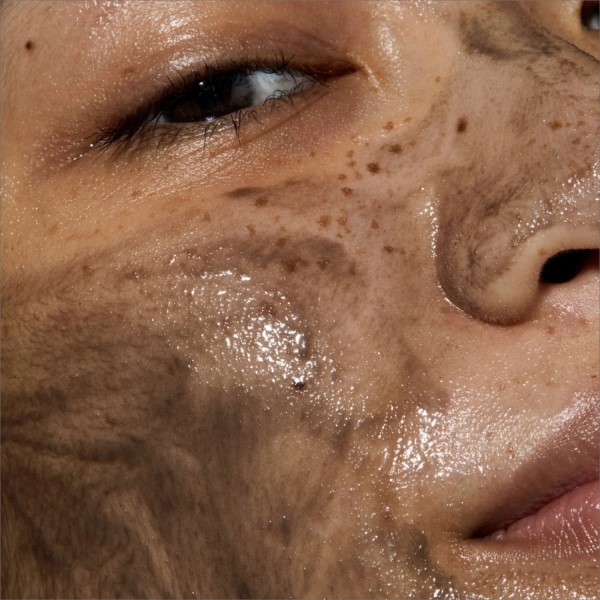
- Promoting Collagen Production: Ingredients in therapeutic mud may help stimulate collagen production, which is essential for maintaining skin’s elasticity and reducing fine lines and wrinkles.
- Improving Skin Texture: The exfoliating effect of certain clay types helps refine skin texture, leading to a smoother, more youthful complexion.
Incorporating Mud into Your Skincare Routine
1. Choosing the Right Mud Product
- Product Selection: Evaluate the type of mud suit your skin type and concerns. Look for quality and purity in mud-based products to maximize benefits.
- Read the Labels: Make sure to read ingredient labels and choose products free from harsh additives or fragrances that may irritate the skin.
2. Application Techniques
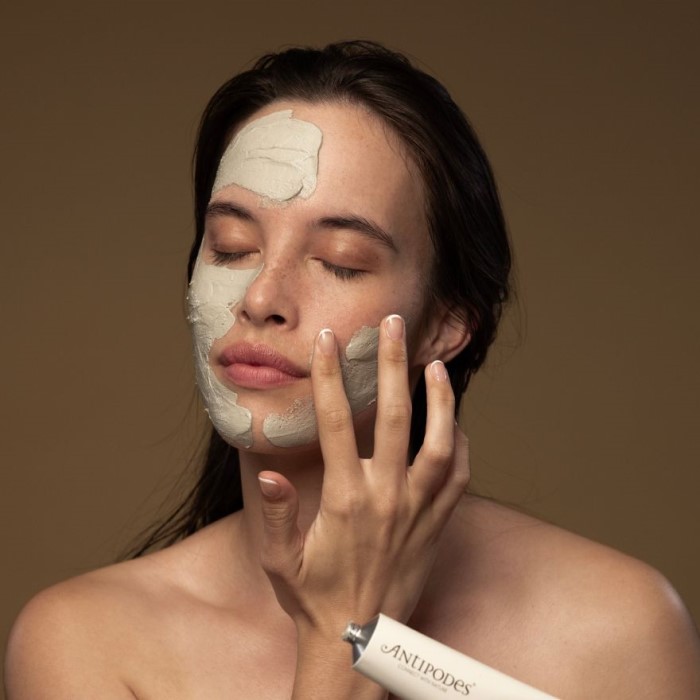
- Using Mud Masks: To use a mud mask, apply an even layer over clean, dry skin. Leave it on for the recommended time, usually 10 to 15 minutes, before rinsing off with warm water.
- Frequency of Use: Depending on your skin type, using a mud mask once a week or every two weeks is generally effective. Individuals with oily skin may benefit from more frequent use, while dry skin types should limit application to prevent overdrying.
3. Combining with Other Skin Care Products
Moisturizing After Application
- Importance of Rehydration: Is mud good for your skin? After rinsing off a mud mask, your skin may feel clean but could also be slightly dehydrated. The cleansing process removes impurities, but it can also strip away some natural moisture.
- Choosing the Right Moisturizer: It’s essential to follow up with a good moisturizer that suits your skin type. Look for hydrating ingredients like hyaluronic acid, glycerin, or ceramides, which attract and retain moisture in the skin.
- Application Technique: When applying the moisturizer, use gentle, upward strokes to encourage absorption and stimulate circulation. Avoid rubbing harshly, as your skin may be more sensitive after using a mud mask.
- Locking in Moisture: The primary purpose of the moisturizer is to lock in the hydration and soothe any temporary dryness caused by the mud mask. This ensures your skin remains plump and supple after treatment.
- Frequency of Rehydration: Consider applying a moisturizer immediately after rinsing the mud mask, even if you typically follow a longer skincare routine. Rehydrating quickly can help maintain your skin’s balance.
- Layering with Other Hydrating Products: If your skin feels particularly dry, you might layer additional hydration products, such as a hydrating serum, beneath your moisturizer. This layering can offer extra moisture without feeling too heavy.
Layering with Other Treatments
- Enhancing Skincare Efficacy: Mud masks can be highly effective on their own, but they can provide enhanced results when layered with other treatments. This combination allows for a more comprehensive approach to skincare.
- Sequencing Products: When using a mud mask in conjunction with other products, it’s important to consider the sequence of application. Apply the mud mask first, as it serves to deeply cleanse and detoxify your skin.
- Using Serums Post-Mud Mask: Once you’ve rinsed off the mud mask and applied a moisturizer, adding a serum can further target specific skin concerns. For example, if you’re looking to brighten your complexion, using a Vitamin C serum can amplify that effect after the cleansing process.
- Oil Application: Following a mud mask with facial oil can help lock in moisture from the previous steps. Oils not only provide hydration but can also nourish the skin with essential fatty acids, enhancing overall skin health.
- Combining Ingredients: Strategically layering products can help maximize benefits. For instance, if your mud mask targets oil control, applying a lightweight, hydrating serum afterward can strike a balance—removing excess oil while maintaining moisture.
- Creating a Customized Routine: Everyone’s skin is different, so experiment with various combinations to find what works best for you. Combining mud masks with various serums or oils tailored to your skin type can lead to personalized skincare success.
- Monitoring Skin Reactions: When introducing new combinations of products, pay close attention to how your skin responds. If irritation occurs, consider adjusting the frequency of mud mask use or the types of products layered afterward to find the right balance.
FAQs About Mud Treatments
Is it good to put mud on your face?
Yes, using mud on your face can provide numerous benefits, such as cleansing, hydrating, and soothing the skin. However, always choose a product formulated for facial use to avoid irritation.
Is bathing in mud good for you?
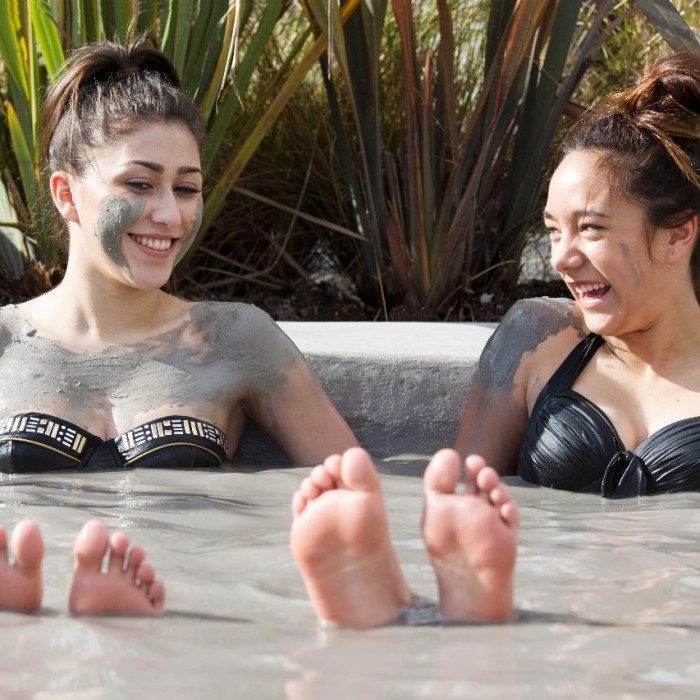
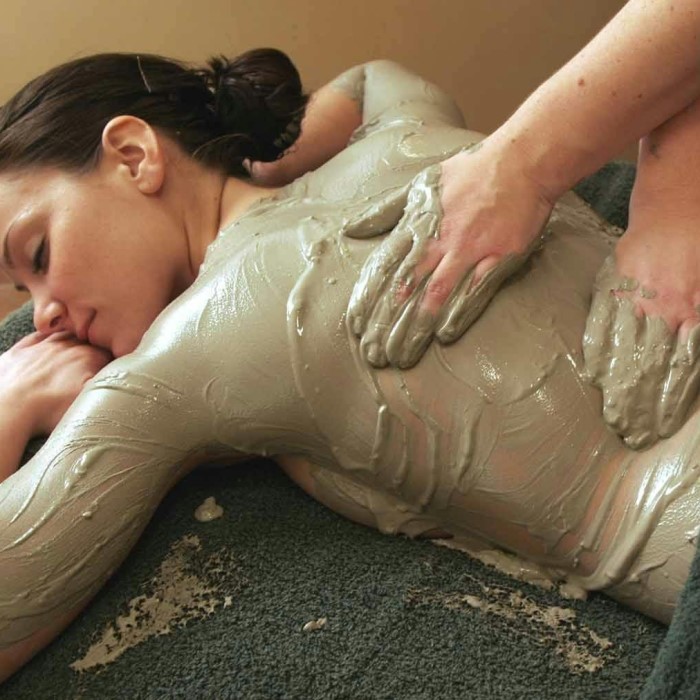
Bathing in therapeutic mud can have several benefits, including detoxification, skin hydration, and relaxation. Mud baths are often used in spa treatments and wellness retreats for their rejuvenating effects.
Is it bad to do a mud mask every day?
Using mud masks every day may not be advisable, especially for individuals with dry or sensitive skin. It’s best to limit mud mask frequency to once a week or as recommended based on your skin type.
Conclusion: Is Mud Good for Your Skin?
To wrap up, the answer to is mud good for your skin is overwhelmingly positive. The therapeutic properties of various types of mud offer numerous benefits, including deep cleansing, hydration, soothing irritation, and anti-aging effects. By incorporating mud into your skincare routine mindfully, you have the potential to unlock healthier, more radiant skin.
Whether you choose Dead Sea mud, bentonite clay, or any other type, the key is quality and proper usage. With the right product and routine, you can enjoy the luxury of mud treatments and their remarkable benefits. Embrace the wonderful world of mud skincare, and watch as your skin transforms!