Is Salt Good for Your Skin? The Science Behind Its Effects
Introduction
When discussing skin care, many people wonder, is salt good for your skin? Salt has been used for centuries in various cultures for its potential health benefits, including those related to skin care. In modern skincare, salt is making a significant comeback, appearing in face scrubs, baths, and topical treatments. This article delves into the science behind salt and its effects on the skin, exploring both its benefits and potential drawbacks.
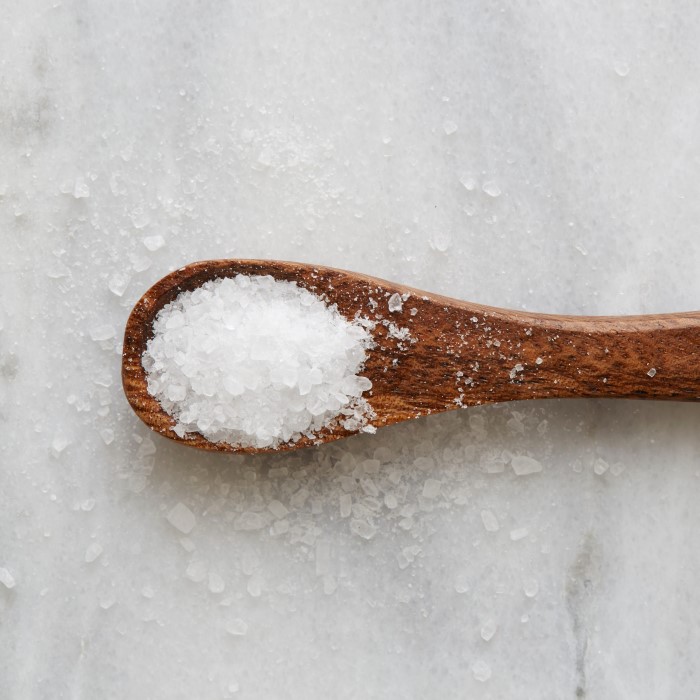
Salt, especially sea salt and Himalayan pink salt, contains minerals beneficial for health. However, understanding how salt works in skincare, the best ways to use it, and the precautions to take is essential. This knowledge will allow you to make informed decisions about incorporating salt into your skincare regimen effectively.
The Benefits
1. Natural Exfoliation
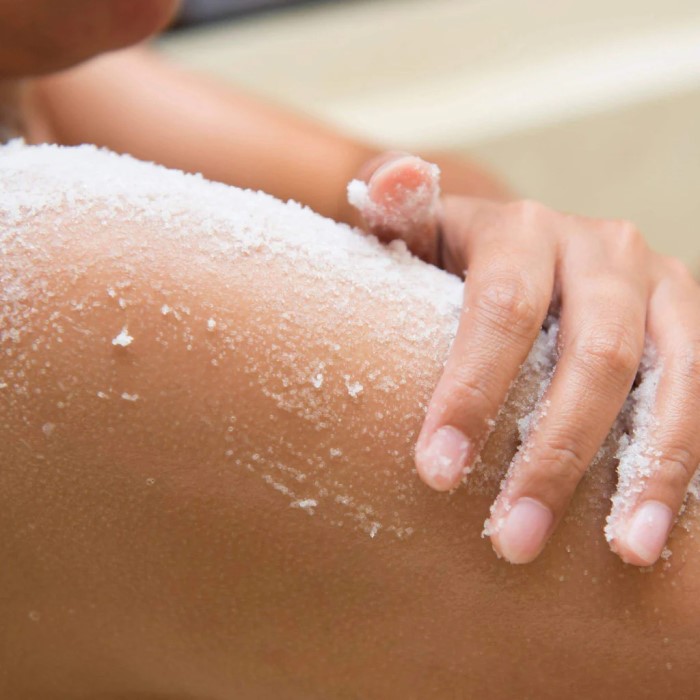
- Removing Dead Cells: One of the primary benefits of using salt is its ability to exfoliate the skin naturally. The granular texture of salt makes it an excellent natural scrub. Rubbing salt against the skin helps eliminate dead skin cells, resulting in a smoother and brighter complexion.
- Promoting Cell Turnover: Regular use of salt scrubs can promote natural cell turnover, which is crucial for maintaining healthy skin. By sloughing off old, dead skin, salt encourages the regeneration of new cells, helping to improve skin texture and appearance.
2. Detoxification Properties
- Drawing Out Impurities: Salt has osmotic properties, allowing it to draw toxins and impurities from the skin. When applied topically, salt can help remove harmful substances, leading to clearer and healthier skin.
- Enhancing Cleansing: Salt scrubs can enhance the cleansing process, effectively unclogging pores and preventing the buildup of dirt and oil. This helps reduce the occurrence of breakouts, particularly in acne-prone skin.
3. Mineral Enrichment
- Essential Minerals: Sea salt and Himalayan salt are loaded with minerals such as magnesium, calcium, and potassium. These minerals are known to nourish the skin when applied topically, helping it maintain balance and health.
- Hydration Balance: While salt is often perceived as dehydrating, certain minerals found in salt can help the skin retain moisture. This property can be beneficial, especially when combined with hydrating ingredients in skin care treatments.
4. Soothing and Calming Effects
- Anti-Inflammatory Benefits: Salt has been shown to possess anti-inflammatory properties, making it effective for calming irritated or inflamed skin. This can be particularly beneficial for those suffering from conditions like acne, eczema, or rosacea.
- Alleviating Redness and Swelling: Applying salt scrubs or salt-based products can reduce redness and swelling, providing instant relief for sensitive skin. The soothing effect can help you achieve a more even skin tone.
How to Use Salt in Skincare
1. Salt Scrubs
- DIY Salt Scrubs: You can create homemade salt scrubs by combining salt with a carrier oil, such as coconut or olive oil. This mixture forms a natural exfoliating treatment that cleanses and hydrates the skin simultaneously.
- Application Frequency: For best results, use salt scrubs one to three times a week, depending on your skin type. Over-exfoliating can lead to irritation or dryness, so finding the right frequency is essential.
- Target Areas: You can use salt scrubs on various body parts such as elbows, knees, and feet to help smooth rough patches and keep your skin soft.
2. Salt Baths
- Therapeutic Benefits: Adding salt to your bath can provide numerous benefits for the skin and overall well-being. Salt baths are often used to relax muscles, detoxify the body, and improve skin texture.
- Using Epsom Salt: Epsom salt, which contains magnesium sulfate, is particularly effective for soothing sore muscles. It can also enhance your bathing experience by promoting relaxation and rejuvenation.
- Hydration After Bathing: It’s important to hydrate your skin after a salt bath to prevent dryness. Applying a moisturizer helps lock in moisture and keeps your skin hydrated.

3. Facial Masks with Salt
- Combining with Other Ingredients: Some facial masks include salt as an exfoliating and detoxifying agent. For example, combining honey or yogurt can create a soothing face mask that cleanses and nourishes the skin.
- Caution with Salt Use on Face: When using salt on your face, ensure that you use finely ground salt to avoid irritation. Coarse salt can be too abrasive and lead to redness or discomfort.
Possible Drawbacks
1. Dryness and Irritation
- Potential Over-Drying: Is salt good for your skin? While salt offers many benefits, it can also lead to dryness if not used carefully. Those with dry or sensitive skin should approach salt treatments cautiously.
- Irritation Risk: If you have open wounds, cuts, or highly sensitive skin, using salt may cause irritation. Always conduct a patch test before applying salt-based products to your face.
2. Balancing with Moisturizers
Importance of Hydration
- Restoring the Skin’s Moisture Barrier: After using salt treatments, your skin can experience some level of dehydration. Salt has strong absorbent properties, which can draw moisture away from the skin, leading to dryness. Therefore, applying a good moisturizer immediately after the treatment is essential. This helps to replenish lost moisture and restore the skin’s natural moisture barrier.
- Preventing Dry Patches: Salt treatments can provide excellent exfoliation and detoxification benefits, but they can also cause dry patches if left unaddressed. Following up with a moisturizer helps prevent these dry patches from forming, ensuring that your skin remains smooth and hydrated.
- Promoting Skin Health: Hydration plays a vital role in maintaining overall skin health. Well-hydrated skin appears plumper, more youthful, and has better elasticity. Regularly moisturizing after salt treatments supports the skin in maintaining its balance, improving its overall texture and appearance.
- Enhancing Effectiveness of Other Products: Applying a moisturizer after salt treatments not only restores hydration but also creates an ideal environment for any skincare products applied afterward. When the skin is adequately moisturized, subsequent products can penetrate better and work more effectively.
- Soothing Irritation: Salt treatments can sometimes lead to mild irritation. A good moisturizer can soothe the skin, reducing any discomfort and promoting healing. This soothing effect can contribute to the overall feeling of comfort in your skincare routine.
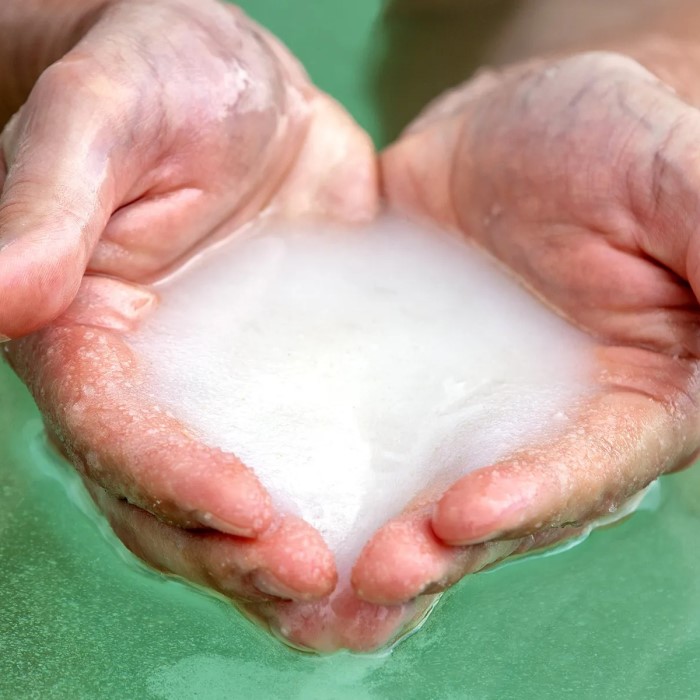
Choosing the Right Moisturizer
- Hydrating Ingredients: Is salt good for your skin? When selecting a moisturizer to use after salt treatments, look for products that contain hydrating ingredients. Ingredients such as hyaluronic acid are known for their ability to attract and retain moisture, helping to keep skin hydrated for extended periods.
- Role of Ceramides: Moisturizers that contain ceramides are also excellent choices. Ceramides are lipid molecules that help form the skin’s protective barrier, ensuring moisture retention and preventing water loss. They strengthen the skin barrier, making it more resilient against environmental aggressors.
- Lightweight vs. Rich Formulas: Depending on your skin type, you may want to choose a lightweight, gel-based moisturizer if you have oily or combination skin. Conversely, if you have dry skin, a richer cream with additional emollients can provide the intense hydration you need.
- Sensitive Skin Consideration: For those with sensitive skin, it is crucial to select a moisturizer that is free from potential irritants such as fragrances, parabens, and artificial dyes. Opting for hypoallergenic or non-comedogenic formulations can help minimize the risk of adverse reactions.
- Testing and Adjusting: Every skin type is unique, so it might take some trial and error to find the perfect moisturizer for your post-salt treatment routine. Keep track of how your skin reacts to different products and adjust accordingly to find the best fit for your needs.
- Incorporating Other Benefits: Some moisturizers come with added benefits, such as antioxidants or anti-aging properties. These can provide additional support for your skin, addressing multiple concerns beyond just hydration.
Frequently Asked Questions (FAQs)
What does salt do to your face?
Salt can act as an effective exfoliant, removing dead cells and impurities. It also has detoxifying properties that can promote clearer skin; however, it should be used cautiously to avoid irritation.
Is it good to rub your skin with salt?
Using salt as an exfoliant can provide benefits like smoothness and detoxification. However, it’s essential to do so gently to avoid causing irritation or damage to the skin barrier.
Conclusion
The answer to is salt good for your skin is largely affirmative. Salt provides various benefits, including natural exfoliation, detoxification, and mineral enrichment, enhancing overall skin health. By understanding how to use salt properly—whether in scrubs, baths, or masks—you can effectively improve your skincare regimen.
However, caution is necessary to avoid the potential downsides of salt use, especially for those with sensitive or dry skin types. By doing so, you can unlock the many positive effects of salt on your skin. Embrace the unique properties of salt, and enjoy its remarkable benefits on your journey to healthier, glowing skin!