Is Squalane Good for Skin? Discover Its Amazing Benefits
Introduction
In recent years, squalane has gained significant attention in the skincare industry. As more consumers become ingredients-savvy, the question arises: is squalane good for skin? The answer is a definitive yes! This lightweight, hydrating oil not only nourishes the skin but also offers a myriad of benefits, making it a must-have in your daily skincare routine.
Squalane is derived from squalene, a naturally occurring compound found in the skin and other sources like olives and sugarcane. It mimics the skin’s natural oils, which can help to restore and maintain moisture. In this article, we will explore the incredible benefits of squalane, its role in skincare, how it compares to other popular ingredients, and tips for incorporating it into your everyday regimen.
What is Squalane?
1. Natural Origins
- Derived from Squalene: Squalane is a hydrogenated form of squalene. While squalene is found in the skin’s lipid barrier, squalane is a stable version that is more suited for topical use.
- Plant-Based Options: Squalane can be sourced from various plants, including olives, sugarcane, and rice bran. This makes it a versatile ingredient that can fit into both vegan and cruelty-free skincare products.
2. Chemical Composition
- Hydrogenation Process: The process of hydrogenating squalene makes it shelf-stable and effective for cosmetic use. This stability is crucial for maintaining its beneficial properties over time.
- Lightweight Texture: Squalane has a lightweight, non-greasy feel. This texture makes it ideal for all skin types, including oily and acne-prone skin, as it hydrates without clogging pores.
Benefits of Squalane for Skin
1. Deep Hydration
- Moisture Retention: Is squalane good for skin? One of the most important benefits of squalane is its ability to provide deep hydration. As a humectant, it draws moisture from the environment into the skin, keeping it plump and hydrated.
- Environmental Shield: By forming a barrier on the skin’s surface, squalane helps to lock in moisture and protect the skin from environmental aggressors.
2. Anti-Aging Properties
- Boosting Elasticity: Squalane can improve skin elasticity, thereby helping to diminish the appearance of fine lines and wrinkles. The hydration it provides plumps up the skin, leading to a youthful appearance.
- Promoting Cell Regeneration: The antioxidant properties of squalane support skin cell regeneration, which can lead to a brighter and more even complexion over time.
3. Soothing Benefits
- Calming Irritation: Squalane has anti-inflammatory properties, making it effective for soothing irritated or inflamed skin. It is particularly beneficial for conditions like eczema or rosacea.
- Balancing Oil Production: As squalane mimics the skin’s natural oils, it can help balance oil production. This balance reduces excess oiliness while keeping the skin hydrated, making it suitable for those with oily or combination skin.
How to Incorporate Squalane into Your Skincare Routine
1. Choosing the Right Product
- Quality Matters: When selecting a squalane product, look for high-quality, pure formulations. Check that it is derived from a reputable source, preferably plant-based.
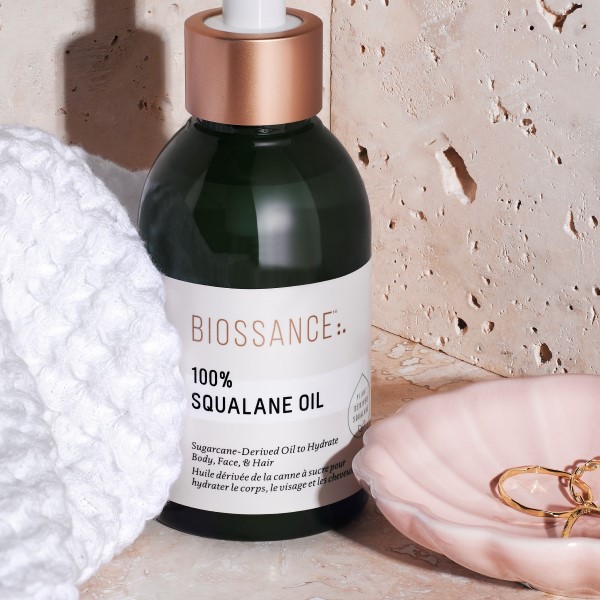
- Concentration: Products with at least 100% squalane concentration are recommended to reap the maximum benefits. It’s often found in oils, serums, and moisturizers.
2. Application Techniques
- Moisturizer Addition: One effective method is to apply a few drops of squalane after your regular moisturizer. This technique enhances hydration and forms a protective barrier over your skin.
- Mixing with Other Ingredients: You can also mix squalane with other active ingredients like Vitamin C or Retinol. This combination can maximize the benefits of those ingredients while ensuring your skin remains hydrated.
3. Timing and Frequency
- Daily Use: Squalane is gentle enough to be used twice daily, making it a versatile addition to both your morning and evening routines. Incorporating it regularly can yield significant benefits over time.
- Before Makeup: Applying squalane before makeup can create a smooth base, helping foundation glide on easily while preventing dryness throughout the day.
Comparing Squalane to Other Skincare Ingredients
1. Squalane vs. Hyaluronic Acid
- Moisture Mechanism: While both squalane and hyaluronic acid offer hydration, they work differently. Squalane seals in moisture and provides lasting hydration, while hyaluronic acid draws moisture from the environment into the skin.
- Best of Both Worlds: For optimal results, consider using both ingredients in tandem. Using squalane after a hyaluronic acid serum can amplify hydration levels effectively.
2. Squalane vs. Retinol
Different Functions
- Retinol and Its Anti-Aging Properties:
- Collagen Production: Retinol is a derivative of Vitamin A and is widely recognized for its ability to stimulate collagen production in the skin. Collagen is essential for maintaining skin elasticity and firmness, which are crucial for reducing the appearance of fine lines and wrinkles.
- Accelerating Cell Turnover: One of the primary functions of retinol is to promote faster cell turnover. This process helps shed dead skin cells and encourage the production of new, healthy cells. As a result, the skin appears brighter and more youthful over time.
- Targeting Skin Issues: In addition to its anti-aging effects, retinol is effective in treating various skin issues, such as acne and hyperpigmentation. By regulating oil production and preventing clogged pores, retinol can lead to clearer skin over time.
- Squalane’s Role in Skincare:
- Hydration: Squalane is a natural emollient known for its exceptional moisturizing properties. It helps to keep the skin hydrated by forming a barrier that prevents moisture loss, making it particularly beneficial for dry or dehydrated skin types.
- Soothing Effects: Along with hydration, squalane has calming properties that can soothe irritated or sensitive skin. It helps reduce redness and alleviates discomfort, making it suitable for those with reactive skin conditions, including eczema or rosacea.
- Protective Barrier: Squalane acts as a protective layer over the skin, shielding it from environmental pollutants and harmful elements. This protective function helps maintain skin integrity and supports overall skin health.
Combination Benefits
- Mitigating Dryness from Retinol:
- Dryness and Irritation: One of the common side effects associated with retinol use is dryness and irritation, often caused by the increased cell turnover rate. This can lead to flakiness, redness, and discomfort for users, especially when first introducing retinol into their skincare routine.
- Squalane as a Solution: When squalane is used in conjunction with retinol, it can significantly alleviate the dryness and irritation that often accompanies retinol treatments. Squalane’s hydrating properties ensure that the skin remains moisturized, counterbalancing the potential drying effects of retinol.
- Enhanced Efficacy of Skincare Routine:
- Improving Tolerance: By incorporating squalane into a skincare routine alongside retinol, users may find that they can tolerate retinol better over time. The soothing and hydrating effects of squalane help the skin adjust to the active ingredient, making regular use more manageable.
- Comprehensive Skin Benefits: The combination of retinol’s anti-aging and cell turnover benefits with squalane’s hydrating and protective qualities ensures a well-rounded skincare approach. This synergy not only enhances the overall effectiveness of the routine but also leads to healthier, more resilient skin.
- User Experience: Users often report a more pleasant experience when combining squalane with retinol. The hydrating effects of squalane can make the skin feel softer and more comfortable, creating a positive association with skincare practices and encouraging consistent use.
FAQs About Squalane
Is it okay to use squalane every day?
Yes, it’s safe and beneficial to use squalane every day. Its lightweight nature and hydrating properties make it suitable for both morning and evening routines.
Is squalane better than hyaluronic acid?
Squalane and hyaluronic acid serve different purposes. Squalane provides long-lasting hydration and moisture retention, while hyaluronic acid draws moisture into the skin. Using both together can be advantageous.
What are the disadvantages of squalene?
While squalane is generally safe, some individuals may experience allergic reactions or sensitivities. Additionally, squalane may cause breakouts for those with very oily skin, so it’s best to do a patch test first.
Is squalane better than retinol?
Each ingredient has its own benefits. Squalane excels at hydrating and soothing the skin, while retinol is known for its powerful anti-aging properties. Depending on your skin concerns, both can be effective when used in tandem.
Conclusion: Is Squalane Good for Skin?
In conclusion, the answer to is squalane good for skin is a resounding yes! Squalane provides incredible benefits, such as deep hydration, anti-aging properties, and soothing effects, making it a staple in modern skincare routines. Its ability to mimic the skin’s natural oils helps balance and hydrate all skin types, while its lightweight texture makes it a versatile option suitable for daily use.
As you explore the best options for your skincare regimen, consider incorporating squalane into your routine to experience its remarkable benefits firsthand. Whether you use it alone or in conjunction with other ingredients, squalane has the potential to enhance your skin’s health and overall appearance, making you feel more radiant and confident.
Embrace the power of squalane in your skincare journey, and enjoy all the amazing benefits it has to offer!