The Truth About Satin: Is Satin Good for Skin Care?
Introduction: Understanding Satin and Its Use in Skin Care
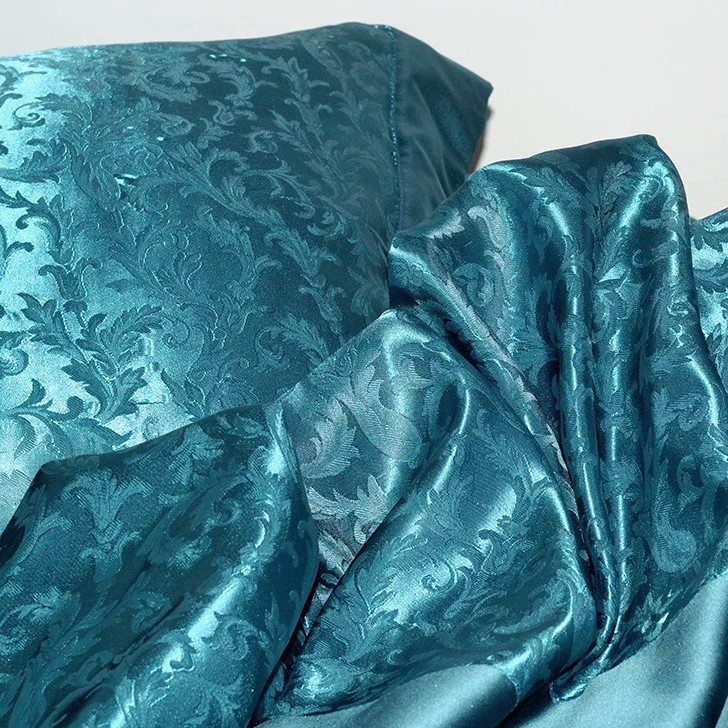
Satin is a luxurious fabric known for its smooth texture and glossy finish. Often used in clothing and bedding, people frequently ask: is satin good for skin? The answer is a resounding yes! Satin can provide numerous benefits for the skin that contribute to overall skin health and comfort. Its soft surface and unique properties make it ideal for anyone looking to enhance their skin care routine, particularly during sleep.

In this article, we’ll explore the various advantages and properties of satin, its effects on skin health, and why you should consider incorporating it into your lifestyle. We will address common questions and misconceptions, helping you understand why satin is indeed good for your skin.
The Properties of Satin
Is satin good for skin? To determine if satin is good for skin, we must first understand its properties.
1. Smooth Texture
- Softness: Satin is characterized by its incredibly smooth surface. This soft texture reduces friction against the skin, which means less irritation compared to other types of fabrics such as cotton or linen.
- Gentle on Skin: For those with sensitive skin or conditions like eczema, using satin can minimize irritation due to its non-abrasive nature. The smoothness is particularly beneficial during sleep when skin is at its most vulnerable.
2. Hydration Retention
- Moisture Preservation: Unlike more absorbent fabrics, satin helps to retain moisture. This property is essential for keeping your skin hydrated overnight.
- Benefits for Dry Skin: If you struggle with dryness, switching to satin pillowcases can make a notable difference. The fabric allows your skin to retain more moisture compared to cotton, which tends to absorb oils and moisturizers.
3. Hypoallergenic Properties
- Suitable for Allergies: Satin is less likely to irritate the skin or provoke allergic reactions. Many satin fabrics are made from synthetic fibers that are hypoallergenic.
- Dust Mite Resistance: Satin resists dust mites and other allergens, making it a safer choice for those with allergies. This quality ensures a cleaner sleep environment, which contributes to better skin health by preventing allergic reactions and irritations.

Benefits of Satin for Skin Care
Is satin good for skin? With its essential properties in mind, it’s evident that satin can have various positive effects on skin care routines. Here are some specific benefits of using satin in your daily life:
1. Reduced Skin Friction
- Minimizing Wrinkles: The smoothness of satin helps to reduce friction between your face and pillow. Less friction means fewer sleep lines or wrinkles, contributing to a more youthful appearance.
- Preventing Skin Irritation: The reduced friction also helps those with acne-prone skin. Satin allows your skin to move a bit more freely, reducing the likelihood of irritation from rubbing against rough fabric.
2. Temperature Regulation
- Breathable Fabric: Satin’s breathable nature allows for excellent air circulation, helping to regulate your body temperature while you sleep. This regulation can prevent overheating, which can otherwise lead to sweating and skin irritation.
- Comfort During Sleep: Comfort is key for quality sleep, and satin provides a luxurious feel that can improve your overall sleep experience. A more comfortable sleep contributes to healthier skin rejuvenation overnight.
3. Luxury and Indulgence
- Sense of Well-Being: Using satin products can give you a sense of luxury and indulgence. Comfort and aesthetics often go hand in hand, and feeling good about your sleeping environment can positively influence your mental and emotional state.
- Lower Stress Levels: Lower stress levels can enhance skin health, as stress is known to lead to skin issues such as breakouts and dryness. Indulging in satin can create a relaxing environment conducive to lower stress.
Common Misconceptions about Satin
Is satin good for skin? While the benefits of satin are clear, several misconceptions may lead to doubt regarding its effectiveness.
1. Satin vs. Silk
Many people confuse satin with silk, which can create questions about which fabric is superior for skin health.
Differences in Material
- Definition of Satin: Satin is not a specific type of fabric; rather, it describes a weaving technique that produces a glossy, smooth surface.
- Types of Fibers Used:
- Silk: This is a natural fiber produced by silkworms. It is renowned for its luxurious feel, softness, and breathability. Silk’s natural properties make it a favored choice for high-end garments and bed linens.
- Polyester: Polyester satin is a synthetic fabric made from petroleum-based products. It is often more affordable than silk and can offer a similar shiny finish. However, polyester does not provide the same level of breathability as silk.
- Nylon: Another synthetic option, nylon satin is known for its durability and resistance to wrinkles. While it also imitates the sheen of silk, it may not be as soft or breathable.
- Weave Characteristics: The satin weave creates a smooth surface with a distinctive sheen on one side and a dull finish on the other. This characteristic is common across all types of satin, whether made from silk or synthetic fibers.
- Variability in Quality: The quality of satin can vary significantly depending on the fiber used and the fabric construction. Higher-quality satin, regardless of its source, offers improved performance in terms of feel, durability, and skin benefits.
Comparative Benefits
- Skin Benefits of Both Fabrics: Both silk and satin offer advantages for skin health, particularly when used in bedding and sleepwear.
- Reduced Friction: Both fabrics are smooth and can reduce friction against the skin, helping to prevent irritation and damage. This property is especially beneficial for individuals with sensitive skin.
- Moisture Retention: Satin, especially when made from moisture-retaining fibers, can help maintain skin hydration. This is critical, especially for preventing dryness overnight.
- Breathability:
- Silk’s Superior Breathability: Silk is often regarded as more breathable than synthetic satin. This breathability allows for better airflow, which helps regulate body temperature and reduces sweating, keeping the skin comfortable throughout the night.
- Synthetic Satin Limitations: While high-quality synthetic satin can be equally smooth and comfortable, it typically does not allow for as much airflow. This can lead to overheating, especially in warmer climates or during summer months.
- Softness and Comfort:
- Silk’s Luxurious Feel: The natural softness of silk provides a feeling of luxury and comfort. It feels gentle against the skin, making it an excellent choice for pillowcases and sleepwear.
- Quality Satin Choices: High-quality satin made from polyester or nylon can still feel soft and smooth against the skin. While it may not match silk’s opulence, it can still provide a pleasant experience.
- Long-Term Durability and Care:
- Silk Requires Care: Silk may require more delicate handling and specific washing instructions to maintain its quality. It can be more prone to damage from abrasion and should be washed carefully.
- Ease of Maintenance: Synthetic satin, on the other hand, tends to be more durable and easier to care for. Many polyester or nylon satins are machine washable and more resistant to wrinkles, making them practical for everyday use.
2. Satin Maintenance
Another myth suggests that satin fabrics are hard to maintain or clean, discouraging potential users.
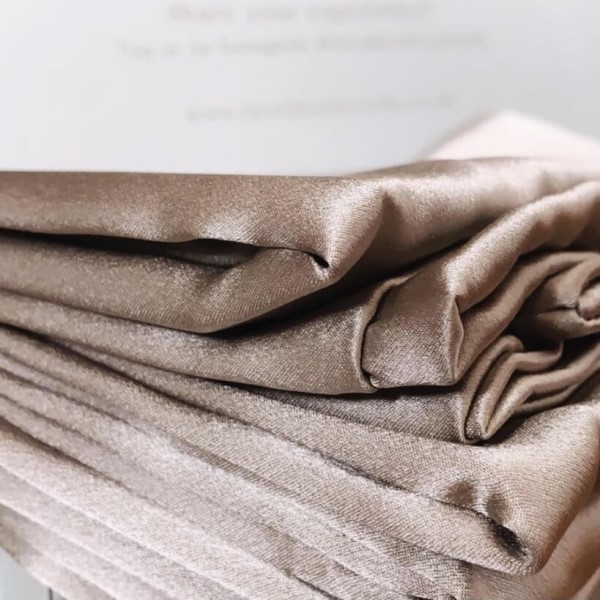
- Easy Care: In reality, many satin products are easy to care for. They can often withstand machine washing on a gentle cycle and should be air-dried to maintain their quality.
- Durability: Modern satin fabrics made from high-quality materials are often designed for durability. Properly cared for, they can last for a long time while continuing to contribute positively to your skin.
Integrating Satin into Your Routine
If you’re considering the various benefits of satin, integrating it into your lifestyle can be simple.
1. Satin Pillowcases
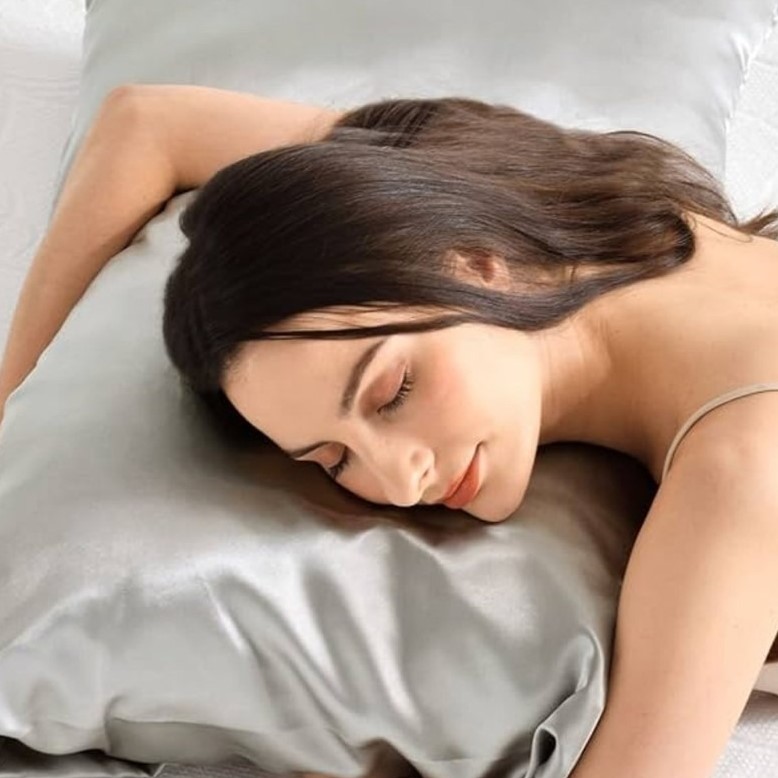
- Enhanced Sleep Quality: Switching to satin pillowcases can be one of the easiest ways to enjoy the benefits of the fabric. The gentle surface minimizes friction, which allows the skin to glide smoothly over it.
- Preventing Sleep Lines: Over time, using satin pillowcases can help reduce the appearance of sleep lines on the skin, promoting a smoother complexion and decreasing signs of aging.
2. Satin Bedding and Sleepwear
- Comfort During Sleep: Expanding your use of satin to include sheets and sleepwear can significantly enhance your sleeping experience. The soft, luxurious feel can help you relax and fall into a deeper sleep.
- Conducive to Skin Renewal: A good night’s sleep is vital for skin repair and renewal. The combination of comfortable satin bedding and proper hydration can provide optimal conditions for your skin to rejuvenate overnight.
Understanding Care Instructions for Satin
To maximize the benefits of choosing satin, following proper care instructions is necessary.
1. Washing Satin Fabrics
- Gentle Cycle Washing: Generally, satin materials can be washed on a gentle cycle. It’s important to read the care instructions for specific products to avoid damage.
- Avoiding Harsh Chemicals: Use mild detergents when cleaning satin. Harsh chemicals can deteriorate the fabric over time.
2. Drying and Ironing Satin
- Air Dry Recommended: It’s best to air dry satin items to maintain their structure and avoid potential shrinking or damage from high heat.
- Low Heat on the Iron: If ironing is necessary, use a low heat setting and place a thin cloth between the iron and the satin to prevent damage.
FAQ Section
Is silk or satin better for your skin?
Silk and satin each provide benefits. Silk is a natural fiber known for its breathability, while high-quality satin can offer similar skin-friendly attributes, depending on personal preference and intended use.
Is it healthy to sleep in satin?
Yes, sleeping on satin is healthy for your skin. Its smooth texture minimizes friction and irritation, while its moisture-retaining properties help keep skin hydrated.
Is satin good for the skin?
Absolutely! Satin provides numerous benefits, including reduced friction, moisture retention, and hypoallergenic properties, making it suitable for all skin types.
Is it better to sleep on satin or silk?
This choice depends on personal preferences. Silk is generally softer and more breathable, while satin can be more affordable and easier to care for. Both materials are beneficial for skin health.
Conclusion: Is Satin Good for Skin?
In conclusion, the evidence supports that satin is good for skin. The smooth texture, moisture retention properties, and hypoallergenic characteristics make satin an excellent choice for bedding and sleepwear. By integrating satin into your daily routine, you can achieve numerous skin benefits while also indulging in a comfortable and enjoyable lifestyle.
As you consider incorporating satin into your life, remember the various advantages this luxurious fabric offers, not only for your skin but for your overall well-being. Whether you use satin pillowcases, sheets, or clothing, you are likely to appreciate the results. Ultimately, the answer to the question of “Is satin good for skin?” is a definitive yes. Embrace the comfort and benefits of satin, and discover how it can enhance your skin health and aesthetics.