Does Kratom Cause Hair Loss? What You Need to Know Today
Contents
hide
Introduction to Kratom and Hair Loss
Kratom, derived from the leaves of the Mitragyna speciosa tree, has become increasingly popular for its purported pain-relieving and mood-enhancing properties. Despite its benefits, some users have raised concerns about potential side effects, particularly hair loss. Does kratom cause hair loss? This article aims to provide a thorough examination of whether kratom causes hair loss and to explore various factors that may contribute to this alarming symptom. By understanding these aspects, users can make informed decisions about their health and kratom use.

What is Kratom?
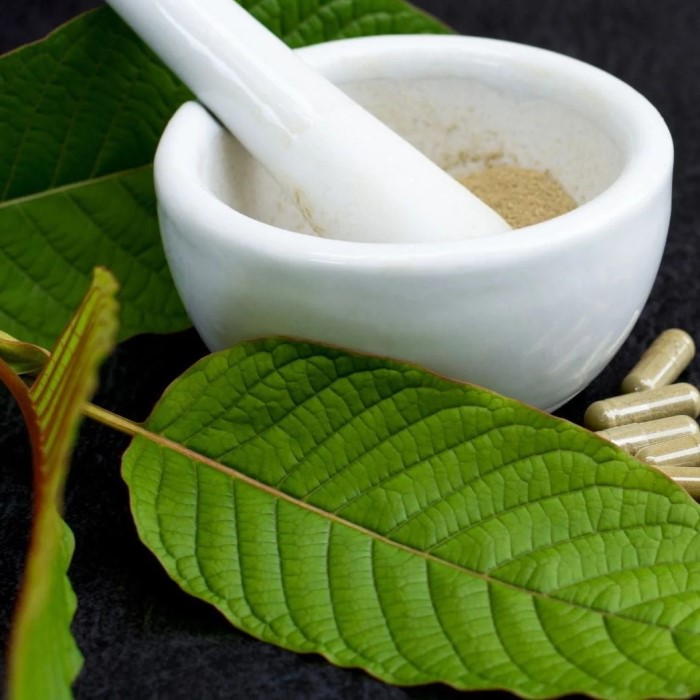
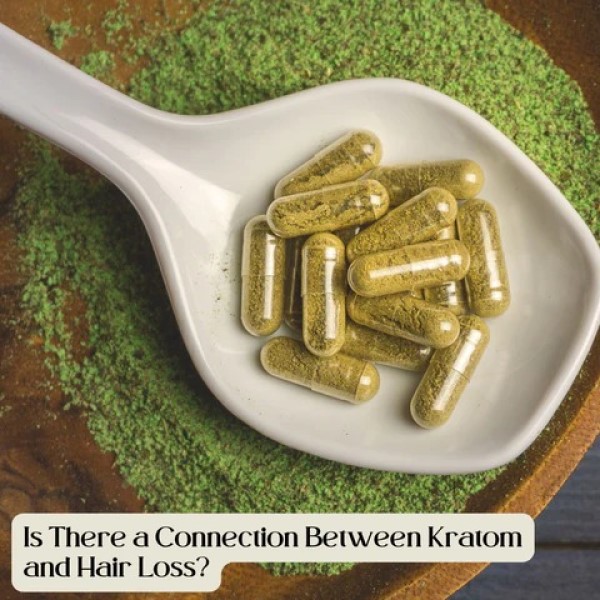
Kratom is a tropical evergreen tree native to Southeast Asia, particularly in countries such as Thailand, Malaysia, and Indonesia. The leaves of this tree have been traditionally used for medicinal purposes for centuries. The leaves contain several active alkaloids, with mitragynine being the most significant. Users often consume kratom in different forms, including capsules, powders, and extracts, as well as by brewing the leaves into a tea.
Kratom has gained notoriety for its psychoactive effects, which can include stimulation, sedation, and pain relief. Many users turn to kratom as a natural alternative for managing chronic pain, anxiety, or even opioid withdrawal symptoms. While it offers various therapeutic potentials, it also warrants a close inspection of its side effects, especially those related to hair health.
Understanding Hair Loss
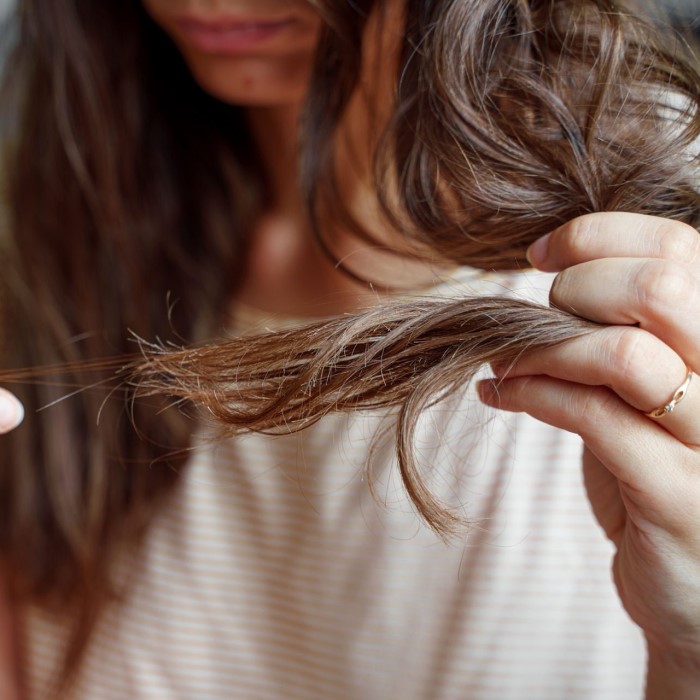
Hair loss, medically known as alopecia, can be a distressing experience for many individuals. Its causes are complex and multifaceted, including genetic predisposition, hormonal changes, nutritional deficiencies, stress, and underlying health conditions. Before attributing any hair loss to kratom, it is imperative to assess these various factors carefully.
The Connection Between Kratom and Hair Loss
Does kratom cause hair loss? Currently, scientific research establishing a direct link between kratom and hair loss is limited. However, anecdotal accounts from users suggest that some individuals may experience thinning hair during kratom use. This phenomenon may be influenced by several underlying factors:
Dehydration
- Diuretic Effects of Kratom: Kratom has been known to exhibit diuretic properties, which means it can increase urine production in users.
- Increased Urination: This increase in urination can lead to significant fluid loss if not properly managed with hydration.
- Potential for Dehydration: Chronic dehydration may occur as a result of excessive fluid loss without adequate water intake, contributing to a dry environment in the body.
- Impact on Overall Health: Insufficient hydration can have widespread negative effects, impacting various body systems, including cardiovascular and kidney functions.
- Specific Impact on Hair Health: Hair follicles particularly require adequate hydration to support optimal growth. Dehydration can lead to dry, brittle hair and impaired growth.
- Long-Term Consequences: Chronic dehydration could hinder hair growth processes over time, leading to hair thinning or increased shedding.
Nutritional Deficiencies
- Nutrient Absorption Interference: Long-term use of kratom may disrupt the body’s ability to absorb essential nutrients, crucial for overall health and particularly for hair health.
- Possible Nutritional Deficits: Deficiencies in vitamins and minerals, such as B vitamins, zinc, and iron, can arise due to this interference, affecting various bodily functions.
- Role of Key Nutrients: Essential nutrients play a vital role in maintaining healthy hair. For example:
- Vitamins: Vitamins A, C, and E are important for hair growth and maintenance.
- Minerals: Zinc and iron are critical for proper hair follicle function and preventing hair loss.
- Consequences of Deficiencies: If kratom usage limits effective nutrient absorption, the resulting deficiencies may lead to health concerns, including hair loss.
- Need for Balanced Nutrition: Ensuring a nutrient-rich diet is essential for mitigating the potential negative effects of kratom on hair health.
Hormonal Fluctuations
- Influence of Kratom on Hormones: Various factors can affect hormonal balance in the body, and some research suggests that kratom may interact with opioid receptors, potentially impacting hormone levels.
- Mechanism of Action: Kratom’s interaction with specific receptors in the brain can lead to changes in neurotransmitter release, which may indirectly influence hormonal regulation.
- Impact of Hormonal Changes on Hair Growth: Fluctuations in hormones can disrupt normal hair growth cycles, leading to:
- Telogen Effluvium: A condition where hair prematurely enters the shedding phase, resulting in noticeable hair thinning.
- Hormonal Imbalances: Changes in estrogen, testosterone, or cortisol levels can severely affect hair growth and density.
- Potential for Thinning or Loss: Consistent hormonal fluctuations due to kratom use may increase the risk of hair thinning or loss over time, especially in individuals susceptible to these changes.
- Importance of Monitoring: Understanding how kratom may affect hormonal levels can help users make informed choices and seek necessary adjustments to their usage.
FAQ: Does Kratom Cause Hair Loss?
While the question of whether kratom causes hair loss remains unanswered definitively, it is essential to consider the broader context. Although individual experiences vary, anyone using kratom should monitor their health closely. If significant changes occur, including hair loss, it may be prudent to consult a healthcare professional.
Exploring Kratom’s Side Effects
Kratom is frequently marketed as a safer natural alternative to conventional pain relief medications. However, it is crucial to recognize that kratom can lead to various side effects beyond hair loss. Some of the most common side effects include:
- Nausea and Vomiting: Some users report gastrointestinal upset, including nausea and vomiting, especially when consuming high doses.
- Dizziness and Drowsiness: Depending on the strain and dosage, kratom can induce sedation or calmness in some individuals while causing restlessness in others.
- Appetite Changes: Kratom may alter appetite, leading to decreased or increased food intake, which could contribute to nutritional deficiencies over time.
- Withdrawal Symptoms: Long-term use can lead to tolerance and dependence, with potential withdrawal symptoms manifesting when decreasing or ceasing use.
What Are the Long-Term Effects of Kratom?
With the increasing popularity of kratom, discussions around its long-term effects have become more prevalent. It is essential to recognize that long-term kratom use can pose health risks. Some potential long-term effects include:
- Tolerance and Dependence: As users continue to consume kratom regularly, they may develop tolerance, requiring increasing doses to achieve the desired effects. This cycle can lead to dependence and withdrawal symptoms if the individual tries to stop using kratom.
- Nutritional Deficiencies: Chronic users of kratom may face nutrient absorption issues, leading to deficiencies. This can cause various health problems, including issues related to hair, skin, and overall vitality.
- Psychological Effects: Extended use of kratom may impact mental health. Users may experience anxiety or mood swings, which can also contribute to stress-related hair loss.
What Drugs Can Lead to Hair Loss?
Various medications and substances have been linked to hair loss in some individuals. It is worth noting that hair loss is a multifactorial issue. Here are some common categories of drugs that may contribute to hair thinning:
- Antidepressants: Certain selective serotonin reuptake inhibitors (SSRIs) and other antidepressants have been associated with hair thinning in some users.
- Chemotherapy Agents: Chemotherapy is widely recognized for causing temporary hair loss, as it targets rapidly dividing cells, impacting hair follicles.
- Blood Thinners: Some anticoagulants can lead to diffuse hair loss. Individuals taking medications for heart disease or blood clotting disorders should always consult healthcare providers regarding potential hair loss.
What Minerals Does Kratom Deplete?
Some users speculate that kratom may lead to the depletion of various essential minerals and nutrients. Here are a few key minerals that are critical for overall health and may be affected by kratom use:
- Magnesium: Vital for numerous bodily functions, magnesium deficiency can lead to increased stress and related hair loss. It assists in DNA synthesis, which is crucial for hair growth.
- Zinc: An essential mineral for hair follicle function, zinc deficiency has been tied to hair thinning. Since kratom can potentially interfere with nutrient absorption, users should be cautious.
- Potassium: Necessary for maintaining cellular function, including hair cells, potassium imbalances can impact overall health, including hair growth.
Does Kratom Mess Up Your Hormones?
An essential question many users ask is whether kratom affects hormone levels. Limited research indicates that kratom could potentially influence hormonal balance due to its interactions with the body’s opioid receptors. Hormones such as cortisol (the stress hormone) and testosterone (involved in hair growth) may be affected by kratom use.
Changes in hormone levels can have notable effects on hair growth cycles. If you’re considering kratom and are concerned about hormonal effects, it’s vital to monitor your body’s response and seek professional guidance when needed.
Conclusion: The Relationship Between Kratom and Hair Loss
In conclusion, the link between kratom and hair loss is primarily anecdotal at this point, with limited scientific evidence to draw upon. While some users may experience hair thinning as a consequence of kratom use, this may relate more to factors such as dehydration, nutritional deficiencies, and hormonal fluctuations rather than a direct cause-and-effect relationship.
Before jumping to conclusions, it is crucial to consider the many potential causes of hair loss and to approach kratom use cautiously. If you are concerned about experiencing hair loss or any other symptoms associated with kratom, seeking the advice of a healthcare professional can provide further insight and guidance tailored to your needs. Always prioritize your health and well-being when considering any supplement like kratom and stay vigilant about any changes in your body, including hair health.
Final Thoughts
While the discourse surrounding “does kratom cause hair loss” continues, staying informed about the potential risks associated with kratom use is paramount. As with any herbal supplement, a cautious and informed approach is essential, particularly regarding long-term use. Remember to pay attention to your body’s responses and make informed choices that will keep both your hair and your overall well-being in optimal condition. If you notice any alarming symptoms, do not hesitate to reach out to healthcare professionals.