Uncovering the Truth: Does Low B12 Cause Hair Loss Issues?
Introduction: The Connection Between Low B12 and Hair Loss
In today’s world, hair loss affects millions of people globally, raising numerous questions about its causes and potential solutions. One intriguing factor that has come into focus is vitamin B12 deficiency. Many people wonder, does low B12 cause hair loss? Understanding the relationship between vitamin B12 levels and hair health is essential for anyone experiencing unexplained hair thinning or loss. In this article, we will delve into the reasons behind low B12 levels, its symptoms, and how it may influence hair growth and overall health.
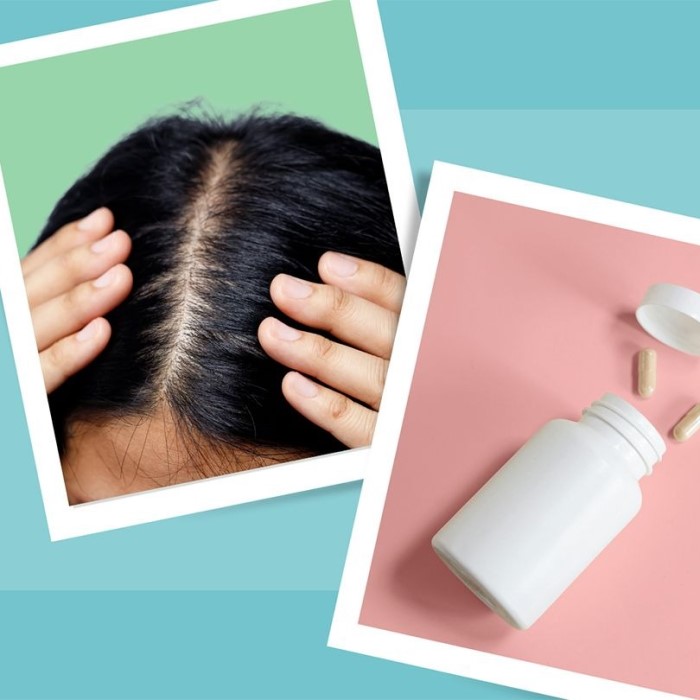
Vitamin B12 plays a crucial role in maintaining several bodily functions, including the production of red blood cells and DNA synthesis. Additionally, it supports nerve health and contributes to the overall well-being of the body. Since hair follicles have high metabolic activity, they depend heavily on adequate nutrient supply for proper functioning. Thus, a deficiency in vitamin B12 could potentially lead to adverse effects on hair growth, prompting the need for thorough exploration.
Understanding Vitamin B12 and Its Role in Hair Health
Before diving deeper into the connection between low B12 and hair loss, it’s essential to grasp what vitamin B12 is and how it functions in the body.
What is Vitamin B12?
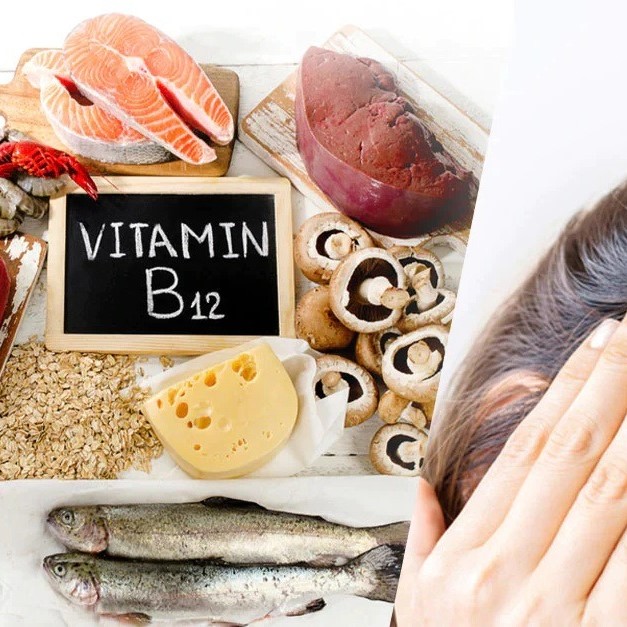
Vitamin B12, also known as cobalamin, is a water-soluble vitamin that is vital for overall health. It is mainly found in animal-derived foods, such as meat, fish, eggs, and dairy products. For individuals following a vegetarian or vegan diet, obtaining sufficient B12 can be challenging. Therefore, it’s crucial to be aware of sources and supplements to ensure adequate intake.
Functions of Vitamin B12
The functions of vitamin B12 are extensive and multifaceted. Here’s a summary of its key roles:
- Red Blood Cell Production: Vitamin B12 is essential for the formation of red blood cells. When levels are low, it can lead to anemia, which may manifest symptoms affecting overall health.
- DNA Synthesis: B12 plays an essential role in DNA synthesis, serving as a necessary co-factor in genetic material production.
- Nervous System Function: This vitamin helps maintain the myelin sheath that protects nerves, thereby contributing to the proper functioning of the nervous system.
- Energy Production: Vitamin B12 helps convert food into energy. Inadequate levels may result in fatigue and weakness, ultimately affecting overall vitality.
Due to these critical roles, it is clear why adequate vitamin B12 levels are vital for health, including hair vitality.

Does Low B12 Cause Hair Loss?
Now that we’ve established the importance of vitamin B12, let’s explore the question: does low B12 cause hair loss?
The Mechanism Behind Hair Loss
Hair loss occurs when hair follicles are weak or damaged, resulting in thinning or shedding. Nutritional deficiencies, including vitamin B12 deficiency, can contribute to this condition. When the body lacks sufficient nutrients, hair follicles may not receive the necessary support for healthy growth, leading to weakened strands and increased shedding.
Research on B12 and Hair Loss
Several studies indicate a correlation between vitamin B12 deficiency and hair loss:
- Clinical Observations: Research has shown that individuals experiencing hair loss often have lower vitamin B12 levels. This observation suggests that improving B12 intake may help some individuals restore hair growth.
- Supporting Studies: Medical literature reveals that B12 deficiency may lead to conditions like pernicious anemia, which is linked to various hair complications. Improving B12 levels in affected individuals has shown potential for reversing hair loss.
While the exact mechanism remains an area of ongoing research, what is clear is the importance of adequate vitamin B12 intake for maintaining hair health.

Symptoms of Very Low B12
Does low b12 cause hair loss? When considering a potential connection to hair loss, it is crucial to understand the symptoms that arise from very low B12 levels. Here are some signs to watch for:
- Fatigue and Weakness: Feeling unusually tired or weak can indicate a deficiency, impacting daily life and overall energy levels.
- Anemia Symptoms: Symptoms like pale skin, dizziness, and shortness of breath may arise due to anemia caused by low B12 levels.
- Nerve Problems: Tingling or numbness in the hands and feet may signify nerve damage related to vitamin B12 deficiency.
- Cognitive Symptoms: Difficulty concentrating, memory loss, and mood changes can also occur with low B12, affecting mental well-being.
- Hair Loss: As mentioned earlier, changes in hair texture, thinning, or excessive shedding can be indicative of a deficiency.
If you or someone you know experiences these symptoms, it may be advisable to consult a healthcare professional for evaluation and testing.
What Vitamin Am I Lacking if My Hair is Falling Out?
Hair loss can result from various vitamin deficiencies, not just B12. Other vitamins and nutrients play significant roles in hair health as well:
- Iron: Low iron levels can lead to anemia and lead to hair loss. Iron supports the delivery of oxygen to hair follicles.
- Vitamin D: Deficiency in vitamin D is linked to hair loss and may hinder the hair growth cycle. Adequate sunlight exposure and supplements can help.
- Biotin: Often touted as a hair-growth vitamin, biotin deficiencies can lead to thinning hair. Including biotin-rich foods or supplements can be beneficial.
- Zinc: Zinc is essential for hair tissue growth and repair. Deficiency in zinc can lead to hair loss or delayed wound healing.
Incorporating a balanced diet rich in vitamins and minerals is vital for maintaining healthy hair. If hair loss persists, consult a healthcare professional for personalized advice.
Will Hair Grow Back from B12 Deficiency?
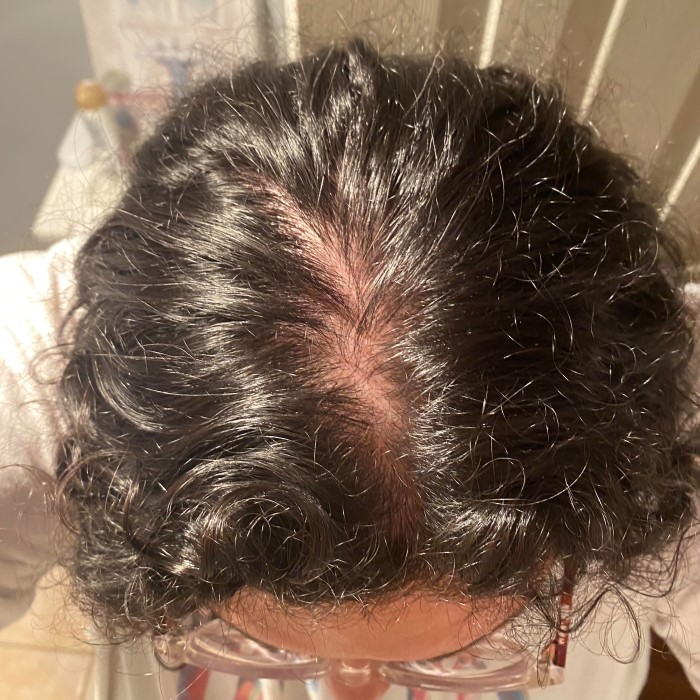
Addressing the question of hair regrowth after a B12 deficiency is essential for those affected. The answer largely depends on the individual’s overall health and how long they have been deficient.
Reversibility
- Connection Between B12 and Hair Loss: If hair loss is attributed to a deficiency in vitamin B12, addressing and restoring adequate B12 levels is crucial.
- Potential for Regrowth: After correcting the deficiency, hair regrowth can occur as the body starts functioning properly again.
- Hair Follicle Recovery: Once B12 levels return to normal, hair follicles often regain their ability to produce healthy hair strands.
- Importance of Nutritional Balance: It’s essential to ensure a well-rounded intake of nutrients to support hair health beyond just B12.
Timeframe
- Gradual Process: Upon correcting a vitamin B12 deficiency, noticeable hair regrowth may take several weeks to months.
- Initial Changes: The first signs of improvement could be subtle; new hair growth may initially be fine or soft.
- Full Regrowth: Depending on the individual, it might take a few months for hair to return to its previous thickness or density.
- Patience Required: It’s important for individuals experiencing hair loss to be patient during this period of regrowth.
Individual Variability
- Personal Responses: Hair growth responses to B12 supplementation vary widely from person to person.
- Factors Influencing Growth: Factors such as overall health, age, genetics, and the duration of B12 deficiency play a critical role in determining the rate of hair regrowth.
- Fast vs. Slow Response: While some individuals may see rapid improvement from increased B12 intake, others may take a significantly longer time to notice any changes.
- Consultation with Experts: Individual variability emphasizes the need for personalized consultation to develop the best recovery plan.
Follow-Up
- Regular Monitoring: Consistent follow-up with a healthcare provider is essential to assess vitamin B12 levels.
- Tracking Hair Health: Along with blood tests for B12, evaluating hair health during follow-up visits can provide insights into the effectiveness of interventions.
- Adjustment of Treatment: Based on follow-up findings, healthcare providers might adjust dietary recommendations or supplementation dosages.
- Encouragement and Support: Regular appointments can offer reassurance to individuals dealing with hair loss, providing them with support and motivation throughout their recovery journey.
Ultimately, addressing low B12 levels can provide a pathway for hair recovery for those affected.
Is Vitamin B12 Safe During Pregnancy?
Pregnancy places increased demands on a woman’s nutritional needs, making it crucial to ensure adequate vitamin B12 intake during this time. Here’s what to know:
- Safety and Importance: Vitamin B12 is crucial for fetal development, particularly for nervous system health and brain development. Supplementing with B12 is generally considered safe during pregnancy.
- Recommended Intake: Pregnant women need higher B12 levels to support their growing baby’s nutritional needs. Consulting with a healthcare professional can help determine the appropriate supplement dosage.
- Deficiency Risks: Inadequate B12 levels during pregnancy can lead to complications such as anemia and potential developmental issues for the infant.
- Dietary Sources: Pregnant women should focus on consuming vitamin B12-rich foods, such as meat, fish, dairy, and fortified cereals, in addition to considering supplements if necessary.
Overall, maintaining sufficient vitamin B12 levels during pregnancy is essential for both maternal and fetal health.
Conclusion: The Importance of Addressing Low B12
In conclusion, understanding the relationship between vitamin B12 deficiency and hair loss is crucial for anyone experiencing changes in hair health. Does low B12 cause hair loss? The evidence suggests a potential connection that warrants attention, especially when combined with other symptoms of deficiency.
Incorporating a balanced diet rich in nutrients, monitoring vitamin levels, and addressing deficiencies can significantly improve hair health and overall well-being. If you suspect low B12 levels or experience hair loss, consult a healthcare professional for guidance and appropriate intervention.
Taking proactive steps today can lead to healthier hair and a better quality of life tomorrow!