Understanding: Can Facial Hair Cause Acne in Men and Women?
Introduction: The Link Between Facial Hair and Acne
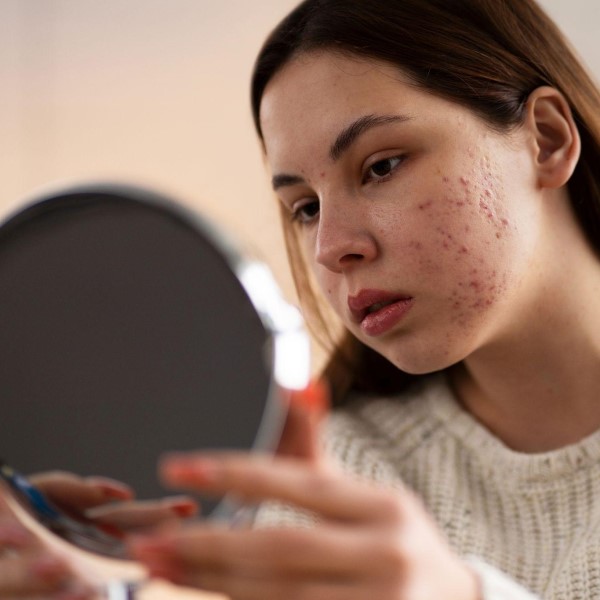
As many individuals consider facial hair as part of their personal style or identity, a common question arises: can facial hair cause acne? This inquiry is particularly relevant for men and women who are dealing with skin breakouts while maintaining facial hair. Understanding the connection between facial hair and acne is essential for anyone who wants to keep their skin clear and healthy. This article will explore the various factors that contribute to acne, the role of facial hair, and effective skincare strategies to prevent breakouts.
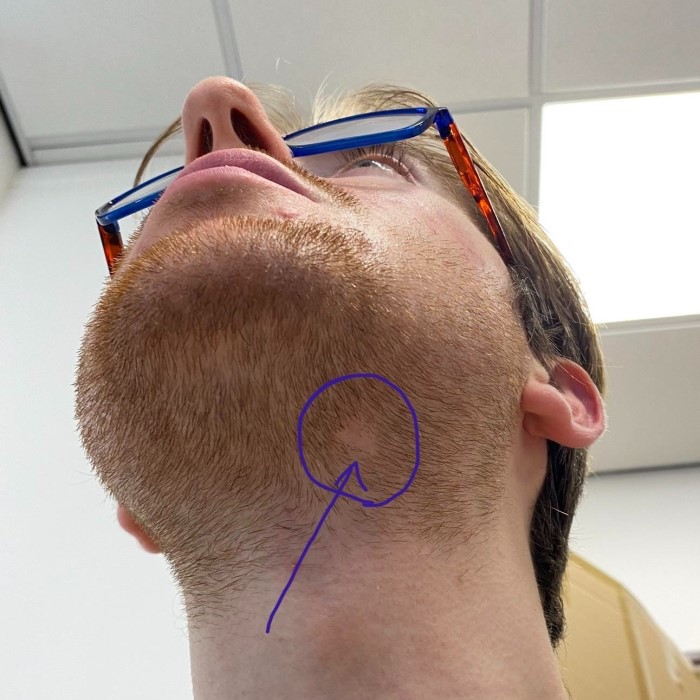
Facial hair can vary greatly in thickness, type, and grooming habits. These differences can influence the health of the skin underneath. Hormonal fluctuations, skin care routines, and overall hygiene can also play significant roles in acne development. By gaining a deeper understanding of these connections, individuals can make informed decisions about grooming and skincare practices that work for them.
How Facial Hair Can Contribute to Acne
1. Trapping Dirt and Oil
Can facial hair cause acne? Facial hair can trap dirt, oil, and dead skin cells against the skin. This accumulation can create an environment conducive to bacterial growth, which often leads to clogged pores and the development of acne. Understanding this mechanism is crucial for individuals with facial hair who may not have a consistent skincare regimen.
- Daily Grooming: Regular washing of the face and facial hair can significantly reduce the buildup of impurities that lead to acne.
- Exfoliation: Incorporating an exfoliating product into the skincare routine can help remove dead skin cells and prevent blockages.
2. Hormonal Influences
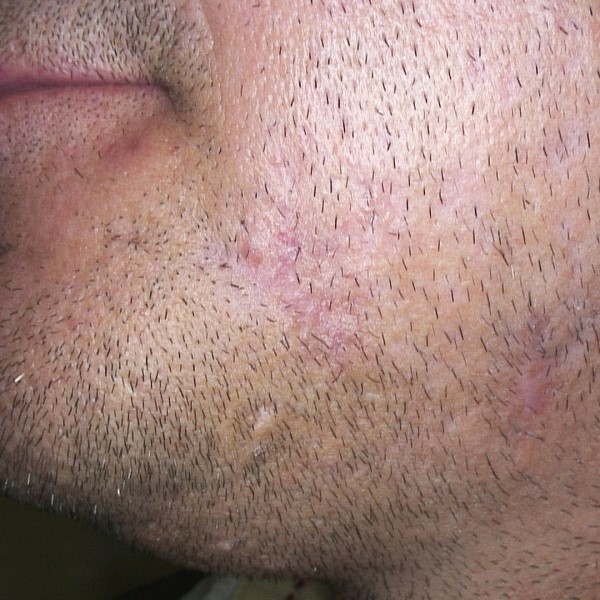
Facial hair growth is often influenced by hormones, particularly androgens. Hormonal fluctuations, such as those experienced in puberty or during menstrual cycles, can impact oil production in the skin, leading to acne.
- Sebum Production: Increased hormone levels can stimulate sebaceous glands to produce excess sebum, resulting in oily skin that is more prone to breakouts.
- Balancing Hormones: Maintaining a healthy lifestyle, including a balanced diet and regular exercise, can assist in hormone regulation and mitigate acne risks.
3. Friction and Irritation
Facial hair can cause friction against the skin, particularly when it rubs against clothing, hands, or grooming tools. This irritation can lead to inflammation and can exacerbate pre-existing acne.
Grooming Practices
- Use Gentle Grooming Tools: Opt for soft brushes, wide-toothed combs, or other gentle grooming instruments that are less likely to tug or pull at the hair or skin. This helps to minimize discomfort and irritation during grooming sessions.
- Avoid Aggressive Shaving Techniques: When shaving, it is essential to employ gentle techniques rather than aggressive ones. This includes using a light touch and ensuring the use of a sharp, clean razor, which reduces the likelihood of nicks or cuts.
- Consider Alternative Hair Removal Methods: If traditional shaving or trimming leads to frequent irritation, exploring alternative methods such as electric trimmers, depilatory creams, or professional waxing may be beneficial. These methods can often be less irritating to the skin.
- Shave with the Grain: When shaving, always consider shaving in the direction of hair growth (with the grain) rather than against it. This technique can greatly reduce the risk of ingrown hairs and irritation.
- Keep Skin Hydrated: Just before and after grooming, make sure to hydrate the skin properly. Using moisturizing creams or soothing aftershaves can help soothe any post-grooming irritation.
Choosing Products Wisely
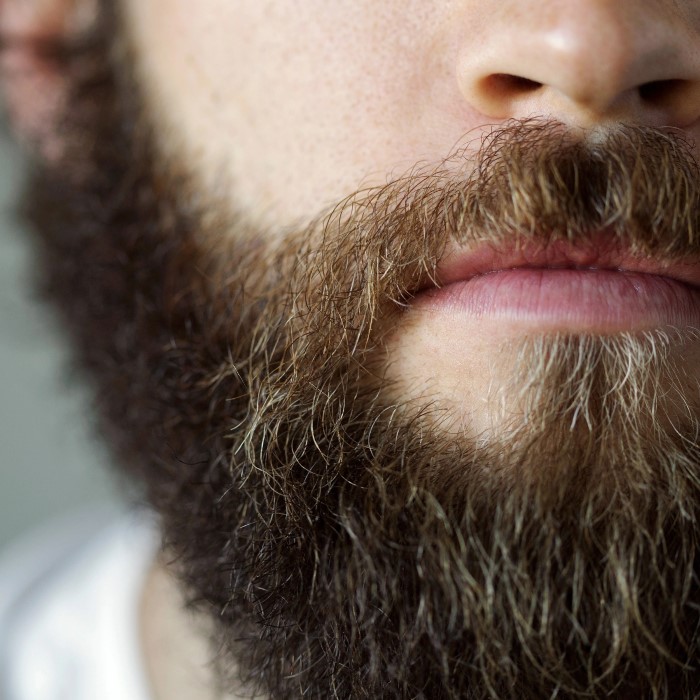
- Select Non-Comedogenic Products: It is crucial to choose grooming and skincare products labeled as non-comedogenic, which means they won’t clog pores. This consideration is especially important for those maintaining facial hair, as clogged pores can lead to breakouts and irritation.
- Look for Soothing Ingredients: Opt for products that contain soothing ingredients such as aloe vera, chamomile, or tea tree oil, which can help calm the skin and reduce irritation associated with facial hair maintenance.
- Avoid Harsh Chemicals and Fragrances: Choose products free of harsh chemicals, artificial fragrances, and parabens, as these can exacerbate irritation and sensitivity, especially for those with sensitive skin.
- Patch Test New Products: Before fully incorporating a new product into your routine, perform a patch test on a small area of skin to check for any adverse reactions. This step can help prevent widespread irritation or allergic reactions.
- Consult with a Dermatologist: If uncertain about which products to choose, consulting a dermatologist can provide personalized recommendations tailored to your skin type and needs. They can suggest suitable products and routines that minimize irritation while effectively maintaining facial hair.
Skincare Tips for Managing Facial Hair and Acne
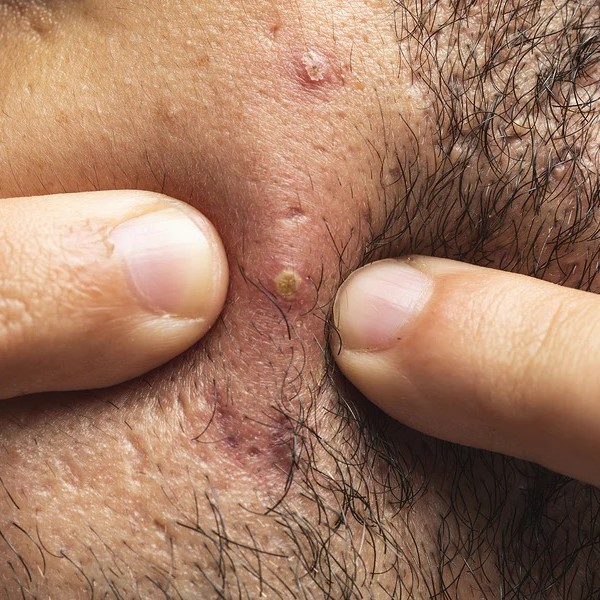
Can facial hair cause acne? To maintain healthy skin while sporting facial hair, consider adopting a comprehensive skincare routine tailored to address both acne and grooming concerns.
1. Regular Cleansing
- Daily Cleaning: Use a mild facial cleanser to wash both the skin and facial hair daily. This helps to remove dirt, oil, and bacteria that can lead to acne.
- Special Consideration for Beards: Individuals with longer facial hair should consider using a beard wash that doesn’t strip the skin of its natural oils but effectively cleanses the hair and skin.
2. Moisturizing Appropriately
- Hydration: Even if you have oily skin, moisturizing is essential. Look for oil-free, non-comedogenic moisturizers that won’t clog pores while providing necessary hydration.
- Beard Oils: For those with facial hair, using beard oils can keep hair soft while also hydrating the skin beneath.
3. Grooming Techniques
- Use Clean Tools: Ensure that razors, clippers, and grooming tools are clean to prevent the transfer of bacteria to the skin.
- Gentle Techniques: Use gentle movements when addressing facial hair grooming to prevent unnecessary irritation and friction.
FAQs About Facial Hair and Acne
1. Does facial hair cause acne?
While facial hair itself does not directly cause acne, it can trap oils and dirt, creating conditions conducive to acne development. Factors such as hormonal balance and grooming practices also play a significant role.
2. Will removing facial hair help with acne?
Removing facial hair may help reduce the risk of acne for some individuals by decreasing the amount of oil and dirt trapped against the skin. However, it’s essential to follow a proper skincare routine regardless of whether you choose to maintain facial hair.
3. Can my hair cause pimples on my face?
Facial hair can contribute to skin issues if not properly maintained. If hair strands rub against the skin or trap oils, this can lead to the formation of pimples.
4. Does shaving reduce acne?
Shaving can temporarily reduce the risk of acne by removing trapped oils and skin debris. However, improper shaving techniques may cause irritation, leading to breakouts. It’s vital to use proper shaving methods and products.
Hormonal Imbalances and Acne with Facial Hair
1. Understanding Hormonal Impact
- Androgens: Hormonal imbalance may contribute to hair growth patterns and increased oil production. This relationship is particularly notable during puberty and menstrual cycles.
- Acne Severity: Hormonal fluctuations can exacerbate acne in both men and women, necessitating a holistic approach to skincare that considers overall hormonal health.
2. Managing Hormonal Fluctuations
Balanced Diet
- Importance of Nutritional Variety: A balanced diet is crucial for overall health, and it plays a significant role in maintaining hormone balance. When the body receives adequate nutrients, it can function optimally, including the hormonal systems that regulate skin health.
- Fruits:
- Vitamins and Antioxidants: Fruits are rich in vitamins and antioxidants, which can help combat oxidative stress. For example, berries are high in antioxidants that help reduce inflammation and promote healthy skin.
- Hydration: Many fruits have high water content, which aids in hydration, vital for maintaining skin elasticity and preventing dryness.
- Vegetables:
- Nutrient Density: Leafy greens and colorful vegetables are packed with vitamins, minerals, and fiber. They provide essential nutrients like vitamin A and vitamin C, which are important for skin repair and collagen production.
- Fiber: Adequate fiber intake from vegetables helps regulate digestion and can lead to better hormonal balance, positively impacting skin health.
- Lean Proteins:
- Building Blocks for Repair: Proteins are essential for cell repair and regeneration. Including sources like chicken, fish, beans, and legumes can support skin healing and overall health.
- Amino Acids: Lean proteins provide amino acids that are vital for the synthesis of hormones and enzymes that affect skin and hair health.
- Healthy Fats:
- Essential Fatty Acids: Omega-3 and omega-6 fatty acids, found in fish, nuts, and seeds, are necessary for reducing inflammation and maintaining skin suppleness.
- Hormone Regulation: Healthy fats support hormone production and balance, which can help mitigate hormonal acne and promote overall skin health.
- Hydration: It’s essential to complement a balanced diet with adequate water intake. Staying well-hydrated enhances skin moisture and helps flush out toxins, further contributing to clearer skin.
Consulting Professionals
- Importance of Professional Guidance: For individuals facing persistent acne potentially linked to hormonal imbalances, seeking advice from healthcare professionals is critical. Dermatologists and doctors specialize in skin issues and can provide tailored recommendations.
- Targeted Treatment Plans:
- Diagnosis: A healthcare provider can conduct necessary examinations and tests to identify underlying causes of acne, including hormonal tests, if needed.
- Personalized Recommendations: Based on individual needs, professionals can suggest targeted treatment options, including topical medications, hormonal therapies, or lifestyle changes.
- Education on Skin Health: Consulting professionals can also lead to a better understanding of how daily habits, diet, and skincare routines affect skin health. Knowledge empowers individuals to make informed choices.
- Support for Mental Well-Being: Persistent acne can affect mental health and self-esteem. Speaking to professionals can provide not only skin-care solutions but also emotional support and counseling for dealing with the psychosocial effects of acne.
- Follow-Up Care: Regular check-ins with a healthcare provider can help monitor progress and adjust treatment plans as necessary, ensuring ongoing support for managing acne effectively.
Conclusion: Maintaining Healthy Skin Under Facial Hair
To conclude, while can facial hair cause acne is a complex question, understanding the factors involved can lead to effective management of both facial hair and skin health. Regular cleansing, appropriate skincare products, and grooming practices play crucial roles in preventing breakouts.
Monitoring hormonal health is also essential, as imbalances can impact not only acne but overall skin wellness. By adopting a systematic approach to skincare, individuals with facial hair can enjoy the benefits of their grooming choices without compromising the health of their skin.
Ultimately, embracing a proactive skincare routine while being aware of how facial hair interacts with skin is vital. If you find that acne persists despite making adjustments, consulting with a dermatologist will help you develop an effective and personalized approach to maintaining clear skin.