Experience Health: Is Dry Brushing Good for Your Skin in 2025?
Introduction: The Growing Trend of Dry Brushing
In a world increasingly focused on holistic health and natural beauty, dry brushing has surfaced as a popular self-care practice. But is dry brushing good for your skin? This centuries-old technique, believed to have originated from ancient philosophies, has recently been embraced in modern skincare routines. Advocates tout its numerous benefits, from exfoliation to improved circulation. In this article, we will explore the advantages of dry brushing, discuss proper methods, and address common concerns to help you determine if this technique is right for your skincare regimen.
What Is Dry Brushing?
Definition
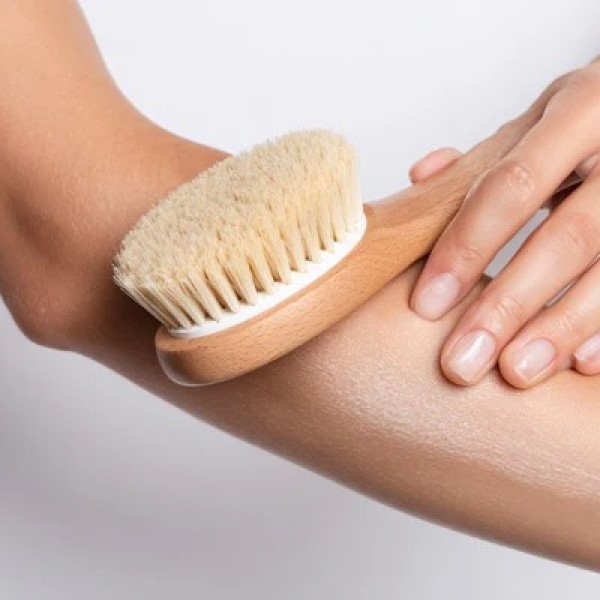
Dry brushing involves using a brush made of natural, stiff bristles to exfoliate the skin while it is dry. The primary aim is to manually slough off dead skin cells, stimulate circulation, and enhance overall skin health. The process is simple but effective, making it an attractive addition to many people’s daily or weekly routines.
Historical Context
The practice of dry brushing is not new; it has been used for centuries in various cultures. For example, traditional Ayurvedic medicine incorporates dry brushing as a way to promote health and well-being. The method has transcended time and geography, finding its way into contemporary wellness spaces where it is touted for its myriad benefits.
The Benefits of Dry Brushing for Your Skin
1. Enhanced Exfoliation
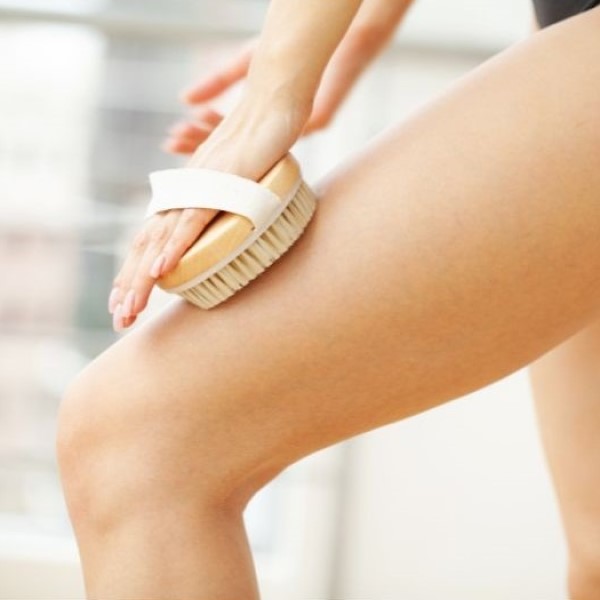
Is dry brushing good for your skin? One of the most immediate benefits of dry brushing is its ability to exfoliate the skin. By using a brush to remove dead skin cells, dry brushing reveals softer, smoother skin underneath. Regular exfoliation can help improve skin texture, making it more vibrant and youthful-looking.
2. Improved Circulation
The action of brushing can stimulate blood flow to the skin’s surface. Enhanced circulation delivers oxygen and essential nutrients, promoting healthier skin overall. Improved blood flow is not only beneficial for your skin but also helps invigorate the entire body.
3. Lymphatic System Support
The lymphatic system plays a crucial role in detoxifying the body. Dry brushing stimulates lymphatic drainage, which helps the body eliminate toxins and waste. This detoxification process can improve your skin’s appearance and overall health.
4. Potential Cellulite Reduction
While there is limited scientific backing, many individuals report that dry brushing may help reduce the appearance of cellulite. The theory is that the increased circulation and lymphatic drainage can lead to a smoother and firmer skin surface, potentially minimizing the dimpling appearance commonly associated with cellulite.
5. Boosted Skin Radiance
Regularly practicing dry brushing can enhance the skin’s natural glow. The exfoliation combined with increased blood circulation can give the skin a radiant finish, making it look healthier and more youthful.
How to Properly Dry Brush
Choosing the Right Brush
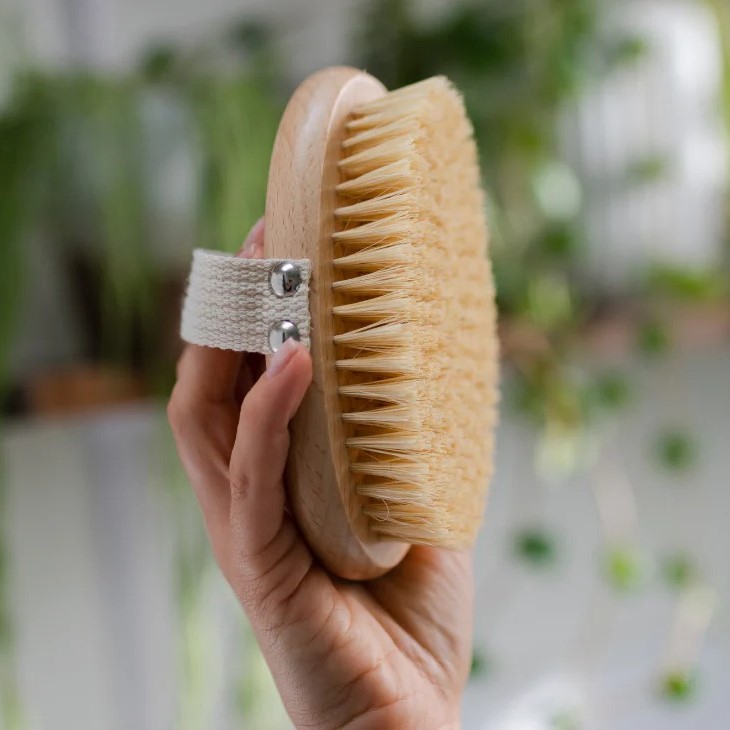
- Bristle Material: Is dry brushing good for your skin? Select a brush made of natural bristles rather than synthetic materials. Natural brittle brushes tend to be gentler on the skin and provide effective exfoliation.
- Bristle Firmness: Look for a brush that has firm bristles but isn’t too harsh. It should feel invigorating on the skin without causing pain.
- Brush Handle: Consider a brush with a long handle to reach areas that are difficult to access, such as your back and lower legs.
Step-by-Step Instructions
- Start with Dry Skin: Always dry brush before taking a shower while your skin is clean and dry. This is when your skin can benefit the most from exfoliation.
- Technique: Begin at your feet and work your way up toward your heart using long, sweeping strokes. Always brush in the direction of your heart to promote lymphatic flow.
- Focus on Areas of Concern: Spend extra time on areas that need more attention, such as elbows, knees, and any regions with rough patches.
- Gentle on Sensitive Areas: Avoid brushing sensitive areas such as the face, and be cautious around tattoos or areas with sunburns.
- Duration: Spend about 5 to 10 minutes dry brushing, ensuring you cover all areas of your body.
Frequency of Dry Brushing
Regular Routine
- Frequency: Is dry brushing good for your skin? It is generally recommended to incorporate dry brushing into your skincare routine 2 to 3 times per week. This frequency strikes a balance that allows your skin to benefit from exfoliation while minimizing the risk of irritation.
- Consistency is Key: Regular consistency is crucial for achieving the best results from dry brushing. Having a consistent routine maximizes the benefits, such as improved skin texture, enhanced circulation, and better lymphatic drainage.
- Creating a Habit: Develop a habit by establishing a dry brushing schedule that aligns with your daily routine. For example, consider integrating it into your morning or evening ritual, possibly before showering. This method will help make dry brushing a seamless part of your self-care practices.
- Tracking Progress: Consider keeping a journal or log to track the frequency of your dry brushing sessions and any changes you observe in your skin. This can help reinforce the habit and provide insights into how your skin reacts over time.
- Setting Reminders: To maintain a regular schedule, setting reminders on your phone or calendar can help. This ensures you don’t forget your dry brushing sessions, especially if you have a busy lifestyle.
Listen to Your Skin
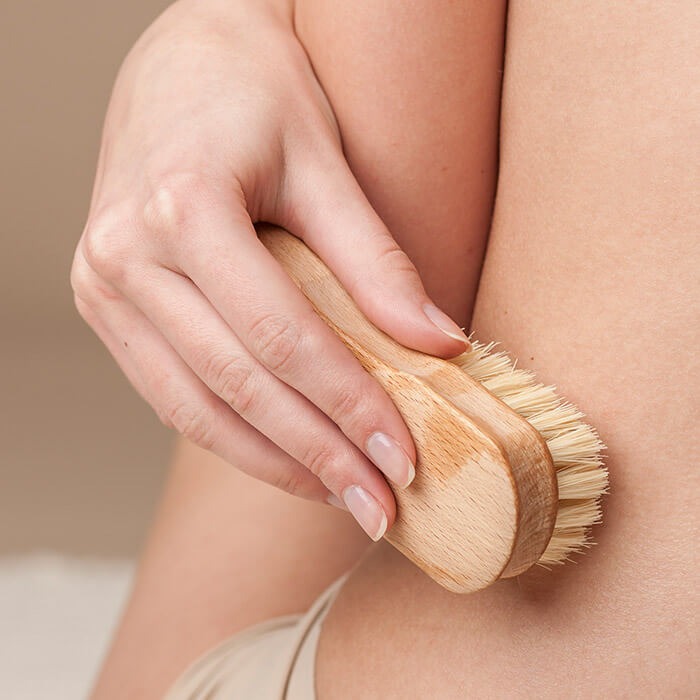
- Watch for Irritation: Pay close attention to how your skin feels after each dry brushing session. If you notice any signs of irritation, such as redness, discomfort, or excessive sensitivity, it’s crucial to adjust your routine accordingly.
- Adjusting Frequency: If your skin reacts negatively, consider reducing the frequency of your dry brushing sessions. Instead of 2 to 3 times a week, you might switch to once a week until your skin adjusts. Monitor how your skin responds to find the right balance.
- Modifying Pressure: It’s important to use the right amount of pressure while dry brushing. If your skin becomes irritated easily, try applying less pressure to avoid causing damage. Gentle strokes can still provide benefits without compromising skin health.
- Temporary Break: If you experience persistent irritation, it may be best to take a temporary break from dry brushing. This allows your skin to recover and helps you reassess your technique or the brush you are using.
- Consulting a Professional: If irritation continues despite adjustments, consider consulting with a dermatologist or skin care professional. They can provide personalized advice based on your skin type and any underlying conditions you may have.
Post-Dry Brushing Care
- Hydration is Essential: After dry brushing, it’s crucial to immediately follow up with a nourishing moisturizer or body oil. This helps lock in moisture and hydrate the skin that may have been exposed to the exfoliation process.
- Best Products to Use: Aim for moisturizers or oils that contain hydrating ingredients such as hyaluronic acid, glycerin, or natural oils like coconut oil or almond oil. These ingredients will help calm the skin and replenish lost moisture.
- Application Technique: When applying your moisturizer or body oil, use gentle, circular motions. This application technique will further promote circulation and ensure an even distribution of product across your skin.
- Preventing Dryness: Proper post-dry brushing care is essential to prevent dryness or flakiness. Failing to hydrate after exfoliation may lead to uncomfortable skin and negate some benefits of dry brushing.
- Daily Skincare Routine: Incorporating post-care hydration into your daily skincare routine establishes a comprehensive approach to skin health. Ensure you apply moisturizers routinely, not just after dry brushing sessions.
FAQs About Dry Brushing
Do dermatologists recommend dry brushing?
Dermatologists have mixed opinions about dry brushing. While some positively acknowledge its benefits for exfoliation and circulation, they caution that individuals with sensitive skin or conditions such as eczema should avoid this practice. It’s always best to consult a dermatologist for personalized advice on skincare routines.
Does dry brushing actually help your skin?
Yes, numerous individuals report improvements in their skin’s texture and appearance due to regular dry brushing. Benefits include smoother skin, increased circulation, enhanced detoxification, and a radiant glow. However, individual results may vary, and it works best when combined with a comprehensive skincare routine.
What are the side effects of dry brushing skin?
While generally safe for most, dry brushing can lead to:
- Skin Irritation: Pressing too hard or brushing too frequently may irritate the skin, resulting in redness or discomfort.
- Microtears: Harsh brushing techniques can cause micro-tears in the skin, damaging its surface.
- Allergic Reactions: Some brushes may contain materials that provoke allergies; always choose natural bristle brushes.
Common Mistakes to Avoid
- Brushing Too Hard: Many people mistakenly believe that applying more pressure leads to better results. In reality, gentle, controlled strokes are more effective and less damaging to your skin.
- Inconsistency: Setting a regular dry brushing schedule is important for reaping its benefits. Inconsistent practice may not yield the desired results.
- Neglecting Brush Hygiene: Remember to clean your brush regularly to prevent the buildup of dead skin cells and bacteria. Clean it with mild soap and warm water, and allow it to dry completely.
Conclusion: Is Dry Brushing Good for Your Skin?
In summary, is dry brushing good for your skin? The answer is a clear yes for many people when done correctly. Dry brushing can enhance exfoliation, promote circulation, assist the lymphatic system, and potentially improve the appearance of your skin, including reducing the look of cellulite. However, results may vary, and as with any skincare practice, understanding your skin’s unique needs is essential.
As you explore the world of dry brushing, approach it with an open mind and a willingness to experiment on what works best for your skin. Embrace the ritual, enjoy the process, and make it a part of your self-care regimen as we move forward into 2025. With consistent practice, you can discover the rejuvenating and healthful effects this ancient technique brings to your skin and overall well-being!