What Makes a Good Sunscreen for Sensitive Skin? Essential Tips
Introduction: The Importance of Sunscreen for Sensitive Skin
In today’s world, protecting our skin from the sun’s harmful rays is more crucial than ever. For those with sensitive skin, selecting the right sunscreen can be a matter of comfort, health, and beauty. With a staggering number of products on the market, the question arises: What makes a good sunscreen for sensitive skin? This article will explore essential tips on choosing the best sunscreen, delve into the key ingredients to look for, and provide insights into proper application techniques. Understanding these factors will enable you to make informed decisions that benefit your skin’s health while also keeping it protected.
Understanding Sensitive Skin
Defining Sensitive Skin
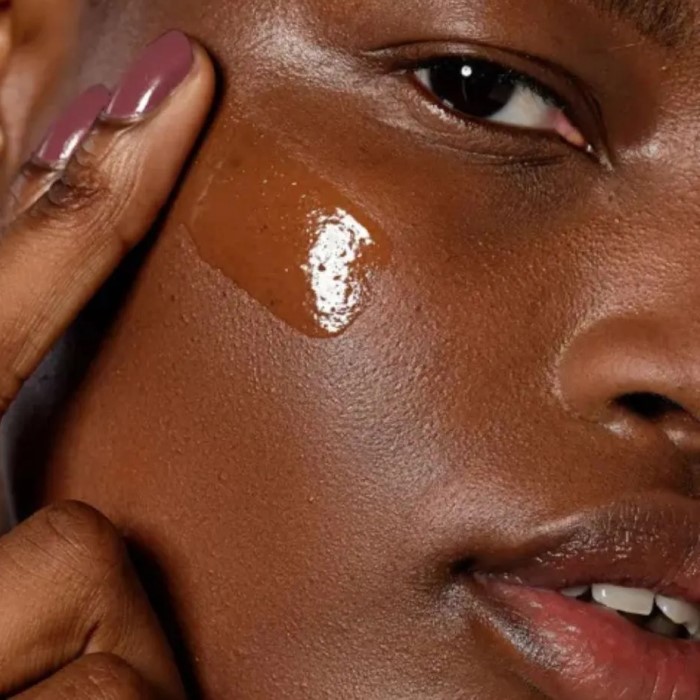
Sensitive skin is characterized by its tendency to react negatively to external stimuli, resulting in redness, irritation, or discomfort. Factors that contribute to sensitivity can include genetics, environmental conditions, and existing skin conditions such as eczema and rosacea. It is essential for individuals with sensitive skin to choose skincare products, including sunscreen, that cater specifically to their unique needs.
Common Triggers for Sensitive Skin
Sensitive skin can react to a variety of triggers, including:
- Harsh Chemicals: Ingredients such as synthetic fragrances, alcohol, and certain preservatives can provoke reactions in sensitive skin.
- Environmental Factors: Changes in temperature, humidity, pollution, and UV exposure can aggravate sensitivity.
- Skincare Products: Over-exfoliation or the incorrect use of skincare products can strip the skin, leading to increased sensitivity.
Knowing these triggers can help you select products that minimize irritation and protect against further harm.
Characteristics of Good Sunscreen for Sensitive Skin
Broad-Spectrum Protection
When examining sunscreens for sensitive skin, the first essential characteristic to look for is broad-spectrum protection. This indicates that the sunscreen offers protection against both UVA and UVB rays. UVA rays can contribute to premature aging and skin cancer, while UVB rays are responsible for sunburn. A broad-spectrum formula will help prevent both short-term and long-term skin damage.
Adequate SPF Rating
The Sun Protection Factor (SPF) level is another crucial factor when selecting sunscreen. For sensitive skin, dermatologists often recommend a sunscreen with an SPF of at least 30. Higher SPF ratings, such as 50, offer additional protection. However, it’s important to note that no sunscreen provides 100% protection, so proper application is essential.
Ideal Ingredients for Sensitive Skin
Mineral vs. Chemical Sunscreens
When choosing a sunscreen for sensitive skin, you generally have two options: mineral and chemical sunscreens.
Mineral Sunscreens
- Active Ingredients: Mineral sunscreens primarily contain active ingredients like zinc oxide and titanium dioxide. These ingredients are notorious for their effective sun-blocking capabilities.
- Mechanism of Action: Unlike chemical sunscreens, which penetrate the skin, mineral sunscreens work by sitting on top of the skin. They physically block and reflect UV rays away from the skin’s surface, providing a shield against harmful sun exposure.
- Gentleness on Skin: One of the standout features of mineral sunscreens is their gentleness. They are typically less irritating and suitable for individuals with sensitive skin conditions such as eczema, rosacea, or allergies. This makes them a preferred choice for those who need to be cautious about the products they apply to their skin.
- Immediate Protection: Mineral sunscreens provide instant coverage. Unlike some chemical sunscreens that require time to absorb before effective protection begins, mineral sunscreens can be applied immediately before sun exposure.
- Broader Spectrum of Protection: These sunscreens effectively block both UVA and UVB rays, offering a broad spectrum of protection. This comprehensive coverage helps minimize the risks of skin damage, including sunburn and premature aging.
- Less Risk of Breakouts: Since mineral sunscreens do not penetrate the pores but rather sit on the surface, they are less likely to clog pores, making them a good option for acne-prone skin.
Chemical Sunscreens
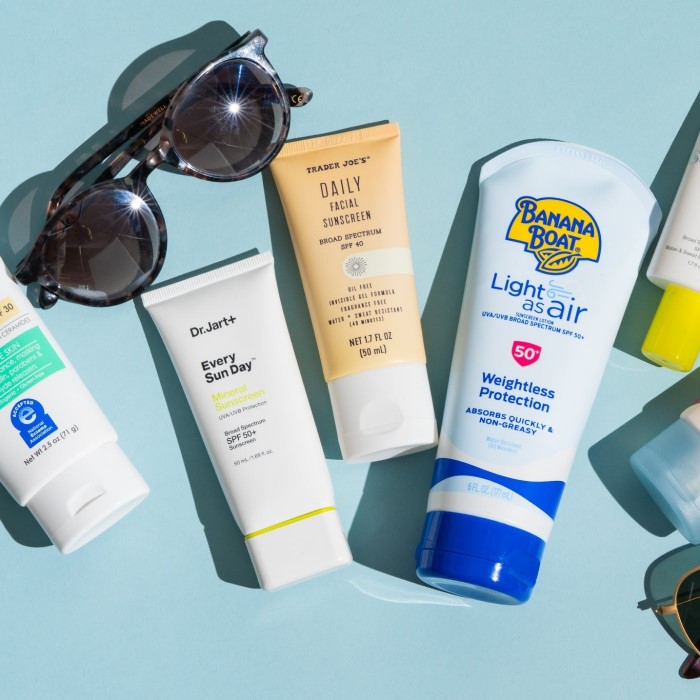
- Active Ingredients: Chemical sunscreens contain organic compounds such as avobenzone, octisalate, octocrylene, and oxybenzone. These ingredients are designed specifically to absorb UV radiation.
- Mechanism of Action: Unlike their mineral counterparts, chemical sunscreens absorb UV rays through a chemical reaction. This process transforms UV radiation into heat, which is then released from the skin.
- Efficacy in Variety: Many individuals find chemical sunscreens to be effective due to their lightweight feel and ease of application. They often blend seamlessly into the skin, making them appealing for daily wear.
- Potential for Irritation: Despite their effectiveness, some people may experience skin irritation, redness, or breakouts when using chemical sunscreens. This can be especially true for people with sensitive or reactive skin types.
- Caution for Sensitive Skin: For individuals with sensitive skin, it’s advisable to approach chemical sunscreens with caution. Always conduct a patch test before applying the product extensively, as some chemical ingredients can provoke adverse reactions.
- Absorption Time: Unlike mineral sunscreens, chemical formulations require time to absorb into the skin before they become effective. This means that they should ideally be applied at least 15-30 minutes before sun exposure to ensure adequate protection.
Gentle and Soothing Ingredients
When searching for a good sunscreen for sensitive skin, consider looking for products that contain the following beneficial ingredients:
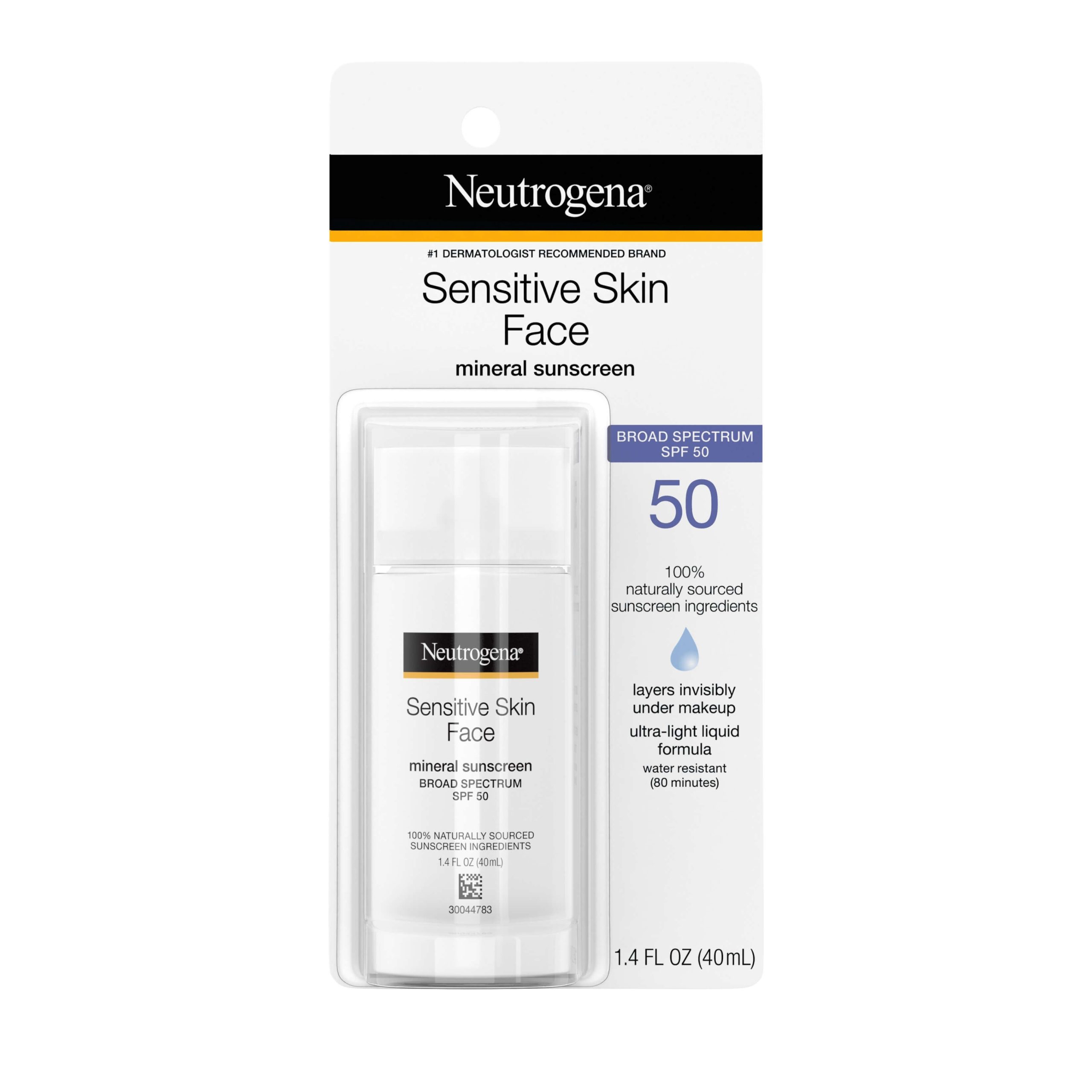
- Zinc Oxide: This mineral offers excellent UV protection and is well-tolerated by most skin types, including sensitive skin.
- Titanium Dioxide: Another mineral that effectively protects against UV rays while being gentle on the skin.
- Aloe Vera: Known for its soothing properties, aloe vera can help calm inflamed skin and provide hydration.
- Hyaluronic Acid: This powerful humectant draws moisture into the skin, enhancing hydration levels.
- Vitamin E: An antioxidant that hydrates the skin while providing additional sun protection.
On the flip side, avoid sunscreens that contain fragrances, parabens, artificial colors, or other harsh chemicals that could provoke sensitivity.
Application Techniques for Maximum Efficacy
Generous Application
To maximize the benefits of sunscreen, it’s crucial to apply it properly:
- Use a generous amount, about one ounce (the size of a shot glass), to cover your entire body adequately.
- For the face, use about a nickel-sized amount.
- Ensure that all areas are covered, including ears, neck, and the tops of your feet.
Timing Matters
Applying sunscreen at the right time is essential for effective protection. Here are some tips:
Apply Before Sun Exposure
- Timing is Key: It is crucial to apply sunscreen at least 15 to 30 minutes prior to going outdoors. This allows the product to adequately settle on the skin and start functioning effectively before exposure to UV rays begins.
- Absorption Process: When sunscreen is applied, it needs time to absorb into the skin. This absorption is essential for the active ingredients to form a protective barrier. Applying sunscreen too close to sun exposure can result in inadequate protection, leaving the skin vulnerable to sun damage.
- Even Coverage: Ensure that you apply an even layer of sunscreen across all exposed areas of skin, including the face, arms, legs, and any other areas likely to be exposed to the sun. A good rule of thumb is to use about an ounce (the size of a shot glass) for full body coverage.
- Initial Layer: Apply sunscreen generously, ensuring that all parts of the skin are evenly coated. Focus on areas that are often missed, such as the ears, neck, and tops of the feet.
- Setting Time: Allow the sunscreen to set on your skin before dressing or exposing yourself to direct sunlight. This can help the product adhere better and be more effective.
Reapply Regularly
- Frequency of Reapplication: Sunscreen should be reapplied every two hours to maintain optimal protection against UV rays. This is especially important during prolonged outdoor activities.
- After Swimming or Sweating: If you’re swimming or sweating, it’s vital to reapply sunscreen more frequently. Ideally, you should reapply every 40 to 80 minutes, depending on the water resistance of the sunscreen being used.
- Types of Sunscreen: Be aware that certain forms of sunscreen, such as sprays or powders, may require different reapplication techniques. Spray sunscreens should be applied generously and evenly, while powdered sunscreens should be applied to all exposed areas to ensure full coverage.
- Using a Timer: To help remember to reapply sunscreen, consider setting a timer on your phone or watch. This serves as a reminder to check the time and reapply as needed.
- Layering with Other Products: If you are using multiple skincare products, such as moisturizers or makeup, consider applying sunscreen as the last step in your morning skincare routine. If you need to reapply during the day, consider using a powder sunscreen that can be applied over makeup without disrupting the existing layers.
- Emergency Situations: In cases of excessive sweating or swimming, be sure to dry your skin and then reapply sunscreen. Water and sweat can wash away the product, decreasing its effectiveness.
Choose the Right Time of Day
Even on cloudy days, up to 80% of UV rays can penetrate through clouds, making continuous sunscreen application necessary regardless of the weather.
Frequently Asked Questions (FAQs)
Is SPF 50 too much for sensitive skin?
No, SPF 50 is often recommended for sensitive skin, especially for those who spend extended periods outdoors or are prone to sunburn. Higher SPFs provide better protection without necessarily increasing sensitivity.
Which is the best sunscreen for sensitive faces?
Some of the top-rated sunscreens for sensitive faces include mineral-based options such as:
- EltaMD UV Clear Broad-Spectrum SPF 46: Known for its lightweight formula and non-comedogenic properties, this sunscreen is popular among those with acne-prone skin.
- La Roche-Posay Anthelios Mineral SPF 50: This broad-spectrum sunscreen provides high protection while soothing sensitive skin.
- CeraVe Hydrating Mineral Sunscreen SPF 30: With added ceramides, this sunscreen helps restore and maintain the skin’s protective barrier.
Which are the top 3 best sunscreens?
- EltaMD UV Clear Broad-Spectrum SPF 46: Highly rated for sensitive skin and effective in preventing breakouts.
- La Roche-Posay Anthelios Mineral SPF 50: Excellent broad-spectrum protection with a lightweight feel.
- Neutrogena Sheer Zinc Face Dry-Touch Sunscreen SPF 50: Known for its non-greasy finish and water resistance, making it perfect for daily wear.
Conclusion: Choosing the Right Sunscreen for Sensitive Skin
Understanding what makes a good sunscreen for sensitive skin is essential for protecting your skin from harmful UV rays while minimizing the risk of irritation. By selecting a broad-spectrum formula that offers adequate SPF, opting for gentler, mineral-based ingredients, and applying it correctly, you can enjoy all the sun has to offer without compromising your skin’s health.
Being diligent about sunscreen application should be a fundamental part of your skincare routine, ensuring long-term benefits and preventing sun-related skin issues. As you navigate through your options, remember to consider your specific skin type and lifestyle needs, and feel empowered to protect your skin effectively. With the right sunscreen, you can enjoy your outdoor activities while keeping your sensitive skin safe and healthy!