Unveiling: Is Beeswax Good for Skin and Your Beauty Routine?
Contents
hide
Introduction: Discovering Beeswax for Skin Care
As the beauty industry continues to evolve, consumers are increasingly seeking natural ingredients in their skincare products. This trend brings us to the question: Is beeswax good for skin? The answer is a resounding “yes.” Beeswax has been used for centuries in various cultural practices due to its unique properties. It’s not only safe for most skin types but also offers a plethora of benefits that make it a valuable addition to any beauty routine. In this article, we will delve into the science behind beeswax, its benefits, how to incorporate it into your skincare routine, and why it stands out among other natural ingredients.
What is Beeswax?
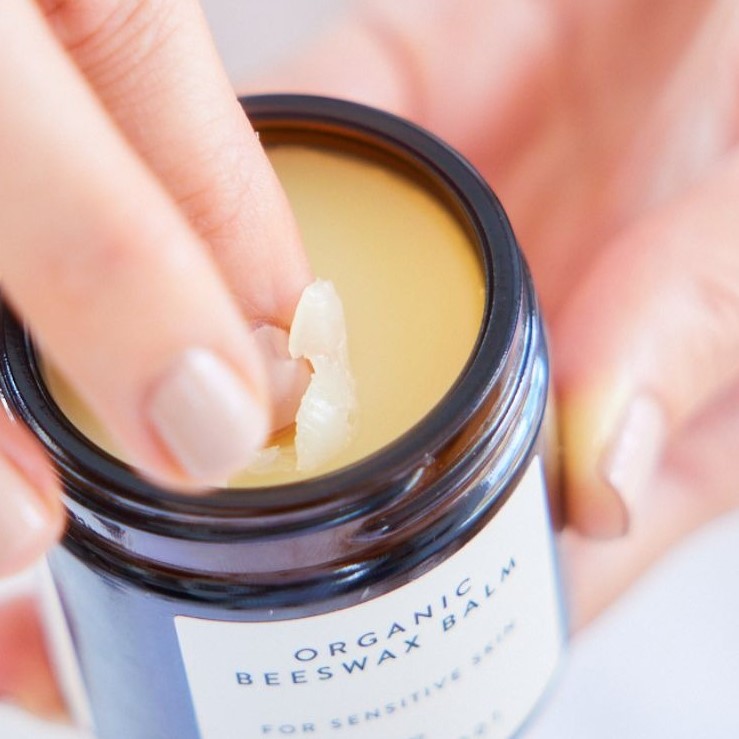
Beeswax is a natural substance made by honeybees. It is produced in their hives to build honeycombs. This wax serves various purposes for bees, including storing honey and protecting their colony. For humans, beeswax has been used for centuries in crafting, candle making, and skin care.
Origins and Production of Beeswax
Beeswax comes from worker honeybees. These bees secrete the wax through special glands on their bodies. The small wax flakes are chewed by the bees to form honeycomb cells. These cells protect and store honey and eggs inside the hive. The wax is harvested by carefully removing the honeycomb structure without harming the bees or their hive.
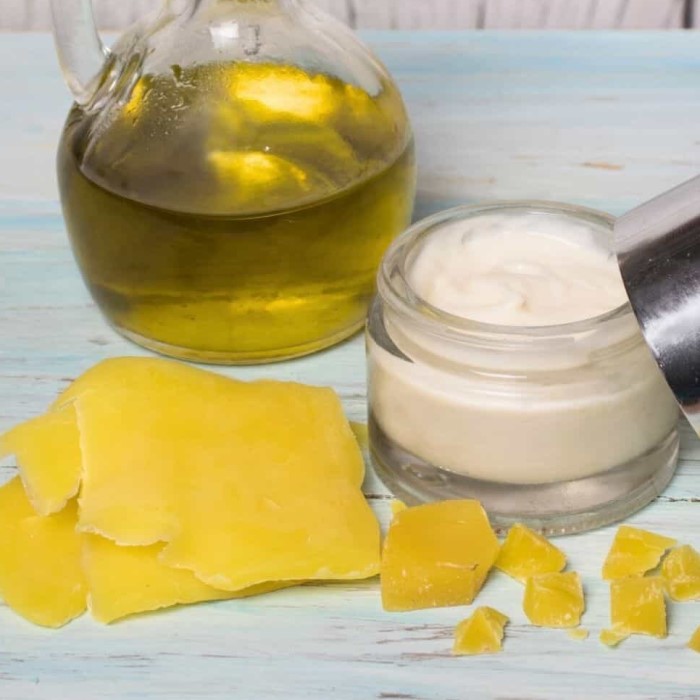
Farmers collect beeswax during honey extraction. After separating the honey, the wax is cleaned and purified. The processes keep beeswax natural and free from impurities. Pure beeswax has a golden color and a faint honey scent, making it desirable for various uses.
Properties of Beeswax That Benefit Skin
Beeswax has unique qualities that support healthy skin. First, it acts as a natural moisturizer. It keeps skin hydrated by sealing in moisture without clogging pores. Second, it is loaded with antibacterial properties. This helps fight infections and prevent irritation on the skin.
Furthermore, beeswax creates a protective barrier. This barrier shields the skin from harsh environmental elements. It helps prevent damage caused by pollution or dry winds. Lastly, beeswax has anti-inflammatory benefits. It can soothe redness and calm sensitive or irritated skin, making it suitable for people with skin issues like eczema or psoriasis.
Key Benefits of Beeswax for Skin
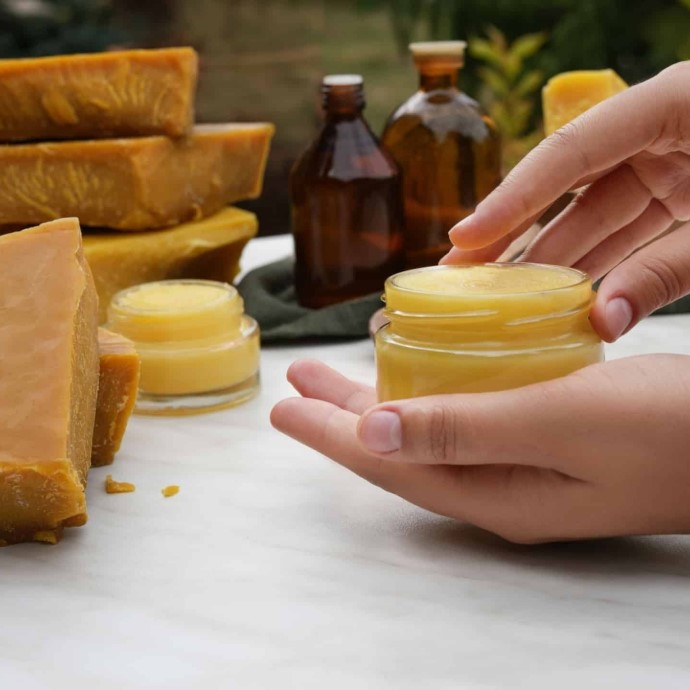
Is beeswax good for skin? Beeswax is a popular natural ingredient, especially for skin care. It offers multiple benefits for maintaining and improving skin health. Below are its key advantages:
Moisturizing Properties
Beeswax acts as a natural moisturizer. It locks in moisture to keep the skin hydrated. Unlike petroleum-based products, it does not clog pores. This makes it safe and effective for regular use. Its moisturizing ability helps in reducing dryness and flakiness, making the skin soft and supple.
Skin Barrier Protection
Beeswax forms a protective barrier over the skin. This barrier prevents harmful toxins and dirt from entering. It also shields the skin from wind, cold, and other environmental stressors. Importantly, while offering protection, it still allows the skin to breathe. This unique quality makes beeswax a favorite in skin care products.
Anti-Inflammatory Benefits
Beeswax has natural anti-inflammatory properties. It soothes irritated and inflamed skin, providing quick relief. This makes it suitable for people dealing with skin conditions like eczema or psoriasis. Its calming properties help reduce redness and promote even-toned skin.
Antibacterial and Healing Properties
Beeswax contains antibacterial elements that protect the skin from infections. This property aids faster healing of minor cuts, wounds, and burns. It also prevents bacteria from worsening existing skin issues. This healing ability makes it a valuable component in balms and lotions.
In conclusion, the natural benefits of beeswax make it a versatile and effective option for skin care. Understanding these properties can help you effectively include beeswax-based products in your routine for healthier, more radiant skin.
How Beeswax Is Used in Skin Care Products
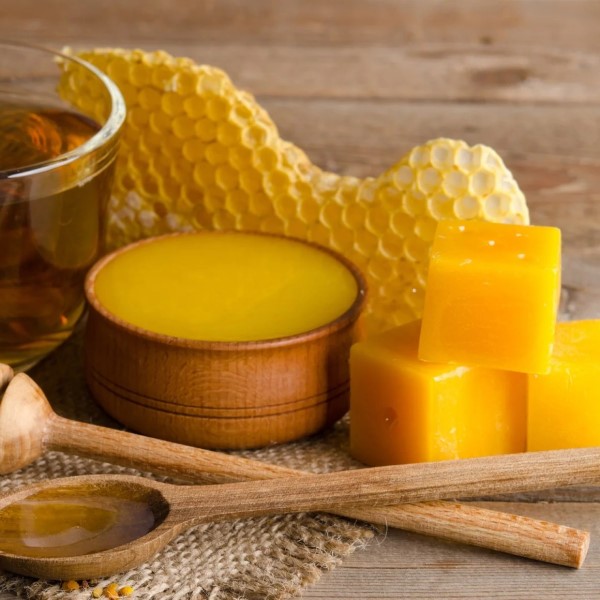
Is beeswax good for skin? Beeswax is a versatile ingredient in many skin care products. It helps moisturize, protect, and heal the skin, making it a valuable addition to beauty routines. Owing to its natural properties, beeswax is widely used in commercially prepared products and even in homemade skin care solutions.
Common Beeswax-Based Products
- Lip Balms
Beeswax is a primary ingredient in lip balms. It provides hydration and forms a protective layer, keeping lips soft and preventing chapping.
- Lotions and Creams
Many moisturizers and creams use beeswax. It seals in moisture without clogging pores, ensuring smooth and supple skin.
- Body Butter
Beeswax is often blended with other natural butter, like shea or cocoa butter, to create nourishing body butter. These products deeply hydrate dry or cracked skin.
- Salves and Balms
Healing balms with beeswax help treat minor skin irritations, wounds, or burns due to its antibacterial properties.
- Hair Products
Beeswax is also used in pomades and hair balms that tame frizz and provide moisture.
- Sunscreen
In sunscreen products, beeswax enhances water resistance while offering a protective barrier against UV rays.
DIY Beeswax Skincare Recipes
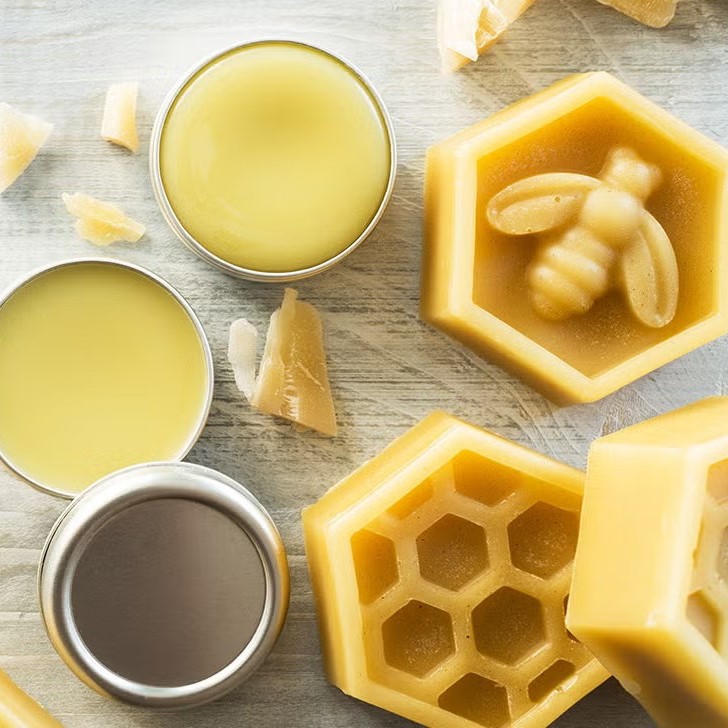
Using beeswax for homemade skin care products is easy and cost-effective. Here are some simple DIY ideas:
- Homemade Beeswax Lip Balm
- Melt beeswax, coconut oil, and shea butter together.
- Pour the mixture into small containers to cool.
- DIY Beeswax Lotion Bars
- Combine beeswax, coconut oil, and almond oil into a mold.
- Let it set and use as a solid lotion for dry skin.
- Beeswax Healing Salve
- Mix melted beeswax with olive oil and essential oils.
- Use this salve to soothe cuts, rashes, or burns.
- Beeswax Face Cream
- Blend beeswax with aloe vera gel and vitamin E for a hydrating face cream.
- Homemade Soap
- Add beeswax to natural soaps for extra cleansing and moisturizing benefits.
These common products and recipes highlight how beeswax can enhance your skin care routine. Beeswax provides natural, safe, and effective ways to support your skin’s health.
Is Beeswax Suitable for All Skin Types?
Is beeswax good for skin? Beeswax is widely favored in skin care for its natural properties. However, suitability varies among different skin types. Understanding the effects of beeswax on specific skin types helps in making informed decisions.
Beeswax for Sensitive Skin
Beeswax is gentle and soothing, making it suitable for sensitive skin. Its anti-inflammatory properties reduce redness and irritation effectively. The protective barrier formed by beeswax shields sensitive skin from allergens and environmental stressors. Additionally, its natural composition makes it less likely to cause allergic reactions.
Sensitive skin often needs hydration without irritation. Beeswax moisturizes deeply without clogging pores. This makes it a safer alternative to synthetic products for sensitive individuals. Those with conditions like eczema or rosacea can benefit greatly from beeswax-based products.
Beeswax for Dry and Oily Skin
Beeswax works well for dry skin due to its hydrating properties. It locks in moisture and prevents dryness and flakiness. Its ability to form a barrier enhances skin protection, keeping external irritants away. For severely dry areas, beeswax-enriched products provide instant relief and long-lasting hydration.
Surprisingly, beeswax also benefits oily skin. Its non-comedogenic nature ensures it doesn’t clog pores. Instead, it helps balance the skin by moisturizing without adding excess grease. Beeswax’s antibacterial quality helps manage acne-related issues common in oily skin types. Products containing beeswax can soothe inflammation and help control breakouts.
Beeswax’s versatility makes it an excellent choice for all skin types, provided it suits individual needs. Always perform a patch test before regular use to ensure compatibility with your skin.
Comparing Beeswax with Other Natural Ingredients
Beeswax is a standout in natural skin care, but how does it compare with other popular ingredients? This section delves into two common comparisons: beeswax vs. shea butter and beeswax vs. petroleum jelly. Understanding these differences can help you choose the best product for your skin needs.
Beeswax vs. Shea Butter
- Source and Composition:
- Beeswax is produced by honeybees to create and protect their hives. It is a natural wax with moisturizing, antibacterial, and protective properties.
- Shea butter comes from the nuts of the African shea tree. It’s rich in vitamins and fatty acids, providing nourishment and deep hydration.
- Moisturizing Ability:
- Beeswax helps lock in moisture, forming a breathable barrier on the skin. It’s non-comedogenic, so it won’t clog pores.
- Shea butter deeply hydrates and restores skin elasticity. It is ideal for softening rough, dry skin.
- Skin Benefits:
- Beeswax offers antibacterial and anti-inflammatory properties, making it perfect for sensitive or irritated skin.
- Shea butter lacks antibacterial properties but shines in soothing inflammation and reducing scars and stretch marks.
- Best Uses:
- Beeswax excels in lip balms, healing salves, and sunscreen due to its protective nature.
- Shea butter works well in body butter, creams, and hair products for intense hydration.
Beeswax vs. Petroleum Jelly
- Source and Composition:
- Beeswax is a natural ingredient sourced from honeybees’ wax glands. It is rich in vitamins.
- Petroleum jelly is a by-product of petroleum refining. It’s a synthetic substance that prevents moisture loss.
- Skin Protection:
- Beeswax forms a breathable barrier on the skin, protecting it from environmental damage.
- Petroleum jelly creates an occlusive layer, blocking out air and moisture completely.
- Skin Health Benefits:
- Beeswax is antibacterial and soothing, ideal for healing wounds and calming irritated skin.
- Petroleum jelly lacks healing or antibacterial properties but is effective for sealing in hydration.
- Suitability for Skin Types:
- Beeswax benefits all skin types due to its natural and non-greasy properties. It’s suitable for sensitive skin.
- Petroleum jelly, on the other hand, may clog pores and isn’t suitable for oily or acne-prone skin.
By comparing beeswax with shea butter and petroleum jelly, it’s clear beeswax provides unique advantages. Its natural composition, healing properties, and protective abilities make it a top choice for skin care.
Tips for Choosing High-Quality Beeswax Products
When selecting beeswax products, prioritizing quality is essential to maximize its benefits. Here are vital tips to help you choose the best beeswax for your skin care needs.
Identifying Pure and Safe Beeswax
- Check the Color and Smell
Pure beeswax usually has a golden-yellow color. It also carries a light, natural honey scent. Artificial or bleached waxes often have a dull appearance or chemical odor.
- Look for Labels
Read product labels carefully. Look for terms like “100% pure beeswax” or “organic beeswax.” Avoid products with synthetic additives or harmful chemicals.
- Examine the Texture
High-quality beeswax is solid but not brittle. It should feel slightly tacky when touched.
- Source and Certification
Choose beeswax sourced from sustainable and cruelty-free farms. Certifications like organic or FDA-approved ensure product safety.
- Avoid Overly Processed Wax
Highly processed beeswax loses its natural properties. Stick to minimally processed or raw wax to retain benefits.
What to Look for in Beeswax-Based Products
- Natural Ingredients
Products should combine beeswax with other natural ingredients like oils and butters. Avoid synthetic additives.
- Non-Comedogenic Claim
Non-comedogenic products ensure that beeswax-based items won’t clog your pores.
- Skin Type Suitability
Choose products catering to your skin type, whether it’s sensitive, dry, oily, or normal.
- Certifications and Reviews
Look for reputable brands with positive reviews and certifications like “cruelty-free” or “eco-friendly.”
- Specific Skin Concerns
Select products targeting your needs, such as moisturizing, healing, or soothing irritation.
- Transparent Ingredient List
Brands listing all ingredients openly are more trustworthy. Always cross-check for allergens.
By following these tips, you can identify safe and effective beeswax products. Using high-quality beeswax ensures better results and healthier skin.
How to Store and Handle Beeswax Properly
Storing and handling beeswax correctly ensures its quality and extends its usability. Follow these tips for proper care:
Storing Beeswax
- Keep in a Cool, Dry PlaceStore beeswax in a cool, dry location away from direct sunlight or extreme temperatures. Excess heat can melt the wax and alter its texture.
- Use Airtight ContainersUse airtight containers to protect beeswax from dust, moisture, and contaminants that may degrade its quality.
- Separate by TypeIf you have different grades of beeswax, store them separately to maintain their purity.
- Avoid FreezingBeeswax does not require freezing. Store it at room temperature to preserve its natural properties.
Handling Beeswax
- Use Clean ToolsUse clean, dry tools to cut or shape beeswax. Contaminated tools can introduce impurities.
- Melt at Low TemperatureMelt beeswax using a double boiler to prevent burning or overheating, as it has a low melting point.
- Avoid Water Contact When MeltingEnsure no water mixes with the wax during melting. Moisture can alter its texture and usability.
- Work in a Ventilated AreaHeating beeswax may release fumes. Working in a well-ventilated space ensures safety.
By learning how to store and handle beeswax properly, you can preserve its quality and maximize its use in skin care and other applications.
Potential Allergies and Side Effects of Beeswax
Beeswax is generally safe for most skin types. However, some people may experience allergies or reactions. Learning about potential risks will help you use beeswax more responsibly.
Recognizing Skin Reactions
- Allergic ReactionsBeeswax may cause allergic responses in sensitive individuals. This may include redness, swelling, or itching.
- Contact DermatitisSome people may develop contact dermatitis from beeswax. Symptoms can include rashes and irritation.
- Blocked PoresWhile beeswax is non-comedogenic, excessive use can occasionally block pores in oily skin.
- Initial SensitivitySkin sensitivity can cause minor irritation when trying beeswax for the first time. Always test first.
Who Should Avoid Beeswax
- People Allergic to Bee ProductsThose allergic to honey, pollen, or bee stings should avoid beeswax. It might trigger reactions.
- Skin Conditions Requiring Special CareSevere skin issues like rosacea or advanced dermatitis may not tolerate beeswax well.
- Using Beeswax with Synthetic IngredientsProducts with added chemicals can worsen skin reactions. Choose pure beeswax products instead.
- Infants and Very Young ChildrenBeeswax may not be suitable for sensitive baby skin. Consult with a pediatrician before use.
To ensure safe use, perform a patch test. If irritation occurs, discontinue use immediately. Always choose high-quality, pure beeswax to minimize risks.
Conclusion: The Beauty of Beeswax
To answer the question, is beeswax good for skin?—the evidence strongly suggests that it is an exceptional ingredient with numerous benefits. Beeswax moisturizes, protects, soothes, and nourishes the skin, making it a powerful ally in your beauty routine. With its natural composition and effectiveness, beeswax has relied on for centuries remains highly relevant today.
Integrating beeswax into your skincare routine can enhance your beauty regimen and contribute positively to your skin health. Whether you opt for commercial products or try your hand at creating your own beeswax formulations, you will appreciate the benefits it imparts. Embrace nature’s wonder and incorporate beeswax into your beauty routine today! Your skin will thank you for it!