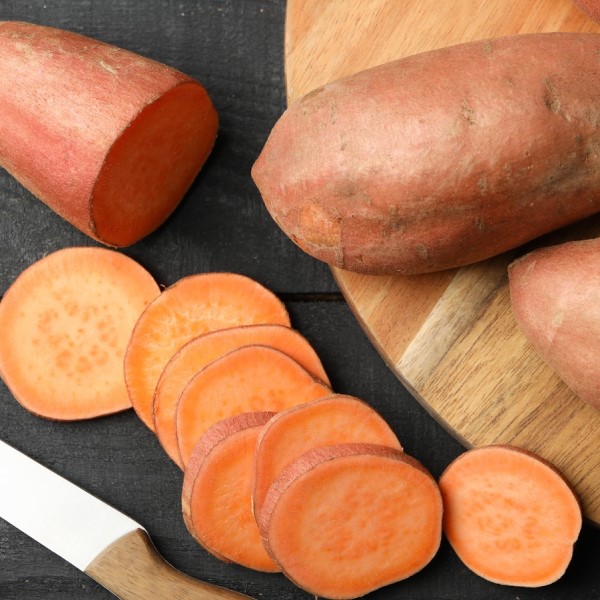
Is Sweet Potato Skin Good for You? Health Benefits Explored!
Understanding Sweet Potatoes: A Nutritional Overview
Sweet potatoes are not just versatile and delicious; they also pack a serious nutritional punch. When it comes to health, many people often wonder, “is sweet potato skin good for you?” The answer is a resounding yes! Many health-conscious individuals are now embracing the whole sweet potato, including its skin, for multiple reasons. This root vegetable is rich in vitamins, minerals, and fiber, making it a staple in many diets. The skin, in particular, holds a treasure trove of nutrients that can enhance health. In this article, we will delve deeper into the remarkable benefits of sweet potato skin, the nutritional value it offers, and how you can incorporate it into your meals.

Nutritional Value
Sweet potato skin is packed with essential nutrients that benefit overall health. Eating the skin ensures you get the most out of this versatile vegetable.
Vitamins and Minerals Found in the Skin
The skin of sweet potatoes contains an abundance of vitamins and minerals. It is particularly rich in vitamins A, C, E, and several B vitamins, which support skin health, immunity, and energy production. Additionally, the skin provides crucial minerals like potassium, iron, and manganese. Potassium helps maintain fluid balance and supports heart health. Iron contributes to healthy blood cells, while manganese plays a role in bone and metabolism health. Including the skin in your diet can significantly increase your intake of these beneficial compounds.
Fiber Content and Its Health Benefits
The fiber content in sweet potato skin is one of its standout features. Fiber aids in digestion, promotes gut health, and prevents constipation. It also helps regulate blood sugar levels, making it a good choice for people managing diabetes. By eating the skin, you get both soluble and insoluble fiber, which help lower cholesterol levels and maintain a healthy weight. The high fiber content also enhances feelings of fullness, reducing overeating and supporting a balanced diet.

Health Benefits of Eating Sweet Potato Skin
Is sweet potato skin good for you? Eating sweet potato skin offers numerous health benefits. This section explores how it supports overall well-being.
Boosting Digestive Health
The fiber in sweet potato skin improves digestion. It promotes gut health by nourishing good bacteria. Fiber prevents constipation and enhances nutrient absorption. Regularly eating the skin can strengthen your digestive system.
Supporting Heart Health
Sweet potato skin contains potassium, essential for heart health. Potassium regulates blood pressure and fluid balance. The fiber in the skin lowers cholesterol levels, reducing heart disease risk. Iron in the skin also supports healthy blood circulation.
Enhancing Immune Function
Vitamins A, C, and E in the skin strengthen immunity. Vitamin A aids in cell regeneration and protects against infections. Vitamin C boosts white blood cells, fighting harmful bacteria. Vitamin E helps combat oxidative stress, further enhancing immune health. Regular consumption keeps your immune system strong.
Antioxidant Properties
Sweet potato skin is rich in antioxidants like beta-carotene. Antioxidants neutralize free radicals and reduce inflammation. They also protect cells from damage, supporting long-term health. Eating the skin regularly can slow aging and minimize disease risks.

Should You Always Eat the Skin?
Eating sweet potato skin is packed with health benefits. However, certain factors must be considered.
Organic vs. Conventional Sweet Potatoes
Organic sweet potatoes are grown without synthetic pesticides and fertilizers. Their skin is safer to eat. Conventional sweet potatoes may contain pesticide residues on their skin. These chemicals can pose health risks when consumed. Washing conventional sweet potatoes thoroughly may remove some residues but not all. For a safer option, choose organic sweet potatoes when possible. This ensures you’re minimizing harmful chemical exposure and maximizing nutrition.
Cleaning and Preparing Sweet Potato Skin Safely
Proper cleaning is essential before eating sweet potato skin. Wash sweet potatoes under running water to remove dirt and pesticides. Use a vegetable brush to scrub the skin gently. Avoid peeling the skin unless absolutely necessary. To retain nutrients, cook sweet potatoes with their skin on. Baking, steaming, or roasting are ideal methods. These cooking techniques preserve the texture and nutritional value of the skin. Ensure the skin is fully cooked to enhance digestibility and taste. Safe preparation ensures that your sweet potato consumption is healthy and enjoyable.
Culinary Uses
Is sweet potato skin good for you? Sweet potato skin is versatile and can be used in various recipes to enhance flavor and nutrition. Including the skin in your cooking provides additional nutrients and texture.
Cooking Methods That Retain Nutritional Value
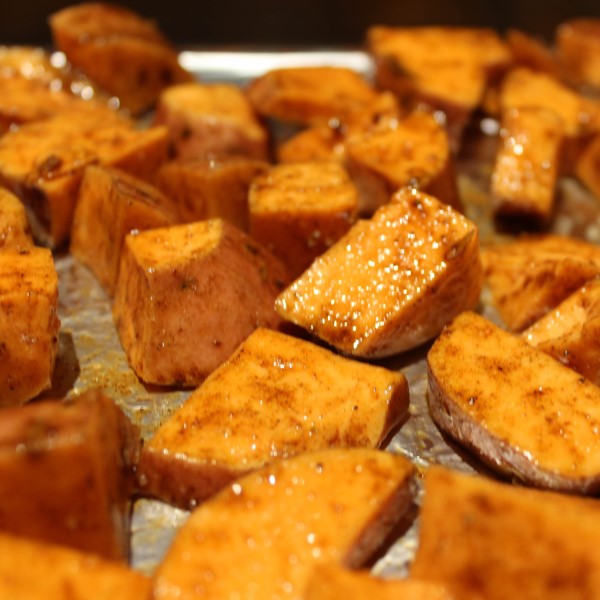
To keep the nutrients intact while cooking sweet potato skin, choose gentle cooking methods. Baking is one of the best options. It maintains the skin’s natural flavors and nutrients. Slice the sweet potato without removing the skin, season, and bake until soft. Steaming is also effective. It preserves essential vitamins like vitamin A and C. Roasting sweet potatoes with the skin enhances crispness and flavor, making them a perfect side dish. Avoid boiling for a long time, as it may strip nutrients.
Recipes Featuring
There are many creative ways to incorporate sweet potato skin into dishes:
Chips
- Preparation Technique: Begin by slicing the sweet potato thinly to ensure they become crispy during baking.
- Seasoning Options: Season the sliced skins with a variety of spices such as paprika, garlic powder, or sea salt to enhance flavor.
- Baking Process: Arrange the seasoned skins on a baking sheet in a single layer and bake at a high temperature until they are golden brown and crispy.
- Serving Suggestion: Enjoy these chips as a healthy snack or serve them alongside dips for added crunch.
Stuffed Halves
- Initial Preparation: Start by cutting sweet potatoes in half lengthwise to create two halves.
- Roasting Method: Roast the halved sweet potatoes in the oven until they are tender and slightly caramelized.
- Filling Composition: Prepare a stuffing mixture that can include a variety of sautéed vegetables, beans, cheese, or grains.
- Final Assembly: Once the sweet potatoes are roasted, spoon the vegetable mixture into the hollowed-out section of each half, creating a nutritious and filling dish.
Salad
- Utilizing Leftover Skins: After cooking sweet potatoes, save the skins to incorporate them into salads.
- Nutritional Benefits: The skins are rich in nutrients like fiber, vitamins, and minerals, adding a health boost to your meals.
- Texture Enhancement: Cut the cooked skins into smaller pieces and toss them into a fresh salad to provide a unique texture and flavor contrast.
- Dressing Options: Pair the salad with a light dressing, such as balsamic vinaigrette or lemon juice, to complement the flavors of the skins.
Soup
- Soup Base: Start with a broth or stock as the base for your soup, which can include vegetable or chicken stock.
- Blending Technique: Roast the sweet potato skins until they are crispy, then blend them into the soup mixture to add thickness and a rich flavor profile.
- Flavor Additions: Enhance the soup by adding ingredients like garlic, onions, or herbs, based on your taste preferences.
- Final Touches: Serve the soup warm, garnished with fresh herbs or a drizzle of olive oil for an appealing presentation.
Stir-Fry
- Ingredient Preparation: Begin by chopping the sweet potato skins into bite-sized pieces to ensure they cook evenly.
- Veggie Combinations: Select your favorite vegetables, such as bell peppers, carrots, or broccoli, to include in the stir-fry.
- Stir-Frying Process: Heat oil in a pan and sauté the chopped skins along with the chosen vegetables until everything is tender and well-seasoned.
- Spice Suggestions: Incorporate spices or sauces like soy sauce, ginger, or chili flakes to enhance the overall flavor of the dish.
Incorporating these recipes not only maximizes nutrition but also reduces food waste. Sweet potato can transform everyday meals into nutritious, exciting dishes.
Myths and Misconceptions
Sweet potato skin is nutritious and beneficial. However, there are myths and misconceptions about its safety and usage. Addressing these concerns can help people make informed choices about eating the skin.
Addressing Concerns About Sweet Potato Skin Safety
Some worry about chemical residues on sweet potato skin. Commercial sweet potatoes may contain pesticides. Washing and scrubbing thoroughly can remove most residues. Organic sweet potatoes are a safer option as they are grown without synthetic chemicals. Always inspect the skin for signs of spoilage or damage before cooking.
Cooking sweet potatoes correctly is essential for safety. Consuming raw skin can be difficult to digest. Cooking methods like baking, steaming, or roasting ensure the skin is fully cooked and safe to eat. Proper cleaning and cooking minimize risks and maximize the health benefits.
Common Misunderstandings Explored
A common myth is that sweet potato skin is hard to digest. While it is high in fiber, cooking makes it easier to consume. Another misconception is that the skin lacks nutritional value. In reality, sweet potato skin is rich in vitamins, minerals, and antioxidants.
Some believe only organic sweet potato skin is worth eating. While organic options reduce pesticide risk, conventional sweet potato is still nutritious if cleaned well. Another misunderstanding is that peeling sweet potatoes is necessary for palatability. Leaving the skin on improves texture and boosts flavor in dishes.
By addressing these myths, people can make better choices about including sweet potato in their diets. Proper preparation and cooking methods unlock the skin’s potential nutrition and safety.
Environmental and Sustainability Benefits of Eating the Skin
Eating sweet potato is not only healthy but also environmentally friendly. Including the skin in your diet helps reduce food waste and maximizes the usage of this nutritious vegetable.
Reducing Food Waste
When you discard sweet potato skin, you throw away a valuable and nutritious part. Many people peel sweet potatoes, unaware of their skin’s significant health benefits. By eating the skin, you minimize unnecessary waste. This small change can contribute to reducing food waste on a larger scale.
Globally, food waste is a major issue impacting sustainability. By using every part of the sweet potato, you help conserve resources used in its production. This includes water, energy, and labor. Additionally, reducing waste decreases methane emissions from landfills, which is crucial for fighting climate change. Avoiding peeling promotes a sustainable kitchen and supports global environmental efforts.
Maximizing Nutrition with Minimal Effort
Eating sweet potato skin is an easy way to get more nutrients. The skin is rich in vitamins, minerals, and fiber, all of which promote health. Preparing sweet potatoes with the skin on requires minimal effort. Simply clean the potatoes thoroughly before cooking.
Cooking methods like baking or roasting retain the nutrition in both the skin and flesh. This makes your meals healthier without extra steps. Keeping the skin also saves time in meal preparation. It eliminates the need for peeling while boosting the dish’s texture and flavor. By embracing this approach, you optimize nutrition and simplify cooking.
Incorporating sweet potato skin into your diet supports a balance between personal health and environmental conservation. These small changes can lead to significant benefits for you and the planet.
Conclusion on Adding Sweet Potato Skin to Your Diet
Is sweet potato skin good for you? Sweet potato skin is exceptionally nutritious and offers numerous health benefits. It is packed with essential vitamins, minerals, antioxidants, and fiber that support overall wellbeing. Moreover, its contribution to better digestion, heart health, and a stronger immune system highlights its value in a balanced diet.
Making a habit of eating sweet potato skin also supports sustainability. By reducing food waste and maximizing the use of this natural resource, you contribute to environmental conservation. This practice aligns with a more sustainable lifestyle while boosting your health.
To safely enjoy sweet potato skin, choose organic options or thoroughly wash conventional sweet potatoes. Proper cleaning and cooking make the skin both safe and delicious. Methods like baking, roasting, and steaming preserve its nutrients and flavor effectively.
Incorporating sweet potato skin into your meals is simple and versatile. It adds both nutrition and texture to various recipes, such as skin chips, soups, or stuffed sweet potatoes. You save cooking time and enjoy creative culinary benefits.
Forget the myths and misconceptions surrounding sweet potato skin. It is not hard to digest when cooked well and is rich in nutritional value. Both organic and thoroughly washed conventional sweet potato skins are safe and beneficial.
Adding sweet potato skin to your diet is a small but impactful lifestyle choice. It promotes good health, supports sustainability, and reduces food waste. Explore the endless ways to enjoy this often-overlooked part of the sweet potato, and start making the most of this nutrient-dense superfood today!