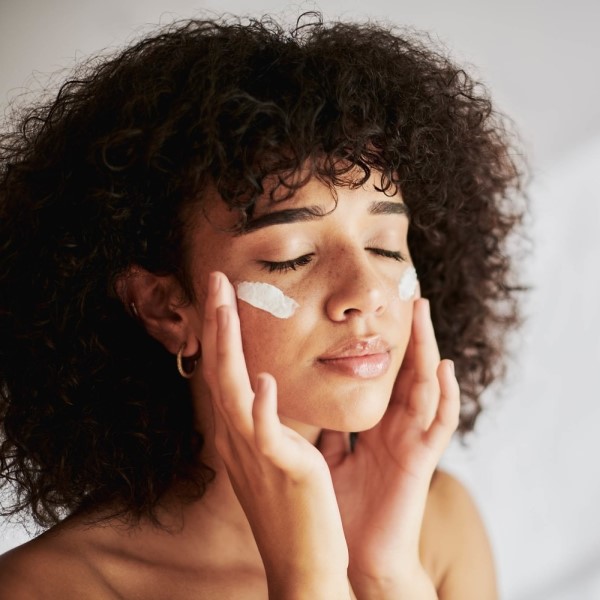
Is Rosemary Good for Skin? Unlock Beauty Secrets with It!
Introduction to Rosemary and Skin Care
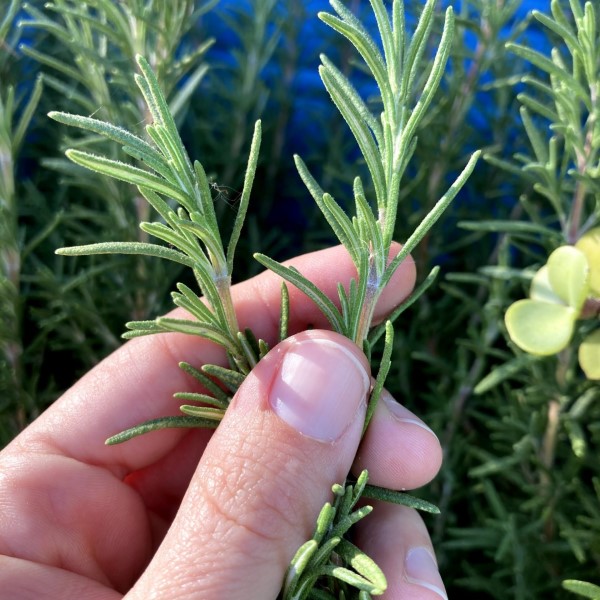
When considering natural remedies for skincare, the question often arises: is rosemary good for skin? This fragrant herb is not just a culinary delight but also a potent ally for your skin. Rosemary (Rosmarinus officinalis) offers an array of properties that can significantly improve skin health. It is rich in antioxidants, possesses anti-inflammatory qualities, and has a soothing effect on the skin. As we delve deeper, you’ll uncover why rosemary is an essential addition to your skincare routine and how it can unlock beauty secrets that transform your skin’s appearance.

The Antioxidant Power of Rosemary
One of the standout features of rosemary is its robust antioxidant profile. Antioxidants are crucial in protecting skin cells from damage caused by free radicals, which are produced by environmental stressors like UV rays and pollution. Rosemary is rich in compounds such as rosmarinic acid and carnosic acid, which neutralize free radicals, thereby delaying the aging process and helping maintain a youthful complexion.
Incorporating rosemary into your skincare can lead to noticeable improvements in skin tone and texture. Regular use may result in reduced fine lines and wrinkles, offering a more vibrant look. Additionally, the anti-inflammatory properties of rosemary can soothe irritated skin, making it particularly beneficial for those experiencing conditions such as rosacea or eczema.
How to Use Rosemary in Your Skin Care Routine
Is rosemary good for skin? Integrating rosemary into your skincare routine is simple and can be done in various ways. Here are some effective methods for utilizing rosemary to enhance your skin health:
- Rosemary Essential Oil: Always dilute essential oils before applying them to the skin. Mix a few drops of rosemary essential oil with a carrier oil, like jojoba or coconut oil. This blend can be massaged into the skin to promote hydration and reduce inflammation. Be cautious around sensitive areas and perform a patch test first.
- DIY Face Masks: Combine dried or fresh rosemary with other nourishing ingredients to create a homemade face mask. For example, mix crushed rosemary leaves with honey or yogurt to produce a soothing mask that hydrates and revitalizes the skin. Allow the mask to sit for about 15-20 minutes before rinsing it off.
- Herbal Infusions: Make a refreshing rosemary-infused toner by steeping fresh rosemary leaves in boiling water. After the mixture cools down, strain it and store it in a bottle. This toner can be used after cleansing to help tighten pores and refresh the skin, giving it a more vibrant look.
- Commercial Products: Many skincare brands now include rosemary extract in their formulations. Look for creams, serums, and cleansing products that feature rosemary as an active ingredient. These products often combine rosemary with other beneficial ingredients for enhanced effects.
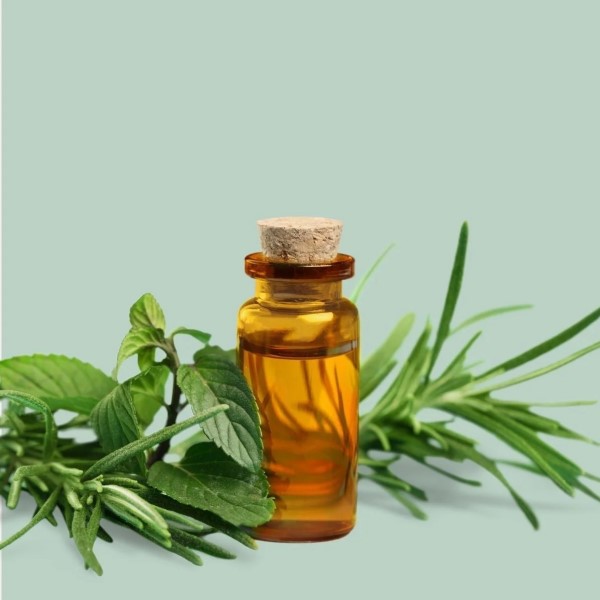
Five Benefits of Rosemary for Skin
Understanding the benefits of rosemary can open the door to better skincare practices. Here are five compelling reasons to include rosemary in your skincare routine:
Anti-Aging Effects
- Revered for Youthfulness: Rosemary is highly regarded in skincare for its remarkable ability to combat the signs of aging. Its use dates back centuries, making it a popular herb in natural beauty remedies.
- Presence of Antioxidants: The herb contains potent antioxidants that play a key role in reducing the appearance of wrinkles and fine lines. These antioxidants work by neutralizing free radicals, which are unstable molecules that contribute to skin aging.
- Promoting Radiance: Regular application of rosemary-infused products can enhance skin texture and tone, promoting a youthful and radiant complexion. Users often notice improvements in skin firmness and elasticity.
Healing Properties
- Antimicrobial and Antibacterial Qualities: Rosemary is enriched with compounds that exhibit antimicrobial and antibacterial properties. This makes it effective in treating various skin issues that may arise from microbial infections.
- Benefits for Cuts and Scrapes: Due to its healing properties, rosemary can be used to soothe minor cuts, scrapes, and blemishes. When applied topically, it aids in healing wounds more efficiently.
- Maintaining Clear Skin: Incorporating rosemary in skincare routines, through either oils or creams, can assist in maintaining clear skin. Its healing qualities help in minimizing the risk of infections, keeping the skin healthy.
Acne Prevention
- Anti-Inflammatory Properties: Rosemary is renowned for its anti-inflammatory effects, which help in reducing acne flare-ups. By calming redness and swelling, it can improve the overall appearance of blemished skin.
- Controlling Excess Oil Production: The herb works by regulating oil production, which is often a contributing factor to acne. By balancing oil levels, rosemary prevents clogged pores that lead to breakouts.
- Long-Term Contribution to Clearer Skin: Regular use of rosemary can result in clearer skin over time. Its effective reduction of inflammation and oil helps users maintain a smoother complexion.
Stimulated Circulation
- Incorporation into Massages and Skincare: Rosemary is commonly used in massages and skincare routines due to its ability to enhance blood circulation. The herb’s invigorating scent can also promote relaxation during treatments.
- Enhanced Blood Flow: Using rosemary during massages or in topical applications can increase blood circulation in the skin. This enhanced blood flow delivers essential nutrients and oxygen to the skin cells, promoting overall skin health.
- Resulting in Vibrant Complexion: Improved circulation leads to a healthier and more vibrant complexion. Users often experience a natural glow to their skin as a result of better nutrient delivery.
Hydrating Qualities
- Locking in Moisture: One of rosemary’s significant benefits is its ability to help lock in moisture within the skin. This is essential for keeping the skin hydrated and preventing dryness.
- Essence of Elasticity: Adequate hydration is crucial for maintaining skin elasticity, which keeps the skin looking youthful and supple. Rosemary-infused products often promote hydration, making them a valuable addition to skincare routines.
- Preventing Dryness: By retaining moisture, rosemary helps prevent dry patches and flakiness in the skin. Using products with this herb can make a noticeable difference in skin texture and overall health.
By understanding these benefits, you are better equipped to harness the potential of rosemary, leading to more informed choices in skincare.
Frequently Asked Questions
What are the negative side effects of rosemary?
While rosemary is generally safe for most users, it is important to be aware of potential side effects. Some individuals might experience allergic reactions or skin irritation when using rosemary essential oil. Therefore, conducting a patch test before applying it directly to the skin is advisable. Additionally, pregnant women and individuals with specific medical conditions, including those on blood thinners or who have certain allergies, should consult a healthcare professional before using rosemary.
What are 5 benefits of rosemary herbs for skin?
The five key benefits include anti-aging effects, healing properties, acne prevention, stimulated circulation, and hydrating qualities. These effects make rosemary a versatile and effective ingredient for overall skin health.
Does rosemary lighten skin?
Rosemary itself does not have significant skin-lightening properties. However, its antioxidants can improve skin tone over time by promoting cellular renewal and evening out discoloration. This can lead to a brighter and clearer complexion when used regularly.
The Application of Rosemary in Skincare Products
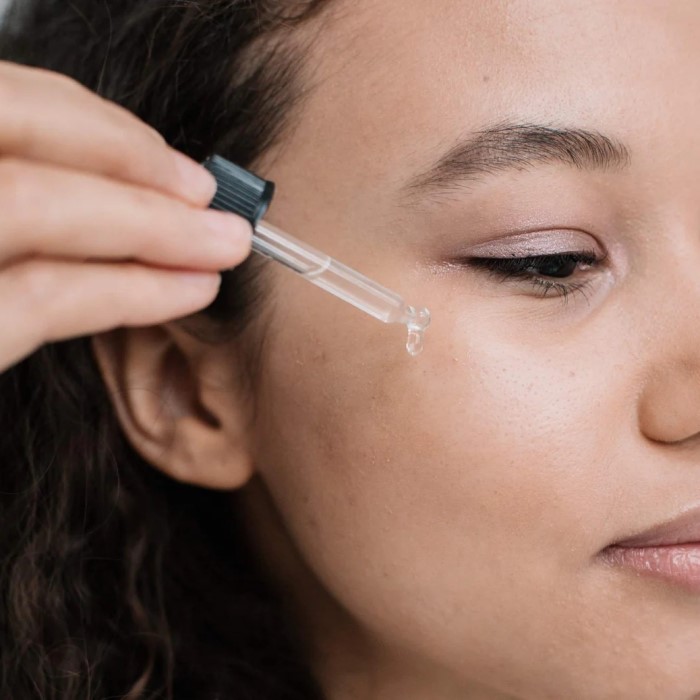
Is rosemary good for skin? The skincare industry has recognized the benefits of rosemary, leading to its widespread incorporation into various products. Many companies now offer serums, moisturizers, and cleansers that feature rosemary extract as a key ingredient. When selecting skincare products, it’s crucial to check the labels for natural formulations and active ingredients alongside rosemary. This ensures you’re procuring the most benefits while avoiding harmful additives.
Before trying new products, familiarize yourself with how rosemary reacts with your skin type. Some individuals may prefer lighter formulations, while others might enjoy richer creams that contain rosemary for maximum hydration.
Combining Rosemary with Other Natural Ingredients
To maximize the benefits of rosemary, consider combining it with other natural ingredients. Pairing rosemary with lavender can enhance its soothing properties, making it ideal for calming irritated skin. Additionally, combining rosemary with honey can create a nourishing mask that hydrates and firms the skin.
For those looking for more antioxidant effects, consider blending rosemary with vitamin C or vitamin E-rich oils. These combinations can offer superior protection against environmental stressors and help maintain skin health. Experimenting with different formulations can help you discover what works best for your skin type.
Conclusion: Is Rosemary Good for Skin?
In summary, the question “is rosemary good for skin?” can be confidently answered affirmatively. Rosemary offers a plethora of benefits that can elevate your skincare routine. Its anti-aging, healing, and hydrating properties make it suitable for various skin types and conditions, providing a natural alternative to synthetic products.
Embrace rosemary in your skincare regimen and unlock the beauty secrets this remarkable herb has to offer. As always, consult with a skincare professional if you have specific concerns or conditions. With regular use, you will likely enjoy healthier, more radiant skin—a delightful outcome sure to boost your confidence and enhance your beauty routine!