Is Potato Skin Good for You? Essential Tips for Healthy Living
Contents
hide
Introduction: Understanding Potato Skin
The question, “Is potato skin good for you?” has gained traction in the health and nutrition community. Potatoes are a staple food globally, yet many people discard their skins, often overlooking the potential health benefits they can offer. This article will delve into the nutritional content of potato skin and how it can contribute to a balanced diet. Understanding these benefits can boost your overall health and inspire new culinary ideas.
Nutritional Benefits of Potato Skins
Is potato skin good for you? Potato skins are packed with essential nutrients that benefit overall health. They are often overlooked but hold significant value for a balanced diet.
Key vitamins and minerals found in potato skins
Potato skins are rich in vital vitamins and minerals. They contain high amounts of vitamin C, which helps boost immunity and supports skin health. Additionally, they provide vitamin B6, essential for brain function and energy production.
Minerals in potato skins include potassium, magnesium, and iron. Potassium improves heart health and regulates blood pressure. Magnesium supports muscle function and energy production. Iron promotes healthy blood and prevents anemia.
Comparison of nutrients in potato flesh vs. skins
Potato skins contain more nutrients than potato flesh. While both parts have nutritional value, the skin holds higher concentrations of fiber, vitamins, and minerals.
The flesh mainly consists of carbohydrates, providing energy. In contrast, potato skins offer a richer nutrient profile, including antioxidants and fiber. Eating the skin alongside the flesh maximizes nutrient intake and enhances the health benefits.
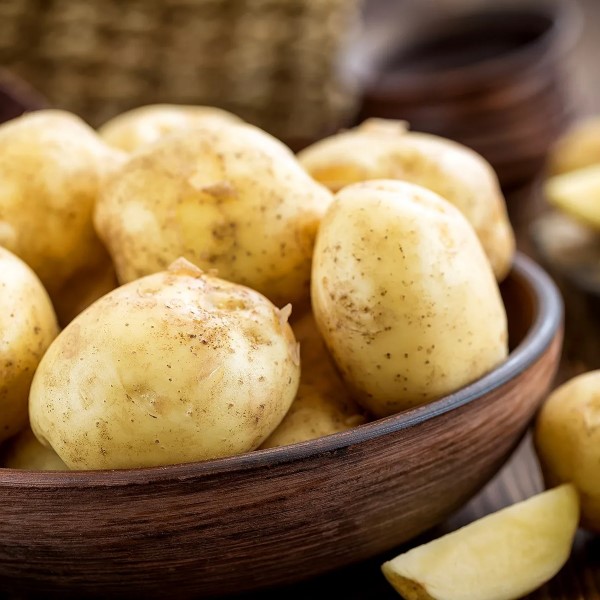
Dietary Fiber Content in Potato Skins
Is potato skin good for you? Potato skins are an excellent source of dietary fiber. Including them in meals supports better health and digestion.
Role of fiber in a balanced diet
Dietary fiber is crucial for overall wellness and maintaining a healthy digestive system. It prevents constipation and ensures regular bowel movements. Fiber also helps lower cholesterol levels, reducing the risk of heart disease. It regulates blood sugar levels, supporting energy balance and preventing spikes. Furthermore, fiber aids in achieving satiety, helping to control appetite and manage weight more effectively.
How potato skins contribute to daily fiber intake
Potato skins are packed with fiber. They outshine the potato flesh in fiber content, making them a superior choice for boosting fiber intake. Eating potato skins can help you reach the recommended daily intake of fiber without adding excessive calories to your diet. Incorporating them into meals ensures you’re getting a natural, wholesome source of this vital nutrient. To enjoy their benefits fully, choose fresh potatoes and prepare their skins carefully to retain their fiber content.
Antioxidants Found in Potato Skins
Potato skins contain powerful antioxidants that promote better health and protect the body from damage.
Importance of antioxidants for health
Antioxidants are vital for reducing oxidative stress in the body. Oxidative stress occurs when harmful free radicals damage cells. This damage can lead to aging, inflammation, and various chronic diseases, including heart disease and cancer.
Including antioxidants in your diet helps neutralize free radicals and boosts your immune system. Antioxidants also support skin health by preventing premature aging and improving tissue repair. They promote overall well-being and protect cells from harmful environmental factors like pollution.
Specific antioxidants present in potato skins
Potato skins are rich in several powerful antioxidants. They contain polyphenols, flavonoids, and carotenoids, which help reduce inflammation and ward off diseases. Chlorogenic acid is another prominent antioxidant in potato skins. It plays a role in lowering blood pressure and reducing blood sugar spikes after meals.
Additionally, potato skins provide vitamin C, an antioxidant that strengthens the immune system and enhances iron absorption. These nutrients work together to protect cells and promote good health. Consuming potato skins regularly can contribute to your antioxidant intake and overall health improvement.
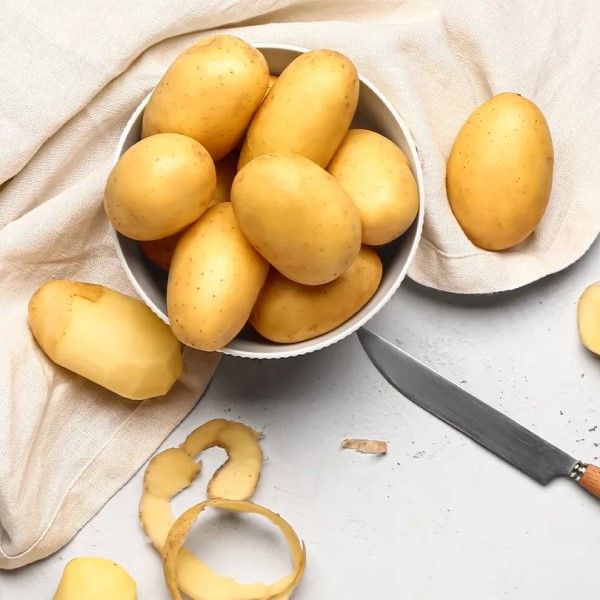
Caloric and Fat Profile of Potato Skins
Is potato skin good for you? Potato skins offer a lower-calorie and lower-fat alternative to many snack and meal options. They can satisfy cravings while providing essential nutrients.
Are they a low-calorie, low-fat option?
Potato skins are naturally low in calories and fat, making them a healthier choice. A medium-sized potato skin contains about 70 calories and minimal fat when prepared without added oil, butter, or heavy toppings. This makes potato skins advantageous for weight management and calorie-conscious diets.
Their nutrient density adds value to meals, offering vitamins, minerals, and fiber with little caloric impact. They also contain antioxidants that support overall health.
How preparation methods affect the calorie and fat content
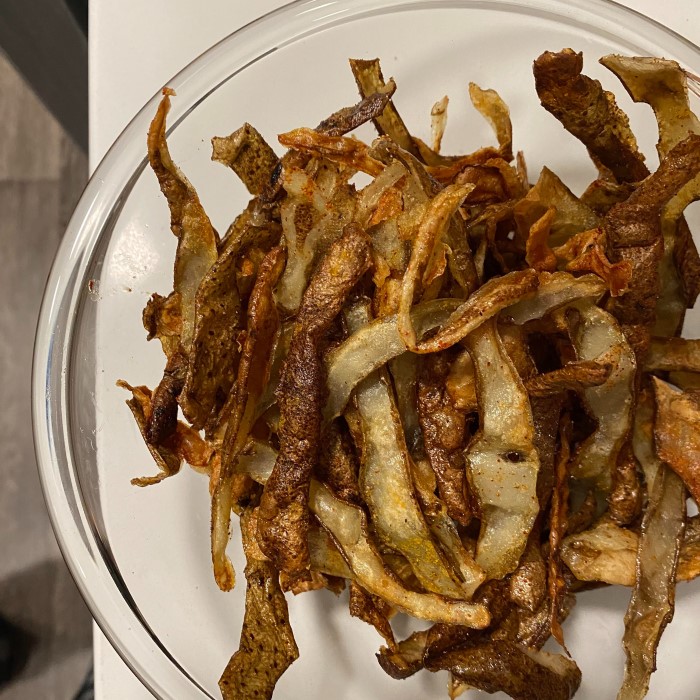
The cooking process significantly affects the calorie and fat profile of potato skins. Baked or roasted skins maintain their low-calorie and fat status. Adding olive oil or spices enhances flavor while keeping the health benefits intact.
Fried potato skins, however, elevate calorie and fat content. Frying involves oil absorption, increasing fat levels and potentially introducing unhealthy trans fats. Similarly, toppings like cheese, sour cream, or bacon contribute extra calories and saturated fats.
For a healthy preparation, opt for oven-baked potato skins with minimal seasoning. Pair them with nutrient-rich dips like hummus or Greek yogurt. These methods maximize health benefits while minimizing calorie and fat intake.
Health Advantages Linked to Eating Potato Skins
Is potato skin good for you? Potato skins are more than just a tasty addition to meals. They offer notable health benefits due to their rich nutrient content.
Benefits for digestion and gut health
Potato skins are high in dietary fiber, which is essential for digestive health. Fiber promotes regular bowel movements, preventing constipation. It also aids in maintaining a healthy gut microbiome, which supports overall wellness.
The fiber in potato skins can help reduce symptoms of digestive disorders. It feeds beneficial gut bacteria, enhancing digestion and nutrient absorption. Additionally, fiber increases feelings of fullness, helping to curb overeating and promote weight management.
Including potato skins in your diet can improve digestion naturally. Prepare them by baking or roasting to retain their fiber content.
Potential benefits for heart health
Potato skins support heart health through key nutrients like potassium and antioxidants. Potassium helps regulate blood pressure and reduces the risk of hypertension. This mineral also supports normal heart function.
Antioxidants in potato skins help combat oxidative stress, which can damage heart tissue. Polyphenols and flavonoids in the skin have anti-inflammatory properties, supporting cardiovascular health.
Potato skins also contain minimal fat and calories when prepared healthily. Low-calorie, nutrient-dense dishes are beneficial for maintaining a healthy heart.
For optimal advantages, include potato skins in your meals regularly. Pair them with other heart-healthy foods to maximize their benefits.
Potential Risks of Eating Potato Skins
Potato skins are nutritious, but there are some risks to consider before eating them.
Pesticide and chemical residue concerns
Potato skins may carry pesticide residues from farming practices. Farmers often use pesticides to protect crops from pests and diseases. These chemicals can linger on the surface of potato skins even after harvest.
Additionally, potato skins might have chemical residues from storage or transportation processes. These substances can pose health risks if consumed in large amounts. Washing potatoes thoroughly is essential to reduce exposure to these residues. Organic potatoes may carry fewer chemicals but still require proper cleaning.
Public health guidelines recommend caution when eating potato skins. Always inspect them for signs of mold or damage before cooking.
Proper cleaning and preparation methods to minimize risks
Proper cleaning reduces potential risks associated with potato skins. Wash potatoes under cold running water to remove dirt and residues. Use a vegetable brush to scrub skins thoroughly before cooking.
Avoid using chemical cleaners on potatoes. Choose natural cleaning methods like soaking them in water or vinegar. Peeling potato skins can eliminate residues entirely but reduces nutrients.
Cooking methods like roasting or baking can help reduce chemical concerns. High heat destroys some contaminants while retaining nutrient content. Avoid frying potato skins as unhealthy fats may increase health risks.
By practicing proper cleaning and cooking techniques, you can enjoy potato skins safely. Always prioritize freshness and cleanliness to maximize their benefits while minimizing risks.
Creative Ways to Enjoy Potato Skins
Potato skins are both nutritious and versatile. With creative recipes, they can become flavorful dishes.
Nutrient-rich recipes using potato skins
- Baked Potato Skin Chips:
- Slice potato skins into small chips.
- Toss with olive oil, salt, and your favorite spices.
- Bake until crispy for a healthy, crunchy snack.
- Stuffed Potato Skins:
- Fill baked potato shells with beans, veggies, and low-fat cheese.
- Bake until the cheese melts for a nutrient-packed appetizer.
- Potato Skin Soup:
- Use potato skins to create a hearty soup base.
- Add garlic, onions, and herbs for flavor.
- This is an excellent way to reduce waste and enjoy a nutritious meal.
- Potato Skin Stir-Fry:
- Stir-fry potato skins with bell peppers, onions, and lean protein like chicken or tofu.
- Add spices like paprika or cumin for extra flavor.
Ideas for incorporating potato skins into meals
Add to Salads
- Texture and Flavor Enhancement: Tossing baked or roasted potato skins into salads not only adds texture but also enhances the overall flavor profile. The crispy skin provides a delightful crunch that contrasts with the softness of salad greens.
- Nutritional Benefits: Incorporating potato skins into your salads boosts their nutritional value. The skins provide dietary fiber, vitamins, and minerals, making the salad more satisfying and healthful.
- Preparation Tips: To use potato skins in salads, bake or roast them until crispy. After they cool slightly, cut them into bite-sized pieces and mix them with your favorite greens, vegetables, and dressing.
Use as Toppings
- Versatile and Crunchy Toppings: Sprinkle crispy potato skin pieces on top of soups, casseroles, or baked dishes to add a crunchy texture. This garnish can elevate the visual appeal and enhance the eating experience.
- Flavorful Addition: The savory flavor of baked potato skins complements many dishes, from hearty soups to cheesy casseroles. This versatility allows you to incorporate them into various recipes easily.
- Serving Suggestions: Keep the potato skins crispy by adding them just before serving. For soups, sprinkle them on top to maintain their crunch. For casseroles, add them in the final few minutes of baking to ensure they stay crispy.
Make a Wrap
- Creative Use of Large Potato Skins: Utilize large potato skins as a base for wraps. This innovative approach allows you to turn a humble potato skin into a unique and delicious meal.
- Fillings and Flavor Combinations: Experiment with fillings like grilled chicken, avocado, sautéed vegetables, or cheese. The skins add a rustic flavor while providing a healthy alternative to traditional wraps.
- Preparation Steps: To create a wrap, bake larger potato skins until the flesh is soft but the skin is still firm. Layer your desired fillings inside the skin, then fold or roll as you would with a tortilla.
Boost Breakfast
- Enhancing Breakfast Dishes: Chopped and sautéed potato skins can significantly boost the nutritional content of breakfast foods. By incorporating them into scrambled eggs or omelets, you add fiber and a unique flavor.
- Preparation Method: Start by chopping the potato skins into small pieces. Sauté them in a pan with a little olive oil or butter until they are golden and crispy. Then mix them into scrambled eggs or omelets during the final stages of cooking.
- Customization: Feel free to customize the combination by adding cheese, herbs, or chopped vegetables. This way, you can create a wholesome and filling breakfast that energizes you for the day.
Create Dips
- Creamy and Flavorful Dip: Blend cooked potato skins with Greek yogurt, garlic, and herbs to create a creamy dip that’s perfect for snacking. This dip offers a delightful variation from traditional dip recipes.
- Nutritional Boost: Using potato skins as a base not only makes the dip more satisfying but also increases the fiber and mineral content, making it a healthier option for entertaining or solo snacking.
- Preparation Steps: To make this dip, blend cooked potato skins in a food processor along with Greek yogurt, minced garlic, and your choice of herbs (such as dill or chives). Adjust seasoning with salt and pepper to taste. Serve with fresh vegetables or whole grain crackers for a nutritious snack.
These ideas show how versatile potato skins can be. Incorporating them into meals is easy and healthy.
Conclusion: Embracing Potato Skins in Your Diet
Now that we have explored the question, “Is potato skin good for you?” it’s clear that incorporating potato skins can offer numerous health benefits. From their rich nutrient profile to potential contributions to heart and digestive health, these often-discarded parts of the potato should not be overlooked.
Experimenting with various cooking methods and recipes can highlight their versatility and appeal. As you embrace potato skins in your diet, you’ll not only enjoy their flavors but also take steps toward a healthier lifestyle. So next time you prepare potatoes, remember to keep and enjoy the skin for its nutritious offerings!