Why You Should Ask: Is Humidity Good for Skin Health?
Introduction
Navigating the world of skincare can be challenging, especially when considering different environmental factors. One significant aspect is humidity, which raises a common question among skincare enthusiasts: Is humidity good for skin? Understanding the relationship between humidity and skin health is crucial for developing effective skincare routines. In this article, we will delve into the effects of humidity on skin, exploring both its benefits and drawbacks. By the end, you will have a better understanding of how to adjust your skincare regime to suit various humidity levels.

The Relationship
Humidity plays a crucial role in maintaining skin health. It affects the skin’s hydration levels and appearance. Moderate humidity levels can benefit the skin, while too much or too little can cause problems.
When humidity is balanced, it helps the skin stay moisturized. This prevents dryness, flakiness, and irritation. The moisture in the air helps the skin retain water, keeping it plump and healthy.
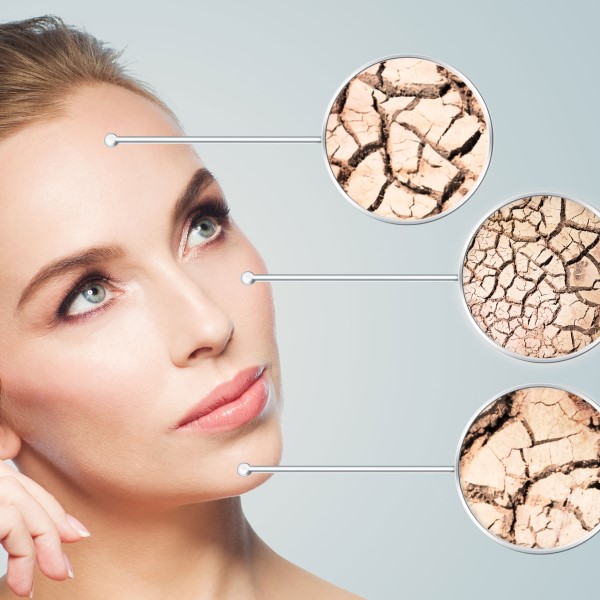
However, extremely low humidity can lead to dry skin. This happens because the dry air pulls moisture out of the skin. On the other hand, excessive humidity can make the skin oily and clog pores. This often leads to acne and other related skin concerns.
Understanding the relationship between humidity and your skin is essential. It helps you choose the right skincare routine and tools. Paying attention to humidity levels allows you to care for your skin appropriately and maintain a healthy balance.
Positive Effects
Is humidity good for skin? Humidity has various benefits for maintaining healthy and beautiful skin. Balanced humidity levels help your skin stay hydrated and supple. Let’s explore how humidity positively impacts your skin.
Hydration and Moisture Benefits
Moderate humidity provides natural hydration to your skin. It keeps the air filled with moisture, which prevents your skin from drying out. This helps maintain your skin’s barrier and locks in essential moisture.
Balanced hydration is crucial for avoiding dryness, flakiness, and irritation. Humidity supports your skin’s ability to retain water effectively. This reduces the risk of dry patches and gives your skin a smooth, glowing appearance.
When the skin is hydrated, it feels softer and looks plumper. Your skin’s natural oils work better in moderate humidity, adding to the hydration. Overall, the right amount of humidity is good for skin hydration.

Enhanced Elasticity
Proper hydration boosts your skin’s elasticity. Elasticity makes your skin firm and resistant to aging signs. In humid conditions, your skin absorbs and holds moisture, improving its elasticity naturally.
Elastic skin maintains a youthful look by reducing fine lines and sagging. Moisture strengthens collagen and elastin fibers, which are key to skin flexibility. These fibers depend on proper hydration to function well over time.
In environments with balanced humidity, your skin remains more resilient. This helps your skin feel energized and refreshed. Enhanced elasticity is another reason why humidity is good for skin health when kept at moderate levels.
Negative Effects of Excessive Humidity
While moderate humidity benefits the skin, excessive humidity poses challenges. High humidity levels can create skin problems. Let’s explore the negative effects to better understand how to handle them.
Increased Risk of Acne and Oily
Excessive humidity often makes the skin produce more oil. This happens as your body tries to balance the moisture. When there is too much oil, it may clog your pores. Clogged pores can lead to acne development.
The mix of sweat and oil in high humidity worsens the situation. Sweat does not evaporate easily in humid conditions. This leaves your skin sticky and makes it harder to stay clean. As a result, bacteria and dirt accumulate on the skin. This makes breakouts and oily skin more likely.
To combat acne and oiliness caused by humidity, cleanse your skin regularly. Use products that control oil without over-drying. Avoid heavy or greasy skincare products that can worsen the issue.
Skin Irritations and Fungal Infections
High humidity can also trigger skin irritation. Damp skin creates an ideal environment for bacteria and fungi to grow. Prolonged moisture on the skin leads to issues like rashes and infections.
Fungal infections, such as athlete’s foot or ringworm, become common in humid conditions. These infections thrive in warm, wet environments. Sweat trapped in clothes or shoes can worsen these problems.
Skin folds, like underarms or areas under clothing, are especially vulnerable. The lack of air circulation in these areas aggravates infections. To prevent irritation and fungal infections, keep your skin dry and clean. Wear breathable fabrics and change wet clothing promptly.
Balancing Humidity
Maintaining the right balance of humidity is key. Too much or too little can harm your skin. Finding the ideal humidity level helps your skin stay comfortable and nourished.
Ideal Humidity Levels for Skin
The perfect humidity level for skin usually ranges from 40% to 60%. In this range, your skin stays moisturized but does not become overly oily. Balanced humidity maintains your skin’s hydration, protecting it from dryness and irritation. Too low humidity, below 30%, can make skin rough and flaky. Excessive humidity, above 60%, often clogs pores and causes sweat-related issues.
To monitor indoor humidity, use a hygrometer. Adjust conditions in your home or workspace if needed. This helps ensure your skincare stays at its best.
Tips for Maintaining Skin Balance in Humid Conditions
- Stay Hydrated – Drink plenty of water daily to support natural skin hydration. Avoid sugary or caffeinated drinks.
- Use Lightweight Moisturizers – Opt for water-based moisturizers in humid weather to avoid excessive oiliness.
- Shower Wisely – Take short showers with lukewarm water and avoid prolonged exposure to hot water.
- Choose Breathable Fabrics – Wear cotton or moisture-wicking clothes to prevent sweat buildup.
- Proper Cleansing – Wash your face gently to remove dirt, oil, and sweat. Avoid over-scrubbing.
- Use a Humidifier or Dehumidifier – Modify indoor humidity according to the season or environment.
- Avoid Heavy Makeup – Reduce heavy makeup during humid conditions, as it can lead to clogged pores.
- Use Sun Protection – Apply lightweight sunscreen to protect your skin in humid and warm environments.
By following these tips, you can maintain skin balance even in humid conditions. Proper care ensures your skincare stays healthy and glowing all year round.
How to Care for Your Skin in Low-Humidity Environments
Low humidity can dry your skin out quickly. Proper care is essential to prevent damage.
Preventing Dryness and Dehydration
- Drink More Water
- Stay hydrated to keep your skin moisturized from within.
- Aim for at least 8 cups of water daily.
- Protect Your Skin
- Cover your skin with clothing in windy or cold conditions.
- Use gloves and scarves to shield exposed areas.
- Avoid Hot Showers
- Take short showers using lukewarm water.
- Hot water removes your skin’s natural oils, worsening dryness.
- Use a Humidifier
- Add moisture to the air with a humidifier.
- Set it to maintain indoor humidity at least 40%.
- Avoid Overheating Indoors
- Avoid excessive indoor heating during winter.
- Dry heat makes the air less humid and damages your skincare.
Recommended Skincare Routines for Dry Conditions
- Cleanse Gently
- Use mild, hydrating cleansers designed for dry skin.
- Avoid harsh soaps that strip natural oils.
- Apply Rich Moisturizers
- Opt for thicker creams or ointments with ingredients like ceramides and hyaluronic acid.
- Lock in moisture by applying creams after bathing.
- Use Lip Care
- Apply lip balms with nourishing ingredients to prevent chapped lips.
- Reapply throughout the day.
- Exfoliate Lightly
- Use gentle exfoliators once or twice a week.
- Avoid abrasive products to prevent damage.
- Use Sunscreen Daily
- Protect your skin from UV rays, even during winter.
- Choose a sunscreen with hydrating properties.
- Avoid Alcohol-Based Products
- Skip products with alcohol, as they dry your skin further.
- Look for hydrating formulas instead.
Proper care in low humidity keeps your skin healthy and minimizes dryness. Combine hydration, protection, and good skincare routines to maintain glowing skin.
Role of Humidifiers and Dehumidifiers
Is humidity good for skin? Humidifiers and dehumidifiers play essential roles in maintaining healthy skin. They help regulate indoor humidity levels, which directly impact your skincare’s condition. Let’s understand their importance and how to use them effectively.
Benefits of Humidifiers for Skin
- Adds Moisture to Dry Air
- Humidifiers release moisture into the air, preventing dry environments.
- This helps combat skin dryness and flakiness effectively.
- Prevents Dehydrated Skin
- They protect your skin from losing water to the surrounding air.
- Proper hydration keeps your skin smooth and soft.
- Soothes Irritated Skin
- Moist air reduces skin irritation caused by conditions like eczema or psoriasis.
- It provides relief by maintaining skin hydration.
- Enhances Nightly Skincare Routine
- Using a humidifier while sleeping improves the effectiveness of moisturizers.
- It ensures your skin absorbs and locks in moisture overnight.
Benefits of Dehumidifiers
Controls Excessive Humidity
-
- Dehumidifiers remove extra moisture from the air during humid weather.
- They prevent your skin from becoming greasy or sticky.
- Reduces Acne and Breakouts
- They help reduce skin oiliness by balancing humidity levels.
- Less oil production minimizes clogged pores and acne risk.
- Prevents Fungal Infections
- Dehumidifiers reduce damp conditions that encourage fungus and bacteria.
- This minimizes the risk of infections like ringworm and athlete’s foot.
Tips for Using Humidifiers and Dehumidifiers
- Monitor Humidity Levels
- Use a hygrometer to maintain humidity between 40%-60%.
- Clean Devices Regularly
- Prevent mold or bacteria buildup by cleaning your devices every few days.
- Place Devices Strategically
- Position them in your bedroom or main living areas for optimal skin benefits.
- Use Distilled Water
- For humidifiers, use distilled water to minimize mineral buildup and impurities.
When to Use Which Device
- Use a humidifier during winter or in dry regions.
- Use a dehumidifier during summers or in humid climates where moisture becomes excessive.
Both tools ensure balanced humidity, keeping your skincare healthy and glowing. Choosing the right one depends on your indoor environment and skin needs. Optimize their use for the best skincare health results.
Common Myths
Misconceptions about humidity and skin health are common. Let’s clarify some myths to ensure proper care.
Myth 1: High humidity is always good for your skin
Many believe high humidity benefits the skin. However, excessive humidity can harm it instead. It may cause oily skin, clogged pores, and acne. Sweat in humid conditions does not dry easily, leading to sticky skin. This creates an ideal environment for bacteria and dirt to accumulate.
Myth 2: Low humidity only affects extremely dry skin types
It’s a common myth that low humidity only harms people with dry skin. In truth, it affects all skin types. Low humidity can strip natural oils from the skin, leaving it dry and irritated. Even oily skin can suffer from dehydration in such conditions.
Myth 3: You don’t need skincare in humid weather
Some assume their skin requires no care in humid climates due to natural moisture in the air. While humidity helps hydrate the skin, it doesn’t replace proper skincare. You must cleanse, moisturize, and protect against environmental damage.
Myth 4: Humidity makes your skin look older
Humidity doesn’t necessarily make skin look older. Balanced humidity can actually boost skin elasticity. Proper hydration from moderate humidity helps maintain a youthful glow and reduces fine lines. Problems arise only if humidity levels are too high or too low.
Myth 6: Only cold climates lead to dry skin
Dry skin is not exclusive to cold weather. It also occurs in dry or arid climates. Heat and lack of moisture in the air can make the skin rough and flaky, regardless of the temperature.
Myth 7: Antibacterial wipes are better than water in humid conditions
Using antibacterial wipes instead of washing with water is often misunderstood. Wipes may leave residue that mixes with sweat in humid conditions, irritating skincare further. Washing with mild cleansers and water is more effective and gentler.
Understanding the truth behind these myths can help you care for your skin better. Focus on balanced humidity and a customized routine for radiant, healthy skincare.
Conclusion
Is humidity good for skin? While increased humidity can enhance hydration and improve texture, it also has drawbacks such as oiliness and acne concerns.
To maintain skin health in various humidity levels, adopting thoughtful skincare practices is essential. Remember to hydrate both internally and externally, choose the right products, and customize your routine based on the weather conditions. By being proactive about skincare, you can ensure that humidity works in your favor, allowing you to enjoy the benefits of a healthy, glowing complexion.