Choosing a Good Moisturizer for Oily Skin: Top 2026 Picks
Contents
hide
Introduction to Choosing a Good Moisturizer for Oily Skin
When it comes to skincare, selecting the right moisturizer is crucial, especially for those with oily skin. A good moisturizer for oily skin should hydrate without adding excess oil or clogging pores. As we approach 2026, innovative formulations and various product lines cater specifically to oily skin types. This blog article will guide you through the essential aspects of choosing the right moisturizer, exploring top picks for 2026 while also addressing common concerns for those battling oily skin.
Understanding Oily Skin
Understanding oily skin is essential to manage it effectively. Oily skin produces excess sebum, which can lead to shine and various skin concerns. Knowing its characteristics and challenges can help in selecting the right skincare products.
Characteristics of Oily Skin
Oily skin has some specific traits:
- Excess Sebum Production: The skin appears shiny, especially on the T-zone (forehead, nose, and chin).
- Enlarged Pores: The pores often appear larger due to increased oil production.
- Prone to Acne: Oily skin is more likely to experience blackheads, whiteheads, and pimples.
- Greasy Texture: The skin may feel greasy to the touch, particularly by midday.
These characteristics require tailored skincare solutions to keep the skin balanced and healthy.
Common Challenges Faced
Oily skin comes with its own set of challenges, such as:
- Frequent Breakouts: Pores can become clogged with oil and dirt, leading to acne.
- Makeup Longevity Issues: Makeup often melts or slides off due to excess oil production.
- Shiny Appearance: Many individuals struggle with controlling shine throughout the day.
- Difficulty Finding the Right Products: Some moisturizers and products might worsen oiliness or cause irritation.
By recognizing these challenges, choosing a good moisturizer for oily skin becomes essential to address these issues.
Importance of Moisturizing Oily Skin
Many people think oily skin doesn’t need moisturizing. However, it is essential for skin health.
Why Oily Skin Needs Hydration
Oily skin can still lack hydration. Sebum does not equate to proper skin moisture. Without hydration, oily skin may overproduce oil to compensate. This can worsen shine and clog pores. Moisturizing helps regulate the skin’s oil production. Balanced hydration prevents dryness and reduces excessive oil.
Proper moisturization also strengthens the skin barrier. It shields the skin from environmental damage. Healthy hydration keeps the skin plump and smooth. Additionally, moisturizers keep water within the skin layers, improving overall texture.
Benefits of Proper Moisturization
- Balancing Oil Levels: When skin is hydrated, it produces less sebum.
- Reducing Breakouts: Moisturized skin faces fewer clogged pores and acne issues.
- Improving Skin Texture: Well-moisturized skin feels smooth and looks less greasy.
- Enhancing Makeup Longevity: A hydrated base improves makeup appearance and lasting power.
- Protecting the Skin Barrier: Moisturizers preserve skin health and resilience.
Choosing a good moisturizer for oily skin is vital for achieving all these benefits. Look for lightweight, hydrating, and non-clogging options for best results.
Key Ingredients to Look for in Moisturizers
Choosing the right moisturizer for oily skin depends significantly on its ingredients. Different elements serve distinct purposes, like controlling oil, hydrating the skin, or preventing irritation.
Oil-Control Ingredients
For oily skin, pay attention to oil-regulating ingredients to reduce excess sebum. These include:
- Niacinamide: Reduces excessive oil production and soothes inflammation. It also minimizes pore size.
- Salicylic Acid: Helps unclog pores and control acne breakouts. It works effectively for oily skin types.
- Tea Tree Oil: Provides antibacterial properties and balances oil levels without drying the skin.
- Kaolin Clay: Absorbs excess oil, leaving the skin less shiny. Great for calming irritated skin.
These ingredients help keep oily skin matte and less prone to breakouts.
Hydrating Agents Suitable for Oily Skin
Hydration is crucial even for oily skin. Hydrating agents should be lightweight and non-greasy. Ideal options include:
- Hyaluronic Acid: Attracts water to the skin, deeply hydrating without feeling sticky or heavy.
- Glycerin: Moisturizes the skin effectively while maintaining a smooth texture.
- Aloe Vera: Provides gentle hydration and calms sensitive or irritated skin.
- Ceramides: Strengthen the skin barrier and lock in moisture while regulating oil production.
Look for moisturizers with these hydrating components to achieve balanced and healthy skin.
Avoiding Harmful Ingredients
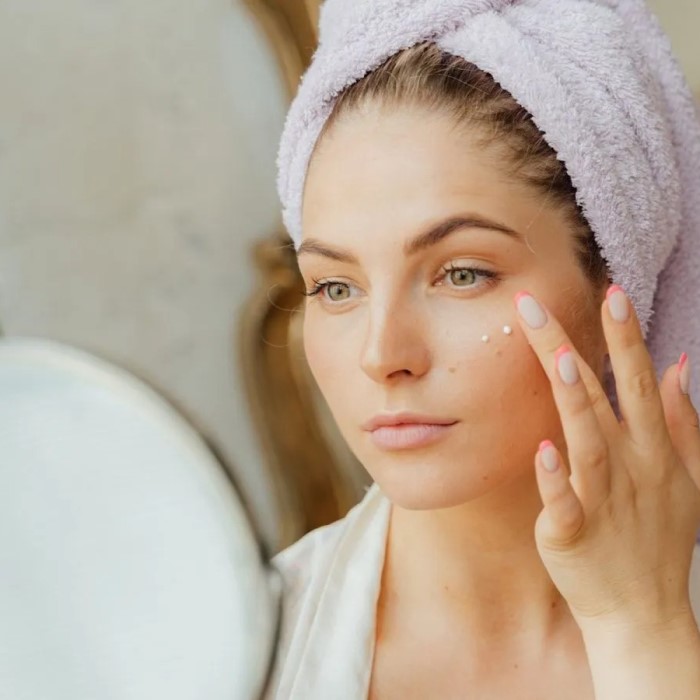
Certain ingredients can worsen oily skin or lead to irritation. Avoid the following:
- Alcohols: These can strip the skin’s natural oils, leading to dryness and rebound oil production.
- Heavy Oils: Ingredients like mineral oil or coconut oil may clog pores and increase greasiness.
- Fragrances and Dyes: These can cause irritation or allergic reactions for sensitive oily skin.
- Comedogenic Components: Avoid ingredients that are known to block pores, triggering acne.
Selecting a moisturizer free from harmful components ensures better skin health and reduced oil-related issues.
Prioritize identifying these key ingredients when choosing a good moisturizer for oily skin.
Types of Moisturizers Suitable for Oily Skin
Finding the right moisturizer is key for managing oily skin. The ideal products should hydrate without clogging pores or adding excess grease. Different types of moisturizers cater to oily skin, and choosing the correct one can improve skin texture and reduce shine.
Gel-based Moisturizers
Gel-based moisturizers are a perfect fit for oily skin. These moisturizers are lightweight and water-based. They provide hydration without causing greasiness. Gel formulations absorb quickly, leaving a refreshing feel. Key ingredients in gel moisturizers include hyaluronic acid and glycerin for hydrating benefits. They also help in controlling oil production.
Lightweight Creams
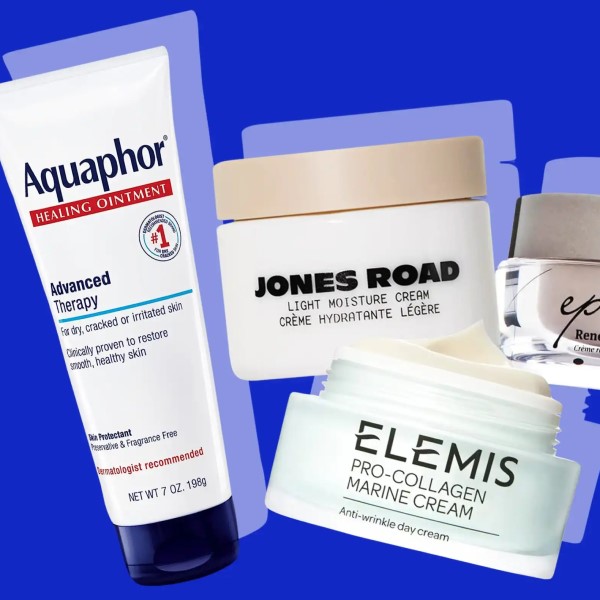
Lightweight creams blend hydration with a soft texture. They are richer than gels but still non-greasy. These creams often include oil-balancing components such as niacinamide or aloe vera. They hydrate and soothe the skin, making them suitable for combination and slightly oily skin types. Look for “non-comedogenic” labels to avoid clogged pores.
Water-based Lotions
Water-based lotions are another excellent choice for oily skin. These formulations focus on delivering hydration without leaving residue. They often have a thin consistency that spreads easily. Water-based lotions usually contain aloe vera, ceramides, or lightweight oils to support hydration. They are ideal for humid environments and day-to-day use.
Selecting the right type of moisturizer helps to maintain healthy, balanced skin. Always test new products on small areas to ensure compatibility with your skin.
How to Choose the Right Moisturizer
Choosing the right moisturizer is crucial for managing oily skin. The wrong product can clog pores, worsen oiliness, or cause irritation. By considering several factors and testing products, you can find the perfect match for your skin type.
Factors to Consider
- Skin Type: Confirm your skin type is oily. Check for shine, enlarged pores, and greasy texture.
- Product Claims: Look for labels like “non-comedogenic” and “oil-free” to avoid pore-clogging ingredients.
- Ingredients: Opt for moisturizers with oil-control and hydrating ingredients. Avoid alcohols and heavy oils.
- Texture: Choose lightweight textures like gel or water-based lotions. These work well for oily skin.
- SPF: During the day, select moisturizers with sun protection to guard against UV damage.
- Environmental Factors: Consider your climate. Lightweight products suit humid conditions, while slightly creamy options work in drier weather.
Testing Products for Compatibility
- Patch Test: Test the moisturizer on a small area before applying it to your face.
- Observe Reaction: Check for signs of irritation or excessive oil production over 24-48 hours.
- Trial Period: Use the product consistently for at least two weeks to see full results.
- Adjust as Needed: If irritation occurs, switch to a simpler formula with fragrance-free and mild ingredients.
Recommended Brands and Products
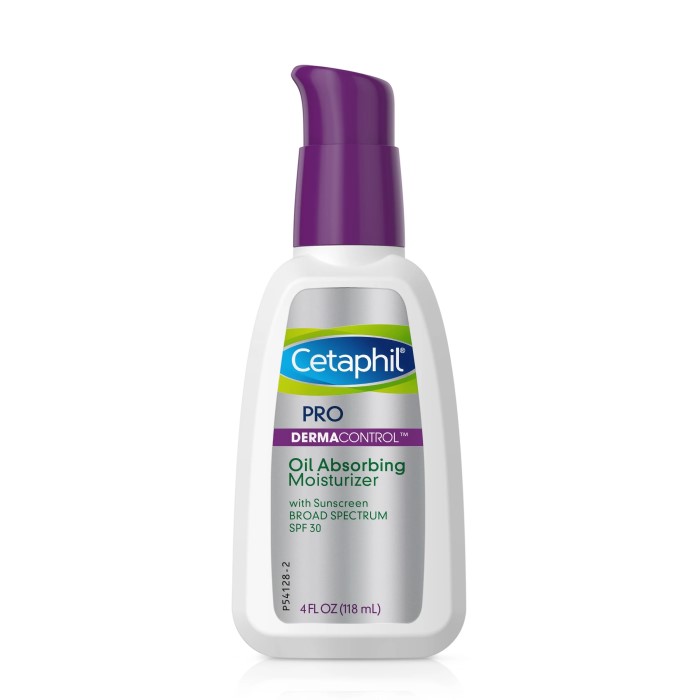
- Cetaphil Pro Oil Absorbing Moisturizer: Lightweight, mattifying, and contains SPF.
- Neutrogena Hydro Boost Water Gel: Features hyaluronic acid for non-greasy hydration.
- La Roche-Posay Effaclar Mat: Combines oil control with hydrating benefits for a matte finish.
- Clinique Dramatically Different Gel: Balances oily skin while keeping it hydrated.
- The Ordinary Natural Moisturizing Factors: Affordable and rich in skin-friendly ingredients like ceramides.
- Paula’s Choice Clear Oil-Free Moisturizer: Hydrates oily skin and soothes redness effectively.
Choosing the right moisturizer and testing it ensures your skin stays hydrated and balanced. This helps maintain healthy, less shiny, and acne-free skin.
Application Tips for Moisturizer
Proper application of moisturizer is key for effective skin hydration and balance. Following the right techniques can maximize benefits and prevent oily skin from becoming worse.
Best Practices for Day and Night Routine
- Cleanse Your Face First: Always apply moisturizer after cleansing to remove excess oil and dirt.
- Use a Toner: A toner balances your skin’s pH and prepares it for hydration.
- Apply While Skin Is Damp: Apply moisturizer on slightly damp skin to lock in hydration effectively.
- Use the Right Amount: Use a pea-sized amount to avoid overloading on product.
- Pat, Don’t Rub: Gently pat the moisturizer onto your skin to avoid irritating it.
- Morning Routine: Use a lightweight, oil-free moisturizer with SPF in the morning for sun protection.
- Night Routine: Choose a slightly more enriching moisturizer for repair and hydration overnight.
- Focus on Key Areas: Pay close attention to areas like the T-zone, where oil is often excessive.
Mistakes to Avoid When Applying Moisturizer
- Skipping Moisturizer: Avoid skipping moisturization, even if your skin feels oily.
- Overloading the Product: Using too much moisturizer may clog pores and cause breakouts.
- Applying on Dry Skin: Moisturizer should always go on damp skin for better absorption.
- Using the Wrong Product: Always choose non-comedogenic and lightweight options to suit oily skin needs.
- Ignoring Sunscreen: Never skip a day moisturizer with SPF, especially if you step outdoors.
- Not Adjusting for Seasons: Switch to slightly creamier options in winter for balanced hydration.
- Rubbing Too Hard: Harsh application can irritate oily skin and worsen conditions like acne.
By following these tips, you keep oily skin hydrated while avoiding excessive shine or breakouts. Consistent use of the right techniques results in healthier, balanced skin.
Myths and Misconceptions About Oily Skin Moisturizers
Many people misunderstand how moisturizers impact oily skin. These misconceptions may lead to poor skincare choices. Let’s explore common myths and uncover the truth.
Debunking Common Myths
- Myth: Oily Skin Doesn’t Need MoisturizerTruth: Oily skin still requires hydration. Without moisturizer, skin may produce more oil to compensate.
- Myth: Moisturizers Make Oily Skin WorseTruth: Proper moisturizers balance oil levels. Lightweight options prevent grease without clogging pores.
- Myth: All Moisturizers Cause BreakoutsTruth: Non-comedogenic products are designed to avoid pore blockage and reduce the risk of acne.
- Myth: Water Alone Hydrates SkinTruth: Water evaporates quickly. Use moisturizers to lock hydration into the skin.
- Myth: Skipping Moisturizer Reduces ShineTruth: Lack of moisture triggers excessive sebum production, making your skin shinier.
Importance of Consistent Care
- Regular Moisturization Prevents Skin IssuesDaily hydration reduces oil and prevents dryness. Balanced skin faces fewer breakouts.
- Strengthens Skin BarrierProper care protects the skin from environmental damage like pollution or UV rays.
- Improves Texture Over TimeConsistency makes skin smoother, plumper, and healthier-looking.
- Enhances Other Skincare ProductsHydrated skin absorbs serums or treatments better, maximizing their benefits.
- Long-Term Skin HealthContinuous attention helps prevent early aging and keeps skin resilient.
Understanding these myths and practicing consistent care ensures better results for oily skin. Choose appropriate moisturizers and stick to a routine for balanced, healthy skin.
Maintaining Overall Skin Health
Maintaining overall skin health is essential for achieving radiant and well-balanced skin. In addition to choosing a good moisturizer for oily skin, other factors contribute to your skin’s condition.
Balanced Diet and Hydration
A healthy diet plays a significant role in improving your skin. What you eat affects skin texture, oil balance, and hydration levels. Here are some tips:
- Stay Hydrated: Drink at least 8 glasses of water daily. Proper hydration flushes out toxins and keeps the skin plump and soft.
- Incorporate Antioxidants: Foods rich in antioxidants, like berries, spinach, and nuts, protect your skin from damage.
- Eat Omega-3 Fatty Acids: Include salmon, flax seeds, and walnuts. They help regulate oil production and reduce inflammation.
- Limit Sugary Foods: High sugar levels can increase inflammation and cause breakouts.
- Consume Vitamins and Minerals: Focus on Vitamin C, E, and Zinc to enhance skin repair and health.
A nutritious, well-balanced diet paired with adequate water intake promotes a healthy complexion.
Incorporating Other Skincare Steps
Adopting a comprehensive skincare routine maximizes the benefits of a good moisturizer for oily skin. Ensure you include these steps:
- Gentle Cleansing: Wash your face twice daily with a mild cleanser. Avoid over-cleansing to prevent stimulating more oil production.
- Exfoliation: Exfoliate 1-2 times per week with a gentle product. It helps remove dead skin and unclog pores.
- Toning: Use an alcohol-free toner to balance pH levels and prepare your skin for moisture.
- Sun Protection: Apply sunscreen daily to shield skin from harmful UV rays and prevent premature aging.
- Spot Treatments: Address acne or blemishes with products containing salicylic acid or benzoyl peroxide.
By following these skincare steps, your skin can remain clean, balanced, and protected from environmental damage. Combining a balanced diet, proper hydration, and an effective skincare routine ensures your skin stays healthy, nourished, and less oily.
Conclusion
Choosing a good moisturizer for oily skin is crucial for maintaining skin balance and preventing breakouts. The fundamental aspects include understanding key ingredients, applying the right product, and recognizing common mistakes to avoid. With the recommendations for 2026, you can confidently select a moisturizer that not only hydrates but also manages excess oil. As you experiment with different products, take note of how your skin reacts, adjusting your options accordingly. Healthy, hydrated skin is attainable for everyone, especially with the proper moisturizer tailored for oily skin. Start your journey toward balanced skin today!