Is Breast Milk Good for Skin? Discover What Experts Say Today!
Understanding Breast Milk: A Natural Skincare Solution
The question that many people often contemplate is, is breast milk good for skin? The answer, intriguing as it may be, is rooted in a long history of traditional and anecdotal evidence that showcases the remarkable properties of breast milk for skincare. Rich in essential nutrients, breast milk is not just a source of nutrition for infants. It also contains components that can provide noticeable benefits for skin health. In recent years, the trend towards holistic and natural skincare has led to an increased interest in using natural ingredients like breast milk for various skin concerns. This article aims to explore the myriad benefits of breast milk, how it can be incorporated into your skincare routine, and address common questions regarding its use.

Nutritional Composition of Breast Milk
To appreciate why breast milk may be beneficial for the skin, we must understand its unique nutritional makeup. Breast milk is composed of numerous beneficial components that contribute to its effectiveness:
- Antibodies: These proteins help protect against infections and support the immune system, which can be particularly beneficial for skin that is prone to irritations and infections.
- Vitamins: Key vitamins such as A, E, and C are abundant in breast milk. Vitamin A is crucial for skin health as it promotes cell turnover, while Vitamin C serves as a powerful antioxidant that protects the skin from environmental damage.
- Essential Fatty Acids: These fats nourish and hydrate the skin, helping to maintain moisture levels and improve elasticity, making the skin appear plumper and more youthful.
- Lactoferrin: This multifunctional protein found in breast milk has anti-inflammatory and antibacterial properties, offering another layer of protection for the skin.
This rich nutritional composition explains why many users turn to breast milk as a natural remedy for various skin concerns.
Benefits of Using Breast Milk for Skin
Is breast milk good for skin? With its impressive ingredient profile, breast milk offers several benefits that can enhance skin health. Here are some of the key advantages of incorporating breast milk into your skincare routine:
1. Powerful Moisturization
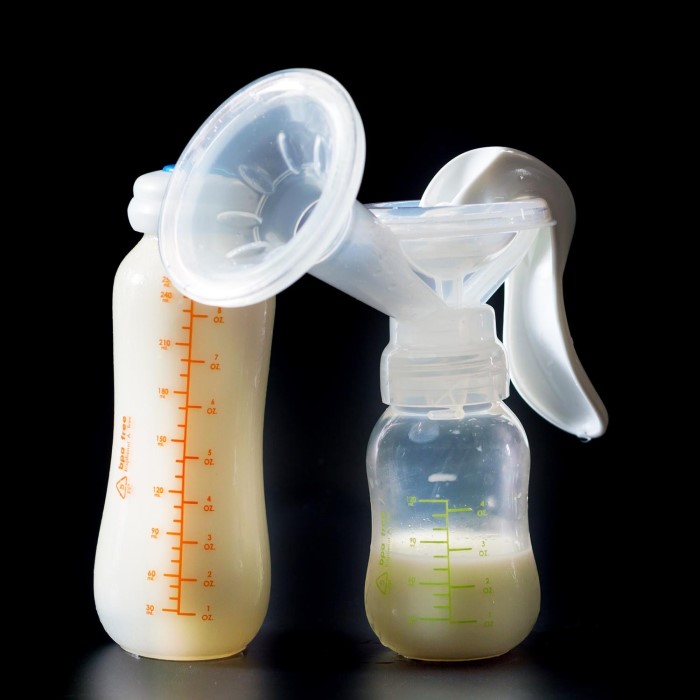
One of the primary benefits of breast milk is its ability to deeply moisturize the skin. The combination of proteins and fats helps to lock in hydration, making it an excellent choice for individuals with dry or flaky skin. Regular use can help to keep the skin soft, smooth, and supple.
2. Soothing Properties
Breast milk is known for its calming effects on irritated skin. The antibodies present can help reduce inflammation and provide relief to conditions like eczema, dermatitis, and psoriasis. Many parents even use breast milk on their babies’ skin for this reason, often reporting immediate soothing effects on diaper rashes and other minor irritations.
3. Anti-Aging Benefits
The antioxidants found in breast milk combat free radicals that contribute to premature aging. By using breast milk regularly, you might notice a reduction in the appearance of fine lines and wrinkles, contributing to a more youthful complexion.
4. Improved Skin Tone and Texture
Many users have reported enhanced skin tone and texture from regular application of breast milk. The vitamins, especially Vitamin C, can aid in evening out skin tone and promoting a radiant glow. Some have even claimed that breast milk can diminish the appearance of blemishes and pigmentation marks.
5. Natural Healing Properties
Breast milk is known for its natural healing abilities. The lactoferrin and antibodies can promote the healing of minor cuts and scrapes while also assisting in reducing acne by combating the bacteria that can contribute to breakouts.
How to Incorporate Breast Milk into Your Skincare Routine
Is breast milk good for skin? Incorporating breast milk into your skincare routine can be simple and straightforward. Here’s how to do it effectively:
1. Direct Application
For most users, the easiest way to apply breast milk to the skin is by using it directly. However, ensure that you use fresh, expressed breast milk from a clean source. You can apply it using a clean cotton ball or your fingertips. Spread a thin layer on the desired area and allow it to sit for about 15-20 minutes before rinsing with lukewarm water.
2. Dilution for Sensitive Skin
If you have sensitive skin or are using breast milk on the face, you may want to dilute it with a small amount of water or a light oil (such as almond or coconut oil). This can help minimize the risk of irritation.
3. Frequency
To ensure maximum benefits, consider using breast milk as part of your skincare regimen two to three times a week. This frequency allows for the absorption of its nutrients without overwhelming the skin.
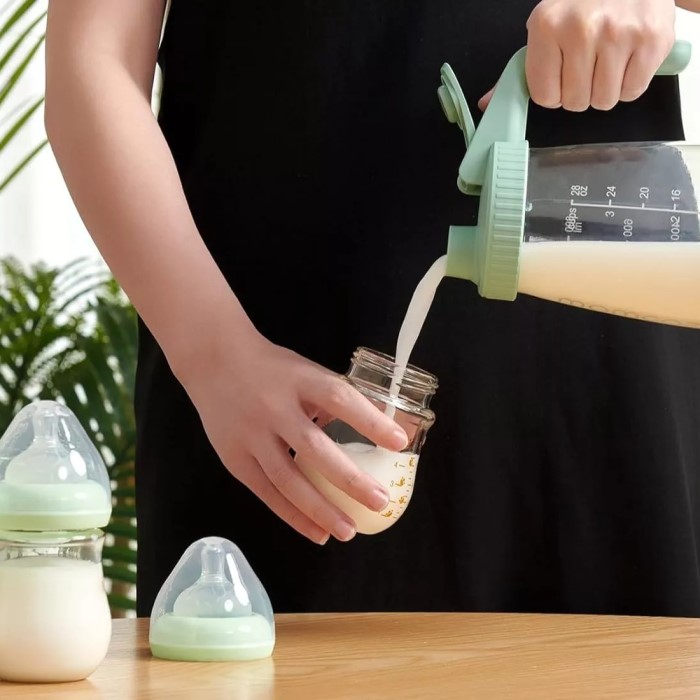
4. Storage Tips
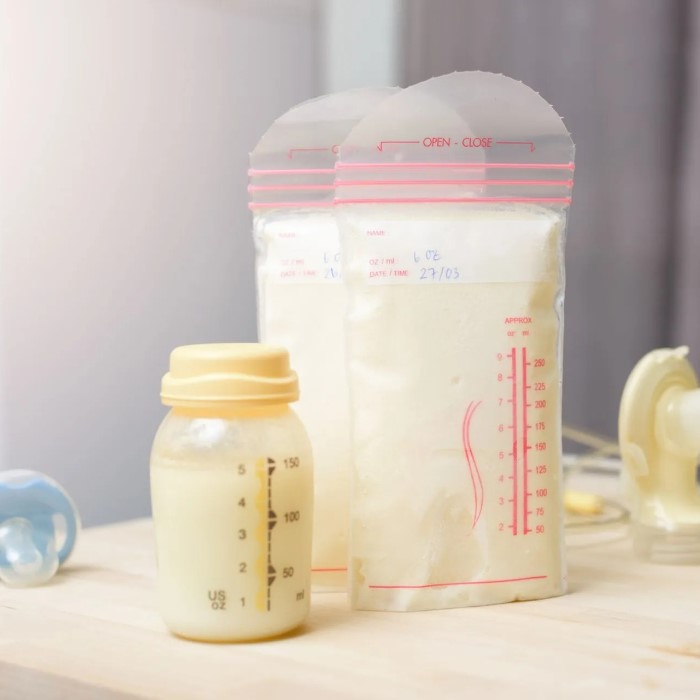
Proper storage is essential to ensure that breast milk remains fresh and effective for use, whether for feeding infants or applying to the skin for its beneficial properties. Here are detailed guidelines on how to store breast milk correctly:
1. Clean Storage Containers
- Use Glass Containers: Always opt for clean glass containers for storing breast milk. Glass is non-toxic, easy to sterilize, and does not retain odors or flavors, ensuring the milk stays pure.
- Check for BPA-Free Plastics: If using plastic containers, make sure they are BPA-free to avoid chemical leaching into the milk.
- Seal Properly: Ensure that containers are sealed tightly to prevent any contamination or spillage.
2. Refrigeration Guidelines
- Refrigerator Storage: Store any unused breast milk in the refrigerator to maintain its freshness. The ideal temperature for refrigeration is at or below 4°C (39°F).
- Use Within a Week: Always use the refrigerated breast milk within one week. After this period, the quality and safety of the milk may diminish, making it unsuitable for use.
3. Freezing Options for Longer Storage
- Freezing Small Quantities: If you wish to store breast milk for an extended period, consider freezing it in small quantities. This allows for convenient thawing when needed.
- Ice Cube Trays: Use ice cube trays to freeze breast milk in small portions. Once frozen, transfer the milk cubes to a labeled zip-top bag or airtight container to save space in the freezer.
- Storage Duration: Frozen breast milk can typically be stored in the freezer for up to six months, though it is best if used within three months for optimal quality.
4. Thawing and Using Frozen Breast Milk
- Thawing Method: When ready to use frozen breast milk, thaw it either in the refrigerator overnight or by running warm water over the container. Avoid using a microwave, as it can create hot spots that may harm your baby.
- Usage After Thawing: Once thawed, breast milk can be kept in the refrigerator for up to 24 hours but should not be refrozen. Always ensure the milk is at a safe temperature before feeding or applying to the skin.
5. Avoiding Contamination
- First In, First Out: Implement a “first in, first out” system. Use the oldest stored breast milk first to ensure nothing goes to waste.
- Avoid Mixing Fresh and Stored Milk: Do not combine fresh breast milk with previously expressed milk; ensure each batch is cold before storage. This avoids variations in temperature that can affect milk quality.
By following these storage tips, you can effectively maintain the freshness and efficacy of breast milk, whether it’s being used for feeding or skincare applications. Proper handling ensures that the natural benefits of breast milk are preserved for whenever you need them.

Addressing Common FAQs
Is it good to put breast milk on your face?
Yes, many users find it beneficial to use breast milk on their faces. Its moisturizing and soothing properties can help with dryness and irritation. However, it’s essential to do a patch test first to check for any adverse reactions before applying to larger areas.
Can I put breast milk on skin?
Absolutely! Breast milk can be applied to various skin areas to leverage its hydrating and healing properties. Just be sure you are using fresh breast milk and that it is from a safe source.
Can breast milk remove dark spots?
While breast milk may not completely remove dark spots, its vitamin content can assist in skin regeneration and promote a more even skin tone. Consistent use over time may lead to improvements in pigmentation and skin texture.
Can I leave breast milk on my baby’s face?
Yes, many parents use breast milk on their babies’ faces to help with diaper rashes, eczema, or minor irritations. Breast milk is generally safe for infants, but always consult with a pediatrician if your baby has skin issues.
The Rise of Natural Skincare
The trend toward natural skincare continues to grow, with more individuals seeking out holistic solutions to skin problems. As people become aware of the ingredients in conventional beauty products, many are turning to alternatives like breast milk. Social media and online forums have been instrumental in enabling users to share their experiences and results, leading to a community of advocates for natural remedies.
As consumers become increasingly concerned about aspects like sustainability and the long-term effects of chemical-laden products, the movement toward using natural ingredients, including breast milk, has gained momentum. This trend reflects a broader change in society’s perspective regarding health, beauty, and wellness.
Conclusion: The Verdict on Breast Milk and Skincare
To answer the question, is breast milk good for skin? The evidence strongly suggests that it is. With a plethora of benefits ranging from deep moisturization and soothing properties to healing and anti-aging effects, breast milk can be a versatile addition to anyone’s skincare regimen. Its rich nutrient profile supports skin health, and its natural composition aligns perfectly with the current trend toward organic and holistic skincare solutions.
If you’re curious about trying breast milk for skincare, make sure to follow proper application guidelines and conduct patch tests as necessary. Individual experiences may vary, so monitor how your skin responds over time. By embracing this natural remedy, you may find that breast milk enhances your skincare routine while providing the nourishing effects that promote overall skin health.