Is Polyester Good for Skin? Exploring Its Effects on Your Health
Contents
hide
Understanding Polyester: An Overview
The question, is polyester good for skin?, is increasingly relevant in the realms of health, fashion, and sustainability. Polyester, a widely used synthetic fabric made from petroleum-derived fibers, has both advantages and disadvantages for skin health. While its properties make it popular in clothing and upholstery, growing concerns about the impact of synthetic materials on skin sensitivity and irritation have prompted further examination. This article explores polyester’s effects on the skin, helps you understand its pros and cons, and provides insights into whether choosing polyester is the right decision for your health.
The Composition of Polyester
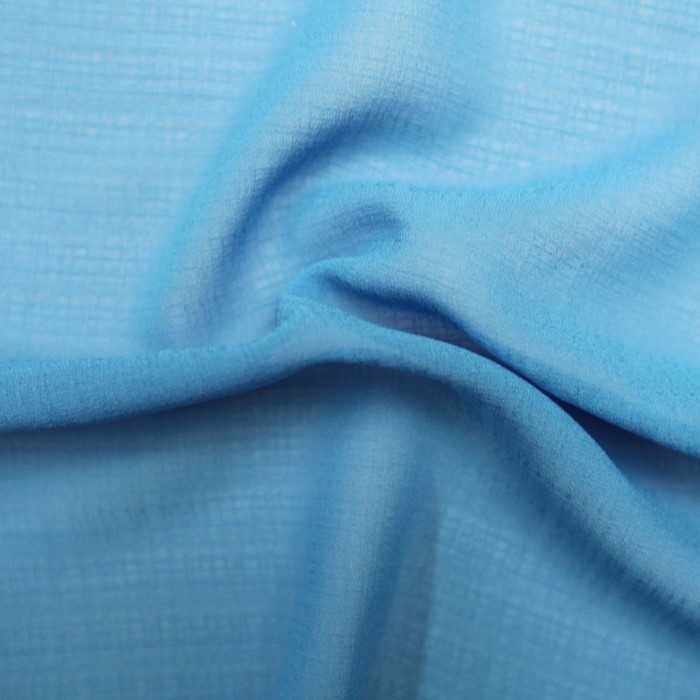
To understand the impact polyester may have on the skin, it is important to know what polyester is made of. Here are key elements to consider:
Chemical Structure
- Synthesis Process: Polyester is produced through a chemical process known as polymerization. This process involves chemically bonding numerous small molecules, called monomers, to create long, repeating chains known as polymers. These polymers form the foundation of polyester fibers.
- Formation of Fibers: As a result of this polymerization process, polyester fibers exhibit a unique arrangement that endows them with specific properties. The long chain structure contributes to the strength and durability of the fibers, making them suitable for a wide range of applications.
- Strength and Durability: The robust nature of polyester fibers means they can withstand significant tension and stress without breaking. This durability makes polyester a favored choice for various textiles that require longevity and resistance to wear.
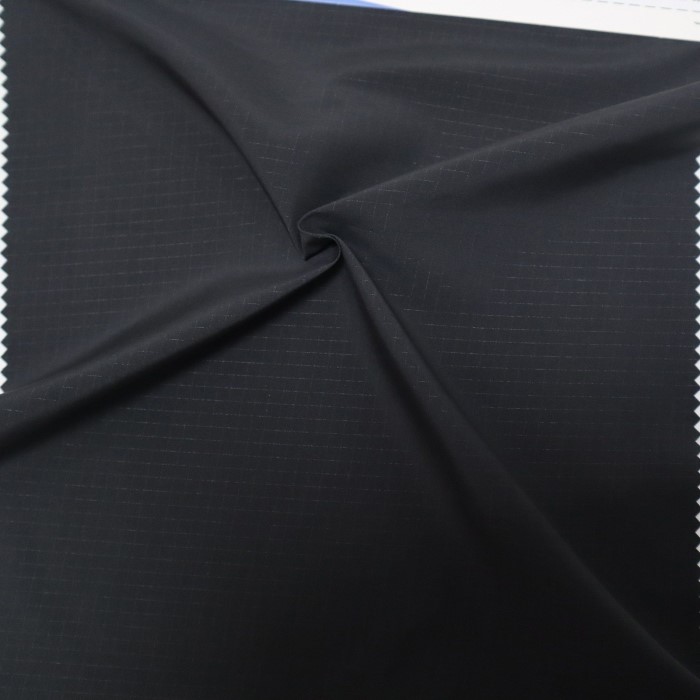
- Wrinkle Resistance: One of the standout features of polyester is its resistance to wrinkling. This property arises from its polymer structure, which maintains its shape even after being washed or packed away. As a result, garments made from polyester typically require less ironing, offering convenience to consumers.
- Versatile Applications: Due to its strength, durability, and versatility, polyester is extensively used in many textile applications. From clothing and upholstery to industrial materials, polyester’s unique properties cater to diverse consumer needs and market demands.
Common Variants
- Polyethylene Terephthalate (PET): The most prevalent form of polyester is polyethylene terephthalate (PET). PET is widely used in textiles and manufacturing due to its exceptional strength and affordability. It is the go-to choice for items such as clothing, bedsheets, and home furnishings.
- Recycled Polyester: With the increasing emphasis on sustainability, recycled polyester has gained popularity. This variant is produced using post-consumer plastic waste, such as water bottles, reducing landfill waste and lessening the environmental impact of polyester production.
- Blends with Other Fibers: Polyester is often blended with natural fibers like cotton or wool to enhance specific qualities. Blended fabrics can offer a desirable combination of the breathable comfort of natural fibers with the durability and moisture control of polyester. Examples include cotton-polyester blends commonly used in casual apparel.
- Specialty Polyester Variants: Other forms of polyester can include stretchable variants for activewear, flame-resistant types for work uniforms, or moisture-management textiles designed for athletic performance. These specialty products cater to specific needs in different markets, showcasing polyester’s adaptability.
Moisture Properties
- Moisture-Wicking Capabilities: One of the significant advantages of polyester is its moisture-wicking properties. This feature enables the fabric to draw sweat away from the skin’s surface and transport it to the exterior, where it can evaporate quickly.
- Reduced Discomfort During Activity: The ability to wick moisture away makes polyester particularly appreciated in athletic wear and activewear, as it helps keep the skin dry and reduces the chances of discomfort associated with sweaty fabrics. Athletes and fitness enthusiasts frequently choose polyester for their workout gear for this very reason.
- Enhanced Performance: In various sports and physical activities, staying dry can significantly impact performance. By effectively managing moisture, polyester supports better thermal regulation and overall comfort, allowing individuals to focus solely on their activities.
- Limitations in Saturated Conditions: While polyester excels in moisture-wicking, it’s worth noting that in extremely humid conditions, the fabric can become saturated and lose some effectiveness in moisture management. Athletes should consider this factor when selecting appropriate clothing for various weather conditions.
- Applications Beyond Clothing: Polyester’s moisture-wicking capabilities extend beyond athletic wear. It is also used in bedding and towels designed to keep individuals dry and comfortable, demonstrating versatility in its applications across different product categories.
Potential Skin Irritation and Sensitivity
Is polyester good for skin? While polyester has benefits, it also poses potential risks for certain individuals. Let’s explore these concerns in detail:
1. Allergic Reactions
- Sensitivity to Synthetic Fibers: Some people may experience skin allergies or sensitivities to polyester. Reactions can include itching, rashes, and general discomfort, especially in areas where the fabric is in direct contact with the skin.
- Importance of Testing: For individuals with sensitive skin or a history of allergies, it may be wise to conduct patch tests with polyester items before incorporating them into daily wear.
2. Breathability Issues
- Heat Retention: Polyester is not as breathable as natural fibers like cotton or linen. This characteristic can lead to sweating and heat accumulation, especially in warm weather. Some individuals may find this uncomfortable or may even trigger skin irritations.
- Risk of Sweating: For activities involving significant exertion, wearing polyester can lead to excessive sweating and discomfort. It’s essential to choose fabrics that offer both moisture-wicking and breathability to ensure the skin remains comfortable.
Benefits of Polyester for Skin
Despite its potential downsides, polyester offers several advantages worth considering:
1. Durability and Performance
- Long-lasting Fabric: Polyester is known for its exceptional durability. It withstands wear, tear, and abrasion better than many natural fibers, making it a cost-effective choice for clothing.
- Wrinkle Resistance: Another significant benefit of polyester is its resistance to wrinkles and creasing, which can help maintain the garment’s appearance over time.
2. Moisture Management
- Effective Wicking Properties: Polyester’s ability to wick moisture away from the skin can be particularly beneficial during high-intensity activities, such as running or exercising. Keeping the skin dry can reduce chafing and discomfort, making it an excellent choice for athletic wear.
- Low Maintenance: Polyester is easy to wash and dry, retaining its shape and size over repeated laundering. This ease of care encourages regular use of polyester garments.
The Role of Polyester in Activewear
Is polyester good for skin? In the fitness and sports world, polyester has come to symbolize performance and functionality:
Popular Among Athletes
- Comfort During Workouts: Athletes are increasingly choosing polyester clothing because it provides an exceptional level of comfort. The fabric is lightweight and designed to fit closely against the body without restricting movement, allowing athletes to perform at their best without feeling weighed down.
- Moisture Management: One of the primary reasons why polyester is favored by athletes is its moisture-wicking capabilities. This feature actively draws sweat away from the skin’s surface, promoting faster evaporation and keeping athletes dry, even during intense workouts. Staying dry helps prevent chafing, irritation, and discomfort.
- Versatile Design: Polyester clothing comes in a variety of styles and designs that cater to different sports and activities. Whether it’s running, cycling, or playing team sports, athletes can find polyester options that suit their specific needs while enhancing performance.
- Flexibility and Movement: Sports brands recognize the importance of flexibility in athletic wear. Consequently, many incorporate polyester blends that include other materials, such as spandex or elastane. This combination allows for a snug fit while providing the stretch needed for a full range of motion, helping athletes perform their movements more effectively.
- Durability and Longevity: Polyester garments are known for their durability, making them ideal for rigorous training sessions. They resist wear and tear better than many natural fibers, providing athletes with clothing that lasts through countless workouts and washing cycles.
Layers and Base Layers
- Functionality in Cold Climates: In colder weather conditions, layering is essential for maintaining body heat and comfort. Polyester serves as an excellent base layer due to its lightweight nature and insulating properties, making it ideal for individuals engaging in outdoor sports during the winter months.
- Moisture-Wicking Features: Polyester’s moisture-wicking abilities are especially beneficial as a base layer. When exercising outdoors in the cold, sweat can quickly turn into chill, leading to discomfort. Polyester effectively wicks away moisture from the skin, keeping the body dry and warm during physical activities.
- Temperature Regulation: The ability of polyester to help regulate body temperature is vital for outdoor athletes. By maintaining a consistent body temperature, polyester clothing allows athletes to focus on their performance rather than being distracted by temperature fluctuations or excessive sweating.
- Layering Options: As a base layer, polyester can easily be paired with other garments, such as insulating mid-layers and waterproof outer layers. This versatility in layering ensures that athletes can customize their outfits based on the season and activity intensity, promoting optimal performance in varying weather conditions.
- Comfort Against the Skin: The soft texture of polyester makes it comfortable for prolonged wear against the skin. Unlike some materials that can feel scratchy or irritating, polyester provides a gentle feel while effectively managing moisture and temperature, making it the preferred choice for base layers.
Alternatives to Polyester
For those concerned about potential irritation from polyester, alternative fabrics offer the following advantages:
1. Natural Fibers
- Cotton and Linen: Natural fibers such as cotton and linen are often recommended for sensitive skin. These fabrics are more breathable and less likely to cause irritation compared to synthetic materials.
- Bamboo Fabric: Bamboo-based textiles are gaining popularity in the skincare community. They provide inherent antimicrobial properties and exceptional softness, making them suitable for sensitive skin.
2. Blended Fabrics
- Cotton-Polyester Blends: Cotton-polyester blends combine the benefits of both fibers. This mix provides the softness of cotton and the durability of polyester, offering wearers a balance of comfort and longevity.
- Innovative Textiles: Advancements in textile technology have introduced new blends that offer breathability, moisture control, and comfort. Investigating options from ethical brands might provide alternative fabrics that prioritize skin health.
FAQ Section
What fabric is best for static electricity?
Natural fibers like cotton and linen generally produce less static electricity than synthetics. However, if you need to wear synthetic fabrics, consider anti-static treatments or garments specially designed to minimize static buildup.
Can electricity pass through polyester?
Polyester is a poor conductor of electricity. It tends to accumulate static charges rather than allow electricity to pass through, which can result in static cling.
Is polyester cloth anti-static?
Most polyester fabrics do not inherently possess anti-static properties. However, many manufacturers treat polyester fabrics with anti-static solutions to reduce static cling, particularly in clothing used for professional or formal environments.
Conclusion: Is Polyester Good for Skin?
After considering the various aspects, the answer to is polyester good for skin? remains nuanced. Polyester is an incredibly versatile fabric with distinct advantages in terms of durability and moisture management. However, it may pose challenges for individuals with sensitive skin or allergies. Recognizing the properties of different fabrics, including polyester, allows consumers to make informed clothing choices.
Evaluate your skin’s reactions to polyester and remain mindful of how fabrics impact your comfort and health. If you experience discomfort or irritation, consider opting for alternatives that may be more suitable for your skin’s needs. By understanding the attributes of polyester versus natural fabrics, you can make choices that align with both your lifestyle and skin health for a fulfilling wardrobe.