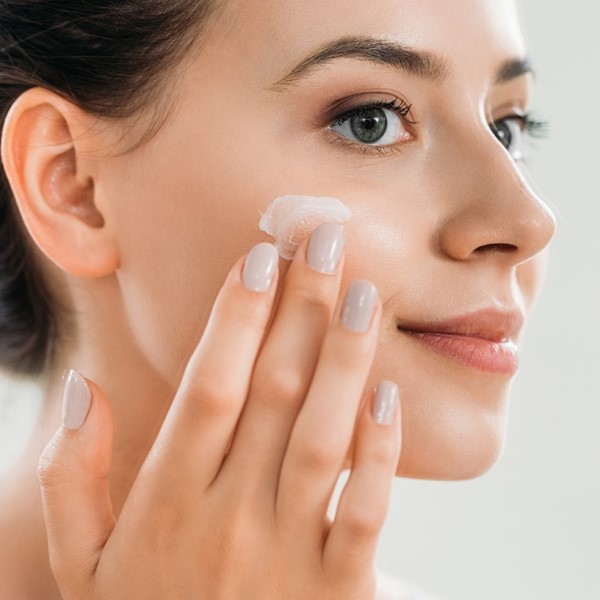
Is Hyaluronic Acid Good for Dry Skin? Discover Its Benefits!
Contents
hide
Introduction: Understanding Dry Skin and the Importance of Moisturization
Dry skin is a common condition that can result from various factors, including environmental changes, aging, and lack of moisture. Many individuals struggle to find effective skincare solutions to keep their skin hydrated, soft, and smooth. One ingredient that has gained significant attention in recent years is hyaluronic acid. So, is hyaluronic acid good for dry skin? Absolutely! In this article, we will explore the benefits of hyaluronic acid and how it can transform your skincare routine, especially for those dealing with dry skin.
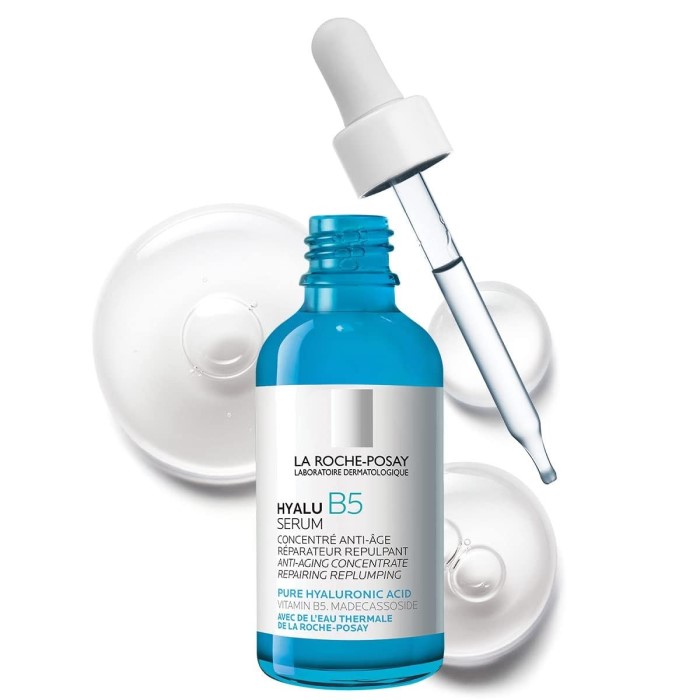
What is Hyaluronic Acid?
Hyaluronic acid is a naturally occurring substance in the human body. It is a glycosaminoglycan, a type of molecule composed of sugars that plays a crucial role in skin health. Known for its incredible ability to hold water, hyaluronic acid is a key component in hydration and maintaining the skin’s elasticity.
The structure and function of hyaluronic acid
Hyaluronic acid has a unique structure that allows it to bind water effectively. One molecule of hyaluronic acid can hold up to 1,000 times its weight in water. This ability makes it a powerful hydrating agent. It helps maintain proper moisture levels in the skin, keeping it plump and supple. Hyaluronic acid also aids in tissue repair and wound healing, contributing to overall skin health. Additionally, it plays a role in cushioning and lubricating joints, as it is a vital component of synovial fluid.
Where hyaluronic acid is naturally found in the body
Hyaluronic acid is distributed throughout the body, particularly in the skin, joints, and eyes. Approximately 50% of the body’s hyaluronic acid is found in the skin, where it works to attract and retain moisture. In joints, it acts as a lubricant, reducing friction and cushioning the bones. It is also present in the eyes, where it supports the maintenance of proper moisture and clarity. The presence of hyaluronic acid in these areas underscores its importance for overall health and hydration, particularly for those with dry skin concerns.

Why is Hyaluronic Acid Beneficial for Dry Skin?
Is hyaluronic acid good for dry skin? Hyaluronic acid is widely recognized as a game-changer for dry skin. Its unique properties make it an essential ingredient for hydration and skin health. People with dry skin can greatly benefit from its ability to restore and maintain moisture. Here’s why hyaluronic acid stands out:
Hydration properties of hyaluronic acid
Hyaluronic acid is a powerful humectant. It attracts moisture to the skin and binds water molecules. A single molecule of hyaluronic acid can retain up to 1,000 times its weight in water. This ability ensures your skin remains hydrated for longer. Using hyaluronic acid helps improve skin texture and eliminates dryness. It assists in creating a smoother, more supple complexion.
Even in dry conditions, hyaluronic acid works to pull moisture from the air. This process provides constant hydration. As a result, it prevents the tight, uncomfortable feeling that often accompanies dry skin. It not only helps manage dryness but also prevents further moisture loss.
Role in maintaining skin moisture and elasticity
Hyaluronic acid helps maintain the skin’s natural moisture barrier. It forms a protective layer, preventing water from escaping the skin’s surface. By locking in hydration, it promotes overall skin health and strengthens its resilience. This improves the skin’s elasticity and reduces the appearance of fine lines.
Regular use of hyaluronic acid can rejuvenate the skin. It leaves the skin firm, youthful, and glowing. Its role in boosting firmness also aids in reducing signs of aging. This combination of hydration and elasticity restoration makes hyaluronic acid incredibly effective for dry skin.
Incorporating hyaluronic acid into your skincare routine can transform your skin. It works to keep it hydrated, smooth, and elastic, making it a fundamental ingredient for tackling dry skin effectively.
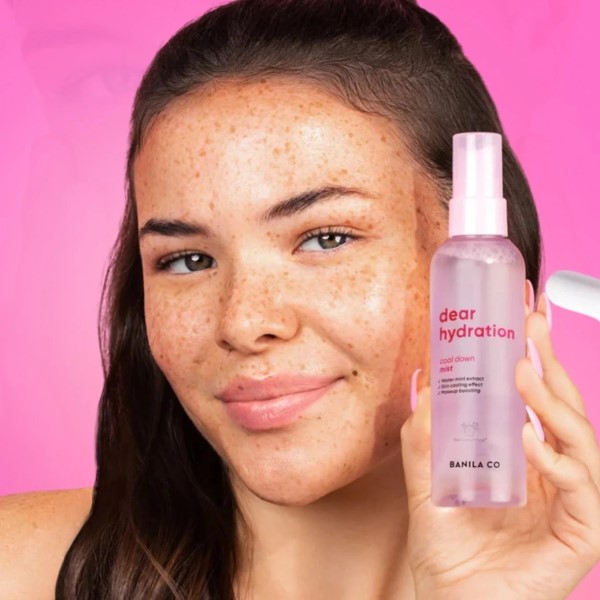
How Hyaluronic Acid Works on Dry Skin
Is hyaluronic acid good for dry skin? Hyaluronic acid is highly effective at combating dry skin. It addresses dehydration through several key mechanisms. These processes ensure that your skin stays hydrated and healthy.
Attracting and retaining moisture
One of hyaluronic acid’s greatest strengths lies in its ability to attract moisture. It acts as a humectant, drawing water from the environment and deeper skin layers. This water-retention capability helps replenish moisture, even in dry climates. With its unique structure, each hyaluronic acid molecule can hold 1,000 times its weight in water.
This process not only hydrates the outer layers of your skin but also keeps hydration locked in. By maintaining optimal moisture, hyaluronic acid reduces roughness and flakiness caused by dryness. It gives skin a plumper and smoother appearance. Even when exposed to environmental factors, hyaluronic acid provides consistent hydration.
Enhancing the skin barrier function
Hyaluronic acid strengthens the skin’s natural barrier. A healthy skin barrier is vital for keeping moisture in and irritants out. When applied, hyaluronic acid forms a protective layer over the skin. This layer works to lock in hydration and support the barrier’s integrity.
A robust skin barrier prevents water loss and reduces the effects of external stressors. This includes pollutants, dry air, and harsh weather conditions. Strengthened skin barriers also help prevent further irritation, keeping your skin calm and balanced. For those with dry skin, improving barrier function can significantly enhance overall skin health.
By focusing on drawing moisture and reinforcing the skin barrier, hyaluronic acid addresses the root causes of dry skin effectively. It supports long-term hydration and prevents recurring dryness. Including it in your skincare routine can lead to noticeable improvements in texture and comfort.
Forms of Hyaluronic Acid for Skincare
Hyaluronic acid is versatile and comes in different forms for skincare use. Each form caters to specific needs, offering varied benefits for dry skin.
Topical serums and creams
Topical serums and creams are popular skincare products featuring hyaluronic acid. These are designed to be applied directly to the skin. They deliver hydration to the outer layers of your skin and help lock in moisture. Serums are lightweight and fast-absorbing, making them ideal for layering with other products. Creams, on the other hand, are richer and provide additional protection for the skin barrier.
Using topical hyaluronic acid daily can reduce dryness. It improves skin texture and restores suppleness. Look for products with hyaluronic acid as a key ingredient and pair them with moisturizers to maximize hydration benefits.
Injectable hyaluronic acid treatments
Injectable hyaluronic acid treatments are performed by professionals. These are tailored to address deeper hydration and are commonly used in cosmetic procedures. Methods like dermal fillers use hyaluronic acid to add volume to the skin. They target areas such as wrinkles and hollow features, providing firmness and elasticity.
These treatments are effective for aging-related dryness or skin concerns. They offer longer-lasting results compared to topical products. However, injections require professional consultation and should only be done by licensed practitioners.
Both topical and injectable forms of hyaluronic acid are beneficial for dry skin. Selecting the most suitable form depends on your skincare goals and needs.
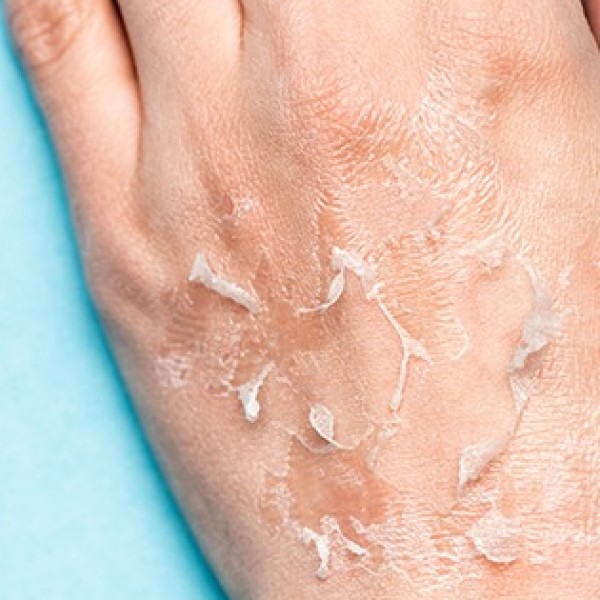
How to Incorporate Hyaluronic Acid into Your Skincare Routine
Is hyaluronic acid good for dry skin? Properly incorporating hyaluronic acid into your skincare routine ensures maximum hydration and skin benefits. Understanding its application and pairing it with suitable products is crucial.
Best practices for applying hyaluronic acid
Follow these best practices to enjoy the full benefits of hyaluronic acid:
- Start with clean skin: Wash your face with a gentle cleanser to remove dirt and oil.
- Apply to damp skin: Use hyaluronic acid on slightly damp skin to lock in more moisture.
- Use a few drops: Apply 2-3 drops to your face and gently pat it in.
- Seal with a moisturizer: After applying hyaluronic acid, use a moisturizer to lock in hydration.
- Use it twice daily: Apply once in the morning and once at night for consistent hydration.
- Protect skin during the day: Apply sunscreen to shield your skin after using hyaluronic acid in the morning.
Pairing hyaluronic acid with other skincare ingredients
Hyaluronic acid works well with complementary skincare ingredients. Consider these pairings to enhance results:
- Vitamin C: Brightens the skin and protects against damage when used with hyaluronic acid.
- Niacinamide: Boosts hydration, reduces redness, and supports a healthy skin barrier.
- Peptides: Help improve skin elasticity and work well with hyaluronic acid.
- Ceramides: Strengthen the skin barrier for improved moisture retention and protection.
- Retinol: Combine with hyaluronic acid to combat dryness and reduce signs of aging. Apply retinol first.
Avoid combining hyaluronic acid with harsh exfoliants or acids like glycolic acid. This prevents possible irritation. Consistently following these steps makes hyaluronic acid usage more effective for dry skin improvement.
Benefits of Regular Use of Hyaluronic Acid
Regularly using hyaluronic acid can significantly improve your skin’s health and appearance. Its hydrating power targets dryness while enhancing overall skin quality, addressing common skin concerns.
Reduction of dryness and flakiness
One major benefit of hyaluronic acid is its ability to reduce dryness and flakiness. As a powerful humectant, it draws moisture into the skin and locks it in place. This prevents water loss and ensures long-lasting hydration. With regular use, your skin becomes more moisturized and smooth.
Dry and flaky skin often feels tight and uncomfortable. Hyaluronic acid relieves these sensations by restoring moisture levels. By keeping your skin properly hydrated, it minimizes rough patches and restores softness. Over time, it helps achieve a healthier and more balanced complexion. For individuals with dry skin, this reduction in dryness is transformative.
Appearance of plumper and smoother skin
Hyaluronic acid enhances the skin’s natural volume and smoothness. Its ability to retain water gives the skin a plumper, more youthful look. Hydrated skin appears fuller and has fewer fine lines. This helps combat the visible signs of aging, such as dullness or wrinkles.
Using products with hyaluronic acid regularly improves skin texture. By maintaining consistent hydration, the skin becomes smoother and more even-toned. The plump effect also makes your complexion glow with vitality. It’s an effective way to achieve firmer and more elastic skin.
These benefits make hyaluronic acid a must-have for those seeking to combat dryness. It rejuvenates the skin, ensuring it looks and feels its best every day.
Potential Side Effects and Precautions
Hyaluronic acid is generally well-tolerated and safe for most skin types. However, some individuals may experience side effects or need to exercise caution when using products containing this ingredient. Understanding potential reactions and selecting the right product can help you enjoy its benefits safely.
Possible skin reactions
- Allergic reactions: Although rare, some people may experience redness or irritation after using hyaluronic acid.
- Breakouts: If not properly paired with suitable products, hyaluronic acid may lead to mild breakouts.
- Over-hydration: Excessive use can sometimes trap too much moisture, causing skin to feel swollen.
- Sensitivity to additives: Check product labels. Preservatives or fragrances added to some products may cause irritation.
If a reaction occurs, stop using the product immediately. Consult a dermatologist if symptoms persist.
Choosing the right product for your skin type
- For dry skin: Choose rich creams with hyaluronic acid to provide intense hydration and nourishment.
- For oily or acne-prone skin: Opt for lightweight, non-comedogenic hyaluronic acid serums. Avoid heavy, greasy products.
- For sensitive skin: Use fragrance-free and hypoallergenic products with hyaluronic acid to prevent irritation.
- For combination skin: Layer a hyaluronic acid serum under moisturizer for balanced hydration.
Always conduct a patch test before using a new product, especially if you have sensitive skin. Check for alcohol, dyes, or parabens in the ingredient list to avoid potential irritation.
By understanding potential side effects, taking precautions, and selecting the right products, you can enjoy the full benefits of hyaluronic acid without worries. This ensures that your skin stays healthy, hydrated, and free from unnecessary distress.
FAQs About Hyaluronic Acid and Dry Skin
Can hyaluronic acid completely cure dry skin?
Hyaluronic acid is not a complete cure for dry skin but is highly effective in managing it. It deeply hydrates and helps repair the skin’s moisture barrier. Regular use improves skin texture and reduces dry patches. However, underlying causes of dry skin, like medical conditions or environmental factors, need additional attention. Pairing hyaluronic acid with a holistic skincare routine yields the best results. It enhances hydration but is part of a broader approach for optimal skin health.
How long does it take to see results with hyaluronic acid?
Results from using hyaluronic acid can usually be seen quickly. Many people notice initial hydration within hours after application. For those with very dry skin, improvements in texture and smoothness can be visible within days. Consistent use over a few weeks greatly enhances skin elasticity and reduces dryness-related concerns. Using it daily ensures long-term benefits, keeping your skin hydrated and plumper over time. Combine it with complementary skincare products for better and sustained results.
Conclusion: Hydration Awaits with Hyaluronic Acid
Is hyaluronic acid good for dry skin? In conclusion, hyaluronic acid is indeed good for dry skin due to its exceptional moisture-retaining properties and ability to support skin health. By understanding how to incorporate this powerful ingredient into your daily skincare routine, you can experience significant improvements in hydration and skin texture. Remember to choose quality products, follow proper application techniques, and remain informed about the core benefits of hyaluronic acid. Embrace the journey to healthier skin as you unlock the potential of hyaluronic acid in combating the effects of dryness.