Is Aloe Vera Good for Dry Skin? Effective Ways to Use It!
Introduction to Aloe Vera and Its Benefits for Dry Skin
Aloe vera has long been heralded as a natural remedy for various skin issues. Known for its soothing and hydrating properties, many wonder: is aloe vera good for dry skin? This question is particularly relevant for individuals who struggle with persistent dryness or conditions like eczema. In this article, we’ll delve into the benefits of aloe vera specifically for dry skin, how to incorporate it into your skincare routine, and address frequently asked questions about this versatile plant. By the end, you’ll understand why aloe vera is a must-have for anyone seeking to maintain hydrated and healthy skin.
Nutritional Profile of Aloe Vera
Rich in Vitamins and Minerals
- Essential Nutrients for Skin Health:
- Aloe vera is renowned for being packed with vital vitamins and minerals that play a crucial role in maintaining skin health. Among these, vitamins A, C, and E are particularly noteworthy for their protective properties.
- These vitamins are rich in antioxidants, which help protect the skin from damage caused by free radicals. Free radicals, often generated by factors such as pollution and UV radiation, can accelerate skin aging and contribute to various skin issues.
- Antioxidant Benefits:
- Vitamins A, C, and E are well known for their antioxidant functions. Vitamin A promotes cell turnover, helping to keep the skin looking fresh and youthful. Vitamin C aids in collagen production, essential for maintaining skin elasticity and firmness. Vitamin E provides moisture and helps protect skin cells from oxidative stress.
- Together, these antioxidants work synergistically to reduce the risk of premature aging while enhancing the skin’s overall appearance.
- B Vitamins and Their Role:
- In addition to the primary vitamins mentioned, aloe vera also contains important B vitamins, including B12, which contributes to maintaining healthy skin.
- B vitamins help in cell metabolism and are essential for skin repair, ensuring that the skin stays nourished and vibrant.
- Mineral Content:
- Besides vitamins, aloe vera is also rich in key minerals such as zinc, magnesium, and calcium. Zinc is vital for wound healing and helps to regulate oil production, making it beneficial for acne-prone skin. Magnesium supports skin hydration and prevents dryness, while calcium aids in cell renewal.
- This combination of vitamins and minerals in aloe vera makes it a powerhouse for promoting skin health and maintaining hydration.
High Water Content
- Natural Hydration:
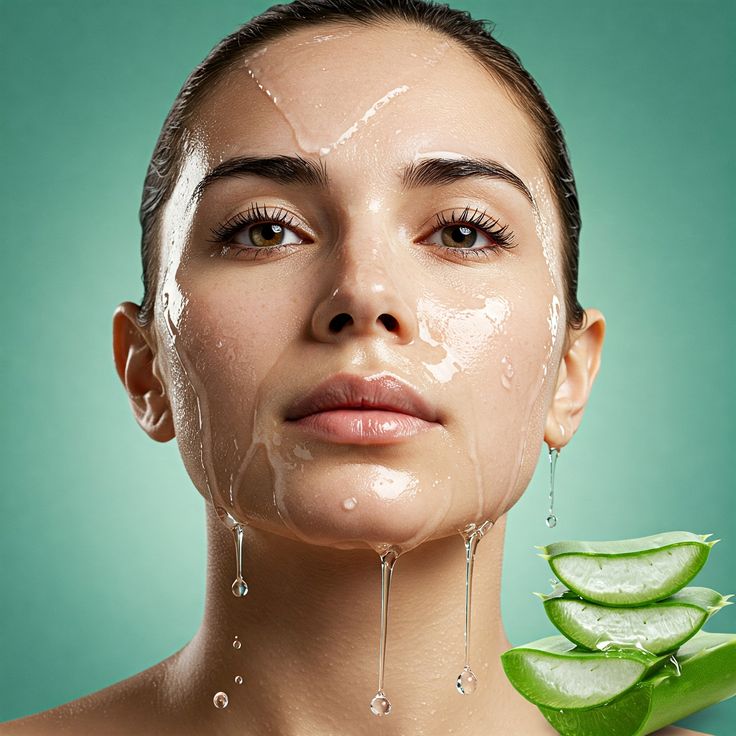
- Is aloe vera good for dry skin? One of the most impressive features of aloe vera is its high water content, which is approximately 99%. This high water content makes it an excellent natural hydrator for the skin.
- When used topically, aloe vera can deliver moisture directly to the skin cells, helping to quell dryness and alleviate discomfort associated with dry skin conditions.
- Benefits for Dry Skin Conditions:
- The hydrating nature of aloe vera makes it particularly beneficial for individuals suffering from dry skin. By providing an immediate source of moisture, aloe vera helps to soothe parched skin and promote a soft, supple texture.
- This immediate hydration can help with other skin issues, such as flakiness, tightness, and irritation, leading to an overall improvement in the skin’s health and appearance.
- Enhancing Skin Elasticity:
- The water-rich composition of aloe vera promotes skin elasticity, making it an excellent choice for maintaining youthful skin. As skin loses moisture, it can become less elastic, leading to sagging and fine lines.
- Regular application of aloe vera can help to counteract these effects, fostering a firmer and more resilient skin texture.
- Lightweight Feel:
- Unlike many heavy moisturizers, aloe vera absorbs quickly into the skin without leaving a greasy residue. This lightweight nature makes it suitable for all skin types, including oily or combination skin, ensuring that everyone can enjoy its hydrating benefits.
- The non-greasy feeling also allows aloe vera to be layered under other skincare products, enhancing its use in daily beauty routines.
Anti-Inflammatory Properties
- Soothing Compounds:
- Aloe vera contains several anti-inflammatory compounds, such as anthraquinones and acemannan. These compounds are responsible for aloe vera’s well-known soothing properties, making it effective for calming irritation.
- When applied to dry, red, or inflamed skin, these compounds can help calm the skin, reducing redness and promoting a more even skin tone.
- Benefits for Specific Skin Conditions:
- The ability of aloe vera to reduce inflammation makes it particularly beneficial for individuals suffering from skin conditions like psoriasis or eczema. These conditions often involve a compromised skin barrier, leading to increased inflammation and discomfort.
- By using aloe vera, individuals can relieve symptoms, promote healing, and restore the skin’s natural barrier function.
- Healing and Repair:
- Aloe vera is not just an anti-inflammatory; it also promotes healing and repair of damaged skin. This property is helpful when treating wounds, cuts, and burns, further highlighting its versatility as a natural remedy.
- Regular application of aloe vera can enhance overall skin health and help in the recovery process from various skin irritations.
- Holistic Skin Health:
- By addressing inflammation and providing hydration, aloe vera contributes to holistic skin health. This approach enables the skin to regain balance, reducing the likelihood of future dryness and irritation.
- Using aloe vera regularly can lead to a healthier complexion, making it a valuable addition to any skincare routine.
Why Aloe Vera is Good for Dry Skin
- Restoration of the Skin Barrier:
- Is aloe vera good for dry skin? The skin barrier plays a critical role in maintaining moisture levels. Aloe vera helps restore and strengthen this barrier, preventing further moisture loss. Individuals with dry skin often experience a weakened barrier, and aloe vera can aid in repairing it.
- By reinforcing the skin barrier, aloe vera helps lock in moisture and protect against environmental irritants that can exacerbate dryness.
- Enhances Healing and Repair:
- Aloe vera is well-known for its wound-healing properties. It promotes cell regeneration, making it effective for healing dry, cracked skin and accelerating recovery.
- Applications of aloe vera can lead to smoother and healthier skin over time, making it an excellent option for individuals dealing with persistent dryness or irritation.
- Hydration Without Greasiness:
- Unlike many traditional moisturizers, aloe vera provides hydration without a greasy residue, making it ideal for all skin types, including oily or combination skin. This attribute allows for easy integration into daily skincare routines.
- The lightweight nature of aloe vera means it can be layered with other products without feeling heavy, which is particularly advantageous for those with acne-prone skin.

Effective Ways to Use Aloe Vera for Dry Skin
Pure Aloe Vera Gel Application
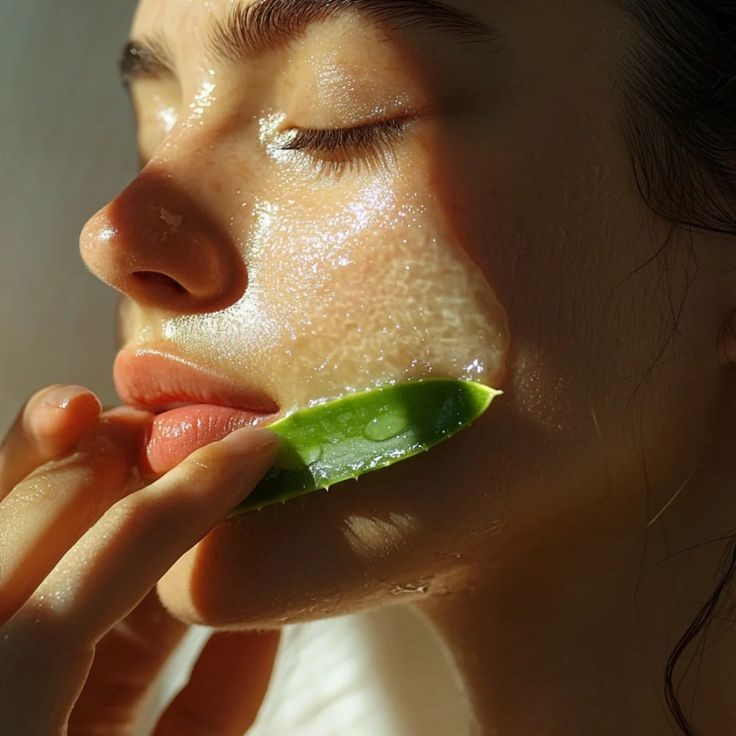
- Direct Application: One of the most straightforward and effective methods to utilize aloe vera is by applying pure aloe vera gel directly onto dry skin. This method allows for targeted care where the skin needs it the most.
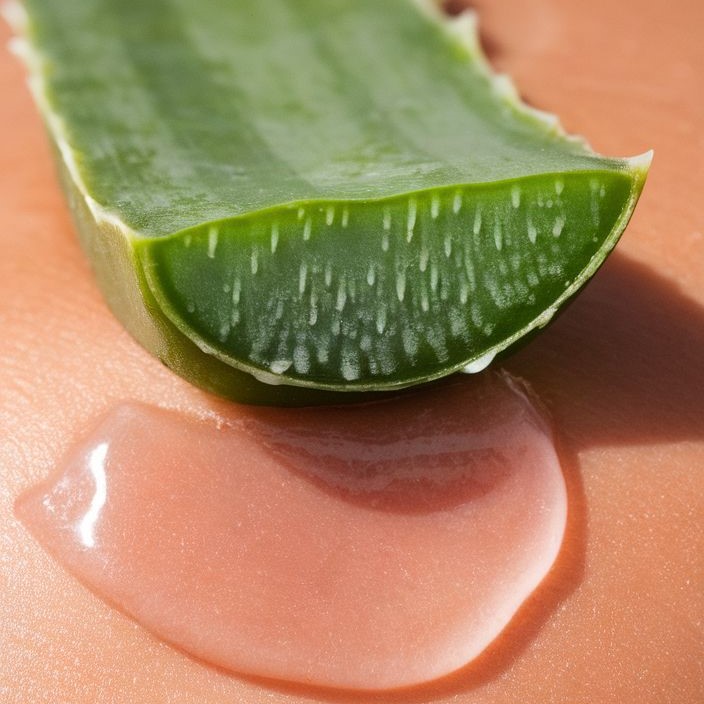
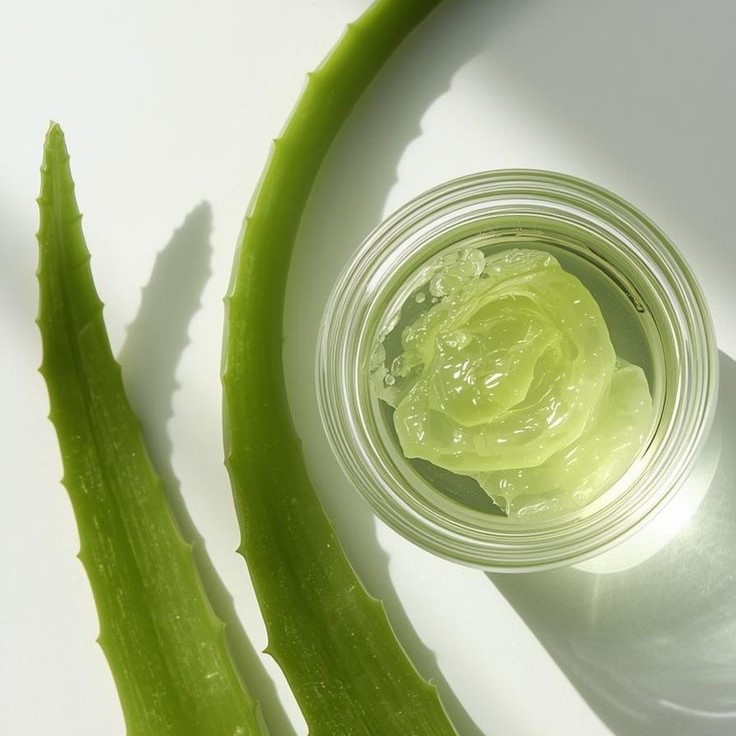
- Extraction and Purchase: You can easily extract fresh gel from a mature aloe vera leaf by cutting it open and scooping out the inner gel. Alternatively, for convenience, you can also purchase high-quality pre-packaged aloe vera gels that are designed for skin application.
- Method of Application: After ensuring that your skin is clean, apply a generous amount of aloe vera gel to the affected dry areas. Allow the gel to thoroughly absorb into the skin. This direct application offers immediate moisture and relief to specific spots, making it highly effective.
Aloe Vera in Moisturizers
- Choosing the Right Products: When selecting moisturizers, look for those that list aloe vera as a primary ingredient. These products harness the hydrating benefits of aloe and often include additional nourishing compounds that enhance overall skin health and appearance.
- Benefits of Aloe-Enriched Moisturizers: Using aloe vera-infused moisturizers can provide long-lasting hydration throughout the day. This is especially beneficial for individuals who struggle with dry, flaky skin, as these moisturizers help to lock in moisture and create a protective barrier.
Homemade Aloe Vera Masks
- Creating a Hydrating Mask: A simple yet effective face mask can be made by mixing pure aloe vera gel with natural ingredients like honey or yogurt. Honey not only adds extra moisture but also possesses antibacterial properties, while yogurt offers gentle exfoliation, helping to remove dead skin cells.
- Application Process: Apply the mixture evenly to your face and let it sit for about 15-20 minutes. After the time has elapsed, rinse your face thoroughly with lukewarm water. This nourishing treatment can help rejuvenate dry skin, making it feel soft, refreshed, and revitalized.
Incorporating into Smoothies or Juices
- Internal Health Benefits: For those looking to improve their hydration levels from within, adding aloe vera juice or gel to smoothies is a great option. This method supports overall health and hydration, complementing the external applications of aloe.
- Safety Considerations: It is crucial to ensure that the aloe products you use for consumption are food-grade. Products intended for topical use may contain additives or compounds that are not safe for ingestion, so always verify the label before adding aloe to your diet.
Common Questions About Aloe Vera for Dry Skin
How to use aloe vera for dry skin?
Aloe vera can be used by applying pure gel directly to dry areas. Incorporating it into moisturizers, or using it in homemade masks for enhanced hydration.
Can aloe vera repair dry skin?
Yes, aloe vera can help repair dry skin by restoring the moisture barrier, promoting skin healing, and providing anti-inflammatory benefits.
Is aloe vera good for dryness?
Absolutely! Aloe vera is known for its hydrating properties. Making it an excellent remedy for dry skin and associated conditions.
When not to use aloe vera?
Avoid using aloe vera if you have a known allergy to it or if you experience any irritation after application. Consult a dermatologist if symptoms persist.
Conclusion: Embrace Aloe Vera for Hydrated Skin
In conclusion, is aloe vera good for dry skin? The evidence strongly indicates that it is immensely beneficial. With its high content of vitamins, moisture, and soothing properties, aloe vera stands out as a natural remedy for improving dry skin conditions. By incorporating aloe vera into your skincare routine—be it through pure application, formulations, or homemade masks—you can enjoy significant hydration and skin health benefits. Always remember to monitor your skin’s reactions and consult professionals if you encounter any adverse effects. With its numerous advantages, aloe vera is a staple worth considering for anyone struggling with dry skin. Celebrate the natural healing power of aloe vera and elevate your skincare routine for healthier, more vibrant skin!