Are Bamboo Sheets Good for Your Skin? A Trendy Sleep Choice
Introduction: The Growing Popularity of Bamboo Sheets
In recent years, bamboo sheets have surged in popularity as a trendy choice for bedding. With more and more people seeking sustainable and eco-friendly options, the question arises: are bamboo sheets good for your skin? This inquiry is vital, particularly for those who prioritize skin health or suffer from skin conditions. Bamboo sheets are often praised for their soft feel and breathability. But beyond comfort, we need to explore their properties and the potential benefits they offer to skin health. This article aims to provide a thorough understanding of bamboo sheets, their advantages, and how they stack up against cotton and other fabrics.
Understanding Bamboo Sheets: What Makes Them Unique?
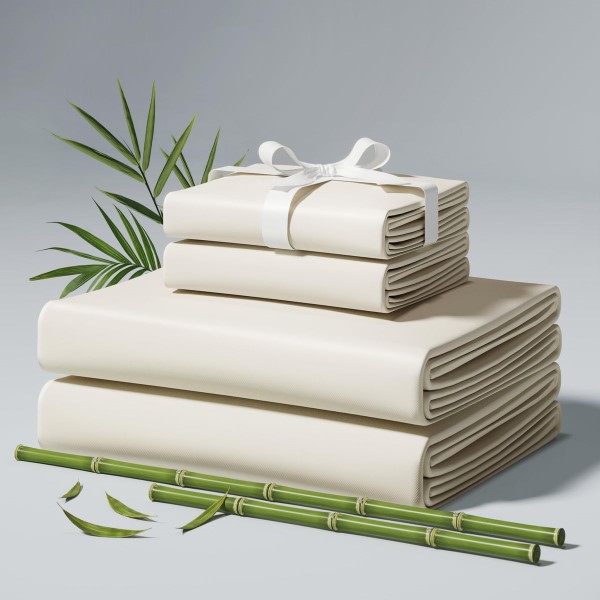
Bamboo sheets are crafted from the fibers of the bamboo plant, which undergo a unique process to transform the raw materials into a soft, breathable fabric. This transformation can involve either mechanical or chemical approaches, leading to two primary types: bamboo lyocell and bamboo viscose. Regardless of the method, bamboo sheets generally exhibit exceptional softness, often compared to silk or high-thread-count cotton.
One of the critical features of bamboo sheets is their exceptional breathability. They allow for increased airflow compared to many traditional materials. This can lead to a cooler sleeping experience, especially beneficial for individuals who tend to feel warm during the night. Additionally, bamboo fibers possess natural moisture-wicking properties, drawing sweat away from the body and helping to regulate temperature.
Are Bamboo Sheets Good for Your Skin?
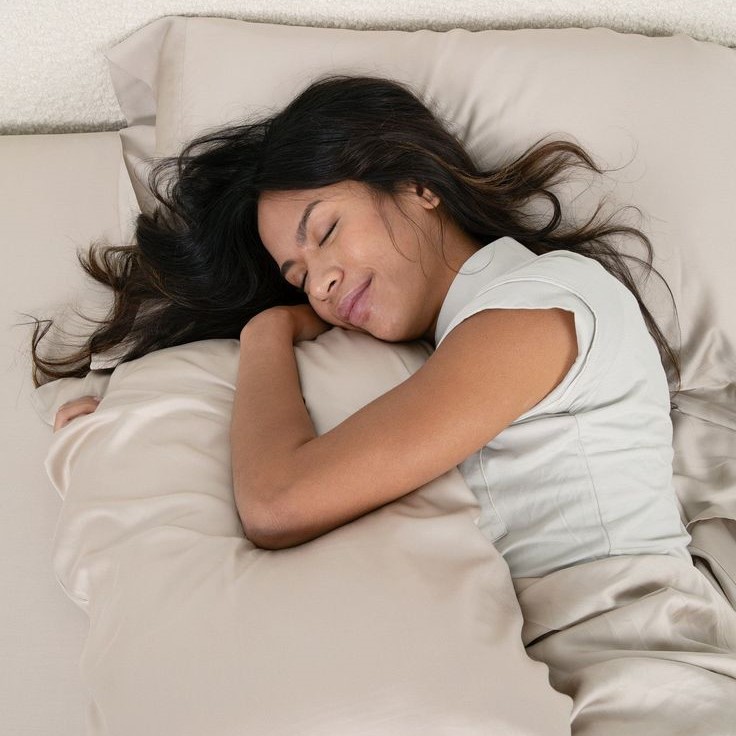
For many consumers, the primary concern when selecting bedding revolves around skin health. Are bamboo sheets good for your skin? The answer is generally affirmative. Bamboo sheets are typically hypoallergenic, meaning they are less likely to provoke allergic reactions. For those with sensitive skin, this quality is crucial, as harsh materials can lead to irritation, redness, or breakouts.
Bamboo sheets are also naturally antibacterial, which helps to minimize the presence of harmful bacteria and allergens like dust mites. This property creates a cleaner sleeping environment, reducing the risk of skin infections or irritations. Moreover, the moisture-wicking properties of bamboo can help keep skin dry and comfortable, further minimizing the chance of developing rashes or acne.
Some users report improved skin conditions after switching to bamboo sheets. Many suggest that their skin feels smoother and more hydrated when they sleep on bamboo, attributed to the fabric’s ability to maintain balanced moisture levels.
The Benefits of Bamboo Sheets for Your Skin
Let’s outline some notable benefits of bamboo sheets regarding skin health:
- Hypoallergenic Nature: Bamboo fibers are less likely to cause rashes or irritations, making them suitable for those with allergies or skin sensitivities. Users often find these sheets more comfortable than traditional fabrics.
- Breathability: The unique structure of bamboo fibers elevates airflow, reducing overheating during sleep. This feature helps prevent sweat-related skin issues like acne or irritation.
- Moisture Management: Bamboo sheets naturally wick away moisture, helping to keep your skin dry and preventing excessive sweating that can lead to skin problems.
- Antibacterial Properties: Bamboo sheets can fight common allergens such as dust mites and molds. This fact is crucial for consumers with allergies, as it creates a healthier sleeping environment.
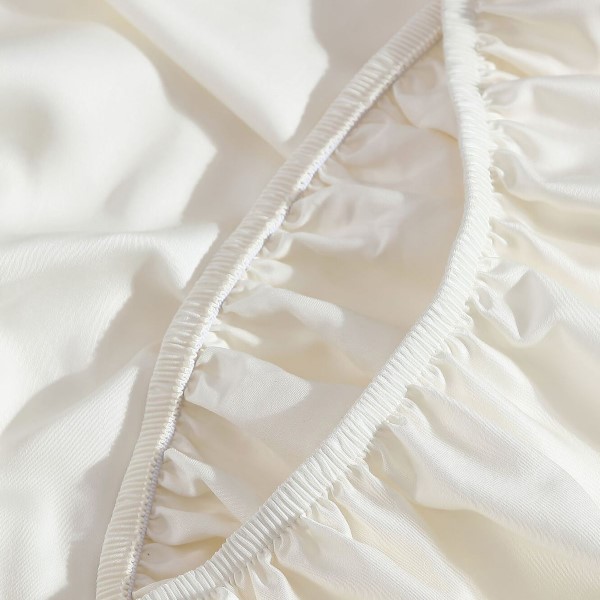
- Softness: Compared to cotton or polyester sheets, bamboo sheets are significantly softer. This gentle texture reduces friction against the skin, minimizing the potential for irritation.
Bamboo vs. Cotton: Which is Better for Your Skin?
The comparison between bamboo and cotton bedding remains a hot topic among consumers. Is it better to sleep on cotton or bamboo sheets? Each material has its strengths, but bamboo offers distinct advantages, especially for those focused on skin health. While high-quality cotton sheets can be soft, cotton often undergoes significant chemical treatment during production. These chemicals can sometimes bother sensitive skin.
On the other hand, bamboo sheets tend to be more sustainable, requiring fewer pesticides and chemicals in their cultivation. This eco-friendly nature often translates to a fabric that is gentler on the skin. Notably, the moisture-wicking ability of bamboo typically surpasses that of cotton, helping to keep the skin cooler and drier throughout the night.
However, personal preferences can influence this choice greatly. Some people may prefer the traditional feel and texture of cotton. It ultimately boils down to individual comfort and skin requirements.
Choosing the Right Bamboo Sheets: What to Look For
When considering whether bamboo sheets are the right fit for your bedding, several key factors should be taken into account:
Thread Count
- Optimal Range: When selecting bamboo sheets, it’s important to consider the thread count, which typically ranges between 300 to 500. This is generally deemed the sweet spot for achieving a comfortable balance of durability, softness, and breathability.
- Higher Thread Counts: While higher thread counts can suggest a softer fabric, they do not always guarantee enhanced comfort. Beyond a certain point, specifically over 500 thread counts, the benefits may plateau or even diminish. This is due to the tighter weave potentially reducing breathability, which is one of the crucial benefits of bamboo fabric.
- Comfort Balance: Therefore, when evaluating thread count, it’s essential to find a balance that ensures softness without compromising other features that contribute to a good night’s sleep, such as temperature regulation and moisture management.
Material Composition
- 100% Bamboo: Always look for sheets labeled as made from 100% bamboo. Pure bamboo fabric retains the natural properties that make it hypoallergenic, breathable, and moisture-wicking.
- Blended Fabrics: Be cautious of sheets marketed as bamboo but made from a blend of bamboo and other materials. Such blends can diminish the effectiveness of the bamboo’s natural benefits. For example, fabrics mixed with polyester may reduce breathability and moisture-wicking capabilities.
- Impact on Skin Health: The purity of bamboo sheets plays a significant role in their effectiveness for individuals with sensitive skin or allergies. Sheets with synthetic additives may lead to skin irritation and other issues, thus compromising the primary benefits.
Certification
- Organic Certification: Opt for bamboo sheets that are certified organic. This certification is a strong indicator that the bamboo was grown without harmful pesticides or fertilizers and that the production process adheres to environmentally friendly standards.
- Environmental Impact: Choosing certified organic sheets not only benefits your skin but also supports sustainable farming practices. This ensures less environmental damage, contributing to a healthier planet.
- Quality Assurance: Certified organic products often undergo stringent testing and quality control, providing additional assurance regarding the safety and durability of the bedding you choose.
Care Instructions
- Gentle Washing: Proper maintenance is crucial for extending the lifespan of your bamboo sheets. It’s advisable to wash them on a gentle cycle using cool or lukewarm water to avoid damage to the fibers.
- Avoid Harsh Detergents: When washing bamboo sheets, steer clear of harsh detergents or bleach, as these can strip away the fabric’s natural properties. Instead, opt for mild detergents designed for delicate fabrics to preserve softness and hypoallergenic qualities.
- Drying Tips: Ideally, hang bamboo sheets to dry or use a low heat setting in the dryer. High heat can cause shrinkage and damage the fibers, which can diminish the sheets’ lifespan and comfort.
- Storage Recommendations: Additionally, when storing your bamboo sheets, ensure they are kept in a cool, dry place to prevent moisture build-up, which can lead to mildew or mold development. Proper care and storage will ensure your sheets remain in great condition for years to come.
Downsides to Consider: What Are the Disadvantages of Bamboo Sheets?
While bamboo sheets come with an array of advantages, potential downsides should also be considered. One common concern is: what is the downside of bamboo sheets? Here are a few considerations:
- Cost: Higher-quality bamboo sheets often come with a higher price tag compared to standard cotton sheets. While they can be considered an investment for skin health, the initial expense may not be feasible for everyone.
- Maintenance: Bamboo sheets frequently require more delicate care compared to traditional cotton. Washing in hot water can damage the fibers and lead to a decrease in their properties.
- Wrinkling: Bamboo sheets can wrinkle more easily than cotton sheets. If appearance is a major concern, this could be a factor when making a decision.
Despite these challenges, many users find bamboo sheets to be a worthwhile investment, especially for long-term comfort and skin health.
FAQ Section
Are bamboo sheets good for skin?
Yes, bamboo sheets tend to be hypoallergenic, antimicrobial, and moisture-wicking, making them suitable for sensitive skin.
What kind of sheets are best for your skin?
Bamboo sheets and high-quality cotton sheets are often recommended for sensitive skin as they tend to be gentler and more breathable.
Conclusion: Is Switching to Bamboo Sheets Right for You?
In conclusion, the benefits of bamboo sheets for skin health are compelling. Their hypoallergenic, moisture-wicking, and antibacterial properties make them an excellent choice for individuals concerned with comfort and skin issues. While the debate between cotton and bamboo sheets continues, the unique advantages of bamboo—especially regarding skin health—cannot be ignored.
If you are still contemplating whether are bamboo sheets good for your skin, the evidence suggests they can significantly enhance your sleep experience while promoting healthier skin. Transitioning to bamboo sheets could be a simple yet effective solution for achieving both comfort and improved skin quality.