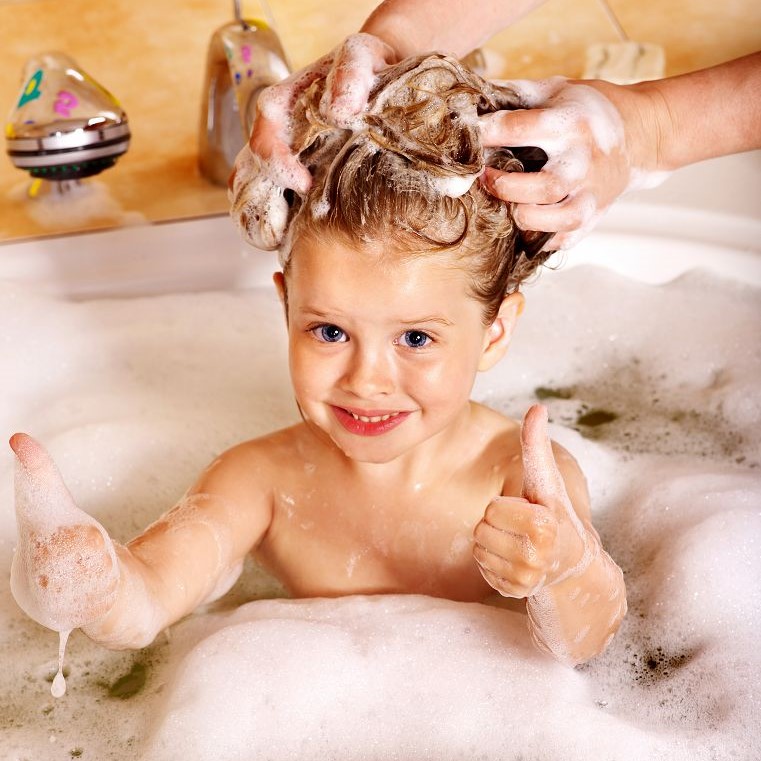
Innovative Skin Care for Kids: Products Every Parent Needs
Introduction
When it comes to the delicate skin of children, choosing the right products is crucial. Parents often wonder about the best practices for skin care for kids, and with the rise of innovative solutions on the market, it can be challenging to navigate this terrain. In this article, we will discuss essential products every parent needs, providing insights into gentle skin care specifically designed for children. By the end, you will be equipped with knowledge to select safe and effective products for your little one.
Understanding Children’s Skin
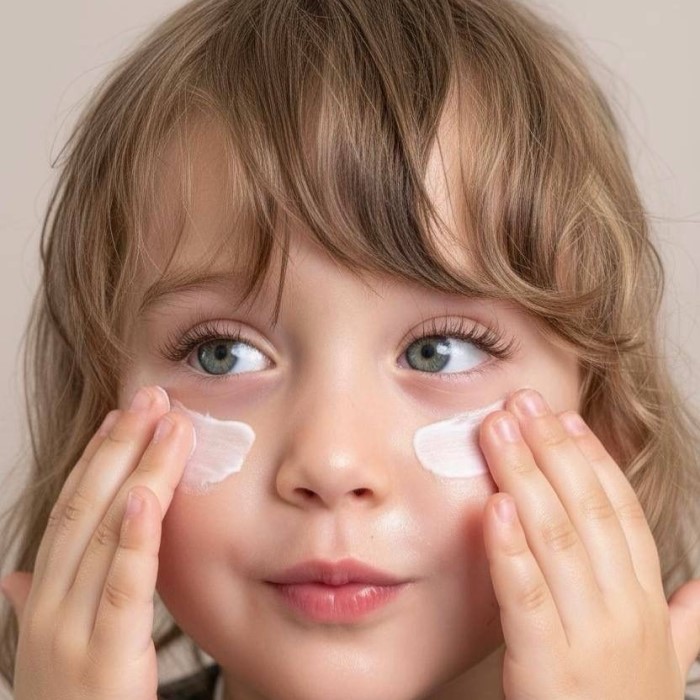
The skin of children is notably different from that of adults. It is thinner, more sensitive, and more susceptible to various environmental factors. Children have a natural barrier that protects their skin, but this barrier can be easily compromised. Understanding this unique characteristic is the first step toward implementing effective skin care. Products designed for children’s sensitive skin should ideally be fragrance-free, hypoallergenic, and formulated without harsh chemicals. This ensures their delicate skin remains protected and healthy.
Essential Ingredients for Children’s Skin Care
When choosing products, look for ingredients that nurture and protect a child’s skin. Ingredients such as aloe vera, calendula, and chamomile are known for their soothing properties. Products featuring natural oils like coconut or jojoba oil are excellent for moisturizing and protecting against dryness. Furthermore, avoid products that contain alcohol, sulfates, and parabens, which can irritate a child’s sensitive skin. Parents should focus on the safety and efficacy of the ingredients when selecting skin care for kids.
Must-Have Skin Care Products for Kids
As a parent, it can be overwhelming to choose from the vast array of products available. Here’s a list of must-have skin care for kids that every parent should consider:

Gentle Cleansers:
When selecting a cleanser for children’s skin, prioritize gentle, soap-free options that maintain the skin’s delicate balance.
These types of cleansers are formulated to clean without harsh chemicals, ensuring that the skin retains its natural oils, which are essential for maintaining moisture and preventing irritation.
Look for ingredients that are hydrating and soothing, such as aloe vera or chamomile, to help calm the skin during the cleansing process.
Moisturizers:
A high-quality moisturizer is fundamental in maintaining hydration in children’s skin, which can be sensitive and more prone to dryness.
Opt for products that are fragrance-free, as added fragrances can lead to allergic reactions or irritations in young, sensitive skin.
Consider lotions or creams that contain beneficial ingredients like shea butter or glycerin, which help lock in moisture and provide a protective barrier.
Sunscreen:
Protecting children from harmful UV radiation is essential, even on cloudy days or during winter months.
Choose a mineral-based sunscreen that features physical blockers like zinc oxide or titanium dioxide, as these are typically safer for sensitive skin and less likely to cause irritation compared to chemical sunscreens.
Ensure the sunscreen has a broad-spectrum protection rating and an SPF of at least 30, reapplying it every two hours during outdoor activities.
Lip Balm:
To prevent young lips from becoming dry or cracked, consider using a natural lip balm that is free from synthetic toxins and irritants.
Look for ingredients such as beeswax, coconut oil, or sunflower seed oil, which can provide hydration and form a barrier against environmental elements.
Encourage regular application, especially during dry or cold weather, to keep lips soft and healthy.

Healing Ointment:
For children who are prone to dry patches or minor cuts, utilizing a healing ointment can be very beneficial in providing additional nourishment and protection to the affected areas.
Healing ointments that contain ingredients like allantoin or vitamin E can help soothe irritation and promote the healing process while creating a protective barrier against further injury.
Keep a small tube or jar handy for quick access during playtime, sports, or outdoor activities to ensure that children’s skin remains protected and cared for at all times.
What Skincare is Best for Children?
The best skincare for children is simple, gentle, and effective. Focus on products that cater to their unique skin needs, prioritizing natural ingredients. Look for brands that specialize in children’s skincare and offer products tested for safety and effectiveness. Consulting with a pediatric dermatologist can also help guide you in selecting the best products tailored to your child’s specific skin type.
Age-Appropriate Skin Care Routines
Children of different ages have varying skincare needs.
Skincare for a 10-Year-Old
- Transitioning to Pre-Teens: At the age of 10, children are moving into the pre-teen stage, where they might begin to face various changes in their bodies, including hormonal shifts.
- Importance of a Basic Routine: It is advisable to implement a basic skincare routine during this time to help manage potential skin changes effectively.
- Cleansing: A gentle cleansing regimen should be introduced, ideally cleansing the face once or twice a day to keep the skin clean and remove impurities.
- Moisturization: Using a lightweight moisturizer is crucial to maintaining skin hydration, which can help keep the skin healthy and prevent dryness.
Should a 7-Year-Old Have a Skincare Routine?
- Yes, It’s Beneficial: Introducing a simple skincare routine at the age of 7 is highly beneficial for establishing lifelong healthy habits.
- Gentle Products: Utilizing a gentle cleanser and a mild moisturizer can effectively cater to the delicate skin of a child, ensuring they receive the care they need without irritation.
- Emphasizing Sun Protection: Teaching children the importance of sun protection from an early age is essential; applying sunscreen daily can help protect their skin from potential damage due to UV exposure.
What Skin Care Can a 9-Year-Old Use?
- Focus on Hydration and Protection: Skincare products appropriate for a nine-year-old should primarily focus on hydration and protection of the skin.
- Recommended Products: Gentle cleansers, nourishing moisturizers, and broad-spectrum sunscreens are essential components of a skincare routine for this age group.
- Avoid Strong Actives: It is advisable to avoid strong active ingredients such as acids or retinoids until the child is older, as their skin is still developing and sensitive.
The Importance of Sunscreen
Essential for All Ages
Sunscreen is crucial for individuals of all ages, from infants to the elderly.
Regardless of skin type or color, everyone can benefit from sun protection to prevent damage.
Children’s Skin Vulnerability
Young children’s skin is particularly delicate and more susceptible to harmful UV rays.
Sun damage can lead to immediate issues like sunburns as well as long-term effects such as skin cancer later in life.
Choosing the Right Sunscreen
Parents should select a broad-spectrum sunscreen that protects against both UVA and UVB rays.
It is recommended to use a sunscreen with a minimum SPF of 30 for adequate protection.
Application Guidelines
Apply sunscreen generously and evenly on all exposed skin before outdoor activities, ensuring full coverage.
Reapply sunscreen every two hours, or more frequently if swimming or sweating.
Teaching Sun Safety Practices
It is crucial to educate children about the importance of sun safety beyond just using sunscreen.
Encourage kids to wear protective clothing such as hats, sunglasses, and lightweight, long-sleeved shirts.
Teach them to seek shade during peak sun hours, typically between 10 AM and 4 PM, to reduce exposure.
Complementary Sun Protection Measures
Combining sunscreen with other sun protection strategies enhances overall effectiveness.
Create a comprehensive sun safety plan for family outings, ensuring everyone knows their role in protecting against UV radiation.
Lifelong Habits
Instilling sun safety habits in children at a young age can lead to lifelong skin protection behaviors.
Promoting awareness and consistent sunscreen use can significantly lower the risk of long-term skin damage and health issues.
Establishing a Routine
- Making Skincare Fun: A skincare routine can be an enjoyable experience for children. By presenting it in a playful way, you can capture their interest and enthusiasm.
- Involving Kids in Product Selection: Let your children participate in choosing their skincare products. This not only gives them a sense of ownership but also helps them understand the purpose of each product.
- Incorporating Into Daily Life: Integrate the skincare routine into their daily schedule. Whether it’s in the morning or before bedtime, consistency will help them develop a habit.
- Modeling Behavior: Children often love to mimic their parents. By demonstrating your own skincare routine in a simple and engaging manner, you can serve as a positive role model for them.
- Creating Anticipation: Ensure that the routine is enjoyable so that they look forward to it each day. Consider adding a fun song or a specific time for the routine that they can eagerly anticipate.
- Starting with Basics: Begin with the essential steps, such as washing hands regularly to promote cleanliness. This foundational practice helps instill good hygiene habits from an early age.
- Adding Moisturizer and Sunscreen: After handwashing, guide them to apply moisturizer to keep their skin hydrated, followed by sunscreen whenever they are going out into the sun. Emphasize the importance of these steps in protecting their skin.
- Building Lifelong Habits: Establishing these routines early on sets the stage for lifelong healthy skincare habits. Children who learn to care for their skin while young are more likely to continue these practices into adulthood.
Conclusion
Finding the right skin care for kids is essential for maintaining their delicate skin. Parents should seek gentle, effective products that prioritize safety. With the information provided in this article, you can confidently navigate the market for children’s skincare products. From understanding their unique needs to establishing enjoyable routines, you’ve gained critical insights that will benefit both you and your child. Remember, investing in quality skin care for kids leads to healthier skin and fosters lifelong skincare habits.