Night Skin Care Routine: Must-Have Steps for Skin Health
Introduction: Why a Night Skin Care Routine Matters
A well-structured night skin care routine is essential for maintaining optimal skin health and promoting overall well-being. While we sleep, our skin goes through a natural repair and rejuvenation process, making nighttime a crucial period for skin recovery. With the right products and steps, you can greatly enhance your skin’s renewal at night, effectively combating the damage done during the day.
At night, our skin is more receptive to treatments and repairs because our body’s metabolism slows down, allowing for better absorption of active ingredients. Thus, it is vital to establish a regimen that caters to your skin’s needs, helping to restore its natural balance and glow. In this article, we will discuss the must-have steps for an effective night skin care routine. By following these guidelines, you can improve your skin’s texture, hydration, and overall appearance, which can make you feel more confident and radiant every day.

The Importance of Nighttime Skin Care
Addressing Daily Stressors
Throughout the day, our skin is exposed to a variety of environmental stressors, including:
Pollution: Particulate matter and harmful chemicals can accumulate, leading to irritation and clogged pores.
UV Radiation: Sun exposure can cause damage to skin cells, contributing to sunburn and long-term aging effects.
Makeup: While it enhances beauty, makeup can also lead to clogged pores and skin irritation if not properly removed.
Consequences of Neglected Skin
When these stressors are ignored, several issues can arise:
Skin Damage: Continuous exposure can weaken the skin’s barrier, resulting in a dull and unhealthy appearance.
Dehydration: Daily aggressors can strip moisture from the skin, leading to a lack of radiance and elasticity.
Premature Aging: Over time, neglecting skin care can accelerate aging signs, such as fine lines and wrinkles.
The Nighttime Recovery Process
Nighttime is pivotal for skin recovery because:
Natural Repair: The skin’s natural repair processes are most active during sleep, allowing it to heal from daily damage.
Cell Turnover: Skin cells regenerate more efficiently at night, making it an ideal time for treatment.
Benefits of Active Ingredients
By incorporating specific products into your nighttime routine, you can enhance recovery effectively:
Retinoids: Help promote cell turnover and can reduce signs of aging.
Antioxidants: Protect against free radical damage and promote a youthful glow.
Moisturizing Compounds: Help restore hydration, ensuring the skin remains plump and healthy.
Holistic Nighttime Skin Care Routine
Your nighttime skin care regimen serves multiple roles:
Treatment: Address specific skin concerns, such as acne or hyperpigmentation.
Prevention: Mitigate the risk of future skin issues by reinforcing barriers and boosting resilience.
Protection: Provide a shield against ongoing exposure to daily environmental aggressors.
In summary, nighttime skin care is essential for maintaining skin health, repairing damage, and preventing future issues while you rest. Investing time in a regular nighttime routine can yield significant long-term benefits for your skin’s appearance and overall health.
 What Should a Nighttime Skin Care Routine Be?
An effective nighttime skin care routine typically consists of several key steps. Though the exact routine can vary based on individual skin types and conditions, the following five steps are universal and form the foundation of a comprehensive regimen:
- Cleansing
- Exfoliating
- Treating
- Moisturizing
- Protecting
Each step is designed to cater to specific concerns while ensuring the skin remains healthy. Below, we will explore each component in more detail.
Step 1: Cleansing
Cleansing is the fundamental first step of any skin care routine. During the day, our skin collects dirt, oil, bacteria, and makeup residue that can clog pores and cause breakouts. A gentle, effective cleanser will remove these impurities, allowing your skin to breathe and absorb the next products better.
When choosing a cleanser, consider your skin type. Those with oily skin may prefer foam or gel cleansers that can cut through excess oil, while individuals with dry skin may benefit from cream-based cleansers that hydrate as they cleanse. For those with sensitive skin, seek out formulations that are fragrance-free and contain soothing ingredients.

Step 2: Exfoliating
Exfoliation is a vital part of your night skin care routine, although it does not need to be done every night. Exfoliating helps slough off dead skin cells, revealing brighter and smoother skin beneath. This process not only unclogs pores but also enhances the absorption of subsequent products.
You can choose from physical exfoliants (scrubs) or chemical exfoliants (AHAs and BHAs). Chemical exfoliants are generally more gentle and effective, particularly for sensitive skin types. A recommendation is to exfoliate two to three times a week, adjusting based on your skin’s tolerance and needs.
Step 3: Treatment
After cleansing and exfoliating, it’s time to apply treatments tailored to your unique skin concerns. This stage is pivotal for targeting issues such as acne, hyperpigmentation, or fine lines. Many people enrich their routines with serums that contain concentrated active ingredients like retinol, vitamin C, or hyaluronic acid.
Using serums is particularly beneficial in the evening, as they can go deep into the skin, offering nourishment when the skin is most receptive to absorption. For instance, vitamin C can help brighten and even out skin tone, while retinol supports cell turnover and reduces the appearance of aging.
Step 4: Moisturizing
Moisturizing is an essential step in any skin care routine, especially at night. Here are several important points to consider:
Purpose of Moisturizing:
The primary goal of moisturizing is to create a protective barrier on the skin. This barrier helps to lock in all the beneficial ingredients that were applied during previous steps, such as treatments and serums.
By sealing in these ingredients, moisturizers maximize their effectiveness and ensure that your skin reaps all the potential benefits.
Hydration and Restoration:
A good moisturizer is vital for keeping the skin hydrated, which is crucial for maintaining a healthy complexion.
Throughout the day, skin can lose moisture due to various factors, including environmental stressors, air conditioning, and sun exposure. A quality moisturizer helps to restore this lost moisture, keeping the skin supple and smooth.
Key Ingredients to Consider:
When selecting a moisturizer, it’s important to look for specific beneficial ingredients. Some key ingredients include:
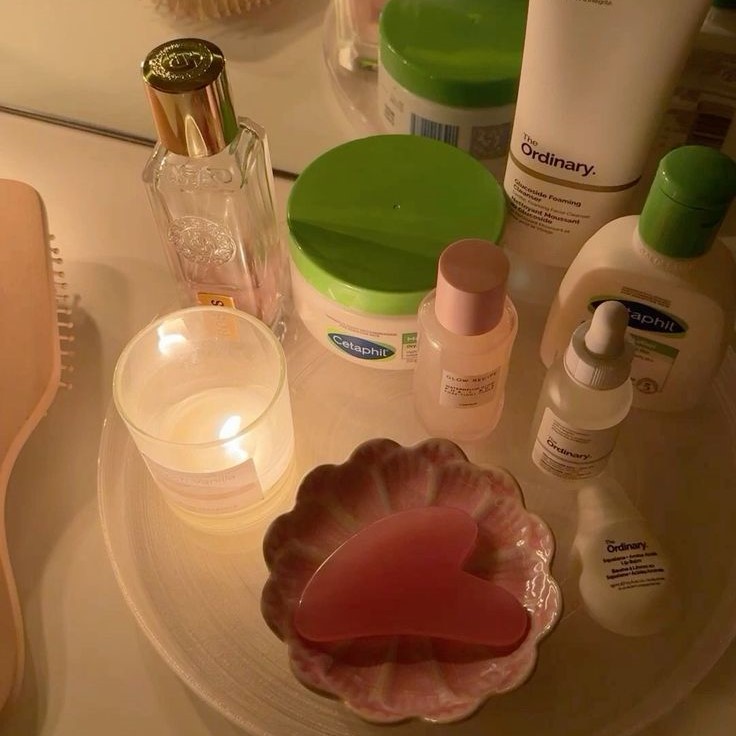
Ceramides: These are lipids that help strengthen the skin’s natural barrier and prevent moisture loss, making them especially effective for dry and sensitive skin types.
Glycerin: A powerful humectant that attracts moisture from the environment and locks it into the skin, glycerin is known for its hydrating properties, making it ideal for all skin types.
Botanical Oils: Oils derived from plants can provide additional nourishment and hydration. Oils such as argan, jojoba, and rosehip are rich in fatty acids and vitamins, which can help improve skin texture and elasticity.
Choosing the Right Moisturizer Based on Skin Type:
For individuals with oily skin, lightweight gel-based moisturizers may be the best option. Gel moisturizers are usually non-comedogenic, meaning they won’t clog pores while providing adequate hydration without overwhelming the skin.
Conversely, those with dry skin types should opt for richer creams that deliver deeper hydration. Creams often contain higher levels of emollients and occlusives, which can provide a luxurious, moisture-rich feel and effectively combat dryness.
Importance of Personalization:
It’s vital to choose a moisturizer that suits your specific skin type for the best results. Using a product that aligns with your skin’s needs can enhance its effectiveness.
Selecting an appropriate moisturizer helps avoid potential issues such as breakouts, irritation, or excessive oiliness. It’s important to read product labels and consult with skincare professionals if necessary, to find the best match for your skin.
By incorporating a well-suited moisturizer into your night skin care routine, you can significantly improve your skin’s hydration levels and overall health, ensuring you wake up with a soft, radiant complexion.
Step 5: Protect
Finally, while you might think of protection as a daytime concern, using specific overnight products can offer additional care. Overnight masks, sleeping packs, or hydrating gels can enhance your skin’s recovery while creating a protective layer against external elements.
These products are often rich in antioxidants, peptides, and natural oils, providing concentrated hydration and nourishment. Their goal is to ensure that by morning, your skin feels refreshed, rejuvenated, and ready to face the day ahead.
FAQ: Common Questions on Night Skin Care Routine
- What Should a Nighttime Skin Care Routine Be?
A nighttime routine should include cleansing, exfoliating 2-3 times a week, treating skin concerns with serums or treatments, moisturizing, and using protective overnight products. - What Are the 7 Steps of Skincare?
The 7 steps of skincare typically encompass cleansing, exfoliating, toning, treating, moisturizing, protecting during the day, and including targeted night treatments that nourish and repair. - What Skincare is Best for Night?
Skincare products rich in hydration, such as night creams, oils, and treatments that include retinol and hyaluronic acid, work best at night, helping to replenish and rejuvenate the skin. - What to Apply on Skin at Night?
Start with a gentle cleanser, apply any exfoliants as needed, then treat with serums or medications for specific concerns, followed by a nourishing moisturizer and possibly an overnight mask for added hydration.
Conclusion: Embracing Your Night Skin Care Routine
In conclusion, establishing an effective night skin care routine is imperative for maintaining skin health and vitality. Following the outlined steps—cleansing, exfoliating, treating, moisturizing, and protecting—will help your skin recover from the day’s stressors while you enjoy a restful night’s sleep.
Just as you prioritize sleep for your well-being, dedicating time to care for your skin at night can yield remarkable benefits. As you embrace and adapt your night skin care routine to your unique needs, you will notice not only improvements in your skin’s texture and brightness but also in your overall confidence and well-being.
Remember, consistency is key, and the benefits of a committed night skin care regimen can be transformative. Make your nightly routine a sacred time for self-care, and let your skin reap the rewards of your efforts. With the right knowledge and practice, you can wake up every morning to revitalized, glowing skin.