Exploring: Can Lack of Sleep Cause Hair Loss in 2026?
Contents
hide
Introduction: The Sleep-Hair Loss Connection
Can lack of sleep cause hair loss? This question is increasingly common as more people recognize the importance of quality sleep in their overall health. As we approach 2026, the conversation surrounding sleep and its impact on various facets of health continues to gain momentum. In this article, we will explore the relationship between sleep deprivation and hair loss, the science behind this connection, and practical steps you can take to improve your sleep and, in turn, your hair health.
The Connection Between Sleep and Overall Health
Sleep plays a vital role in maintaining overall health. During sleep, the body repairs itself. This includes cell regeneration and hormone regulation, critical for various bodily functions. Lack of sleep can disrupt these essential processes.
Poor sleep affects physical health. It weakens the immune system, making you prone to illnesses. Sleep deprivation can also contribute to weight gain by affecting hunger-regulating hormones. Additionally, it increases the risk of heart disease and diabetes.
Mental health suffers from insufficient sleep as well. It can lead to mood swings, anxiety, and depression. Prolonged sleep deprivation may reduce cognitive function and focus, impacting productivity and decision-making.
Hair health is also reliant on adequate sleep. Sleep influences hair growth via hormonal balance. When sleep is disrupted, hormones like cortisol and melatonin are affected. High cortisol levels can lead to hair loss while melatonin plays a role in hair growth.
To renew, repair, and promote overall well-being, prioritize quality sleep. Adopting healthy sleep habits can improve both your body’s health and your hair’s condition.
How Sleep Affects Hair Growth Cycles
Can lack of sleep cause hair loss? Sleep is essential for the hair growth cycle. Hair grows in phases: anagen, catagen, and telogen. The anagen phase is the active growth phase. The catagen phase marks the transition, and the telogen phase is the resting period. Proper sleep supports the balance and flow of these cycles.
During sleep, the body releases growth hormone. This hormone is crucial for cell repair and regeneration, including hair cells. Inadequate sleep disrupts hormone production, which can affect hair growth negatively. Sleep deprivation can also increase cortisol levels. High cortisol levels interfere with the hair growth cycle and may lead to hair thinning.
Another important hormone for hair growth is melatonin. Sleep stimulates melatonin production, promoting healthy follicles. Without enough sleep, melatonin production decreases, slowing down hair growth. Poor sleep can hinder nutrient and oxygen supply. This slows the metabolism of hair follicles and weakens their structure.
Your body also improves blood circulation during rest. Increased blood flow ensures that hair follicles receive nutrients and oxygen. Sleep deprivation reduces this beneficial circulation, making it harder for hair to thrive. If proper rest is not prioritized, it may disrupt your natural hair growth cycles over time.
To maintain healthy hair cycles, aim for 7-9 hours of sleep per night. Quality sleep helps regulate hormones and ensures your body functions properly, aiding overall hair health. By improving sleep habits, you can help create optimal conditions for healthy hair growth and minimize the risk of hair loss.
Causes of Hair Loss Related to Sleep Deprivation
Sleep deprivation can directly and indirectly contribute to hair loss through several mechanisms:
Hormonal Imbalance
Lack of sleep disrupts hormone production in the body. Elevated cortisol levels from poor sleep can weaken hair follicles. Reduced levels of growth hormone and melatonin hinder hair growth and repair. This imbalance can lead to hair thinning and loss over time.
Increased Stress Levels
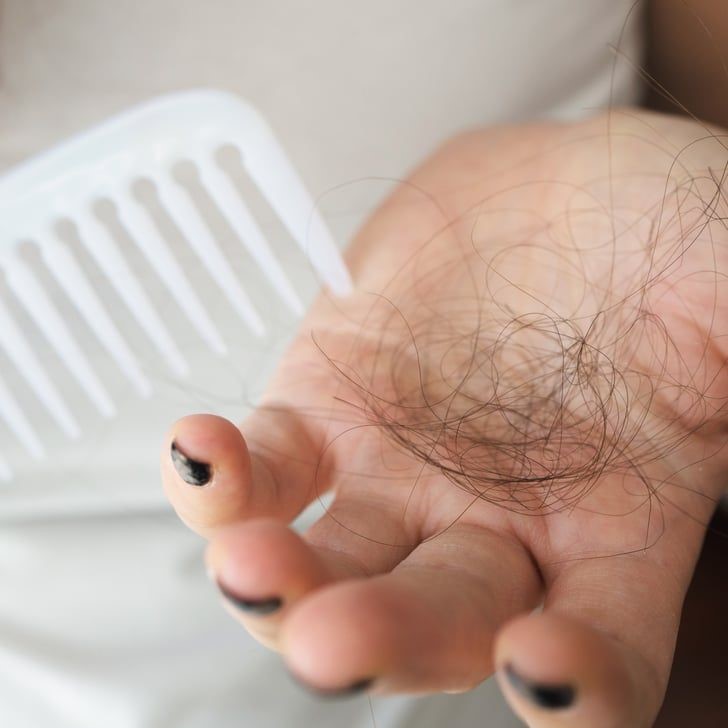
Sleep deprivation triggers stress, which elevates cortisol levels further. Prolonged stress can lead to telogen effluvium, a condition causing excessive hair shedding. Stress also impacts the normal hair growth cycle, leading to more hairs in the resting phase.
Poor Scalp Health
Insufficient sleep can reduce the body’s ability to repair cells and fight inflammation. This can lead to an unhealthy scalp environment. An unhealthy scalp weakens hair follicles, making them more likely to shrink and shed prematurely.
Impaired Blood Circulation
Sleep is critical for good blood circulation, which delivers vital nutrients and oxygen to hair follicles. Poor circulation caused by sleep deprivation can starve hair roots of nutrients. This results in weaker and less healthy hair growth.
Weakening of Hair Proteins
Inadequate sleep impacts the synthesis of essential proteins that support strong hair. Weak hair proteins make hair brittle, increasing breakage and contributing to hair loss.
Prioritizing quality sleep is essential to prevent hair loss caused by these factors. Ensuring consistent, restorative sleep can support hormonal balance, reduce stress, and maintain healthy hair growth.
Stress and Its Role in Sleep-Induced Hair Loss
Can lack of sleep cause hair loss? Stress and sleep deprivation often go hand in hand. Both can have a profound impact on hair health by negatively affecting the body. Understanding how stress influences hair loss linked to insufficient sleep is essential.
The Link Between Stress and Hormonal Imbalance
Stress increases cortisol production in the body. Elevated cortisol levels disrupt hormone regulation, affecting hair growth. This imbalance weakens hair follicles and reduces their ability to grow strong, healthy hair. When combined with poor sleep, cortisol levels can remain high, worsening hair loss.
Stress-Induced Hair Conditions
Chronic stress can lead to telogen effluvium. This condition forces more hair follicles into the resting phase, causing excess shedding. Coupled with sleep deprivation, stress further aggravates this condition, making hair loss more noticeable.
Alopecia areata is another stress-related condition. It causes the immune system to attack healthy hair follicles, leading to bald patches. Insufficient sleep amplifies stress levels, increasing the risk of alopecia areata and other hair disorders.
Impact of Stress on Scalp Health
Stress and lack of sleep disrupt the body’s cell repair mechanisms. This can result in reduced scalp health, like increased inflammation and dryness. An unhealthy scalp environment weakens hair roots, making them fragile and prone to shedding.
Combating Stress for Hair Health
Managing stress is crucial to limit its impact on hair loss. Relaxation techniques like meditation, deep breathing, or yoga can help lower stress levels. When paired with consistent, restorative sleep, these strategies can improve scalp health and support natural hair growth cycles.
By addressing both stress and sleep deprivation, you can create favorable conditions for healthier hair. Balancing your mental health and maintaining quality sleep ensures hormonal stability and promotes hair growth.
Signs That Your Hair Loss May Be Due to Lack of Sleep
Recognizing signs of hair loss from sleep deprivation is crucial. Early identification helps prevent worsening conditions.
Increased Hair Shedding
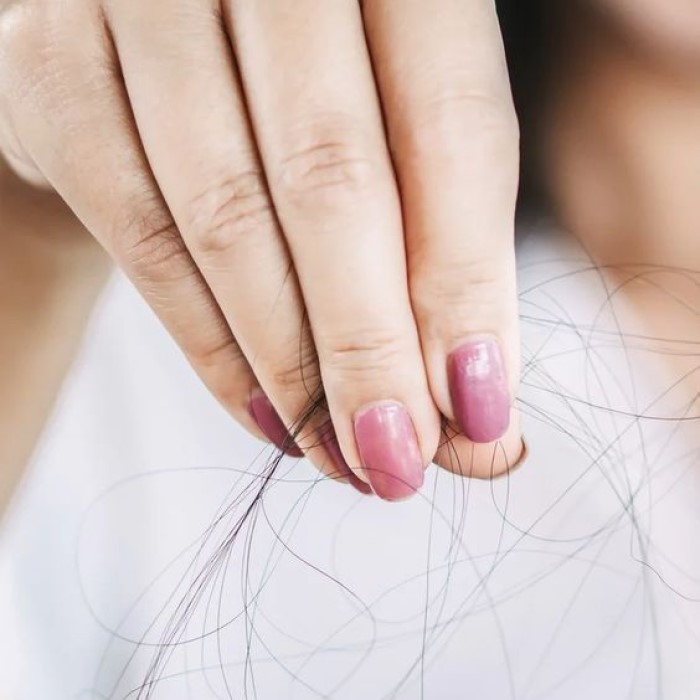
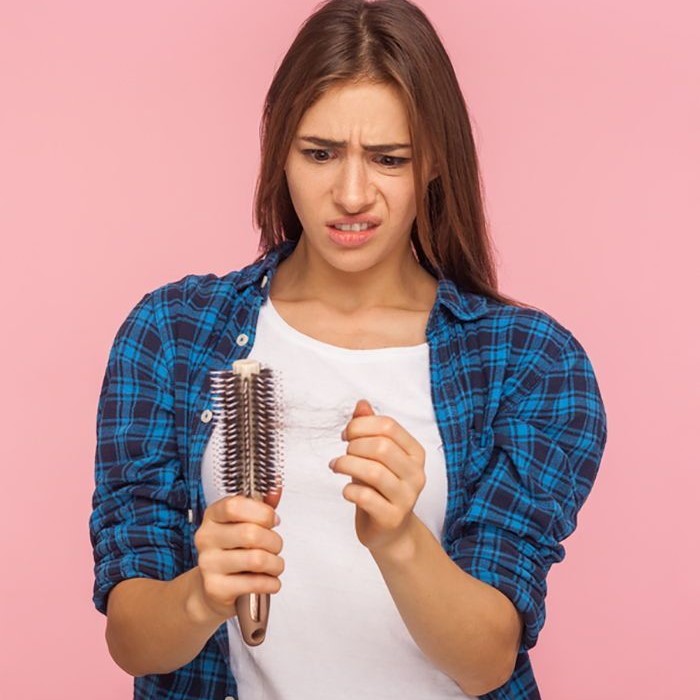
Excessive hair shedding is a common sign. You may notice more hair falling out daily.
Thinning Hair
Hair may appear thinner, especially near the crown or hairline. Lack of sleep affects hair density.
Slow Hair Growth
Sleep deprivation disrupts hair growth cycles. New hair appears to grow slower than usual.
Brittle and Weak Hair
Hair may seem dry, brittle, or prone to breaking. Poor sleep impacts protein synthesis in hair.
Scalp Irritation
An inflamed or itchy scalp could be linked to poor sleep. Sleep disruptions increase inflammation.
Changes in Hair Texture
Hair may lose softness and shine. Stress from sleep problems weakens hair structure.
Identifying these signs early ensures effective action for healthier hair. Prioritize sleep to address these issues.
Lifestyle Changes to Improve Sleep and Hair Health
Improving sleep and hair health requires positive lifestyle changes. These adjustments can enhance overall wellness and reduce the risks of hair loss caused by sleep deprivation.
Maintain a Consistent Sleep Schedule
Go to bed and wake up at the same time daily. A regular sleep routine supports healthy sleep patterns and hormone regulation crucial for hair growth.
Create a Relaxing Sleep Environment
Keep your bedroom dark, quiet, and cool to promote restful sleep. Eliminate screen time before bed to reduce blue light exposure, which disrupts melatonin production.
Manage Stress Effectively
Practice relaxation techniques such as meditation or yoga. These methods help lower stress levels and improve sleep quality, reducing cortisol, which negatively impacts hair health.
Avoid Stimulants Before Bed
Limit caffeine, nicotine, and alcohol intake close to bedtime. These substances interfere with your ability to fall and stay asleep, affecting hair follicle repair.
Exercise Regularly
Engage in moderate physical activity daily. Exercising improves blood circulation, benefiting hair follicles and supporting better sleep quality.
Follow a Balanced Diet
Consume nutrient-rich meals with vitamins and minerals supporting healthy sleep and hair. Foods high in antioxidants and omega-3 fatty acids aid physical and mental health.
Stay Hydrated
Drink sufficient water to keep your body and scalp hydrated. Proper hydration supports hair growth and overall health.
Adopt Relaxation Practices
Develop bedtime rituals like reading or gentle stretching to signal your body it’s time to rest. These habits improve your ability to fall asleep quickly and deeply.
Use High-Quality Pillows and Bedding
Choose pillows and bedding that provide comfort and support. High-quality materials improve sleep posture, reduce tossing, and help optimize relaxation.
Making these lifestyle changes can improve your sleep and overall hair health. Establishing healthy habits ensures proper hormone balance, stress reduction, and stronger hair growth.
Foods and Nutrients for Better Sleep and Hair Growth
Eating a balanced diet can improve sleep quality and promote hair growth. Certain foods and nutrients are especially beneficial for these purposes.
Foods High in Magnesium
Magnesium helps regulate sleep by calming the brain and nervous system. It can reduce stress levels, promoting relaxation and deeper sleep. Foods rich in magnesium include:
- Leafy greens (spinach, kale)
- Nuts and seeds (almonds, sunflower seeds)
- Whole grains (quinoa, brown rice)
Protein-Rich Foods
Protein contains amino acids necessary for hair growth. It strengthens hair and prevents breakage. Include the following in your meals:
- Eggs
- Fish (salmon, mackerel)
- Beans and lentils
- Chicken or turkey
Omega-3 Fatty Acids
Omega-3s nourish hair follicles and reduce inflammation. They support a healthy scalp, promoting hair growth. Sources include:
- Fatty fish (salmon, sardines)
- Chia seeds
- Walnuts
Foods Rich in Vitamin B
Vitamin B complex supports both hair health and sleep patterns. Biotin, a B-vitamin, is vital for healthy hair. Foods to include are:
- Eggs
- Avocados
- Bananas
- Whole grains
Iron-Rich Foods
Iron enhances blood circulation, improving oxygen supply to hair follicles. This strengthens and restores hair. Nutrient-dense options include:
- Red meat
- Spinach
- Lentils
- Pumpkin seeds
Zinc and Copper Sources
Zinc and copper protect hair follicles and promote cell repair. Good sources are:
- Oysters
- Nuts (cashews, almonds)
- Whole grains
- Chickpeas
Vitamin D-Rich Foods
Vitamin D supports hair follicle health and regulates sleep patterns. Foods rich in Vitamin D include:
- Fortified milk and cereals
- Egg yolks
- Fatty fish
Tryptophan-Rich Foods
Tryptophan helps produce serotonin, aiding relaxation and sleep. Foods high in tryptophan are:
- Turkey
- Cheese
- Nuts and seeds
By incorporating these nutrients and foods into your diet, you can foster better sleep and stronger, healthier hair. Combine this with proper sleep practices for the best results in improved overall health and radiant hair.
Medical Treatments for Hair Loss Caused by Sleep Problems
While addressing sleep issues is vital, some medical treatments can help with hair loss recovery. Let’s explore the most common and effective options:
Topical Treatments
- Minoxidil: This over-the-counter topical solution promotes hair growth and slows hair loss. Apply directly to your scalp as directed.
- Corticosteroid creams: These can reduce inflammation and improve scalp health. They are typically prescribed for conditions like alopecia areata caused by stress.
Oral Medications
- Finasteride: Prescribed for men, this medication prevents hair loss and encourages regrowth by reducing testosterone conversion to DHT.
- Spironolactone: A suitable option for women, it helps balance hormones that affect hair loss.
Laser Therapy
Low-level laser therapy (LLLT) is a non-invasive treatment aimed at stimulating hair follicles. Devices like laser caps are available for home use and help improve hair density.
Platelet-Rich Plasma (PRP) Therapy
PRP involves injecting plasma rich in growth factors into the scalp. It helps rejuvenate hair follicles and promotes growth over time. Several sessions are typically needed.
Hair Transplants
For more significant hair loss, a hair transplant may be an option. Surgeons move healthy hair to thinning or balding areas. This procedure works best for those with localized hair loss.
Consultation with Dermatologists
A dermatologist can diagnose hair loss causes and recommend personalized treatments. They may suggest combining treatments for the best results.
Supplements for Hair Growth
Doctors might recommend supplements like biotin, zinc, and folic acid. These nutrients strengthen hair and improve scalp health.
By combining medical treatments with improved sleep habits, you can enhance your chances of restoring hair health effectively. Always consult a healthcare professional for the best care plan that addresses your specific needs.
Conclusion: Prioritize Sleep for Healthy Hair
In summary, can lack of sleep cause hair loss? While lack of sleep may not be the sole cause of hair loss, it undoubtedly contributes to stress and impaired nutrient absorption, leading to thinning hair and increased shedding. By understanding the relationship between sleep and hair health, you can take proactive steps to improve your sleep quality. Remember to create a conducive sleep environment, establish a sleep routine, prioritize nutrition, and seek help when necessary. Ultimately, prioritizing sleep is a vital part of maintaining healthy hair and overall well-being as we head into 2026.