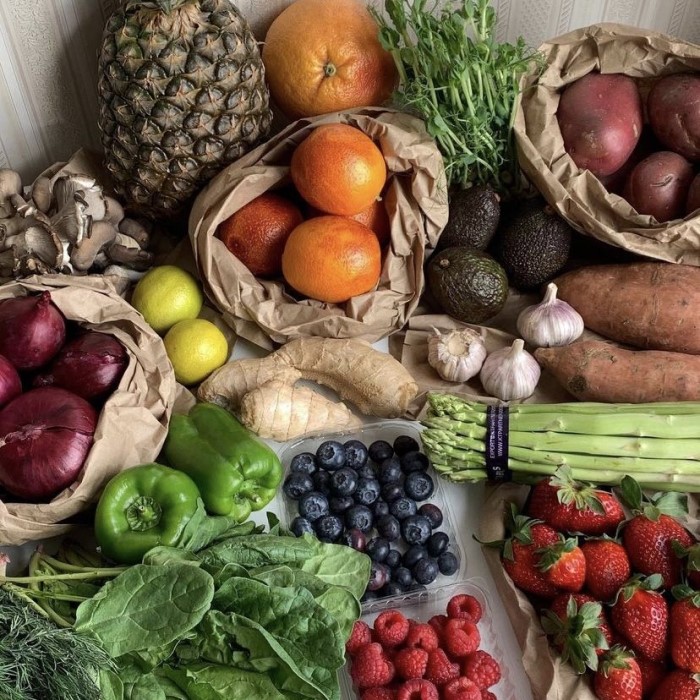
Food Good for Skin: Natural Solutions for a Youthful Look
Introduction: The Connection Between Food and Skin Health
Maintaining healthy, radiant skin goes beyond topical treatments; it starts with what you put into your body. The concept of food good for skin revolves around the idea that a balanced diet enriched with specific nutrients can significantly improve your skin’s appearance and overall health. With contemporary challenges such as pollution, stress, and unhealthy eating habits, understanding how food influences skin can help you achieve a youthful glow naturally. In this article, we will explore various foods beneficial for your skin, the nutrients they provide, and practical tips to incorporate them into your daily diet.

Importance of Diet for Skin Health
Your diet plays a major role in your skin’s health. Nutrients from food directly impact its appearance and function. Proper eating habits can prevent dryness, acne, or premature aging.
Certain foods provide essential vitamins and minerals for glowing skin. For example, fruits and vegetables are rich in antioxidants. These fight free radicals, protecting the skin from damage.
Healthy fats are another vital component. Omega-3 fatty acids keep skin hydrated and supple. Nuts, seeds, and avocados are good choices.
Hydration is essential for skin elasticity. Water-rich food good for skin like cucumbers or watermelon improve moisture levels.
A balanced diet with skin-friendly food good for skin builds healthy cells from the inside out. This simple practice benefits not just your skin but your entire body.
Essential Nutrients for Radiant Skin
The secret to radiant skin lies in essential nutrients. These nutrients protect, hydrate, and nourish your skin. Providing your body with the right nutrients can improve your skin’s texture and glow. Below, we highlight two critical elements: antioxidants and hydration.
Antioxidants and Their Role in Skin Health
Antioxidants protect your skin from harmful free radicals. These free radicals can damage skin cells and speed up aging. Foods rich in antioxidants help maintain smooth and healthy skin.
Focus on including brightly colored fruits and vegetables in your diet. Berries, spinach, and tomatoes are top choices. They contain vitamins C and E, which boost your skin’s natural defense. Green tea and dark chocolate also provide excellent antioxidant benefits.
Make sure your daily meals include antioxidant-rich options. This will help repair skin damage and promote radiance.
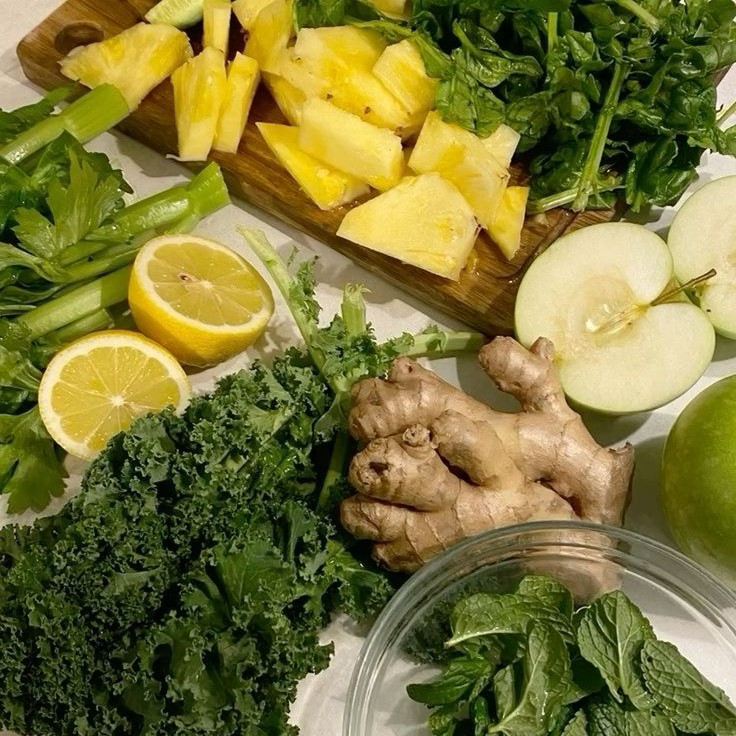
Hydration and Skin Elasticity
Hydration is key to maintaining skin elasticity and preventing dryness. Water-rich foods keep your skin plump and youthful. When your skin is well-hydrated, it appears smooth and less prone to wrinkles.
Cucumbers, watermelon, and oranges are excellent hydration-friendly foods. These not only provide water but are also packed with vitamins. Pair these with fluids like herbal teas or coconut water for maximum moisture.
A well-hydrated body results in glowing, soft, and supple skin. Drink plenty of water daily and eat hydrating foods. This will work wonders for your skin’s elasticity and overall health.
Fruits That Enhance Skin Glow
Fruits are essential for your skin’s glow and health. Rich in vitamins, minerals, and antioxidants, they protect the skin and boost its radiance. Consuming skin-enhancing fruits regularly can significantly improve texture, elasticity, and hydration. Among them, berries and citrus fruits are particularly noteworthy.
Berries: Rich Source of Antioxidants
Berries are loaded with skin-friendly antioxidants. These compounds fight free radicals that damage skin cells and cause aging. Antioxidants help repair skin and improve its natural glow.
Popular berries include blueberries, strawberries, and raspberries. Blueberries contain vitamin C, which boosts collagen production and protects against damage. Strawberries are rich in salicylic acid, helping reduce acne and redness. Raspberries have ellagic acid that shields your skin from UV rays.
Berries not only promote glowing skin but also keep it supple and youthful. Adding them to smoothies, salads, or snacks is an easy way to nourish your skin daily.
Citrus Fruits: Boosting Collagen Production
Citrus fruits are excellent for enhancing skin health. Packed with vitamin C, they support collagen production. Collagen maintains skin elasticity and reduces wrinkles.
Examples of citrus fruits include oranges, lemons, and grapefruits. Oranges are rich in antioxidants and improve hydration. Lemons detoxify your skin, giving it a clear and even tone. Grapefruits contain lycopene, which helps fight aging and prevents skin sagging.
Eating citrus fruits regularly rejuvenates and brightens your skin. Incorporate them into your diet as juices, snacks, or desserts to enjoy their skin-boosting benefits.
Vegetables That Benefit Skin
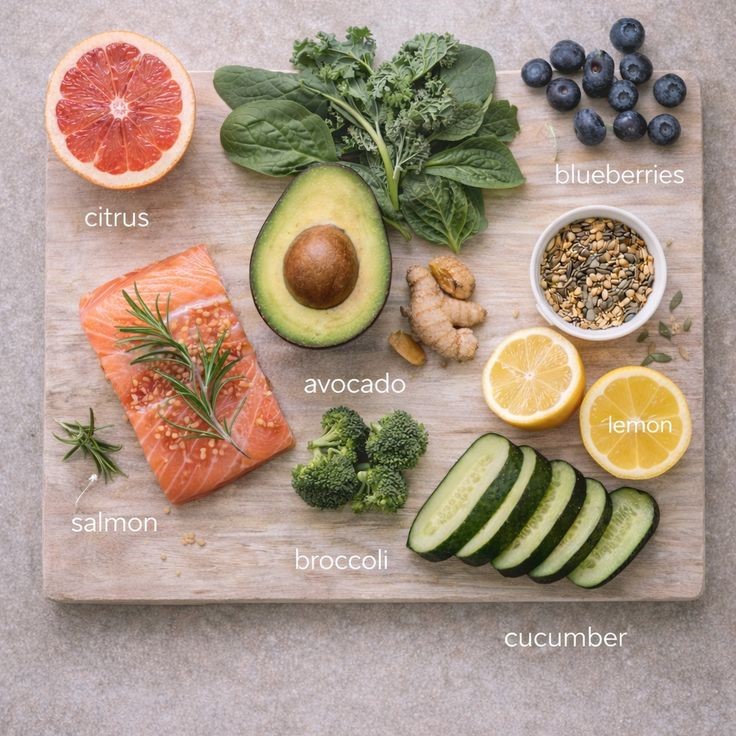
Vegetables are vital for nourishing the skin. They are loaded with vitamins, minerals, and antioxidants. Adding them to your diet can improve skin texture, repair damage, and promote radiance. Among the many options, green leafy vegetables and root vegetables like carrots and sweet potatoes stand out for their unique benefits.
Green Leafy Vegetables: Packed with Vitamin E
Green leafy vegetables like spinach, kale, and collard greens are excellent for skin health. They are rich in vitamin E, which protects your skin from harm and keeps it moisturized. Vitamin E is an antioxidant that can shield skin cells from free radicals.
Spinach contains iron and folate, which enhance blood flow for a vibrant complexion. Kale boosts collagen production with its vitamin C content, improving skin elasticity. Lettuce helps with hydration as it has high water content.
Including green leafy vegetables in your meals can safeguard your skin from aging. They reduce inflammation and maintain a fresh, youthful look. You can enjoy them in salads, smoothies, or soups for maximum benefits.
Carrots and Sweet Potatoes: Rich in Beta-Carotene
Carrots and sweet potatoes are root vegetables packed with beta-carotene. Beta-carotene converts into vitamin A, which supports skin cell repair and growth. This vitamin improves skin tone and reduces dryness.
Carrots are also rich in antioxidants, protecting skin against harmful UV rays. Sweet potatoes contain potassium, which helps in keeping skin hydrated. Both vegetables offer anti-inflammatory properties, soothing irritated or sensitive skin.
Adding these vegetables to your regular diet can give your skin a natural glow. Roast them, prepare soups, or make mash to enjoy their skin-friendly nutrients. Regular consumption can prevent dullness and promote healthy, vibrant skin.
Healthy Fats for Skin Nourishment
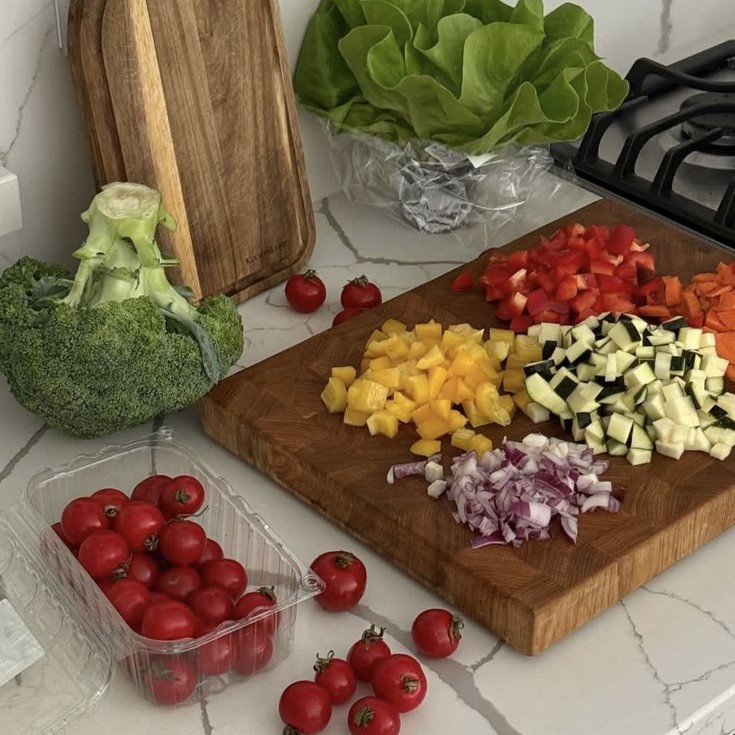
Healthy fats are essential for maintaining radiant and hydrated skin. They provide the building blocks for skin cell membranes, ensuring proper structure and function. Including foods rich in healthy fats in your diet can improve your skin’s elasticity, texture, and overall appearance.
Importance of Omega-3 Fatty Acids
Omega-3 fatty acids are vital for skin health. They reduce inflammation, preventing redness and irritation. These fats also help retain hydration, keeping your skin soft and supple. Omega-3s form a protective barrier, locking in moisture and shielding skin from dryness.
Omega-3 fatty acids can also regulate oil production, preventing clogged pores and acne. They are known to slow down signs of aging by reducing wrinkles and improving skin elasticity. Their anti-inflammatory properties are crucial for soothing sensitive and irritated skin.
Great sources of omega-3s include fatty fish like salmon, mackerel, and sardines. Plant-based options include chia seeds, flaxseeds, and walnuts. Regularly adding these food good for skin to your meals can significantly improve your skin’s health and appearance.
Benefits of Avocado and Nuts
Avocado is a powerhouse food good for skin. It is loaded with healthy monounsaturated fats that keep your skin moisturized and radiant. Avocado contains vitamin E, which fights free radicals and prevents skin damage. It also includes vitamin C, enhancing collagen production for firmer skin.
Nuts, especially almonds and walnuts, are excellent for skin health. Almonds are rich in vitamin E, protecting the skin from UV damage and dryness. Walnuts provide omega-3 fatty acids and zinc. Zinc helps repair damaged skin and improve its healing process.
Including avocados and nuts in your diet boosts skin hydration and elasticity. You can enjoy avocados in salads, spreads, or smoothies. Snack on a handful of nuts daily for a nutrient-packed treat that supports glowing skin.
Hydration Through Food and Beverages
Hydration is critically important for your skin’s overall health and appearance. Proper hydration keeps your skin soft, plump, and elastic. It prevents dryness, dullness, and premature aging. Incorporating hydrating foods and beverages into your diet can dramatically improve your skin’s texture and radiance.
Water-Rich Foods for Skin Hydration
Water-rich foods are excellent for boosting skin hydration naturally. These foods deliver essential moisture while providing vitamins and minerals. They also improve skin elasticity and reduce dryness.
Cucumbers are a top water-rich choice. They contain over 90% water and provide vitamin C for skin repair. Watermelon hydrates your skin while delivering antioxidants that combat aging. Oranges keep your skin plump with hydration and vitamin C to boost collagen.
Other great options include celery, strawberries, and tomatoes. These foods add both moisture and valuable nutrients to your skin. Including them regularly in your meals will enhance your skin’s softness and glow. Pair them with other hydrating foods to maximize benefits.
Herbal Teas and Their Skin Benefits
Introduction to Herbal Teas
- Nourishing Beverage: Herbal teas are delightful drinks that can significantly support skin hydration. These beverages are not just tasty but also provide various health benefits.
- Antioxidant Properties: One of the key benefits of herbal teas is their rich content of antioxidants, which combat oxidative stress in the body. This helps in preventing free radical damage that can lead to skin aging and various skin issues.
Chamomile Tea
- Anti-Inflammatory Effects: Chamomile tea is renowned for its calming properties. It has anti-inflammatory effects that make it excellent for soothing irritated skin.
- Reducing Redness: Regular consumption of chamomile tea can help reduce redness and uneven skin tone, offering a more balanced complexion.
Green Tea
- Rich in Polyphenols: Green tea is abundant in polyphenols, which are natural compounds with numerous health benefits.
- Enhanced Skin Elasticity: The polyphenols found in green tea help improve skin elasticity and firmness, promoting a youthful appearance. Many people incorporate green tea into their skincare routines for this reason.
Peppermint Tea
- Managing Oil Production: Peppermint tea is beneficial for those who struggle with oily skin. It contains menthol, which can help manage excess oil production.
- Reducing Acne Issues: By regulating oil levels, peppermint tea can assist in minimizing acne-related issues, leading to clearer skin.
Rooibos Tea
- Nutrient-Rich: Rooibos tea is packed with beneficial nutrients, including zinc and alpha hydroxy acids.
- Smoother Skin: Zinc is known for its role in skin repair, while alpha hydroxy acids can help exfoliate and smooth the skin, providing a more refined texture.
Incorporating Herbal Teas into Your Routine
- Daily Practice: Enjoying herbal teas should be a regular part of your daily routine. Making time for these calming beverages can enhance your overall wellness and skin health.
- Versatile Consumption: Herbal teas can be enjoyed warm or chilled, providing a refreshing option that can hydrate your body effectively.
Hydration and Skin Health
- Effective Hydration: Drinking herbal teas is an easy yet effective way to ensure your skin remains adequately hydrated.
- Long-Term Benefits: Consistent hydration contributes to healthier skin, reduces the appearance of fine lines, and fosters a youthful glow.
Lifestyle Factors Affecting Skin Health
Skin health relies on more than just diet. Lifestyle choices also play a significant role. Proper skincare routines and avoiding harmful habits boost skin’s glow and resilience. Maintaining a balanced routine promotes long-term benefits.
Balancing Diet with Proper Skincare
A balanced diet and skincare routine work together for optimal skin health. Eating food good for skin provides the nutrients needed for repair and hydration. Antioxidant-rich fruits and vegetables protect against damage and aging.
Combine a skin-friendly diet with daily skincare routines. Cleansing removes impurities from skin’s surface. Moisturizing prevents dryness and keeps your skin hydrated. Sun protection shields skin from harmful UV rays and damage.
Hydrating foods like cucumbers and oranges complement skincare products for better results. Limit alcohol and caffeine, as they dehydrate your skin. Drink water consistently to enhance elasticity and texture.
Applying natural oils like argan or jojoba pairs well with a nutrient-rich diet. These oils lock in moisture and improve skin softness. Lifestyle care is not just external; the internal impact of diet is equally vital.
Avoiding Foods Harmful to Skin
Certain foods harm your skin and should be minimized. High-sugar foods encourage acne and inflammation. Sugar raises insulin levels, increasing oil production and clogging pores.
Processed foods with artificial additives harm skin cells over time. They provide minimal nutrients, leaving skin dull and dry. Avoiding fried foods reduces the risk of oil imbalance and breakouts.
Salt-heavy diets lead to puffiness and dryness. Excess sodium draws water out of skin cells. A low-salt diet helps retain moisture and elasticity.
Alcohol and caffeine negatively impact skin hydration and elasticity. Alcohol dilates blood vessels, causing redness or puffiness. Caffeine dehydrates skin, emphasizing wrinkles.
Incorporate healthier alternatives to avoid damage. Replace fried snacks with nuts or seeds for essential fats. Switch sugary treats for antioxidant-rich fruits. Lifestyle adjustments help protect and improve skin in the long run.
Conclusion: Nourish Your Skin from Within
In conclusion, understanding food good for skin is crucial for achieving a youthful look and overall well-being. By incorporating the right nutrients into your diet, you can support your skin’s health while enjoying delicious meals. From antioxidant-rich berries to hydrating avocados, every food choice contributes to your skin’s vitality.
As you embark on your path toward radiant skin, remember that consistency is key. Make mindful eating choices, combine nutritious foods with healthy lifestyle habits, and enjoy the process of nurturing your skin from within. Start today, and let your natural beauty shine through!