How to Choose the Best Jelly Mask Facial for Your Skin Type
Introduction: The Rise of Jelly Masks in Skincare
In recent years, jelly masks have emerged as a favorite among skincare enthusiasts. These innovative products are cherished for their unique textures and impressive hydration capabilities. If you’re wondering how to choose the best jelly mask facial for your skin type, you’re not alone. Understanding the specific needs of your skin is essential for achieving optimal results. Jelly masks provide benefits that include deep hydration, revitalization, and nourishment, making them an excellent addition to any skincare routine. This article will help you navigate the different types of jelly masks, their benefits, and how to select the ideal one for your individual skin needs.
What is a Jelly Mask Facial?
Definition and Composition
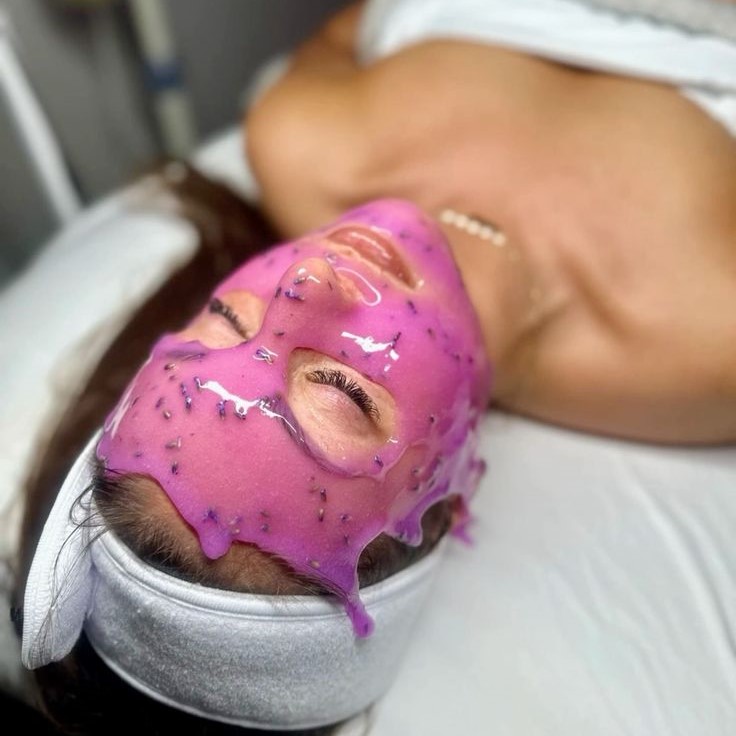
A jelly mask facial refers to a gel-like mask formulated with ingredients that provide a wide range of skincare benefits. They are made from a blend of water, gelling agents, and various active components designed to nourish and hydrate the skin.
- Key Ingredients: Common ingredients in jelly masks include hyaluronic acid, aloe vera, botanical extracts, and vitamins. Each of these components serves unique functions and can be tailored to suit different skin types.
Benefits of Jelly Masks
- Intense Hydration: One of the standout features of jelly masks is their ability to deliver moisture deeply into the skin. They often create a barrier that locks in hydration, helping to maintain a plump and radiant complexion.
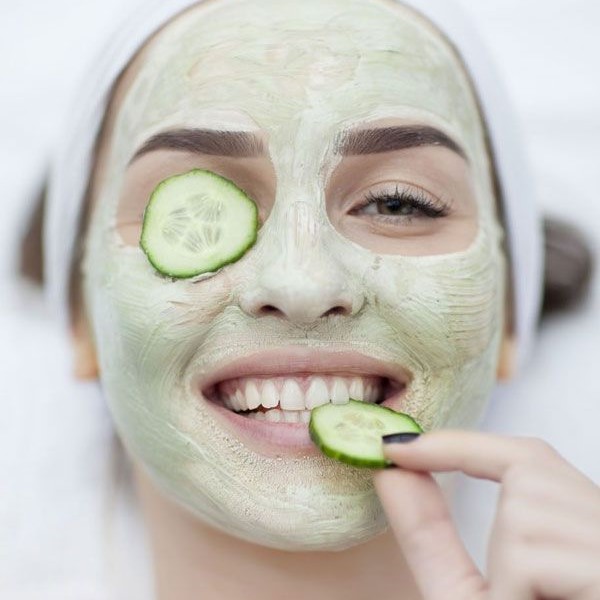
- Soothing and Calming: Many jelly masks provide a cooling effect upon application. Ingredients like cucumber extract or chamomile help to calm irritated skin, making them perfect for inflamed or sensitive areas.
- Easy Application and Removal: The jelly texture of these masks makes them easy to spread evenly across the skin and simple to wash off or peel away, offering a mess-free skincare experience.
- Fun Experience: The unique texture of jelly masks offers a tactile experience that can make your skincare routine feel more like a spa treatment, enhancing relaxation and enjoyment.
Assessing Your Skin Type
Identifying Your Skin Type
Before selecting a jelly mask, it’s crucial to know your skin type. Each type has distinct characteristics that determine what it needs for optimal health:
- Oily Skin: Oily skin often appears shiny and may be prone to breakouts due to excess sebum production. This skin type benefits from products that control oil and minimize shine.
- Dry Skin: Dry skin can feel tight, rough, or flaky. This type lacks moisture and often needs extra hydration and nourishment to maintain its health and elasticity.
- Combination Skin: Combination skin is characterized by having both oily areas, particularly in the T-zone, and drier patches elsewhere. This type requires a balanced approach with varying products tailored to different areas.
- Sensitive Skin: Sensitive skin can easily react to products or environmental factors, leading to redness, irritation, or discomfort. Gentle, calming ingredients are essential for this skin type.
Choosing the Right Jelly Mask for Your Skin Type
Oily Skin: Lightweight Gel-Based Masks
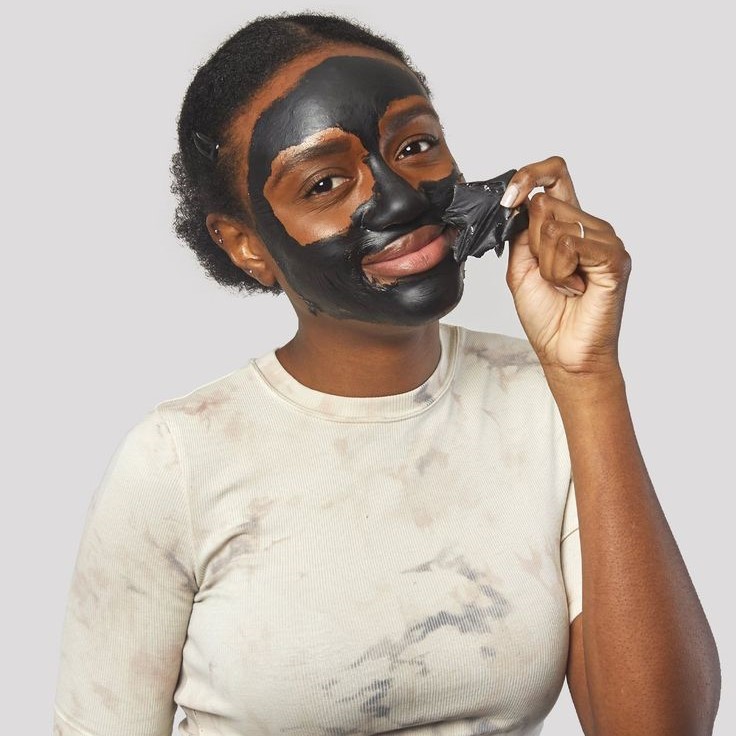
- Ideal Ingredients: For oily skin, look for jelly masks that include clay, charcoal, or tea tree oil. These ingredients help to absorb excess oil, unclog pores, and prevent breakouts.
- Added Benefits: Jelly masks designed for oily skin can also contain exfoliating agents, such as salicylic acid, to aid in sloughing off dead skin cells and refining skin texture.
Dry Skin: Rich and Nourishing Formulas
- Recommended Ingredients: For dry skin, choose jelly masks that feature hydrating ingredients like hyaluronic acid, honey, or avocado. These components work together to provide intense moisture and nourishment.
- Emphasis on Moisture Retention: Select masks specifically formulated to enhance the skin barrier, providing not just hydration but also a protective layer that prevents moisture loss.
Combination Skin: Balancing Solutions
- Targeting Multiple Areas: If you have combination skin, consider using different jelly masks on different areas of your face. This targeted approach allows you to address both oiliness and dryness effectively.
- Suggested Ingredients: Masks that balance hydrating and oil-controlling ingredients, like witch hazel combined with moisturizing agents, can yield great results for combination skin types.
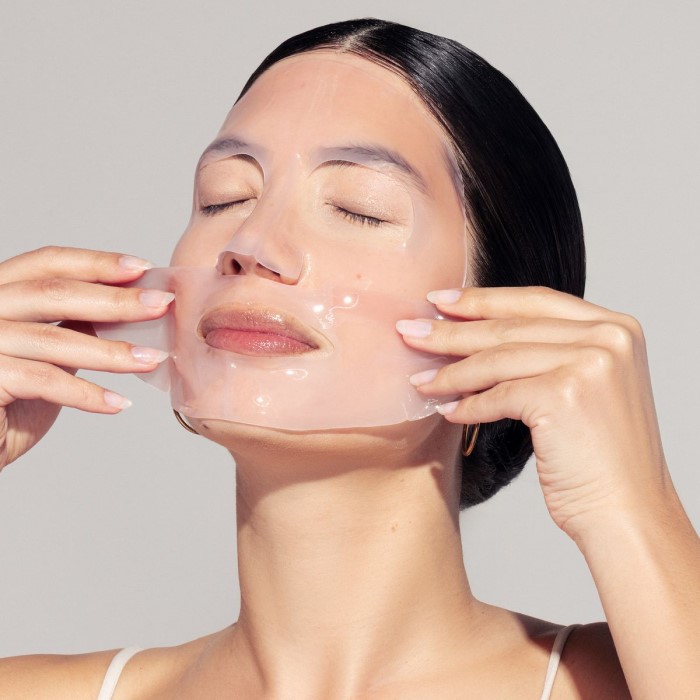
Sensitive Skin: Gentle Ingredients
- Gentleness is Key: For those with sensitive skin, opt for jelly masks that contain calming agents like aloe vera, calendula, or chamomile. These ingredients can help soothe and reduce inflammation.
- Avoiding Irritation: Steer clear of harsh ingredients, such as fragrances, alcohol, or strong exfoliants, which can cause irritation and exacerbate sensitivity.
How to Use a Jelly Mask Facial
Step-by-Step Application
- Pre-Cleanse Your Face: Start by cleansing your face thoroughly to remove any dirt, makeup, or oils. This step prepares your skin for the mask and maximizes the benefits.
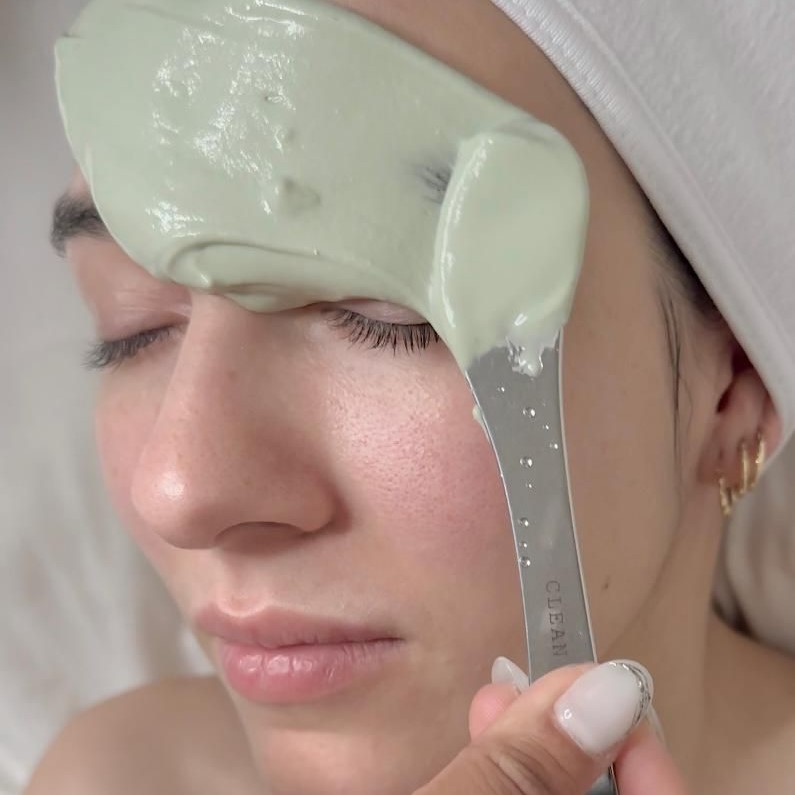
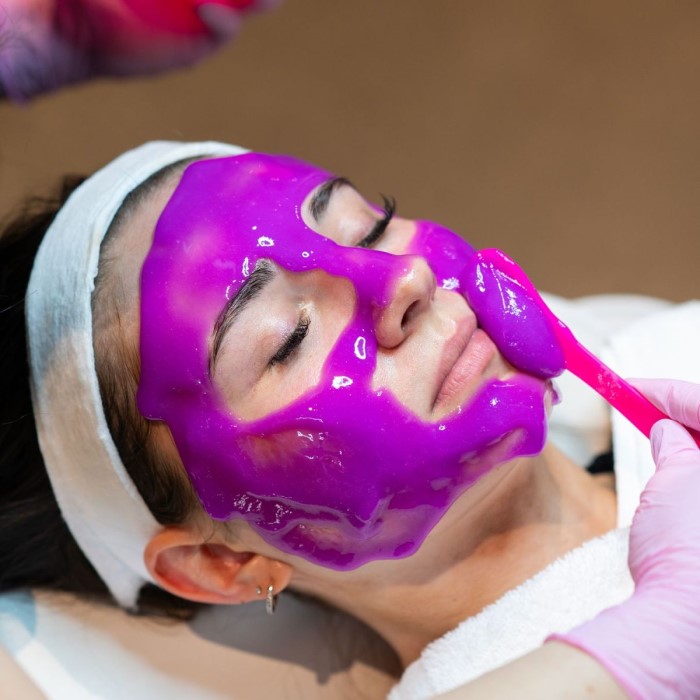
- Even Application: Using your fingers or a mask brush, apply an even layer of the jelly mask across your face. Avoid the eye area and any sensitive spots.
- Let It Sit: Allow the mask to remain on your skin for the duration recommended on the product packaging, usually about 15–30 minutes. This resting period allows the beneficial ingredients to absorb into your skin.
- Removing the Mask: Depending on the formulation, you can either peel off the mask or rinse it off with lukewarm water. Be gentle to avoid irritation.
- Follow-Up Care: After removing the jelly mask, complete your skincare routine with a toner, serum, or moisturizer to lock in hydration and further nourish your skin.
Tips for Maximizing Jelly Mask Benefits
Determine Routine Frequency
- Frequency of Use: To achieve optimal results, it is advisable to use a jelly mask 1-2 times a week. This frequency strikes a balance, allowing your skin to benefit from hydration and nourishment without overloading it with products.
- Understanding Individual Skin Needs: The ideal frequency may vary depending on your skin type and specific concerns. For example, oily skin may benefit from more frequent use to control shine and minimize breakouts, while dry skin could require a careful approach to avoid irritation.
- Signs Your Skin Needs a Mask: Pay attention to how your skin reacts. If it appears dull, feels dry, or shows signs of stress and fatigue, incorporating a jelly mask can help rejuvenate and revitalize it. Conversely, if you notice any adverse reactions or excessive oiliness, it may be time to adjust the frequency.
- Complementing Other Treatments: When planning your skincare routine, consider how a jelly mask fits in with other treatments you may be using. If you apply exfoliating products or active ingredients like retinol, spacing out your jelly mask sessions can allow your skin to recover and reap the maximum benefits.
Storage Recommendations
- General Storage Guidelines: Jelly masks can typically be stored at room temperature, away from direct sunlight and heat. It’s important to keep them in a cool, dry environment to preserve their efficacy and prevent any spoilage.
- Refrigeration Benefits: Some users prefer refrigerating their jelly masks. This not only enhances their refreshing qualities but can also provide a cooling effect when applied, making them particularly soothing on hot days or after sun exposure.
- Effect on Application Experience: Cold jelly masks can be more enjoyable to use, especially in warmer climates. The chilled sensation may help reduce inflammation and puffiness, particularly around the eyes and cheeks.
- Monitoring Expiry Dates: Always check the expiration dates on your jelly masks. Proper storage helps maintain the integrity of the ingredients, but even the best products can lose effectiveness over time. Discard any masks that have changed in texture, smell, or appearance.
Patch Testing
- Importance of Patch Testing: Before introducing any new jelly mask into your skincare routine, conducting a patch test is crucial. This practice helps identify potential allergic reactions and minimizes the risk of irritation.
- How to Conduct a Patch Test: Apply a small amount of the jelly mask to a discreet area of skin, such as the wrist or behind the ear. Wait for 24 hours to determine if any redness, itching, or swelling occurs. This simple test can help safeguard your skin and prevent adverse reactions.
- Interpreting Results: If you experience no negative reactions during the patch test, the mask should be safe for full application on your face. However, if you notice any discomfort, it’s best to avoid using that specific product and consider alternatives.
- Importance of Ingredient Awareness: While patch testing is effective, it’s also important to be aware of specific ingredients that may trigger adverse reactions based on your skin history. Individuals with sensitive skin should be particularly cautious about fragrances, alcohols, or strong active ingredients.
- Combining with Other Products: If you are using multiple new products, it’s wise to patch test them separately. Introducing several new products at once could complicate identifying the source of any reaction if one occurs.
Frequently Asked Questions (FAQs)
- What does a jelly mask do for your face?
A jelly mask delivers hydration, soothes irritated skin, and improves the overall texture, enhancing your skin’s appearance and health. - Is a hydrojelly facial worth it?
Yes, hydrojelly facials provide deep hydration and can be very beneficial for maintaining a healthy skin barrier, making it worth the investment. - How long should I leave a jelly mask on?
Follow the instructions provided with the product, but generally, jelly masks should be left on for about 15-30 minutes for optimal results. - How often can you do a jelly mask?
Most people can safely use a jelly mask 1-2 times a week, depending on individual skin needs and product formulations.
Conclusion: Finding Your Perfect Jelly Mask Facial
Choosing the best jelly mask facial tailored to your skin type can significantly enhance your skincare routine. By understanding the unique needs of your skin and selecting appropriate ingredients, you can maximize the benefits of these hydrating treatments.
Whether you seek deep hydration, calming properties, or balancing solutions, jelly masks provide versatile options that cater to various skin concerns. Experimenting with different formulations and incorporating them into your weekly regimen will help you achieve radiant, healthy skin. Embrace the power of jelly masks, and let them transform your skincare experience for a glowing complexion year-round!