Skin Care Products for 10 Year Olds: Building Healthy Habits
Introduction: The Importance of Skin Care for Kids
As parents, it’s vital to instill healthy habits in our children, and one key area to focus on is skincare. Skin care products for 10 year olds are specially formulated to cater to the unique needs of young skin. At this age, children begin experiencing skin changes, making it important to provide them with effective products that promote health and protect against environmental factors. A proper skincare routine not only helps maintain their youthful glow but also teaches them the significance of taking care of their skin early in life. This article will cover essential skincare skin care products for 10 year olds while emphasizing the importance of establishing healthy habits.
Understanding the Needs of Young Skin
- Sensitive Skin:
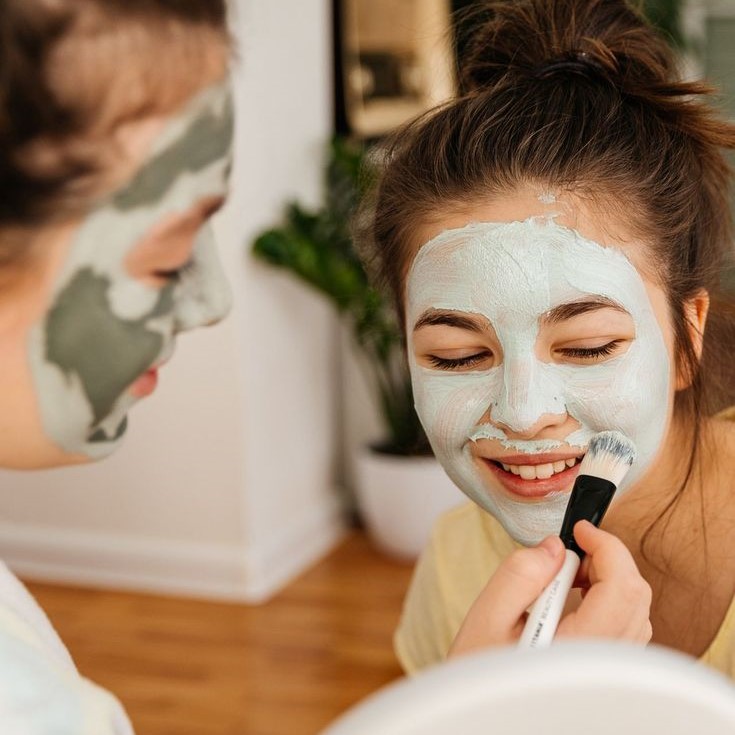
- Children’s skin, particularly at the age of 10, is often more sensitive than adult skin. It can react negatively to harsh ingredients typically found in many adult skincare products. Therefore, it is crucial to use products specifically formulated for children, which contain gentle ingredients that minimize the risk of irritation.
- Natural Oil Production:
- Around this age, children may begin to experience an increase in natural sebum production. This change can lead to varying skin types, including oily and combination skin. Using appropriate products tailored to their skin type is essential to manage oiliness and prevent common issues such as acne.
- Importance of Sun Protection:
- Young skin is particularly vulnerable to sun damage. As outdoor activities increase, so does their exposure to harmful UV rays. Implementing a good sunscreen into their routine is vital to protect against skin damage and instill the responsible habit of applying sunscreen daily.
- Encouraging Self-Care Awareness:
- Teaching kids about skincare isn’t just about beauty; it’s about health. By starting early, you can create a sense of awareness in your children regarding self-care, encouraging them to make informed choices about their skin.
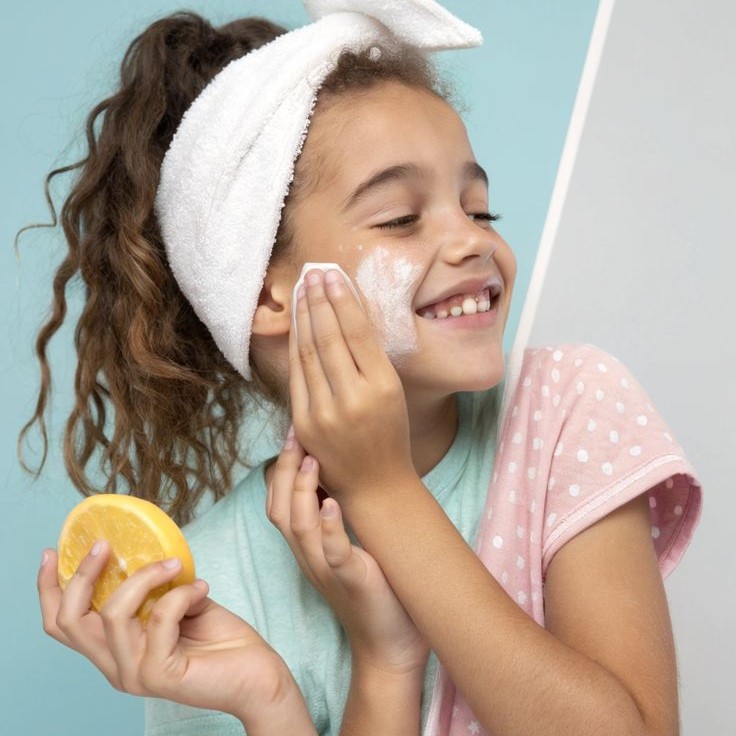
Essential Skin Care Products for 10 Year Olds
Gentle Cleanser
- Foundation of Skin Care:
- A mild cleanser is absolutely fundamental for any skincare routine, especially for children. Proper cleansing removes dirt, sweat, and impurities that accumulate on the skin throughout the day. This step is crucial in preventing issues like breakouts and skin irritation.
- Choosing the Right Formula:
- When looking for a gentle cleanser, prioritize sulfate-free formulas. Sulfates can be harsh, stripping the skin of its natural oils. Instead, opt for cleansers that provide a soothing experience without causing dryness. This helps maintain the skin’s moisture balance.
- Beneficial Ingredients:
- Incorporating soothing ingredients can greatly enhance the cleansing experience. For example, chamomile is known for its anti-inflammatory properties, making it perfect for calming irritated skin. Aloe vera is another excellent choice, known for its hydration and cooling effects.
- Effective Options:
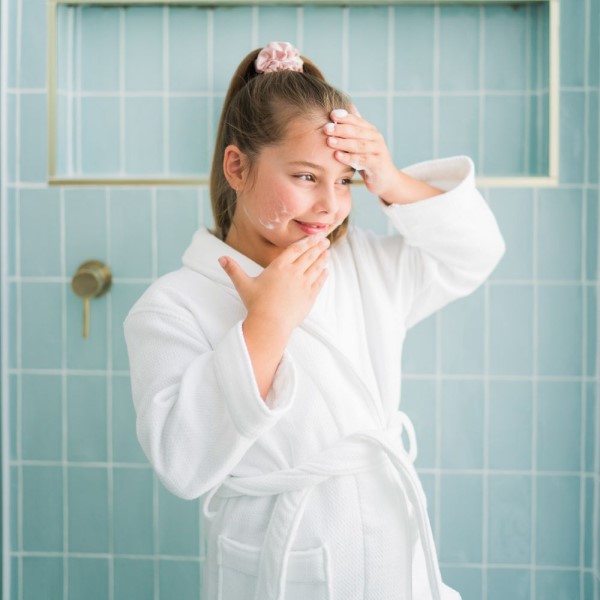
- A foaming gel cleanser can be an excellent option for children. These cleansers are gentle yet effective, allowing for an enjoyable foaming action that can make washing the face feel like a fun activity. They easily wash away dirt and impurities without being overly aggressive on sensitive skin.
Moisturizer
- Importance of Hydration:
- Keeping the skin hydrated is essential in promoting overall skin health. Children’s skin can quickly become dry or irritated when it lacks adequate moisture, leading to discomfort or sensitivity.
- Lightweight, Non-Comedogenic Formulas:
- A lightweight, non-comedogenic moisturizer is ideal for children. These types of moisturizers provide hydration without clogging pores, ensuring that kids’ skin remains healthy and balanced.
- Effective Ingredients:
- Look for moisturizers containing effective hydrating ingredients such as glycerin, which draws moisture into the skin; hyaluronic acid, which can hold up to 1000 times its weight in water; and ceramides, which are crucial for reinforcing the skin barrier.
- Recommended Products:
- For instance, CeraVe’s moisturizing cream is a popular choice among parents. This product is designed to hydrate while also being incredibly gentle on children’s delicate skin. The inclusion of beneficial ingredients makes it suitable for daily use.
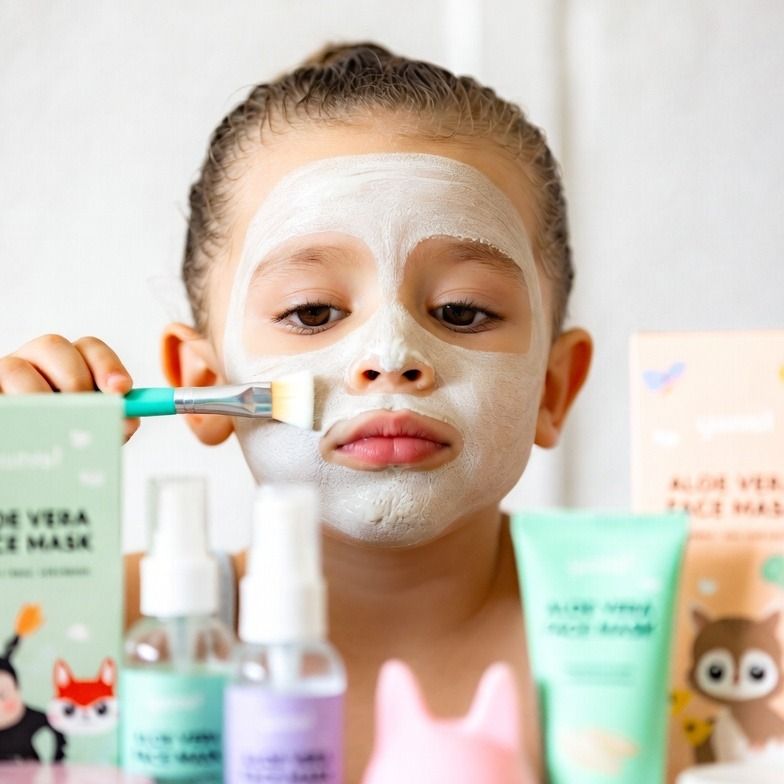
Sunscreen
- Non-Negotiable Protection:
- Daily sunscreen application should be a cornerstone of any skincare routine for children. The harmful effects of UV rays are cumulative, making sun protection essential to prevent long-term damage and skin complications.
- Selecting the Right Sunscreen:
- Choose a broad-spectrum sunscreen with an SPF of at least 30. This ensures that your child is protected against both UVA and UVB rays. UVA rays can lead to premature aging and skin cancer, while UVB rays cause sunburn.
- Mineral vs. Chemical Sunscreens:
- Mineral sunscreens containing zinc oxide or titanium dioxide are particularly suitable for sensitive skin types. Unlike chemical sunscreens, which absorb UV radiation, mineral sunscreens act as a physical barrier on the skin, reflecting UV rays away.
- Application Tips:
- Encourage your child to apply sunscreen every morning, making it part of their routine. Don’t forget to remind them to reapply every two hours, especially if they are swimming or playing outside. This simple habit can significantly reduce the risk of sunburn and skin damage.
Toner
- Introducing Toner for Young Skin:
- While toners are not essential for every child, they can be beneficial for those beginning to experience oily skin or early signs of acne. A toner can help balance skin’s pH levels and prep the skin for moisturizer or other treatments.
- Choosing the Right Formula:
- Opt for a gentle, alcohol-free toner. Alcohol can be drying and irritating, particularly for young skin. Instead, select toners that contain soothing ingredients which help calm the skin without causing dryness.
- Soothing Ingredients:
- Look for toners that include natural ingredients like rose water or witch hazel. Rose water can hydrate and calm irritated skin, while witch hazel is known for its astringent properties, making it useful for controlling oiliness and reducing the appearance of pores.
- Application Method:
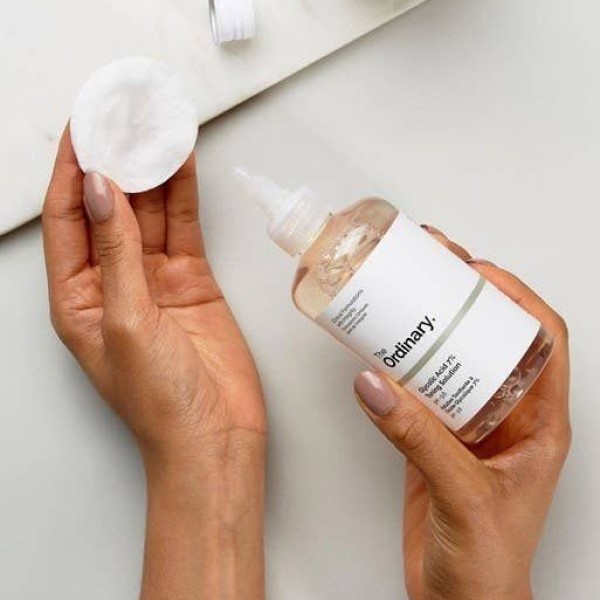
- Introduce toner as an optional step, and teach your child how to apply it gently using a cotton pad. This can also be a learning moment about proper skincare practices while maintaining a gentle touch.
Face Masks
- Fun and Engaging Skincare:
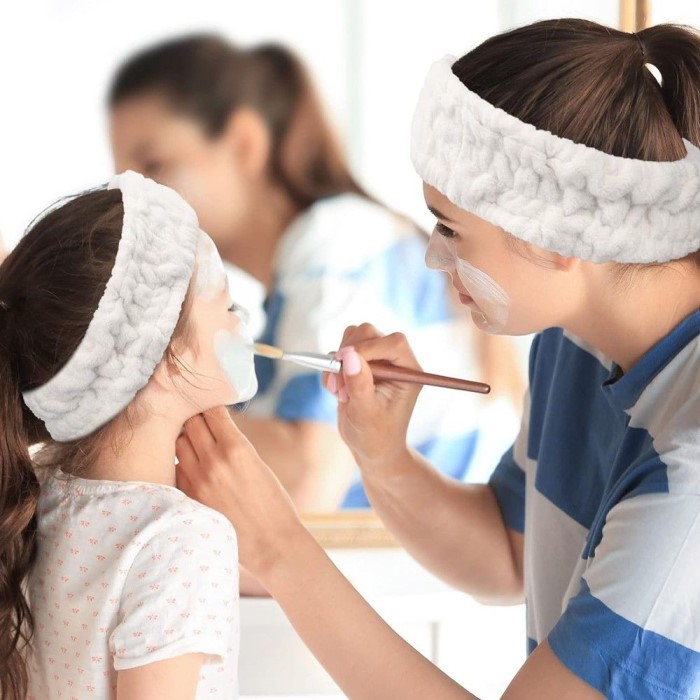
- Face masks can be a fun way to teach kids about skincare. Using masks can also offer educational opportunities, allowing children to understand the importance of treating their skin with care.
- Hydration and Calm:
- Look for hydrating or calming masks designed for sensitive skin. These masks can work wonders in maintaining moisture levels or soothing irritation. Masks containing natural ingredients such as honey, which has antibacterial properties, or yogurt, known for its soothing effects, are especially beneficial.
- Incorporating Masks into Routine:
- Plan specific times to use face masks together, such as during a family spa night. This can create positive associations with self-care and encourage your child to view skincare as a fun and rewarding activity.
- Educating About Ingredients:
- Engage your child in discussions about the ingredients in the masks. Teaching them about the benefits of the components—such as antioxidants or soothing agents—will enhance their understanding and appreciation for skincare.
Lip Balm
- Importance of Lip Care:
- Children’s lips are prone to dryness, especially in colder months or dry climates. Including a good lip balm in their skincare routine can help maintain softness and prevent chapped lips.
- Selecting Nourishing Lip Balms:
- Look for lip balms that contain hydrating ingredients such as shea butter, beeswax, coconut oil, or vitamin E. These components help seal moisture into the lips, keeping them soft and protected.
- Creating a Lip Care Routine:
- Encourage your child to apply lip balm regularly, especially before going outside or during dry conditions. Building this habit early will help them maintain healthy lips in the long run.
- Fun Lip Balm Options:
- Consider purchasing lip balms in fun flavors or with colorful packaging. This can make the process more enjoyable for children and help motivate them to use it regularly.
Building a Healthy Skin Care Routine
- Creating a Morning Routine:
- A skincare routine should start each day with gentle cleansing. After cleansing, apply a hydrating moisturizer followed by sunscreen. Involve your child in the process, allowing them to understand each product’s purpose. Making the morning routine a fun ritual can help them enjoy this essential part of their day.
- Establishing an Evening Routine:
- Encourage your child to cleanse their skin in the evening, especially following a day filled with outdoor activities. After cleansing, they can apply a lightweight evening moisturizer that will hydrate their skin overnight. Integrating this routine can help them ensure their skin remains clean and healthy while they sleep.
- Using Products Together:
- Use the opportunity of shared beauty routines to bond. Parents can demonstrate how to use products and answer questions, fostering a deeper understanding. Engaging with children during routines encourages them to take part actively and learn.
- Finding the Right Products Together:
- Involve your child in selecting their skincare products. Visit stores or browse online together, discussing the benefits of each product. This inclusion helps them feel ownership over their skincare routine, promoting responsibility.
- Encourage Consistency:
- Instilling a sense of consistency in their skincare routine is crucial for long-lasting habits. Make sure they understand that healthy skin requires regular care and that they will see results when they are consistent. Reinforce this through positive feedback regarding their efforts.
The Role of Education in Skincare
- Teaching About Ingredients:
- Educate your child about the ingredients in skin care products for 10 year olds. Discussing why certain ingredients are beneficial can empower them to make informed choices. Not only will this help them understand their own skin better, but it also instills a sense of responsibility regarding self-care.
- Recognizing Skin Changes:
- Teach your child how to recognize changes in their skin. Whether it’s dryness, redness, or breakouts, understanding their skin’s signals is vital for choosing appropriate products. Encourage them to speak openly about their skin concerns.
- Making it Fun:
- Try to make skincare educational without being overwhelming. Use fun language and visuals to explain concepts to ensure they stay engaged. Gamifying elements of the routine can keep childhood enthusiasm alive, making it easier for children to follow through.
Common Myths About Children’s Skin Care
- Myth: Children Don’t Need Skincare:
- One prevalent misconception is that skincare is only necessary for teenagers and adults. However, establishing a skincare routine early can promote lifelong healthy habits and better skin health.
- Myth: All Products for Adults are Safe for Kids:
- Many adults’ skincare products contain harsh ingredients unsuitable for delicate children’s skin. Products designed specifically for kids are formulated to be safe and effective.
- Myth: Sunscreen is Only Needed in Summer:
- Another myth is that sunscreen is necessary only during the hot summer months. UV rays can harm the skin year-round, making daily application critical.
Frequently Asked Questions (FAQs)
- What skincare should a 10 year old use?
A 10-year-old should use gentle cleansers, hydrating moisturizers, sunscreen, and possibly toners and face masks designed for their skin type. - What is the safest skincare product for kids?
The safest skincare products for kids are those specifically formulated for sensitive skin, free from harsh chemicals, and often hypoallergenic. Look for dermatologist-tested options. - Is CeraVe good for 10 year olds?
Yes, CeraVe products are suitable for 10 year olds as they contain beneficial ingredients like ceramides and hyaluronic acid, which help maintain and restore the skin barrier. - Can a 10 year old use toner?
Yes, if a 10-year-old experiences oily skin or early acne, they can use a gentle, alcohol-free toner, ideally under the guidance of a dermatologist.
Conclusion: Embracing Healthy Skin Care Habits
In conclusion, introducing skin care products for 10 year olds sets the foundation for lifelong healthy habits. By choosing the right products and establishing routines, parents can empower their children to take care of their skin, fostering appreciation for self-care as they grow. Teaching children how to care for their skin early on not only improves their skin health but also boosts their confidence.
As you embark on this journey of skin care with your child, remember to prioritize gentleness and encourage them to enjoy the process. A thoughtful approach, enriched with love and guidance, will lead to a successful skincare experience that nurtures both their skin and their self-esteem.