Clay Facial Mask Innovations: What’s New in Skincare This Year
Introduction
In the ever-evolving world of skincare, clay facial masks remain a favorite for many individuals. These masks are praised for their ability to detoxify the skin, absorb excess oils, and improve complexion. As we move into 2026, innovative advancements are shaping the clay facial mask landscape, making them more effective and versatile than ever before. This article will delve into the latest innovations in clay facial masks, highlighting new formulations, trending ingredients, and essential tips for incorporating these masks into your skincare routine.
The Science Behind Clay Facial Masks
1. Understanding Clay Types
Clay facial masks derive their effectiveness from various types of clay, each possessing unique properties that cater to different skin needs.
- Bentonite Clay: Known for its deep detoxifying properties, bentonite clay helps draw out impurities and excess oil from the skin. It’s ideal for acne-prone skin.
- Kaolin Clay: A gentler option, kaolin clay is perfect for sensitive skin. It helps absorb oil while providing a soothing effect, making it suitable for those with irritations.
- French Green Clay: Packed with minerals, French green clay not only absorbs oil but also improves circulation and revitalizes the complexion.
2. Benefits of Clay Masks
Clay masks offer a plethora of benefits for the skin. Some of these advantages include:
- Detoxification: Clay masks can pull toxins and impurities from deep within the pores, leading to a clearer complexion.
- Oil Control: These masks effectively absorb excess oil, making them a great choice for those with oily or combination skin.
- Exfoliation: The application process often provides gentle exfoliation, which helps in removing dead skin cells and promoting a smoother skin texture.
Innovations in Clay Facial Masks for 2026
1. New Ingredient Formulations
The skincare industry has seen a trend toward incorporating unique ingredients into clay facial masks to enhance their benefits. The following innovations are gaining traction:
Infusion with Natural Extracts
- Enhanced Performance: Many manufacturers are now infusing clay facial masks with natural extracts to boost their effectiveness. This trend reflects a growing demand for products that combine the cleansing properties of clay with the beneficial effects of botanicals.
- Popular Natural Extracts:
- Aloe Vera: Known for its soothing properties, aloe vera helps calm irritated skin while providing hydration. This makes it an ideal addition for those with sensitive or inflamed skin conditions, enhancing the overall soothing experience of the mask.
- Tea Tree Oil: Renowned for its antibacterial and anti-inflammatory properties, tea tree oil is particularly beneficial for acne-prone skin. Incorporating this extract into clay masks helps target breakouts and reduces redness, leading to clearer skin.
- Green Tea: Packed with antioxidants, green tea extract helps combat free radical damage and promotes a more youthful appearance. Its addition not only soothes the skin but also enhances the anti-aging benefits of the mask.
- Synergistic Effects: By combining clay with these natural extracts, manufacturers enhance the overall efficacy of clay masks. Users can enjoy both the detoxifying benefits of clay and the healing properties of natural ingredients, leading to healthier, more radiant skin.
Vitamin Enrichment
- Nutrient-Infused Formulations: Recent trends show a surge in the popularity of clay masks that contain added vitamins and minerals. This enrichment enhances the skin’s health and appearance, making the masks even more beneficial.
- Key Vitamins in Clay Masks:
- Vitamin C: Known for its brightening properties, Vitamin C helps even out skin tone and reduces dullness. When combined with clay, it boosts the mask’s ability to purify and detoxify while promoting a radiant complexion.
- Vitamin E: An antioxidant that works to protect and nourish the skin, Vitamin E enhances moisture retention. This combination with clay helps counterbalance any drying effects that traditional clay masks might have.
- Holistic Approach: The inclusion of vitamins transforms clay masks into multi-functional skincare products. Not only are they purifying the skin, but they also nourish it with essential nutrients, promoting holistic skin health.
Hydrating Elements
- Addressing Dryness: One common concern with traditional clay masks is their tendency to leave the skin feeling dry or tight after use. Recent innovations focus on adding hydrating elements to combat this issue, ensuring a more pleasant application experience.
- Key Hydrating Ingredients:
- Hyaluronic Acid: This powerful moisture-retaining ingredient can hold up to 1,000 times its weight in water. By incorporating hyaluronic acid into clay masks, manufacturers ensure that users maintain hydration levels, even while absorbing excess oils.
- Glycerin: A natural humectant, glycerin attracts moisture to the skin. Its presence in clay masks promotes hydration, helping to counteract any drying effects caused by the clay.
- Balanced Formulation: By adding these hydrating elements, clay masks can now provide dual benefits: purifying the skin while simultaneously ensuring it remains hydrated and comfortable. This innovation makes clay masks an attractive option for those hesitant to use traditional formulas due to concerns about dryness.
2. Eco-Friendly Packaging
As consumers become more environmentally conscious, many skincare brands are shifting towards sustainable packaging for their products.
- Recyclable Materials: Look for brands that utilize recyclable or biodegradable packaging material, minimizing their ecological footprint.
- Refillable Options: Some companies are introducing refillable containers for their clay masks, allowing consumers to reduce waste and engage more sustainably with their skincare routines.
How to Choose the Right Clay Facial Mask
1. Skin Type Considerations
When selecting a clay facial mask, it’s crucial to consider your unique skin type and concerns:
- Oily Skin: If you have oily skin, opt for masks containing bentonite or French green clay. These will assist in absorbing excess oil and unclogging pores.
- Sensitive Skin: For those with sensitive skin, kaolin clay masks are a safer option. They provide gentle detoxification without causing irritation.
- Combination Skin: Choosing a mask that combines various types of clay can be beneficial. Look for products that mix bentonite with kaolin for a balanced effect.
2. Personal Preferences
- Fragrance-Free Options: If you have a sensitivity to fragrances, consider choosing fragrance-free or unscented products to avoid irritations.
- Texture and Consistency: Clay masks come in various textures, including creamy and powder forms. Determine which consistency feels more comfortable for your application and removal process.
How to Use a Clay Facial Mask
1. Application Tips
The effectiveness of a clay facial mask depends on how it is applied. Follow these guidelines for best results:
- Cleanse First: Always begin with a clean face. Use a gentle cleanser to remove dirt, makeup, and excess oil before applying the mask.
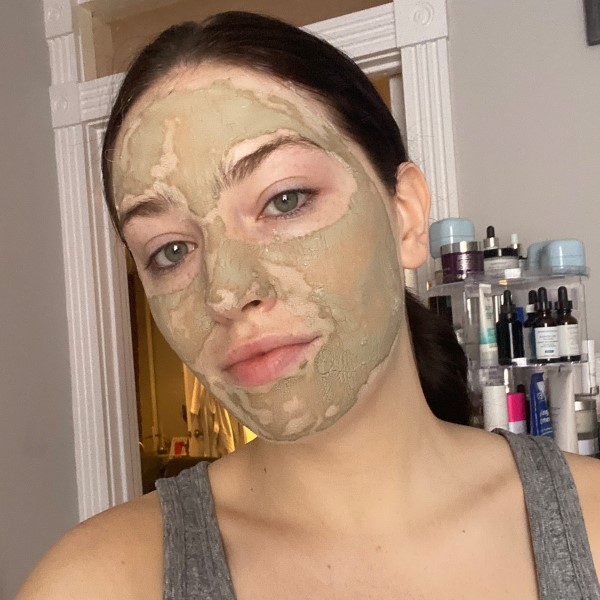
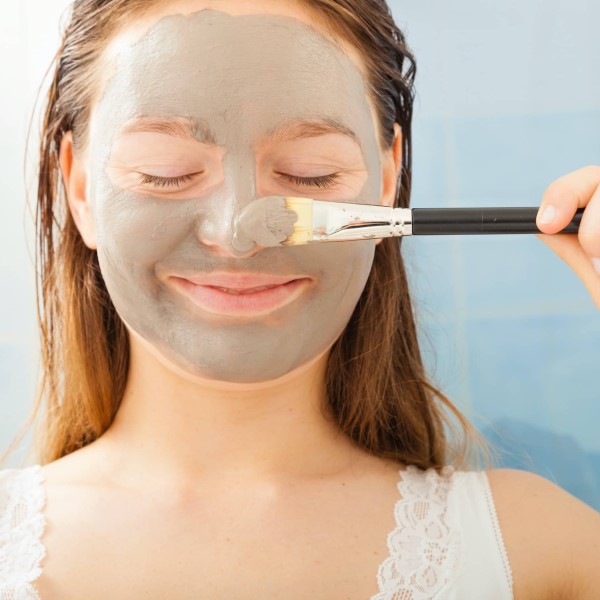
- Even Application: Using a brush or your fingers, apply an even layer of the mask to your face, avoiding the eye and mouth areas. Ensure that the coverage is consistent, as thick spots may lead to uneven drying.
2. Duration and Removal
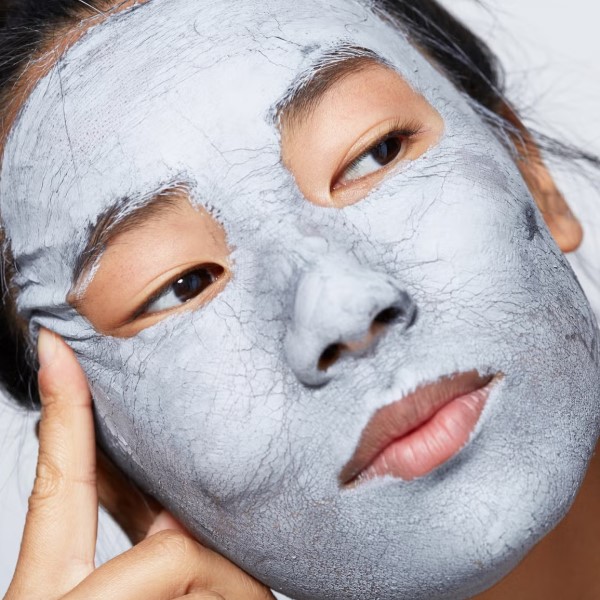
- Timing: Allow the mask to dry for about 10 to 15 minutes, but do not let it dry completely. If the mask is allowed to dry too long, it may extract moisture from the skin.
- Gentle Removal: Use lukewarm water to gently rinse the mask off. Pat your face dry with a clean towel and follow up with a moisturizer to lock in hydration.
3. Frequency of Use
To achieve optimal results, consider how often you should use a clay facial mask:
- Sensitive Skin: For sensitive skin, using a clay mask once a week is recommended to avoid irritation.
- Oily Skin: Those with oily skin may benefit from applying a clay mask 2-3 times a week, as it helps in controlling oil and preventing breakouts.
Frequently Asked Questions
Do dermatologists recommend clay masks?
Many dermatologists endorse clay masks for individuals with oily or acne-prone skin due to their ability to absorb oil and detoxify. However, always consult your dermatologist for personalized skincare advice.
What are the disadvantages of clay masks?
Some disadvantages include potential dryness after use, particularly with powerful clays like bentonite. Additionally, those with sensitive skin may experience irritation. It’s crucial to select the right type of clay based on your skin type.
How often should you use a clay facial mask?
Frequency varies depending on skin type. Generally, one to three times a week is recommended. Oily skin may benefit from more frequent applications, while sensitive skin should use them less frequently.
Conclusion
In conclusion, clay facial masks represent a timeless and effective solution for various skin concerns. With the latest innovations enhancing their effectiveness and user experience, these masks are a must-have in your skincare routine for 2026. From understanding the different types of clay and their benefits to choosing the right product tailored to your skin type, there are numerous factors to consider.
By staying informed about new formulations, ingredients, and application techniques, you can make the most of clay facial masks for healthier, glowing skin. Embrace the journey of self-care and explore the fantastic innovations in clay facial masks this year!