How Anti Inflammatory Skin Care Can Improve Your Skin Health
Introduction
In an era where skincare has become a significant part of wellness culture, understanding the importance of anti inflammatory skin care is crucial. Many people suffer from skin conditions characterized by redness, irritation, or blemishes. These issues can stem from various factors, including stress, environmental triggers, and diet. Anti-inflammatory skincare products can make a meaningful difference in managing these conditions. This article will explore how anti-inflammatory ingredients work, their benefits, and how they can improve your overall skin health.
The Science Behind Inflammation in Skin
What Is Inflammation?
Inflammation is your body’s natural response to irritants and injuries. When it occurs in the skin, it can lead to symptoms such as redness, swelling, heat, and pain. Common skin conditions influenced by inflammation include acne, rosacea, and eczema. Chronic inflammation can compromise the skin’s barrier function and lead to more severe skin problems down the line.
Causes of Skin Inflammation
Inflammation can be triggered by various factors, including:
- Environmental Factors: Pollution, UV exposure, and harsh weather conditions can irritate the skin.
- Diet: Foods high in sugars, processed ingredients, and allergens can contribute to inflammation.
- Stress: Emotional stress can worsen skin conditions, leading to flare-ups and exacerbating existing issues.
Benefits of Anti Inflammatory Skin Care
Reduces Redness and Irritation
One of the primary benefits of anti inflammatory skin care products is their ability to soothe redness and irritation. Many products feature calming ingredients that help reduce visible redness caused by conditions such as rosacea or acne.
- Calming Ingredients: Ingredients like chamomile, aloe vera, and green tea extract contain anti-inflammatory properties that provide immediate relief for irritated skin.
Promotes Healing
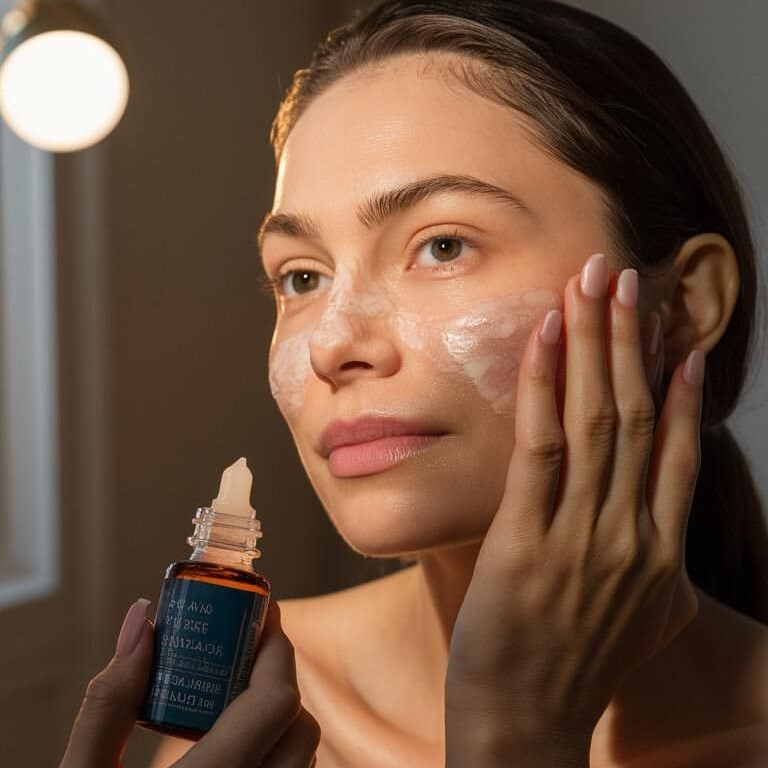
Anti-inflammatory products can help accelerate the healing process of the skin. For example, an anti-inflammatory serum can assist in reducing the signs of acne, thereby speeding up recovery time.
- Faster Recovery: Some ingredients, such as niacinamide, help repair the skin barrier, minimizing downtime and promoting a healthier complexion.
Improves Overall Skin Texture
Regular use of anti-inflammatory skincare can improve skin texture by preventing the formation of acne scars and other blemishes. These products can contribute to smoother, more even skin over time.
- Consistency Is Key: Consistently applying anti-inflammatory products can help maintain a balanced complexion and prevent flare-ups.
Key Ingredients in Anti Inflammatory Skin Care
Natural Anti-Inflammatory Ingredients
Choosing products infused with natural anti-inflammatory ingredients can maximize benefits. Here are some top choices:
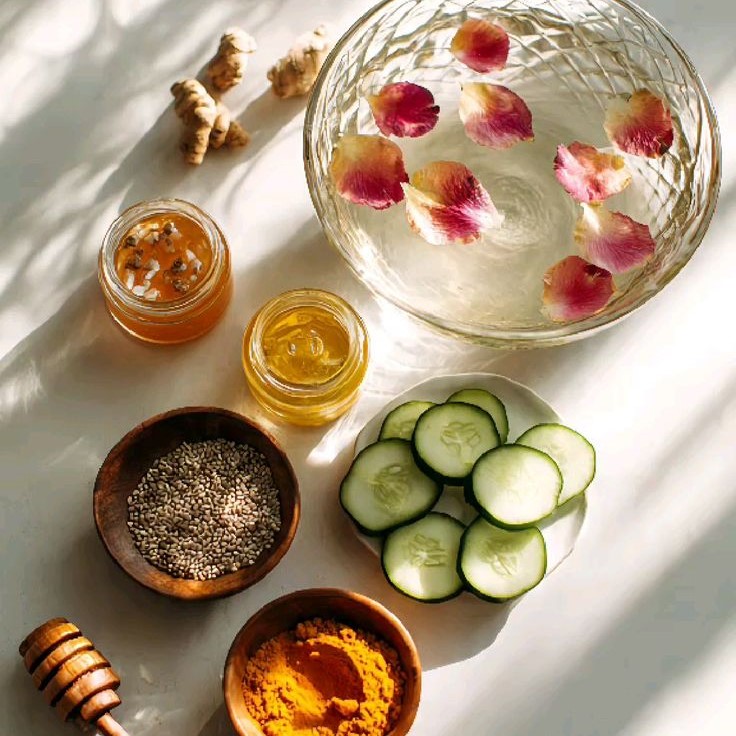
- Aloe Vera: Known for its soothing properties, aloe vera gel can calm irritated skin and provide hydration.
- Green Tea Extract: Rich in antioxidants, green tea helps combat inflammation, reducing redness and promoting healing.
- Chamomile: This flower extract is effective in calming sensitive skin and reducing irritation due to its natural anti-inflammatory properties.
Other Notable Ingredients
While natural ingredients are effective, other active components should not be overlooked:
- Niacinamide: This form of vitamin B3 helps improve the skin’s barrier function, even out skin tone, and alleviate redness.
- Salicylic Acid: Particularly beneficial for acne-prone skin, this beta hydroxy acid penetrates pores, helping to reduce inflammation and clear up blemishes.

How to Incorporate Anti Inflammatory Products into Your Routine
Step-by-Step Routine
Incorporating anti-inflammatory products into your skincare regimen is straightforward. Here’s a step-by-step guide:
- Cleanse: Use a gentle, hydrating cleanser that does not strip the skin of its natural oils. A non-foaming, cream-based cleanser with calming properties is ideal.
- Toner: Apply an alcohol-free toner that contains soothing ingredients such as rosewater or witch hazel. This can further prepare the skin for subsequent skincare products.
- Serum: Choose a serum enriched with anti-inflammatory ingredients like niacinamide or green tea extract. Serums are usually lightweight and penetrate deeply into the skin.
- Moisturizer: Use a calming moisturizer designed for sensitive or irritated skin. Look for options that feature aloe vera, shea butter, or other soothing ingredients.
- Sunscreen: Daily application of sunscreen with SPF 30 or higher is crucial, even when using anti-inflammatory products. Sun exposure can worsen skin irritation and inflammation.
Frequency of Use
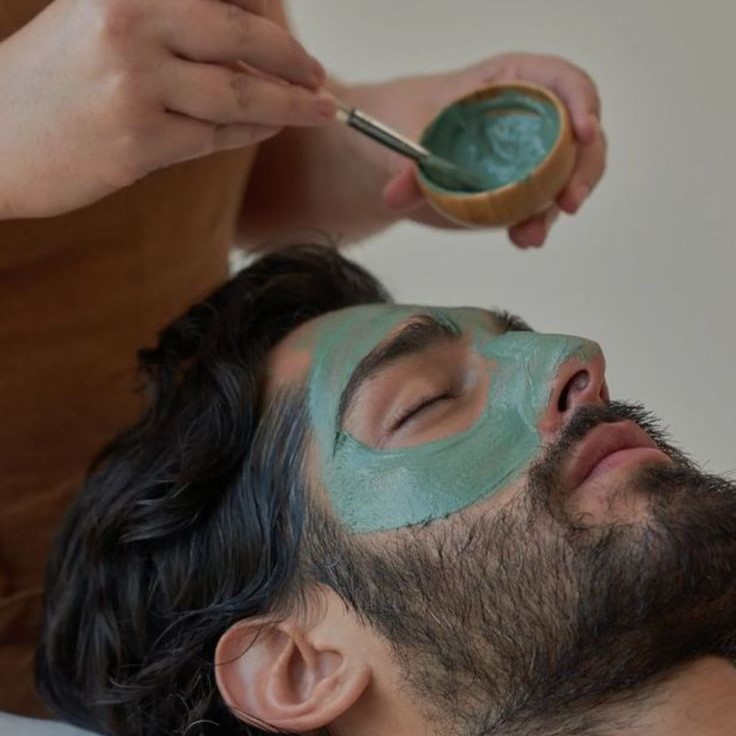
For maximum benefits, incorporate anti-inflammatory products into your routine based on your skin’s needs. Daily cleansing, toning, and moisturizing should be routine. Serums can be used either in the morning or evening, while masks can be applied 1-2 times per week for additional soothing benefits.
Lifestyle Factors Influencing Skin Inflammation
Dietary Considerations
What you consume greatly impacts your skin health. Including anti-inflammatory foods in your diet can reduce overall inflammation:
Omega-3 Fatty Acids
- Source of Omega-3 Fatty Acids: Omega-3 fatty acids are essential fats that the body cannot produce on its own. They must be obtained through diet. Primary sources include fatty fish such as salmon, mackerel, and sardines, as well as plant-based options like walnuts and flaxseeds.
- Anti-Inflammatory Properties: Research indicates that omega-3 fatty acids possess potent anti-inflammatory properties. They help to reduce the production of inflammatory chemicals in the body, which can alleviate symptoms of inflammatory conditions.
- Health Benefits Beyond Skin: While omega-3 fatty acids are particularly beneficial for skin health, they also support heart health by lowering triglyceride levels, reducing blood pressure, and improving overall cardiovascular function.
- Incorporating into Your Diet: Adding omega-3-rich foods to your meals can be easy. For instance, consider grilling salmon for dinner, sprinkling walnuts on salads, or adding ground flaxseeds to smoothies or oatmeal. Aim for at least two servings of fatty fish per week to reap maximum benefits.

Fruits and Vegetables
- Antioxidant-Rich Food Sources: Fruits and vegetables are abundant sources of antioxidants, essential compounds that help neutralize free radicals in the body. This neutralization helps protect skin cells from damage and promotes healthy skin.
- Specific Examples: Incorporate a variety of antioxidant-rich options into your meals. Berries like blueberries, strawberries, and blackberries are packed with antioxidants. Leafy greens, such as spinach and kale, provide essential vitamins and minerals that support skin health. Brightly colored vegetables, such as carrots, bell peppers, and beets, are also excellent choices.
- Health Benefits of Antioxidants: Antioxidants play a vital role in reducing inflammation in the body. They help improve skin texture, reduce signs of aging, and may even lower the risk of chronic diseases.
- Creative Ways to Add Them: Getting more fruits and vegetables into your diet can be enjoyable. Consider making smoothies with mixed berries, adding spinach to your omelet, or enjoying a colorful salad featuring a variety of vegetables. Aim for a “rainbow” of colors on your plate to ensure a diverse range of nutrients.
Hydration
- Importance of Staying Hydrated: Hydration is crucial for overall skin health. Drinking plenty of water helps maintain skin elasticity, keeping it plump and youthful. Proper hydration also flushes out toxins that can contribute to skin inflammation, helping to prevent breakouts and irritation.
- Guideline for Water Intake: While individual water needs vary, general recommendations suggest aiming for at least eight 8-ounce glasses of water a day, known as the “8×8 rule.” However, factors like climate, physical activity, and overall health can influence personal hydration needs.
- Signs of Dehydration: Paying attention to signs of dehydration is important. Common signs include dry skin, fatigue, headaches, and dark urine. If you experience these symptoms, it may be time to increase your water intake.
- Fun Ways to Stay Hydrated: Staying hydrated doesn’t have to mean only drinking water. Consider incorporating herbal teas, coconut water, or water-rich foods such as cucumbers, watermelon, and oranges into your daily routine. Adding a splash of lemon or cucumber slices to water can also make it more appealing.
Stress Management
Managing stress is critical for reducing skin inflammation effectively:
Mindfulness Practices
- Understanding Mindfulness: Mindfulness involves being fully present in the moment and aware of your thoughts, feelings, and sensations without judgment. Incorporating mindfulness practices into your routine can significantly improve mental health and overall well-being.
- Yoga: This ancient practice combines physical postures, breathing exercises, and meditation. Yoga not only enhances physical strength and flexibility but also promotes relaxation and stress relief. Regular sessions can help calm the mind and reduce anxiety levels, thereby benefiting skin health.
- Types of Yoga: Consider various styles, such as Hatha for beginners or Vinyasa for a more dynamic flow. Choose a style that resonates with you to make practice enjoyable.
- Meditation: Engaging in meditation can reduce stress and enhance emotional regulation. It fosters a state of calm, which can counteract the physical effects of stress on the body, including skin flare-ups caused by increased cortisol levels.
- Simple Techniques: Start with short sessions, focusing on your breath or using guided meditations available through apps. Gradually increase the duration as you become more comfortable with the practice.
- Deep Breathing Exercises: Practicing deep breathing can help recharge your body and mind. This technique involves inhaling deeply through the nose, allowing the diaphragm to expand, and exhaling slowly through the mouth.
- Breathing Techniques: Techniques such as the 4-7-8 method, where you inhale for 4 seconds, hold for 7 seconds, and exhale for 8 seconds, can significantly reduce stress levels and promote relaxation.
- Regular Practice for Long-Term Benefits: Incorporating mindfulness practices into your daily routine can lead to long-lasting emotional and physical health benefits. Regular engagement in these activities can lower cortisol levels, which reduces inflammation and the likelihood of skin flare-ups.

Adequate Sleep
- Importance of Quality Sleep: Quality sleep is vital for overall health, and it plays a significant role in skin health. During sleep, the body undergoes essential restorative processes, allowing it to repair cellular damage and regenerate skin cells.
- Recommended Hours: Aim for 7-9 hours of restorative sleep each night. Research indicates that sufficient sleep can lead to improved skin hydration, reduced inflammation, and a more radiant complexion.
- Consequences of Sleep Deprivation: Lack of sleep can lead to negative impacts on the skin, such as dark circles under the eyes, increased inflammation, and a dull complexion. Over time, chronic sleep deprivation may contribute to premature aging, making it essential to prioritize restful nights.
- Establishing a Sleep Routine: Creating a consistent nighttime routine can signal your body that it’s time to wind down. Consider the following tips:
- Set a Regular Sleep Schedule: Go to bed and wake up at the same time each day, even on weekends, to regulate your internal clock.
- Create a Relaxing Environment: Ensure your sleeping space is conducive to relaxation. Keep the room dark, cool, and quiet, and consider using blackout curtains or white noise machines if necessary.
- Limit Screen Time Before Bed: Avoid screens (phones, tablets, TVs) at least an hour before bedtime. The blue light emitted can disrupt the production of melatonin, the hormone responsible for regulating sleep.
- Pre-Sleep Activities: Engage in calming activities such as reading, listening to soothing music, or practicing relaxation techniques before bed. These rituals can help calm your mind, allowing you to fall asleep more easily.
FAQ Section
What skincare is anti-inflammatory?
Anti-inflammatory skincare includes products that feature soothing ingredients such as aloe vera, chamomile, and niacinamide. These products help reduce redness, irritation, and prevent inflammatory conditions like acne and rosacea.
How can I reduce inflammation on my skin?
To reduce inflammation on your skin, incorporate anti-inflammatory skincare products into your routine, adopt a healthy diet rich in anti-inflammatory foods, manage stress through mindfulness practices, and ensure adequate hydration.
Which serum is best for inflammation?
Serums containing niacinamide, green tea extract, or hyaluronic acid are excellent choices for reducing inflammation. They provide soothing benefits while also promoting hydration and skin healing.
Conclusion: Embrace Anti Inflammatory Skin Care for Healthier Skin
In conclusion, adopting an anti inflammatory skin care routine can significantly enhance your skin health and overall well-being. By understanding inflammation, incorporating targeted products, and considering lifestyle factors, you can effectively manage and reduce skin irritation. The benefits of anti-inflammatory skincare are profound, from soothing redness to improving overall texture. Prioritizing these strategies will not only promote a clearer complexion but also contribute to long-term skin health. Embrace anti-inflammatory products and techniques as essential components of your daily skincare regimen and experience the transformative impact they can have on your skin. Your journey to healthier skin starts now!