Menopause Skin Care: Addressing Concerns and Solutions
Introduction
As women transition into menopause, they undergo a multitude of physical changes, many of which directly impact their skin. The menopause skin care landscape becomes significantly more critical at this stage. Women often notice increased dryness, sensitivity, and changes in texture and elasticity. These changes may lead to common issues such as fine lines, wrinkles, and age spots. In this article, we will explore effective solutions and innovative products specifically tailored for menopause skin care, helping women address their concerns and adapt their routines accordingly.

The Impact of Menopause on Skin Health
Hormonal Changes and Their Effects
Menopause marks a significant reduction in estrogen levels, which plays a crucial role in maintaining skin health. Estrogen is responsible for collagen production, skin hydration, and overall firmness. As estrogen levels decline, women may find that their skin becomes thinner, less elastic, and more prone to dryness. The lack of collagen not only contributes to sagging skin but also makes fine lines and wrinkles more pronounced. Additionally, menopausal women may experience increased sensitivity, making their skin reactive to allergens and irritants.
Common Skin Concerns During Menopause
During menopause, women often experience several skin-specific concerns, including:
- Dryness: Hormonal changes can lead to reduced sebaceous gland activity, causing skin to feel parched and uncomfortable. This lack of oil can result in a tight or flaky sensation.
- Increased Sensitivity: With the skin barrier compromised, issues like redness and irritation may arise. Women may find that products they previously used irritate their skin.
- Uneven Skin Tone: Hormonal shifts may trigger the formation of age spots and melasma, resulting in uneven pigmentation.
- Loss of Elasticity: As collagen production decreases, the skin loses its firmness and elasticity, leading to sagging and the appearance of wrinkles.
- Decreased Radiance: The skin may appear dull due to the combination of dryness, uneven texture, and pigmentation changes.
Understanding these challenges is essential for developing an effective menopause skin care regimen.
Essential Ingredients for Menopause Skin Care
Hydrating Ingredients
Hydration is key to comfort and health during menopause. Consider incorporating the following ingredients into your skin care routine:
- Hyaluronic Acid: This powerful humectant can hold up to 1,000 times its weight in water. Products featuring hyaluronic acid will intensely hydrate the skin, giving it a plumper, more youthful appearance.
- Glycerin: Another excellent humectant, glycerin draws moisture from the environment into the skin, enhancing hydration levels while keeping the skin soft and supple.
- Squalane: Derived from olives or sugarcane, squalane mimics the skin’s natural oils, providing lightweight moisture without clogging pores.
Anti-Aging Ingredients
As women age, addressing signs of aging becomes increasingly important. Choose products with:
- Peptides: These tiny proteins can stimulate collagen production, promoting firmness and elasticity. Look for serums and creams that contain peptides to visibly improve skin texture.
- Retinol: A form of vitamin A, retinol can reduce fine lines and improve skin tone by accelerating cell turnover. Introduce retinol gradually to minimize irritation.
- Vitamin C: This antioxidant not only brightens the complexion but also aids in the synthesis of collagen, combating the signs of aging effectively.
Building a Menopause Skin Care Routine
Step-by-Step Guide
Creating an effective menopause skin care routine involves consistency and appropriate products. Consider the following step-by-step regimen:
- Gentle Cleansing: Start with a mild, hydrating cleanser that removes impurities without stripping natural oils. Avoid harsh soaps, as they may exacerbate dryness.
- Hydrating Toner: Utilize an alcohol-free toner containing soothing ingredients like rosewater or chamomile. This helps restore pH balance while providing an extra layer of hydration.
- Nourishing Serum: Apply a serum enriched with hyaluronic acid, peptides, or antioxidants. This step boosts moisture levels and prepares the skin for the following products.
- Moisturizer: Choose a thick, nourishing moisturizer that contains ingredients such as ceramides and glycerin. These will lock in moisture and restore the skin barrier.
- Sunscreen: Daily application of a broad-spectrum sunscreen with at least SPF 30 is crucial. UV radiation can worsen skin damage, making protection essential for aging skin.
- Weekly Exfoliation: Exfoliate once a week using a gentle exfoliant, either physical or chemical. This promotes cell turnover, revealing fresh skin and improving texture.
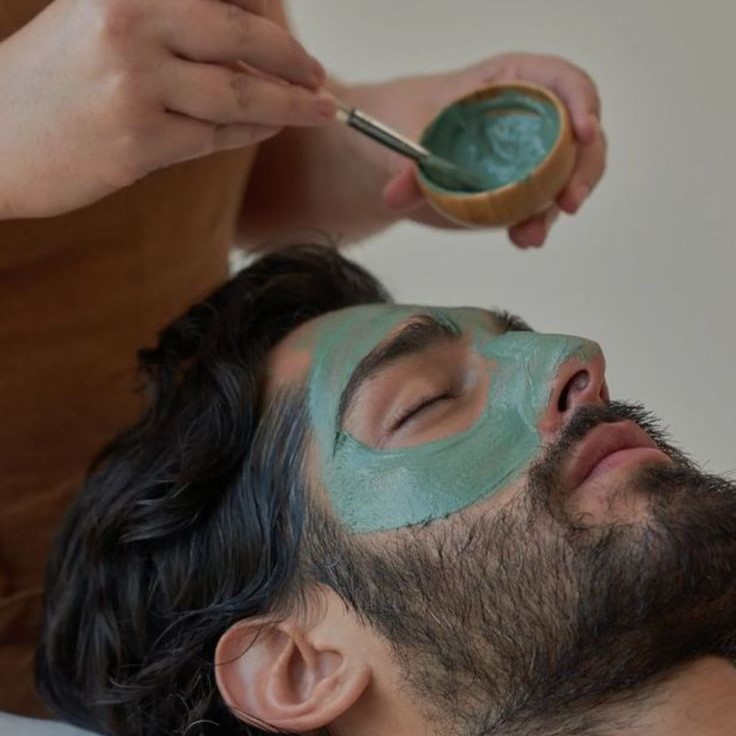
- Hydrating Masks: Incorporate hydrating masks into your routine once or twice a week. Look for masks that contain hyaluronic acid or other hydrating agents.
Effective Solutions for Specific Concerns
Addressing Dryness
For women experiencing significant dryness, consider the following solutions:
- Oil-Based Products: Use serums or oils, such as jojoba or marula oil, to nourish the skin. These products can provide replenishing moisture without feeling heavy.
- Hydrating Masks: Implement hydrating masks made with natural ingredients. Sheet masks infused with hyaluronic acid, for example, can provide a quick moisture boost.
Improving Skin Elasticity
To combat the loss of elasticity, consider:
- Retinoids: Along with retinol, other retinoids like tretinoin may improve skin firmness. These should be used under the guidance of a dermatologist.
- Collagen-Boosting Supplements: Consider oral collagen supplements. Some studies suggest they may enhance skin elasticity and hydration, promoting a youthful appearance from the inside.
- Facial Massage: Incorporate facial massage techniques into your routine. This can stimulate circulation and promote lymphatic drainage, improving the skin’s overall tone and firmness.
Lifestyle Factors Affecting Skin During Menopause
Diet and Hydration
What you put into your body directly impacts your skin’s health. Make sure to:
- Stay Hydrated: Drink plenty of water throughout the day to keep your skin hydrated from within. Aim for at least eight glasses daily, and adjust based on activity level and climate.
- Eat a Balanced Diet: Focus on a diet rich in fruits, vegetables, whole grains, and healthy fats. Antioxidant-rich foods, like berries and leafy greens, can help combat oxidative stress, promoting skin health.
Stress Management
Stress can exacerbate skin issues during menopause. Incorporate practices such as:
Exercise
- Promotes Circulation: Engaging in regular physical activity is essential for promoting healthy blood circulation throughout the body. Improved circulation ensures that oxygen and essential nutrients are efficiently delivered to all tissues, including the skin. This can lead to a healthier complexion and a vibrant appearance.
- Contributes to Overall Well-Being: Exercise is not only beneficial for physical health but also plays a significant role in mental well-being. Physical activity can enhance mood, reduce anxiety, and combat depression through the release of endorphins, often referred to as “feel-good” hormones. This holistic improvement in well-being positively impacts how you feel about yourself and how your skin reflects that inner health.
- Recommended Duration: Aim for at least 150 minutes of moderate exercise each week. This can be broken down into manageable sessions, such as 30 minutes a day, five times a week. Activities such as brisk walking, cycling, swimming, or dancing can be enjoyable ways to meet this goal.
- Find Activities You Enjoy: Choosing exercises that you genuinely enjoy can make it easier to stick with your routine. Whether it’s joining a dance class, hiking, or participating in team sports, engaging in enjoyable activities increases the likelihood of consistency and long-term adherence.
Mindfulness and Relaxation
- Stress Reduction Techniques: Incorporating mindfulness and relaxation practices into your daily routine can greatly lower stress levels. Stress is a common contributor to various health problems, including skin conditions, and finding ways to manage it is essential for overall wellness.
- Yoga: Practicing yoga combines physical postures, breathing exercises, and meditation. This holistic approach not only improves flexibility and strength but also promotes relaxation and mental clarity. Regular yoga sessions can help reduce tension, leading to a calmer state of mind and improved skin health.
- Meditation: Engaging in meditation allows you to center your thoughts and achieve a state of calm. By dedicating even a few minutes each day to meditation, you can cultivate awareness and reduce stress. This practice has been shown to lower cortisol levels, the hormone associated with stress, which can negatively impact skin health if left unchecked.
- Deep Breathing: Practicing deep breathing exercises is a simple yet effective way to alleviate stress. Focused deep breathing helps activate the body’s relaxation response, reducing feelings of anxiety while enhancing oxygen flow. This technique can easily be integrated into your daily routine, whether at work or at home.
- Improving Skin Appearance: These mindfulness and relaxation techniques can have a positive impact on skin health. By reducing cortisol levels and managing stress, you may experience fewer skin issues, such as breakouts or inflammation. A calm and centered state of mind also fosters a more positive self-image, which can contribute to the overall health and appearance of your skin.
Frequently Asked Questions (FAQs)
What is the best skincare routine for a 50-year-old woman?
The best skincare routine for a 50-year-old woman includes gentle cleansers, hydrating serums with hyaluronic acid, nourishing moisturizers with antioxidants, and daily sunscreen to protect against UV damage. Adopting retinol-based products can also help combat signs of aging.
How to get glowing skin in your 50s?
To achieve glowing skin in your 50s, focus on maintaining hydration levels with moisturizers and serums. Implement regular exfoliation and incorporate vitamin C serums to brighten the complexion. Additionally, never forget the importance of sunscreen to protect and maintain your skin’s radiance.
How to increase collagen in the face after menopause?
To increase collagen in the face after menopause, introduce topical treatments that contain retinoids and peptides. Supporting these efforts with oral collagen supplements or foods rich in protein can further bolster collagen levels, promoting skin elasticity and hydration.
Conclusion
In summary, focusing on menopause skin care is vital for maintaining healthy, youthful skin during this transitional phase. Understanding the hormonal changes and their effects on skin health empowers women to select suitable products and adopt effective routines. By incorporating hydration-boosting and anti-aging ingredients into daily care, individuals can effectively combat dryness, sensitivity, and signs of aging. Always remember that self-care includes a holistic approach; nutrition, hydration, and stress management all play essential roles in achieving beautiful skin. Embracing these strategies will not only enhance skin health but also boost self-confidence during this transformative period in a woman’s life. Investing in menopause skin care is not just a choice; it’s a commitment to maintaining radiance at every stage.