Why Non Comedogenic Skin Care is a Must for Acne-Prone Skin
Introduction
In today’s skin care world, many products claim to be beneficial for our skin. However, for anyone with acne-prone skin, the choice of products becomes critical. Non comedogenic skin care is designed to avoid clogging pores. This makes it essential for individuals who struggle with breakouts and other skin blemishes. Understanding why non comedogenic products should be a staple in your skin care routine can prevent further skin problems and enhance your complexion.
Understanding Non Comedogenic Products
What Does Non Comedogenic Mean?
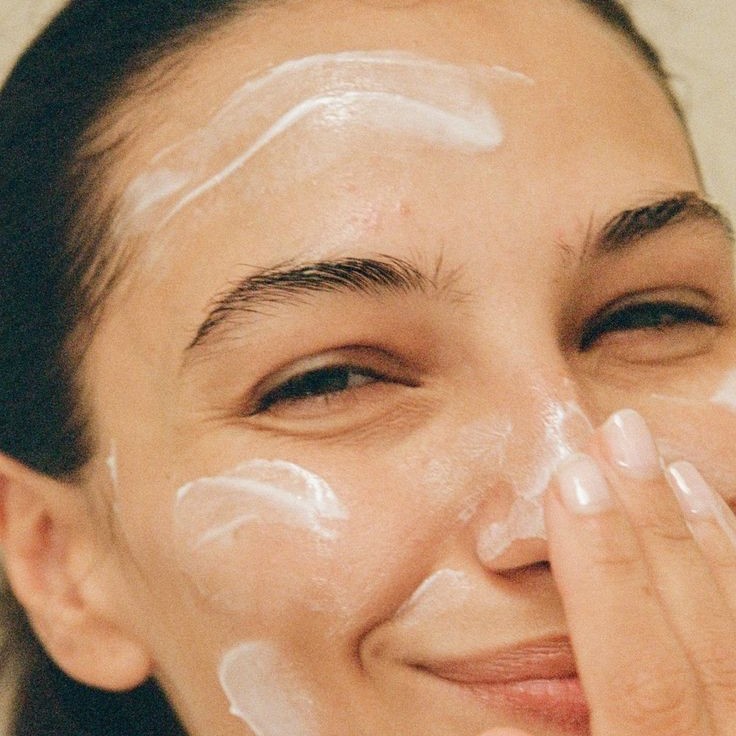
The term “non comedogenic” refers to products specifically formulated to not cause comedones, or clogged pores. Comedones can lead to various skin issues, including whiteheads, blackheads, and acne. Non comedogenic products aim to allow the skin to breathe while providing hydration and nourishment. Generally, these products avoid heavy oils, silicones, and waxes that tend to block pores.
Why Are Non Comedogenic Products Important?
Non comedogenic skin care products are vital for anyone with oily or acne-prone skin. Using products that clog pores can exacerbate existing issues, leading to a cycle of breakouts. By choosing non comedogenic options, individuals help maintain clearer skin. This not only reduces the risk of new breakouts but also aids in promoting a balanced skin environment. When skin isn’t constantly fighting against clogged pores, it may appear healthier and more radiant.
Benefits of Non Comedogenic Skin Care
Keeps Pores Clear
The primary benefit of using non comedogenic skin care is that it helps keep pores clear. This, in turn, reduces the likelihood of developing new acne or other blemishes. Many products contain ingredients designed to absorb easily into the skin without leaving a heavy residue. As a result, your skin can maintain its natural balance without developing unwanted breakouts.
Reduces Breakouts
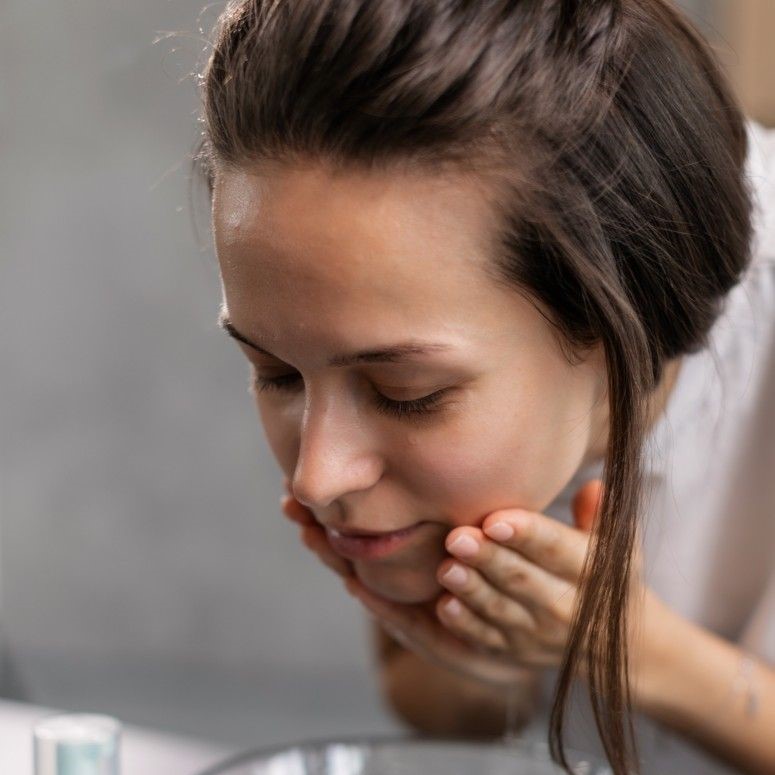
By avoiding products that clog pores, non comedogenic skin care products minimize breakouts. Regular use can lead to smoother skin and fewer imperfections. Additionally, many people notice reduced inflammation and irritation, making non comedogenic products suitable for sensitive skin types.
Encourages Healthy Moisture Levels
Non comedogenic moisturizers can provide hydration without the risk of causing breakouts. They often contain lightweight ingredients, such as hyaluronic acid or glycerin, which hydrate the skin effectively. Thus, users can enjoy soft, supple skin without the fear of greasiness or clogging pores.
Common Ingredients in Non Comedogenic Skin Care Products
Recognizing Good Ingredients
When seeking non comedogenic skin care products, it’s important to recognize beneficial ingredients. For example:
- Aloe Vera: Known for its soothing properties, aloe vera hydrates while being lightweight.
- Hyaluronic Acid: This ingredient retains moisture in the skin without heavy oils.
- Glycerin: A natural humectant that draws moisture to the skin.
- Squalane: Derived from plants, this lightweight oil hydrates without clogging pores.
Ingredients to Avoid
Conversely, several ingredients should be avoided when selecting products for acne-prone skin. For instance:
Mineral Oil
Mineral oil is a widely used ingredient in various cosmetic and personal care products. However, while it offers certain benefits, it also comes with some potential downsides.
1. Common Uses
- Moisturizing Agent: Mineral oil is often praised for its ability to lock in moisture, making it a popular choice in lotions, creams, and other skincare products. It helps create a barrier on the skin to prevent water loss.
- Emollient Properties: It provides a smooth texture, making products easier to apply and enhancing the overall sensory experience.
2. Potential Drawbacks
- Dirt and Bacteria Trapping: While it helps retain moisture, mineral oil can trap dirt, debris, and bacteria on the skin’s surface. This can lead to clogged pores and potentially result in breakouts or skin irritation.
- Not Suitable for All Skin Types: Individuals with oily or acne-prone skin may find that mineral oil exacerbates their conditions, as it can create a barrier that prevents the skin from breathing properly.
Lanolin
Lanolin is a natural, heavy wax derived from sheep’s wool, commonly used in skincare products for its moisturizing properties. However, it also presents certain concerns.
1. Benefits of Lanolin
- Intense Moisturization: Lanolin is known for its ability to hydrate and seal moisture in the skin. It forms a protective barrier that helps prevent transepidermal water loss, making it beneficial for extremely dry or chapped skin.
- Skin Repair: Thanks to its emollient properties, lanolin can assist in skin healing, making it a common ingredient in ointments for dry patches or chapped lips.
2. Possible Side Effects
- Pore Clogging: The thickness of lanolin can lead to clogged pores, particularly for individuals with oily or acne-prone skin. This blockage can cause blackheads or breakouts.
- Allergic Reactions: Some individuals may be sensitive or allergic to lanolin. Skin irritation, redness, or itching may occur, making it vital to patch-test products containing this ingredient before widespread use.
Silicones
Silicones are synthetic compounds commonly used in beauty and skincare products for their smooth application and feel. While they offer many advantages, they also have some notable drawbacks.
1. Advantages of Silicones
- Smoothing Effects: Silicones provide a silky, smooth texture to formulations, enhancing the application experience. They help products glide on the skin effortlessly, which is often appreciated in makeup.
- Water Resistance: Many silicones impart water-resistant properties, making them ideal for long-wear products like foundations and primers.
2. Disadvantages of Silicones
- Pore Blockage: One of the primary concerns with silicones is their potential to clog pores. This can be problematic for individuals with oily or acne-prone skin, as it may lead to the development of blemishes.
- Difficult to Remove: Silicones can create a film on the skin that is not easily washed away. This may require the use of specific cleansing products to thoroughly remove them, which can make skincare routines more complicated.
How to Identify Non Comedogenic Products
Checking Labels
To determine if a product is non comedogenic, always check the label. Many brands label their products clearly. Look for terms like “non comedogenic” or “oil-free.” These labels usually indicate that the formulation is safe for acne-prone skin. Furthermore, becoming familiar with ingredient lists will help you understand what works best for your skin type.
The Importance of Patch Testing
Patch testing new products is a vital step in any skin care routine. Before applying a new product to your entire face, put a small amount on a less visible area, such as your wrist. Observe for any adverse reactions, such as redness or breakouts. This precaution can help you protect your skin from potential irritation.
Frequently Asked Questions (FAQs)
What brands are non-comedogenic?
Many reputable brands offer non-comedogenic products. Some popular brands include Neutrogena, Cetaphil, and Clinique. Ensure to check the packaging for specific non comedogenic labels, as formulations may vary within the same brand.
How do I know if a product is non-comedogenic?
Products labeled as “non comedogenic” or “oil-free” are typically suitable for acne-prone skin. Furthermore, you can research ingredients online or consult with dermatologists when in doubt.
What is the 1% rule in skincare?
The 1% rule suggests that no more than 1% of a product’s total formula should be comedogenic. This guideline allows for safe usage without exacerbating acne-prone skin.
Is Korean skincare non-comedogenic?
Korean skincare products vary widely, but many brands focus on non comedogenic formulations. As always, check the labels and ingredients list to ensure they meet your needs.
How to Build a Non Comedogenic Skin Care Routine
Steps for an Effective Routine
Creating a non comedogenic skin care routine can be straightforward. Follow these simple steps:
Cleanser
Starting with a good cleanser is essential for maintaining healthy skin. Here are some key points to keep in mind:
1. Gentle Formula
- Importance of Gentle Cleansing: A gentle cleanser doesn’t strip away the skin’s natural oils. It effectively removes dirt, makeup, and impurities without causing irritation or dryness.
- Avoid Harsh Ingredients: Look for cleansers that are free from sulfates and harsh detergents, which can disrupt the skin barrier and lead to sensitivity.
2. Non-Comedogenic Characteristics
- Definition of Non-Comedogenic: A non-comedogenic cleanser is formulated to prevent clogged pores. This quality is particularly important for individuals with acne-prone or oily skin.
- Benefits for Skin: Using a non-comedogenic product reduces the risk of breakouts and allows the skin to breathe, promoting a healthier skin environment overall.
Toner
After cleansing, applying a toner can further enhance your skincare routine. Here’s what to consider:
1. Alcohol-Free Option
- Avoid Harsh Alcohols: Alcohol-based toners can dry out the skin and cause irritation. Instead, choose alcohol-free options to maintain hydration.
- Balancing Properties: Alcohol-free toners are designed to aid in balancing the skin’s moisture levels, helping it feel refreshed rather than stripped.
2. pH Level Balance
- Why pH Matters: The skin’s natural pH level is slightly acidic, typically around 4.5 to 5.5. A toner helps restore this balance after cleansing, which is essential for skin health.
- Preparation for Other Products: A balanced pH can enhance the effectiveness of subsequent products such as serums and moisturizers, ensuring they absorb properly.
Serum
Incorporating a serum into your routine can significantly benefit your skin. Consider the following:
1. Lightweight Formula
- Ease of Absorption: A lightweight serum is easily absorbed by the skin, delivering active ingredients directly where they’re needed without feeling heavy or greasy.
- Layering Compatibility: Lightweight serums can be layered with other products, making them a versatile choice for customized skincare routines.
2. Hydrating Ingredients
- Hyaluronic Acid Benefits: Look for serums that contain hyaluronic acid, which is a powerful humectant. It attracts moisture to the skin, ensuring deep hydration.
- Long-Lasting Effects: Regular use of a hydrating serum can improve skin texture, making it look plumper and more radiant over time.
Moisturizer
Selecting the right moisturizer is crucial for maintaining skin hydration. Here’s what to keep in mind:
1. Non-Comedogenic Option
- Prevent Clogged Pores: A non-comedogenic moisturizer will hydrate the skin without clogging pores, making it ideal for all skin types, especially oily and acne-prone skin.
- Lightweight Textures: Consider gel-based or lightweight cream moisturizers for a non-greasy feel while still providing adequate hydration.
2. Hydration Importance
- Daily Hydration: Daily hydration helps to maintain the skin barrier, protect against environmental stressors, and reduce dryness.
- Skin Type Consideration: Choose a moisturizer that matches your skin type — for example, creamier products for dry skin and lighter formulations for oily skin.
Sunscreen
Applying sunscreen is an essential step in any skincare routine. Here’s why it matters:
1. Importance of Sunscreen
- Protection from UV Rays: Sunscreen helps protect against harmful UVA and UVB rays, which can cause skin damage, premature aging, and increase the risk of skin cancer.
- Daily Application: It’s crucial to wear sunscreen every day, even on cloudy days, as UV rays can penetrate through clouds and harm your skin.
2. Broad-Spectrum Formula
- What to Look For: Choose a broad-spectrum sunscreen that protects against both UVA and UVB rays. This comprehensive protection is essential for long-term skin health.
- Non-Comedogenic Label: Opt for a sunscreen that is labeled non-comedogenic to ensure it won’t clog pores or contribute to acne breakouts.
Conclusion: The Essential Role of Non Comedogenic Skin Care
In conclusion, for anyone with acne-prone skin, prioritizing non comedogenic skin care is a must. By choosing products designed to keep pores clear, individuals can reduce the risk of breakouts while achieving healthier skin overall. Remember that understanding what ingredients work best for your skin is crucial. With a clear understanding and the right products, you can take confident steps toward achieving the flawless complexion you desire. Embrace non comedogenic skin care as a vital part of your routine, and watch as your skin transforms!