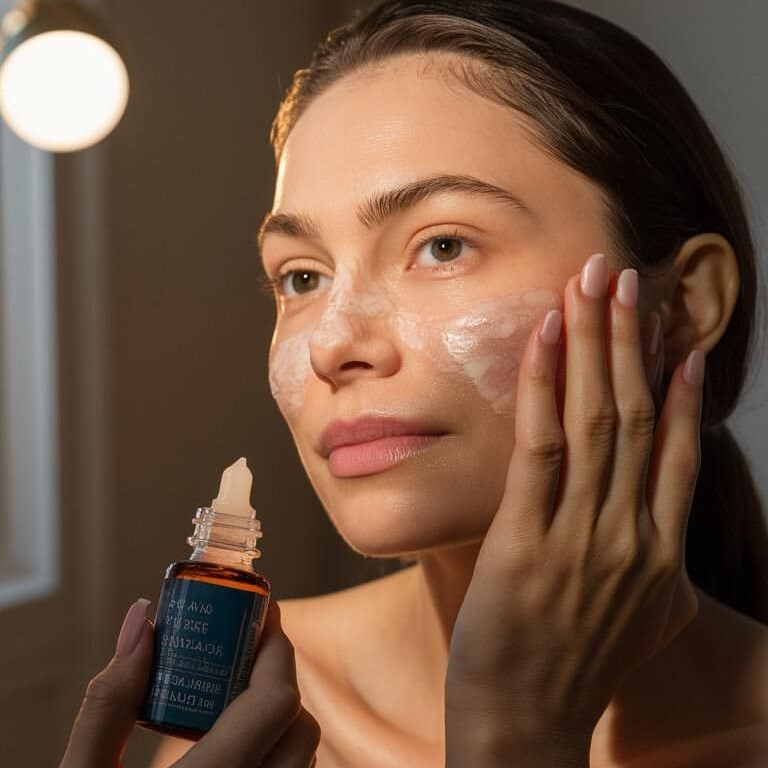
Holistic Healing: How Ayurvedic Skin Care Addresses Skin Issues
Understanding
Ayurvedic skin care is a holistic approach to maintaining skin health by treating the body, mind, and spirit as interconnected systems. This ancient practice, rooted in Indian philosophy, emphasizes harmony and balance. By harnessing the power of natural ingredients and techniques, Ayurvedic skin care addresses a variety of skin issues while promoting overall well-being. In this article, we will delve into how Ayurvedic practices provide effective solutions for common skin concerns, the principles behind these remedies, and how you can incorporate them into your daily routines.

What is Ayurvedic Skin Care?
Ayurvedic skin care is part of a broader wellness philosophy known as Ayurveda, which translates to “the science of life.” This system recognizes that every individual is unique, governed by their dosha—Vata, Pitta, or Kapha. These doshas influence your physical health, emotional state, and even your skin type. Ayurvedic skin care focuses on balancing these doshas to address skin problems effectively. For example, a person with a Pitta imbalance may experience excessive oiliness or inflammation, leading to issues like acne or rosacea.
In Ayurvedic philosophy, skin issues are not merely treated superficially. Instead, the root causes—often linked to diet, lifestyle, and emotional well-being—are tackled for lasting results. Ayurvedic skin care incorporates a variety of natural ingredients, including herbs, essential oils, and minerals, making the approach both effective and safe.
The Benefits of Holistic Healing
One of the primary advantages of Ayurvedic skin care lies in its holistic healing properties. This practice promotes not just superficial results but also the underlying health of the skin. By embracing a whole-person perspective, Ayurvedic remedies significantly contribute to:

Enhanced Skin Vitality
- Use of Natural Ingredients: Natural ingredients such as turmeric, neem, and aloe vera play a crucial role in Ayurvedic skin care. These ingredients are rich in essential nutrients that are beneficial for skin health.
- Rejuvenating Properties: Turmeric, known for its anti-inflammatory and antioxidant properties, helps brighten the skin and improve overall skin tone. Neem is celebrated for its ability to purify and protect the skin from infections. Meanwhile, aloe vera is renowned for its hydrating and soothing effects, making it an excellent choice for revitalizing the skin.
- Nutrient Provision: The essential nutrients provided by these natural ingredients help nourish the skin on a cellular level, promoting better skin vitality, elasticity, and resilience.
Improved Skin Texture
- Importance of Exfoliation: Ayurvedic practices emphasize the significance of regular exfoliation, which is vital for removing dead skin cells and promoting new cell turnover.
- Proper Cleansing: In addition to exfoliation, proper cleansing routines are essential in Ayurvedic skin care. Using gentle, natural cleansers allows for effective removal of impurities without stripping the skin of its natural oils.
- Smoothness and Health: Regular exfoliation and effective cleansing contribute to a smoother texture, making the skin feel softer and more refined. Over time, following these practices leads to an overall healthier complexion.
Reduced Inflammation
- Anti-Inflammatory Herbs: Many herbs and oils utilized in Ayurvedic treatments are praised for their potent anti-inflammatory properties. Ingredients like chamomile, calendula, and licorice help soothe irritated skin, providing relief from redness and swelling.
- Treatment of Skin Conditions: These anti-inflammatory properties are especially beneficial for individuals suffering from skin conditions like eczema and psoriasis, as they help reduce flare-ups and promote healing.
- Holistic Healing Approach: By focusing on reducing inflammation through natural remedies, Ayurvedic skin care supports a holistic healing process, addressing both the symptoms and underlying causes of skin issues.
A Natural Glow
- Consistent Use of Remedies: Regular application of Ayurvedic remedies leads to visibly healthier skin. This consistency is key for seeing long-term results.
- Nourishing Properties: The nourishing benefits of Ayurvedic ingredients, such as deep hydration and balanced oil production, contribute to a natural glow. Natural oils and herbal extracts help maintain optimal moisture levels, preventing dryness and dullness.
- Radiant Complexion: Over time, the cumulative effect of these practices results in a luminous and radiant complexion, enhancing your overall appearance and boosting confidence.
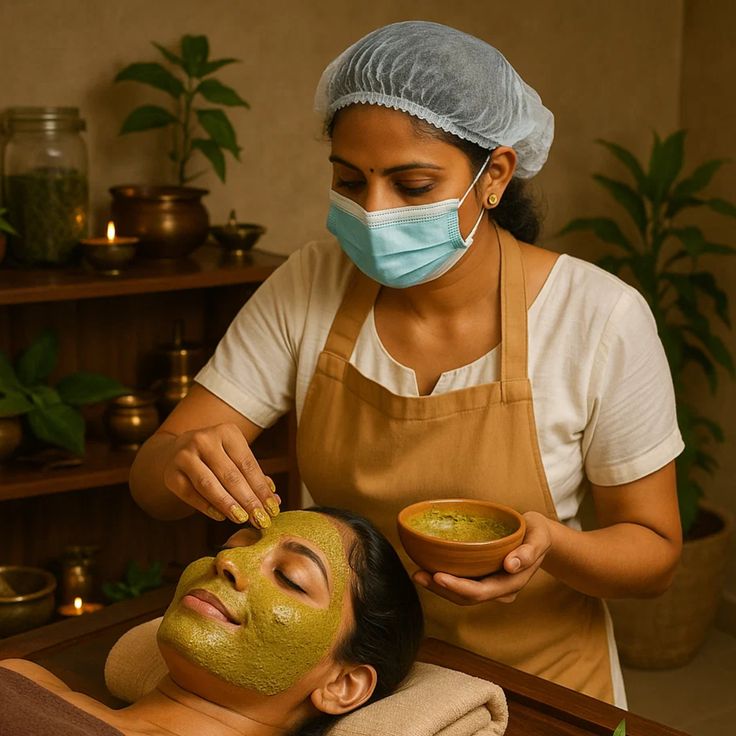
How to Take Care of Skin According to Ayurveda
If you want to embrace Ayurvedic skin care principles, there are several practical steps you can take to enhance your skincare routine:
1. Know Your Dosha
Understanding your dosha is pivotal in customizing your skincare routine. For instance:
- Vata: Dry, sensitive skin may require moisturizing oils and creamy cleansers.
- Pitta: Oily or sensitive skin may benefit from cooling ingredients to reduce inflammation.
- Kapha: Oily skin usually demands lightweight, astringent products that exfoliate effectively.
2. Incorporate Natural Ingredients
Utilizing natural ingredients is essential. Some popular options include:
Turmeric
- Anti-Bacterial Properties: Turmeric is widely recognized for its powerful anti-bacterial characteristics. This makes it highly effective in combating acne, as it helps to kill acne-causing bacteria on the skin’s surface.
- Anti-Inflammatory Benefits: In addition to its anti-bacterial effects, turmeric possesses significant anti-inflammatory properties. This helps to reduce redness, swelling, and irritation associated with acne breakouts, promoting a more even skin tone.
- Rich in Curcumin: The active compound in turmeric, curcumin, is responsible for many of its health benefits. Curcumin aids in speeding up the healing process, allowing the skin to recover more quickly from blemishes and inflammation.
- Usage in Skin Care: Turmeric can be easily incorporated into skin care routines through face masks, scrubs, or serums, making it a versatile ingredient for achieving clearer skin.
Neem
- Purifying Effects: Neem is a powerful herb renowned for its ability to purify the skin. Its natural antiseptic properties help cleanse the skin of impurities, toxins, and dead skin cells, resulting in a healthier complexion.
- Reduction of Excess Oil: For those with oily or acne-prone skin, neem is particularly beneficial. It helps regulate oil production, preventing the clogging of pores that often leads to breakouts.
- Healing Properties: Neem also promotes healing of existing blemishes and acne scars. Its anti-inflammatory and healing properties support the skin’s natural recovery process, improving overall skin health.
- Multiple Forms for Use: Neem can be used in various forms, including neem oil, powders, and extracts. This versatility allows for easy integration into different skin care products, such as cleansers, masks, and lotions.
Aloe Vera
- Hydration Powerhouse: Aloe vera is well-known for its exceptional hydrating properties. Its high water content provides moisture to the skin, keeping it plump and well-hydrated.
- Soothing Qualities: In addition to hydration, aloe vera is highly soothing. It alleviates irritation and redness, making it an ideal choice for sensitive or inflamed skin types.
- Non-Comedogenic Nature: One of the key advantages of aloe vera is that it moisturizes without clogging pores. This non-comedogenic nature ensures that it hydrates the skin without causing breakouts or exacerbating existing acne.
- Versatile Usage: Aloe vera can be applied directly from the plant or used in the form of gels, creams, or lotions, allowing for straightforward incorporation into daily skin care routines. Additionally, it can be used in soothing sunburns and minor skin irritations due to its calming effects.
3. Regular Exfoliation
Regular exfoliation is necessary to remove dead skin cells and promote new skin growth. In Ayurveda, gentle exfoliation with natural scrubs—such as rice flour or chickpea flour—ensures that the skin remains radiant.
4. Focus on Diet
Your diet plays a crucial role in your skin’s health. Incorporating whole foods, plenty of fruits and vegetables, and staying hydrated can dramatically affect your skin.
The Golden Rule of Ayurveda
The golden rule of Ayurveda emphasizes balance in all aspects of life, including diet, lifestyle, and skincare. It’s crucial to listen to your body and understand its needs, ensuring that you give it what it requires to thrive. This applies to skincare as well; using products that align with your unique skin type and imbalances leads to better results.

Common Skin Issues Addressed by Ayurvedic Practices
- Acne: Caused by excess oil or hormonal imbalances, Ayurveda treats acne by focusing on purifying the body and using natural astringents.
- Dry Skin: This can result from environmental factors or imbalanced doshas. Hydration through oil-based products and hydration from within is key.
- Dark Spots: Often a result of sun exposure or hormonal changes, treatments may include natural brightening agents like turmeric and sandalwood.
Frequently Asked Questions
What is Ayurvedic Skin Care?
Ayurvedic skin care refers to a holistic approach to skincare based on the principles of Ayurveda. It aims to treat the root causes of skin issues rather than just their symptoms, emphasizing balance and natural remedies.
How to Take Care of Skin According to Ayurveda?
To care for your skin according to Ayurveda, understand your dosha, incorporate natural ingredients, ensure regular exfoliation, and maintain a balanced diet to promote overall skin health.
What is the Golden Rule of Ayurveda?
The golden rule of Ayurveda is to seek balance in all aspects of life, including personal care, emphasizing the importance of harmony between body, mind, and spirit.
Integrating Ayurvedic Skin Care into Your Life
Incorporating Ayurvedic principles into your skincare routine doesn’t have to be complex. Start by gradually introducing natural ingredients into your regimen. Monitor the effects on your skin and adjust accordingly. Remember, true healing is a journey, not a destination. Moreover, it’s essential to consult with an Ayurvedic practitioner for personalized guidance and recommendations tailored to your skin’s specific needs.
Conclusion
Ayurvedic skin care offers a wealth of knowledge and practices aimed at resolving various skin issues through a holistic lens. From identifying your dosha to integrating natural ingredients and lifestyle changes, Ayurvedic methods can help you achieve healthier skin. By considering both the internal and external factors that affect skin health, you can create a comprehensive skincare routine that not only addresses existing issues but also prevents future problems. Embracing Ayurvedic skin care is a step towards achieving not just beautiful skin, but a balanced and harmonious life.
In closing, whether you’re dealing with acne, dryness, or simply seeking a more natural approach, Ayurvedic skin care can provide valuable solutions. With its rich traditions and time-tested remedies, it’s time to explore the transformative power of Ayurveda for your skin. Remember, improving your skin starts from within!