Revolutionary Hypoallergenic Skin Care Trends to Watch in 2026
Introduction
Hypoallergenic skin care is becoming increasingly essential for individuals looking to maintain healthy skin while avoiding irritation. In 2026, as we witness a surge in awareness about the ingredients used in personal care products, the demand for hypoallergenic alternatives continues to rise. These products are specially formulated to minimize the risk of allergic reactions, making them ideal for those with sensitive skin or skin conditions like eczema, rosacea, and acne. In this article, we will explore the revolutionary trends in hypoallergenic skin care that are set to dominate the market this year.
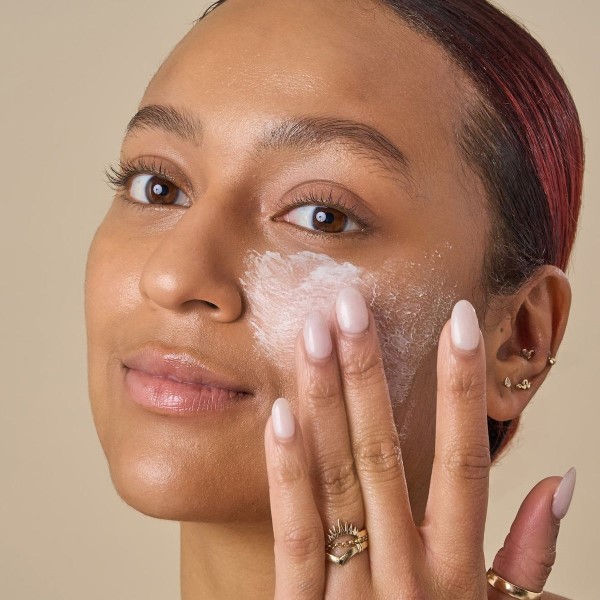
The foundation of hypoallergenic skin care lies in the careful selection of ingredients. These formulations often avoid using common irritants, such as synthetic fragrances, dyes, and harsh chemicals. Therefore, they provide a safer alternative for individuals prone to adverse reactions. As consumers become more informed about their skincare choices, the popularity of hypoallergenic products is on the rise, attracting not only those with sensitive skin but also anyone seeking gentler skincare options.
The Rise of Natural Ingredients
- Emphasis on Plant-Based Formulations: One of the most significant trends in hypoallergenic skin care is the growing emphasis on natural ingredients. In 2026, many brands are prioritizing plant-based formulations that are free from synthetic chemicals and additives. Ingredients like aloe vera, chamomile, calendula, and green tea are becoming increasingly popular due to their soothing and healing properties.
- Combining Nature with Science: While natural ingredients are at the forefront, many brands are also leveraging scientific advancements to create effective formulations. For instance, they may utilize bio-extraction methods to maximize the potency of plant-derived ingredients while ensuring their hypoallergenic status. This approach allows consumers to benefit from powerful yet gentle skincare without sacrificing safety.
Innovative Packaging Solutions
- Sustainable and Safe Packaging: As environmental awareness continues to grow, hypoallergenic skincare brands are focusing on sustainable packaging solutions. More brands are opting for biodegradable and recyclable materials for their product packaging, contributing to a more eco-friendly industry.
- User-Centric Design: Another notable trend is the introduction of innovative packaging designs that enhance hygiene and ease of use. Pump dispensers, airless containers, and tube packaging help to minimize contamination and provide optimal dosing, ensuring users get the most out of their products without compromising safety.
Expanded Product Range
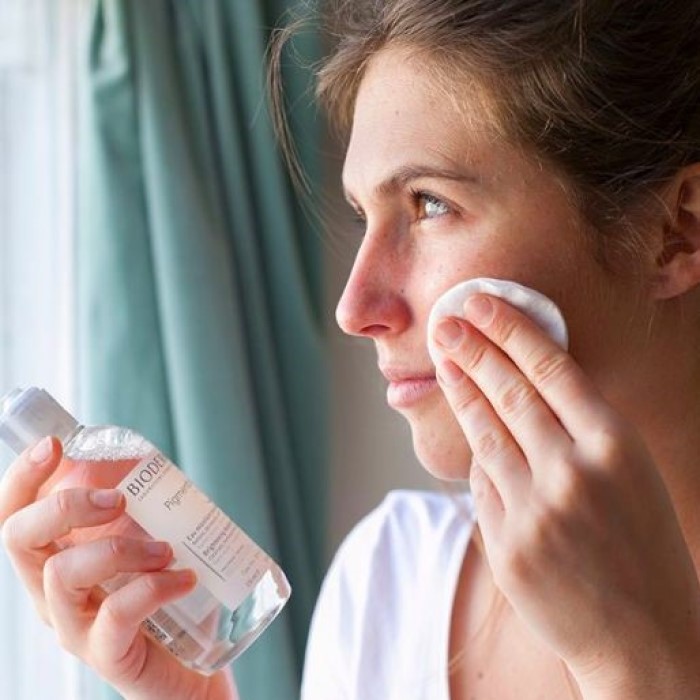
- Diverse Offerings for All Skin Types: The range of hypoallergenic products is continuously expanding in 2026. Brands are now offering a wide variety of options, from cleansers, moisturizers, and exfoliators to specialized treatments such as serums and masks.
- Tailored Formulations: As more people become aware of specific skin concerns like acne, dehydration, and aging, hypoallergenic products are increasingly being tailored to address these diverse needs. Brands are creating solutions that cater not only to sensitivity but also to a range of other concerns, ensuring comprehensive care for all skin types.
Dermatologist-Recommended Options
Expert Collaboration
1. Growing Trend in 2026
- Increase in Collaborations: In 2026, the trend of collaborations between cosmetic brands and dermatologists is becoming increasingly popular. This partnership aims to bridge the gap between cosmetic science and dermatological expertise.
- Focus on Formulation: Many skincare companies are recognizing the importance of dermatological input in their product development processes. By partnering with dermatologists, brands can create products that are not only effective but also safe for a wide range of skin types.
2. Benefits of Collaboration
- Targeted Solutions: Collaborations lead to the creation of formulations specifically designed to address common skin issues such as acne, rosacea, and eczema. These formulations are usually backed by scientific research and clinical studies.
- Hypoallergenic Properties: Working with dermatologists helps brands ensure their products maintain hypoallergenic properties, making them suitable for sensitive skin. This focus on safety enhances the overall quality of the cosmetic line.
Building Consumer Trust
1. Importance of Endorsements
- Enhancing Brand Credibility: When dermatologists endorse certain products, it significantly enhances the credibility of those products in the consumer market. Professional endorsements signal to customers that the products are trustworthy.
- Informed Consumer Choices: Consumers often look for products that have been validated by healthcare professionals. Knowing that a dermatologist has reviewed and approved a skincare product provides users with peace of mind regarding their purchasing decisions.
2. Addressing the Needs of Sensitive Skin Consumers
- Focus on Safety and Efficacy: Customers with sensitive skin actively seek products recommended by dermatologists, as they trust that these products have undergone rigorous evaluations. This trust is crucial, especially for individuals with specific skin concerns.
- Enhanced Product Acceptance: Products that come with a dermatologist’s endorsement tend to have higher acceptance rates among consumers. This endorsement alleviates fears that sensitive skin users might have about adverse effects.
How to Identify Hypoallergenic Products
Choosing the right hypoallergenic products for your skincare needs can be daunting, especially with the plethora of options available. Here are some steps to identify suitable products:
Read the Ingredients List
- Seek Clarity and Transparency: It’s crucial to always read the product’s ingredient list before purchasing. Look for brands that explicitly label their products as hypoallergenic and provide clear information about the ingredients used.
- Avoid Common Allergens: Familiarize yourself with the common irritants known to adversely affect sensitive skin, such as synthetic fragrances, parabens, and sulfates. This knowledge will empower you to make informed decisions about the products you select.
Look for Certifications
- Recognized Certifications: Some products may feature certification marks indicating their hypoallergenic status. Look for products endorsed by reputable dermatological organizations or certifications that affirm their safety and suitability for sensitive skin.
- Consumer Reviews and Feedback: Reading reviews from other customers can provide valuable insights into a product’s effectiveness for sensitive skin. Consider checking online forums or beauty blogs that specialize in sensitive skin discussions for first-hand experiences.
Conduct a Patch Test
Perform a Patch Test
- Importance of Patch Testing: Conducting a patch test is a crucial step before fully integrating any new skincare product into your routine. This simple practice helps determine if the product is suitable for your skin type and can prevent potential allergic reactions or irritations.
- Choosing a Test Area: Select a discreet area of skin for the patch test, such as your wrist or the inner elbow. These areas are ideal as they are often sensitive, allowing you to gauge how your skin might react to the product in a low-risk zone.
- Application Method: Take a small amount of the product and apply it evenly to the chosen area. Make sure to cover a suitable size, about the size of a coin, to provide enough surface area for observation.
- Tracking Time: Once applied, monitor the area closely for 24-48 hours. It is important not to wash or cover the patch tested area during this time, as this could interfere with your observations.
Observe Skin Reactions
- Identifying Irritation Signs: During the monitoring period, pay close attention to any changes in the skin at the test site. Common signs of irritation to look out for include:
- Redness: Any noticeable redness or inflammation that appears after application.
- Itching: An itching sensation may indicate that your skin is reacting negatively to the product.
- Swelling: Any swelling or puffiness in the area could suggest an allergic reaction and should not be overlooked.
- Taking Action on Reactions: If you observe any of these signs of irritation, it is crucial to take immediate action. Discontinue use of the product right away. Continuing to use a product that causes irritation can worsen your skin condition or lead to more severe reactions.
- Seeking Alternatives: After discontinuing use, consider exploring alternative products that may be better suited for your skin type. Look for formulations labeled specifically as hypoallergenic, fragrance-free, or designed for sensitive skin, as these may be gentler and less likely to cause adverse reactions.
Frequently Asked Questions
What Skincare Brands Are Hypoallergenic?
Several reputable skincare brands focus on hypoallergenic formulations, offering products specifically designed for sensitive skin. Notable mentions include Cetaphil, La Roche-Posay, Neutrogena, and Aveeno. These brands prioritize skin health while ensuring their products minimize the risk of allergic reactions.
How to Know if a Product is Hypoallergenic?
To determine if a product is hypoallergenic, check the label for explicit mentions of the term “hypoallergenic.” Additionally, scrutinizing the ingredients list for common irritants helps ascertain a product’s suitability for sensitive skin.
Is Cetaphil Hypoallergenic?
Yes, Cetaphil is commonly recommended for sensitive skin and is considered hypoallergenic. The brand’s formulations are rigorously tested to ensure they minimize the risk of allergic reactions while effectively promoting skin health.
The Importance of Consistency in Skincare
- Establishing a Routine: To maximize the benefits of hypoallergenic skin care products, it is essential to establish a consistent skincare routine. Consistency allows your skin to adjust to new products and fully benefit from their healing properties.
- Layering Products: When building your routine, consider layering products starting with cleansers, followed by serums, and then moisturizers. Each layer should be hypoallergenic to maintain the overall safety of your regimen.
Signs of Improvement
Be patient and observant as you transition to hypoallergenic products. It may take time for your skin to adjust, but over a few weeks, watch for improvements in sensitive areas, including reduced redness, irritation, and overall texture.
Conclusion: The Future of Hypoallergenic Skin Care
Hypoallergenic skin care is shaping up to be an essential part of the beauty industry in 2026. As skin sensitivity becomes more acknowledged, the demand for hypoallergenic products will continue to grow. The focus on natural ingredients, sustainable packaging, varied product offerings, and dermatologist collaboration signifies a bright future for this sector.
Consumers should feel empowered to explore these revolutionary options, knowing they can achieve effective skincare without compromising their health. By staying informed about product choices and understanding how to identify and utilize hypoallergenic solutions, you can maintain healthy and beautiful skin throughout the year. Embrace these trends and discover how hypoallergenic skin care can enhance your skincare routine today!